I am indebted to Paula Page for the gift of John Steinbeck’s Travels with Charley. It’s a great book, even the dated parts. Steinbeck, towards the end of his life, determined to learn what he could about America, commissioned a special camper van (by writing directly to the chairman of General Motors or Ford), and took along as a traveling companion his French Poodle Charley.
At the start, Steinbeck reflects on the nature of the journey, writing “When I was very young and the urge to be someplace else was on me, I was assured by mature people that maturity would cure this itch. When years described me as mature, the remedy prescribed was middle age. In middle age I was assured that greater age would calm my fever and now that I am fifty-eight perhaps senility will do the job.”
It is impossible to escape notice that I am now fifty-eight myself, and much of the decision to spend this summer traveling from wilderness to wilderness amounts to what Steinbeck calls ‘the ancient shudder’ to be motion. For as long as I can remember, I would look out at some landscape, see a place on the horizon and think, ‘I want to go there.’ It amounts to a virus of restlessness (Steinbeck again).
Finally, here is Steinbeck’s reflection on the nature of the journey itself: “It has personality, temperament, and individuality. [It] is a person in itself. We find after years of struggle that we do not take the trip; a trips takes us.”
I can’t speculate on the truth of this for everyone; but it seems right to me. After two weeks at Ring Lake with Sarah and Holly, I dropped off at the airport in Jackson, Wyoming, and headed west through southern Idaho and then through eastern Oregon to camp for a few days in the Three Sisters Wilderness.
The pictures below are snapshots of the trip. The first is a picture of the Grand Tetons just before dawn. Below that is a picture of US highway 26, just before the John Day Fossil Beds in central Oregon. And then two pictures from the area around the Malheur Reservoir near Unity, Oregon. It is almost completely dried up now, a casualty of severe drought. Years ago, my parents would drive down from their home in Portland to watch migrating water fowl rest there. All that remains are abandoned public toilets, the ruins of boat ramps and swimming floats. And abandoned ranches. The whole landscape has a haunted feeling to it.
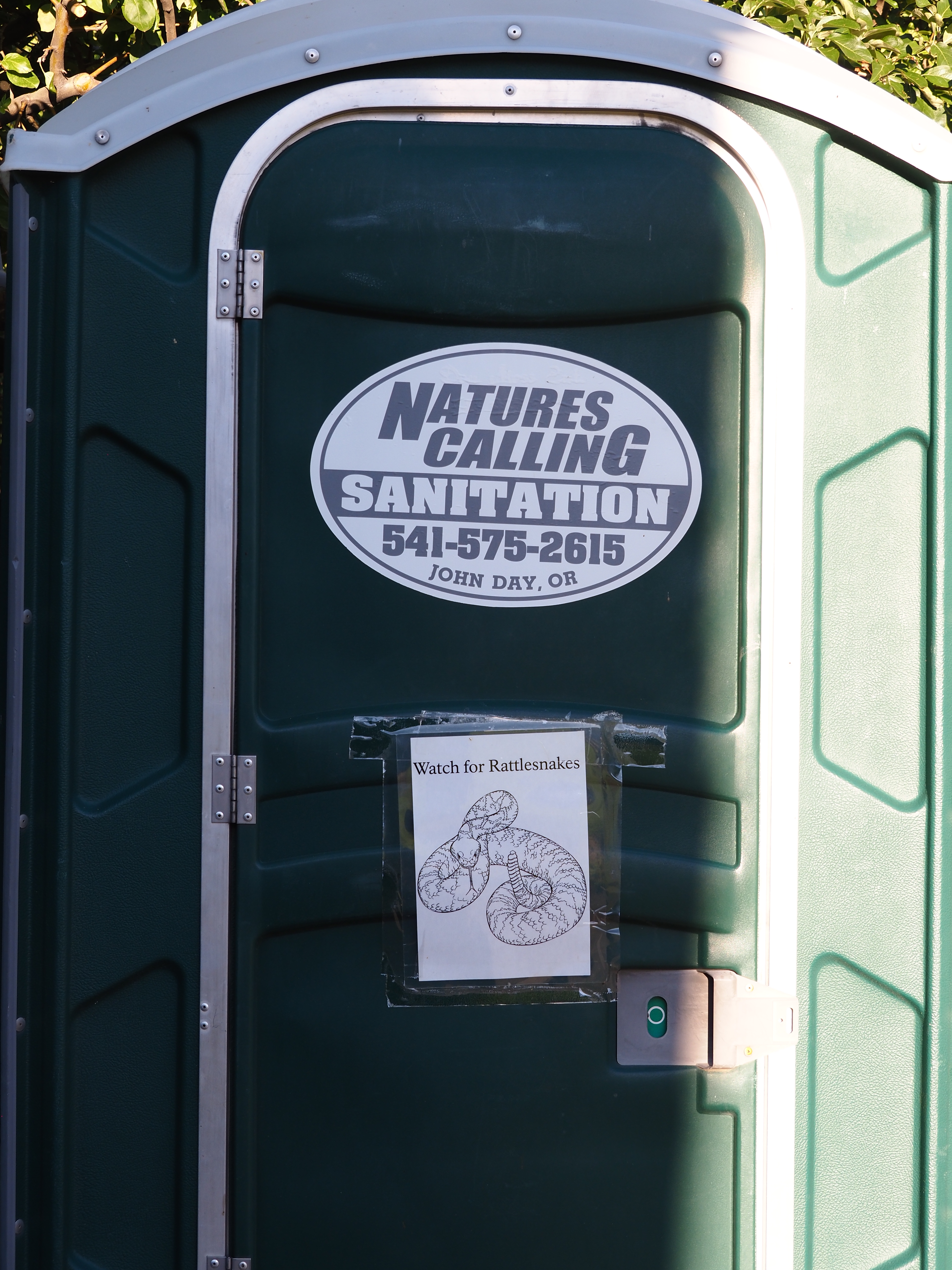
As something of an antidote to Malheur was the welcoming sign on an outhouse at the National Park Service’s Cant Farm in the John Day Fossil Beds National Park.


Day 2: The Three Sisters Wilderness
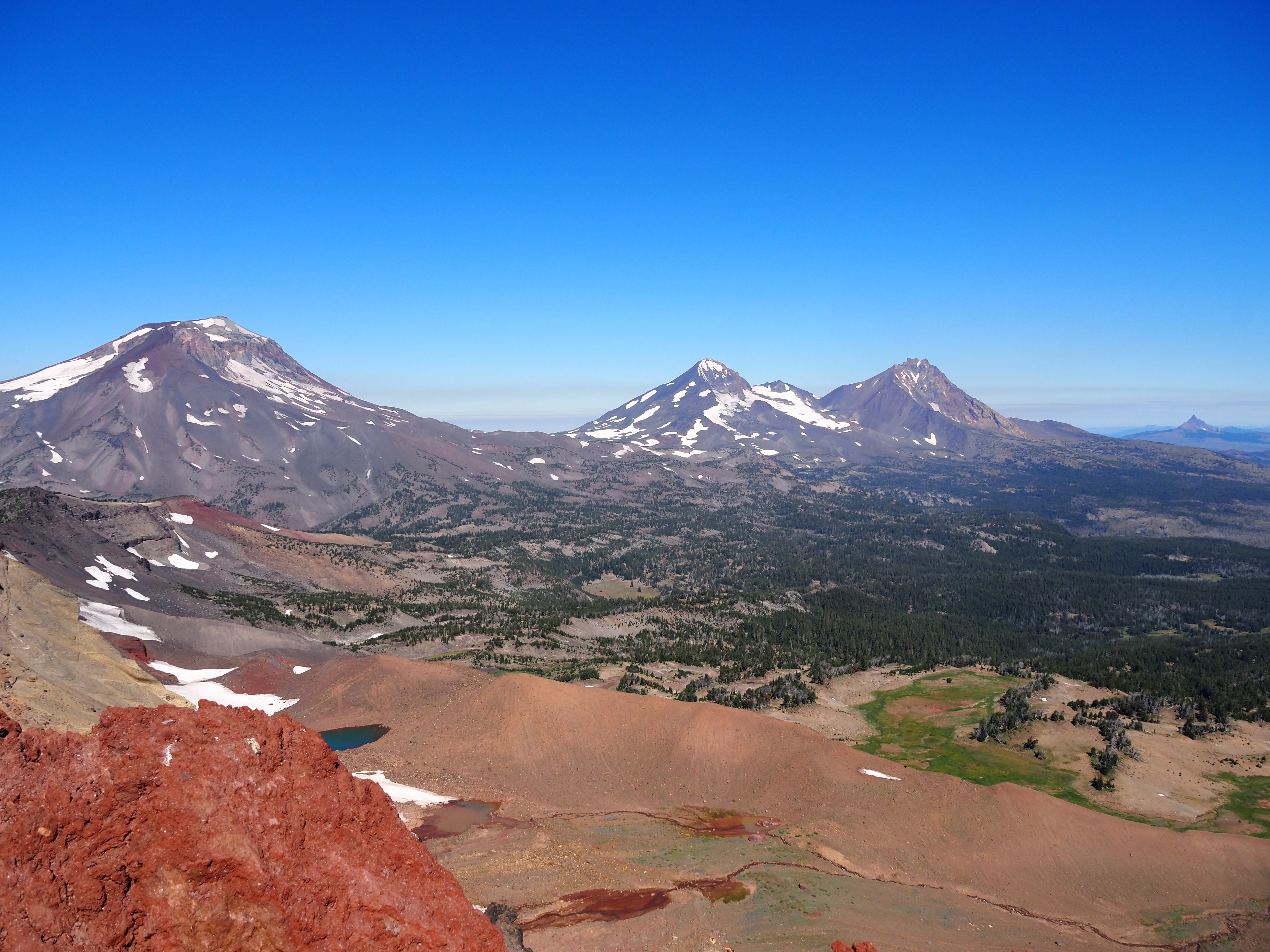
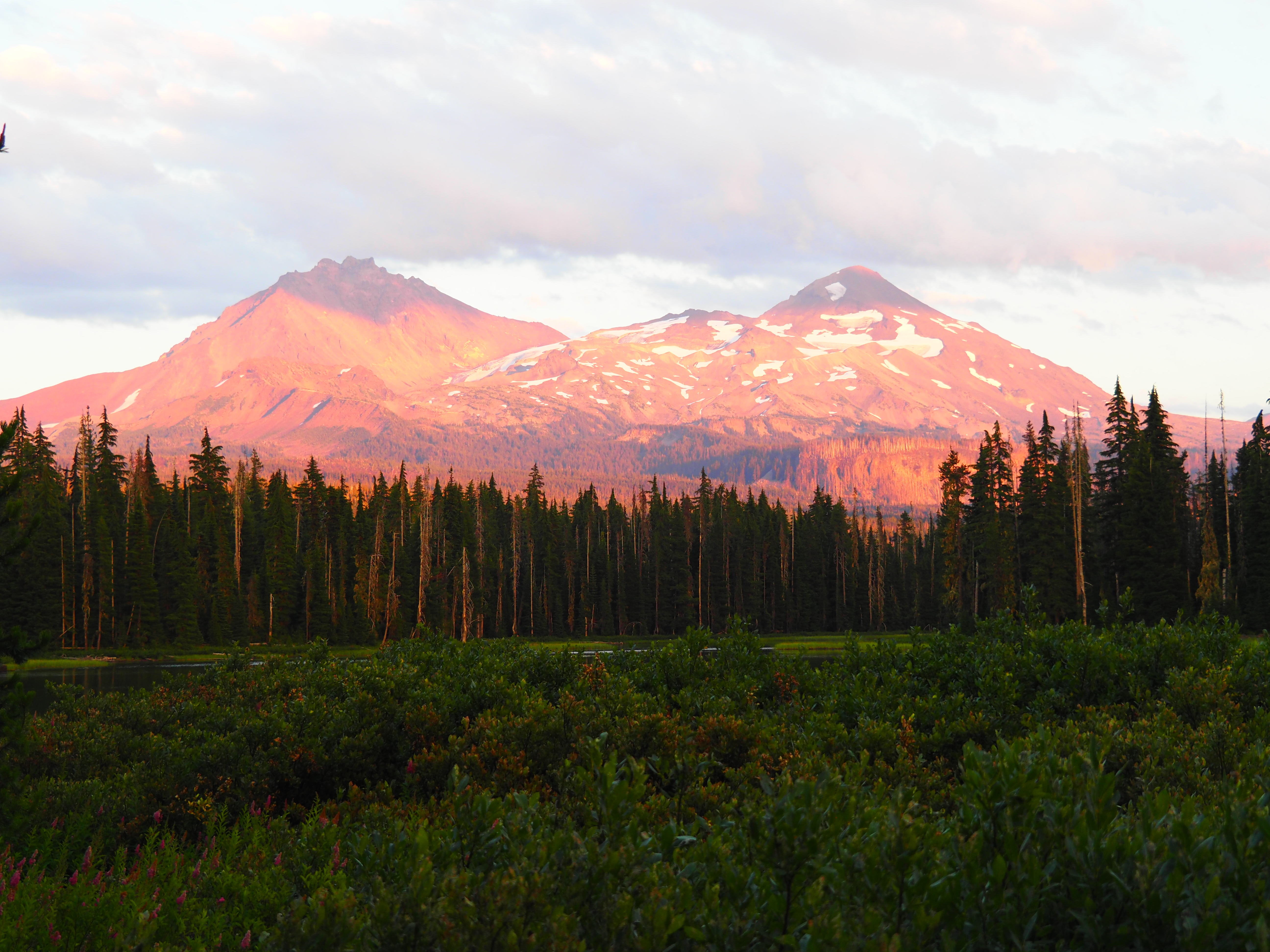
If you’re not familiar with the central and northern Cascades, they are a range of active, dormant and extinct volcanos that run from northern Washington through southern Oregon, meeting there the southern Cascades of California. For reference, Mount St. Helens of famous memory is a member of the central Cascade range. So are a range of extinct volcanos just west of the city of Bend, Oregon, called the Three Sisters – named with no particular thought to imagination, North, Middle and South (there’s also a peak named the Husband and one named the Boyfriend, but being considerably smaller and less majestic don’t typically warrant much attention).
The Sisters rule over a landscape that has to be seen to be believed. The remnants of past eruptions have left rivers of lava covering acres and acres of ground. Truly astonishing is the fact that early settlers traveling the Oregon Trail made their way over what is now called McKenzie Pass into the Willamette Valley. It impoverishes the imagination to consider the feat of engineering required to carve out a road through miles of lava flow.
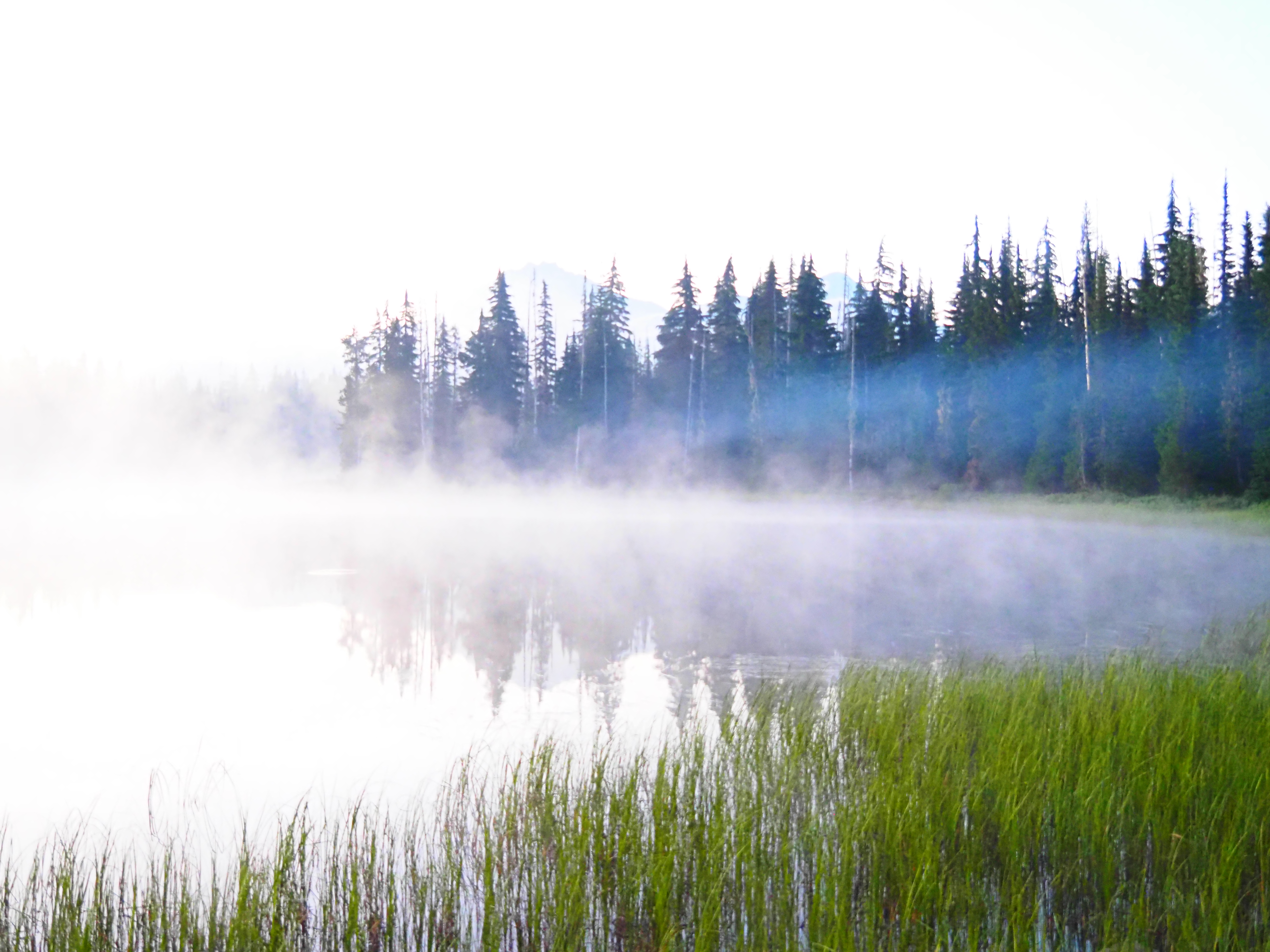
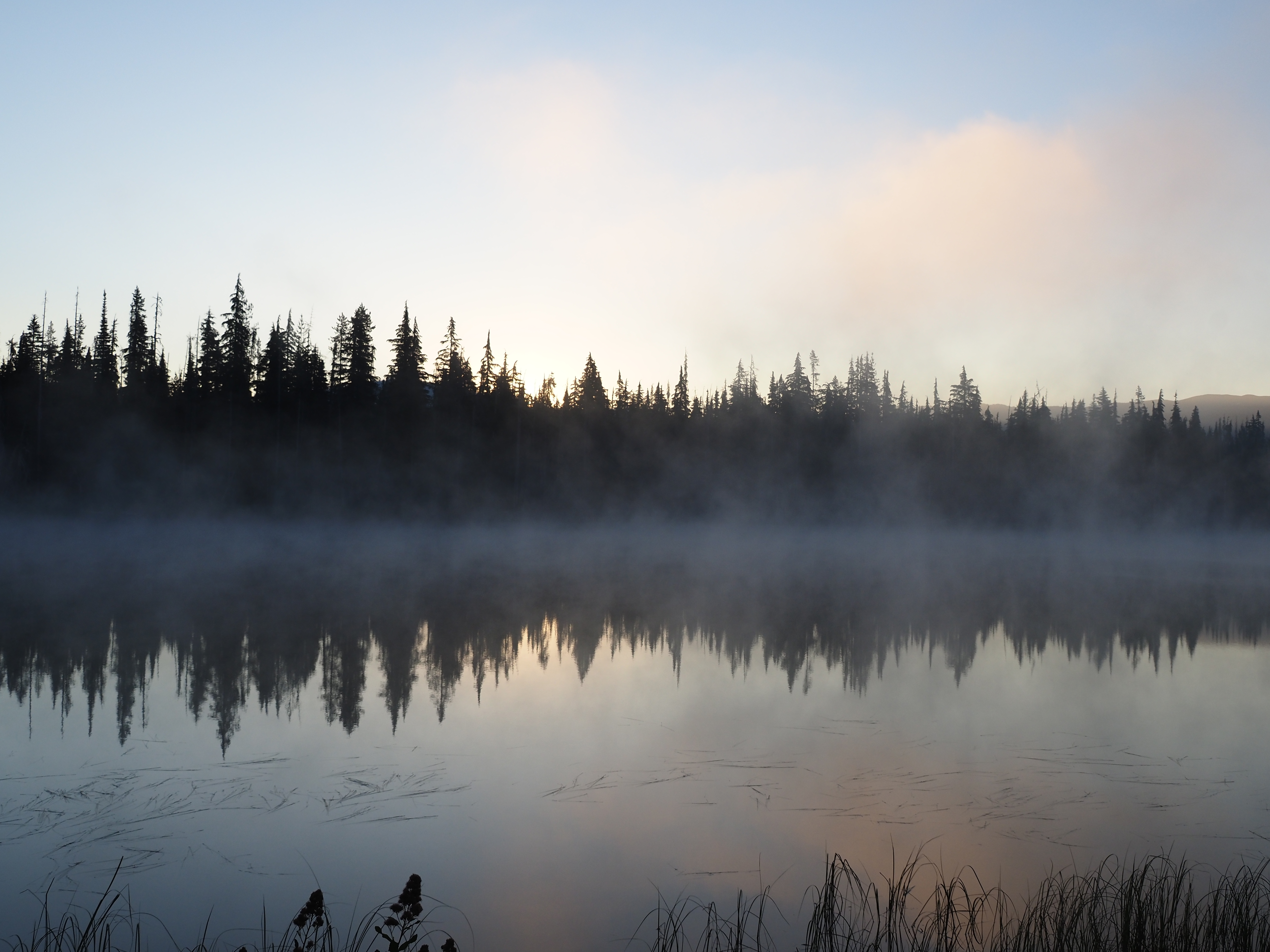
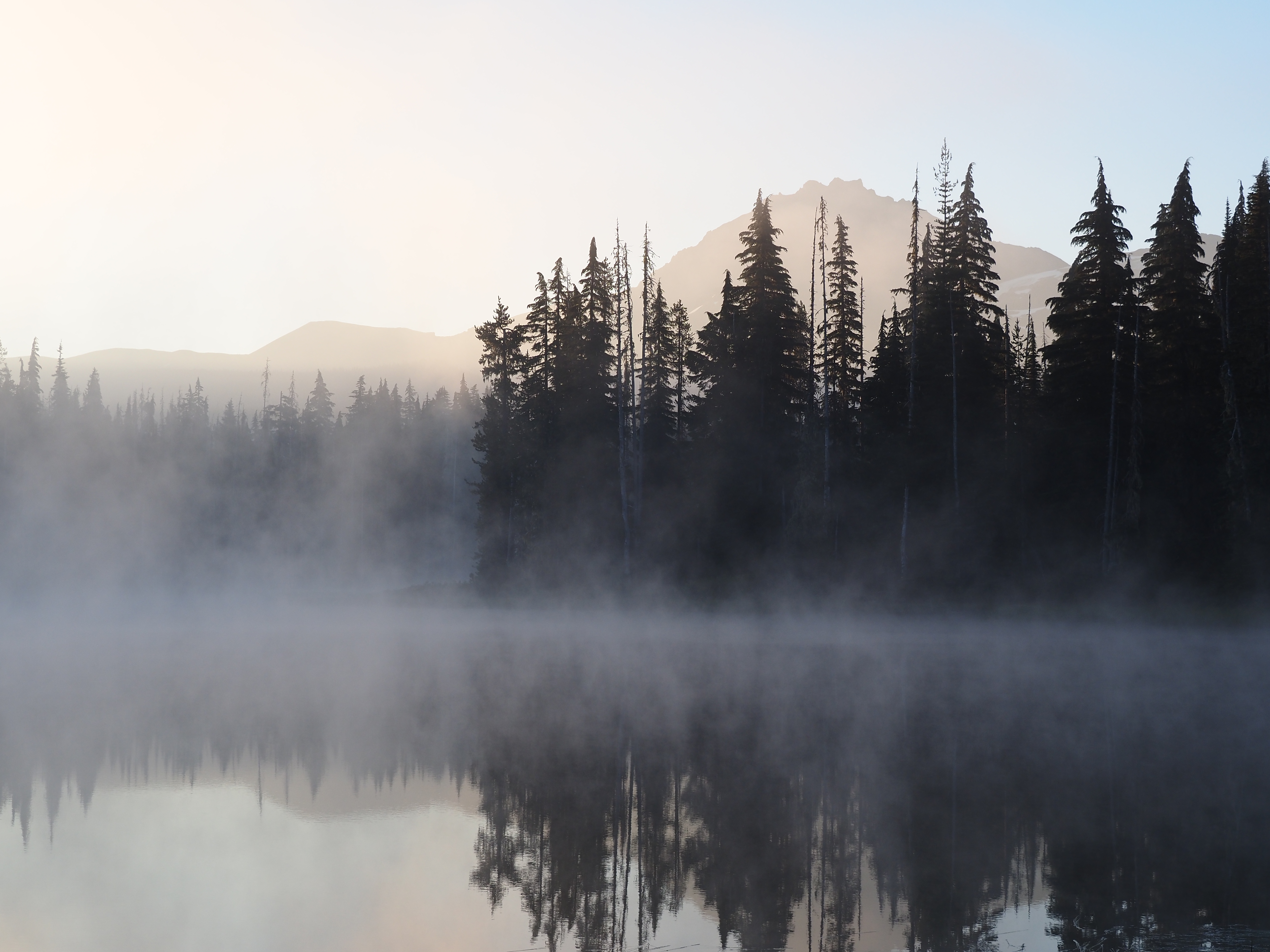
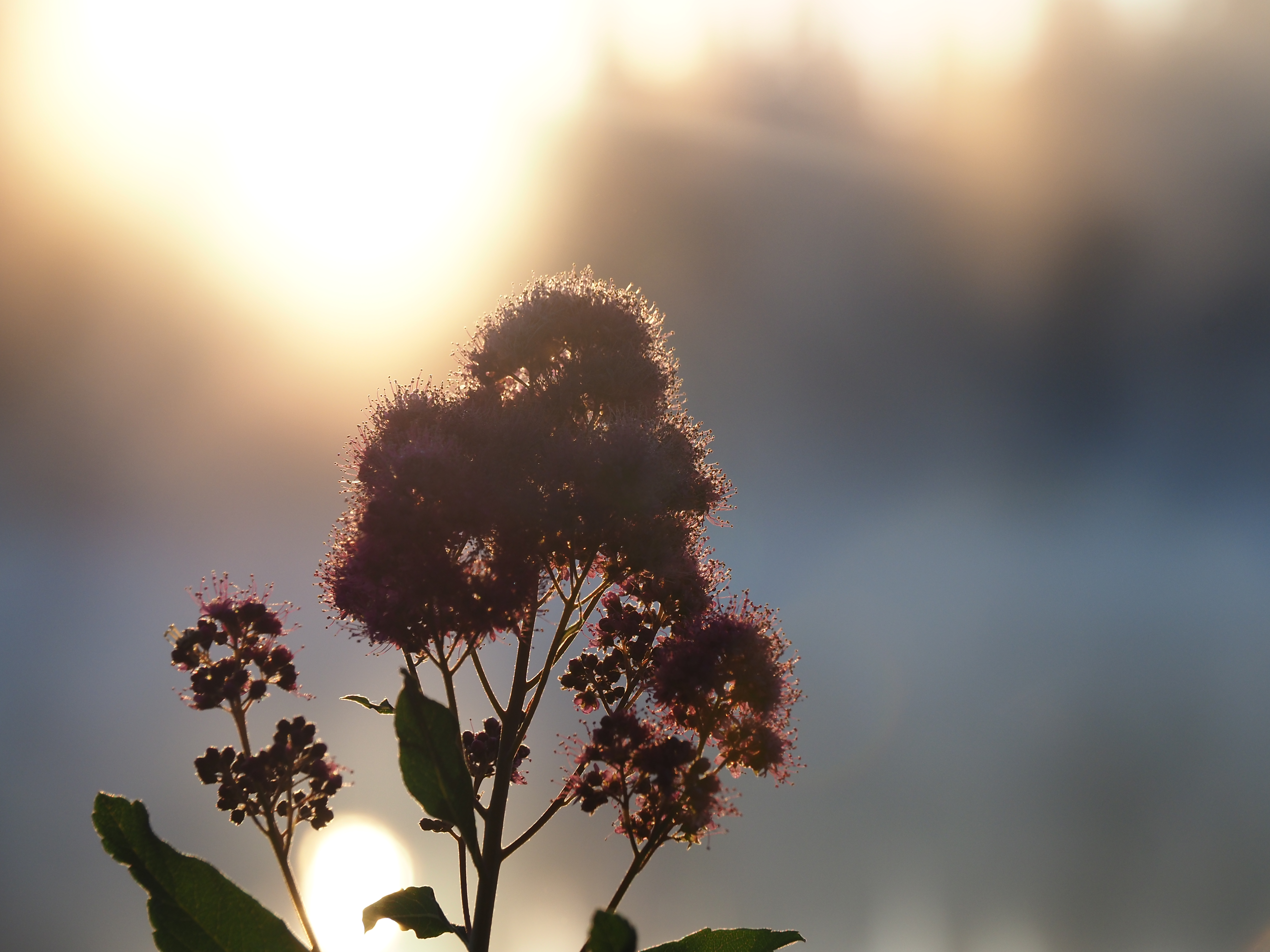
Below are pictures of the Three Sisters from both the east side and the west, along with some pictures of sunrise at Scott Lake, where I’ve been camping.






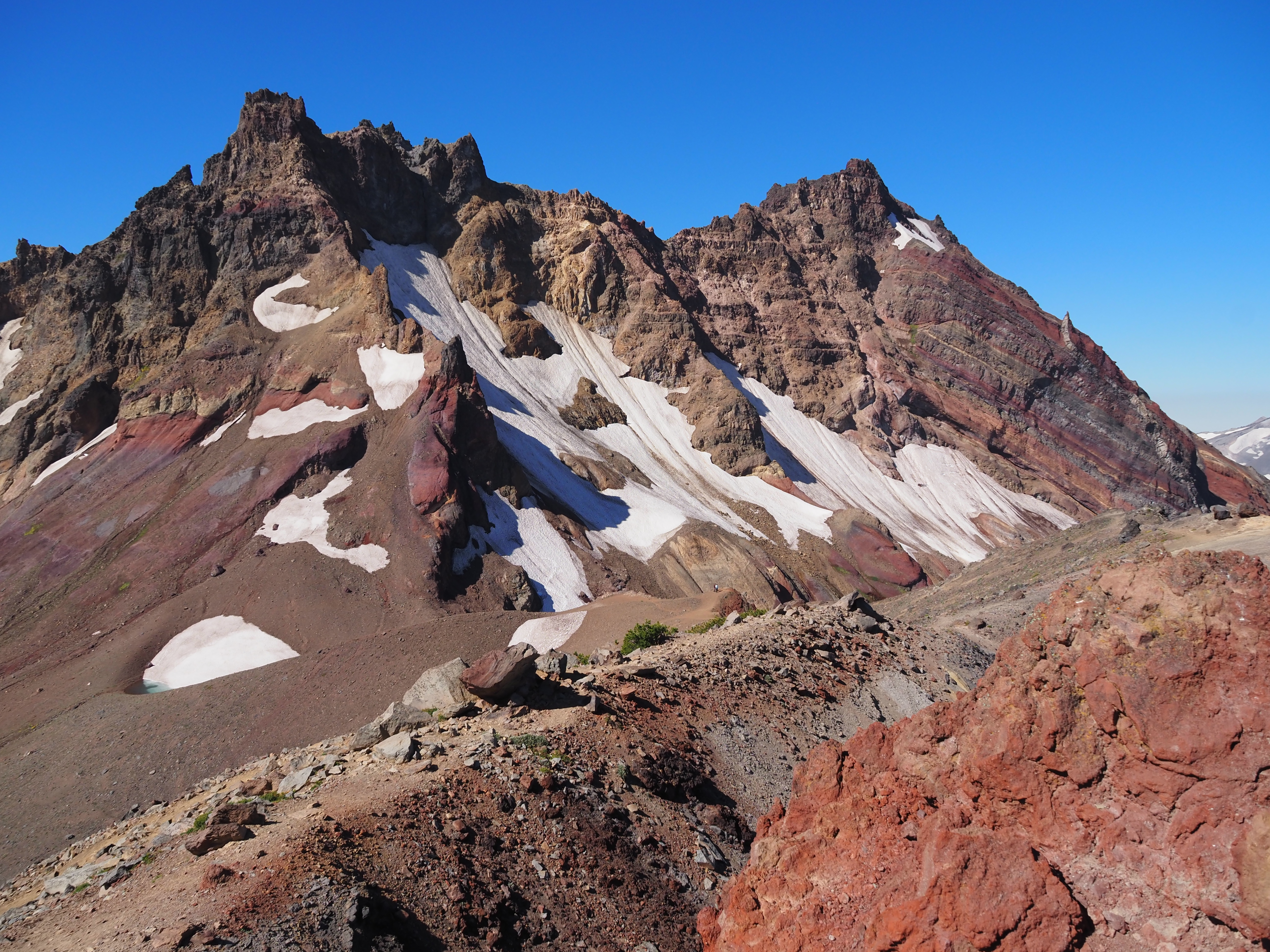
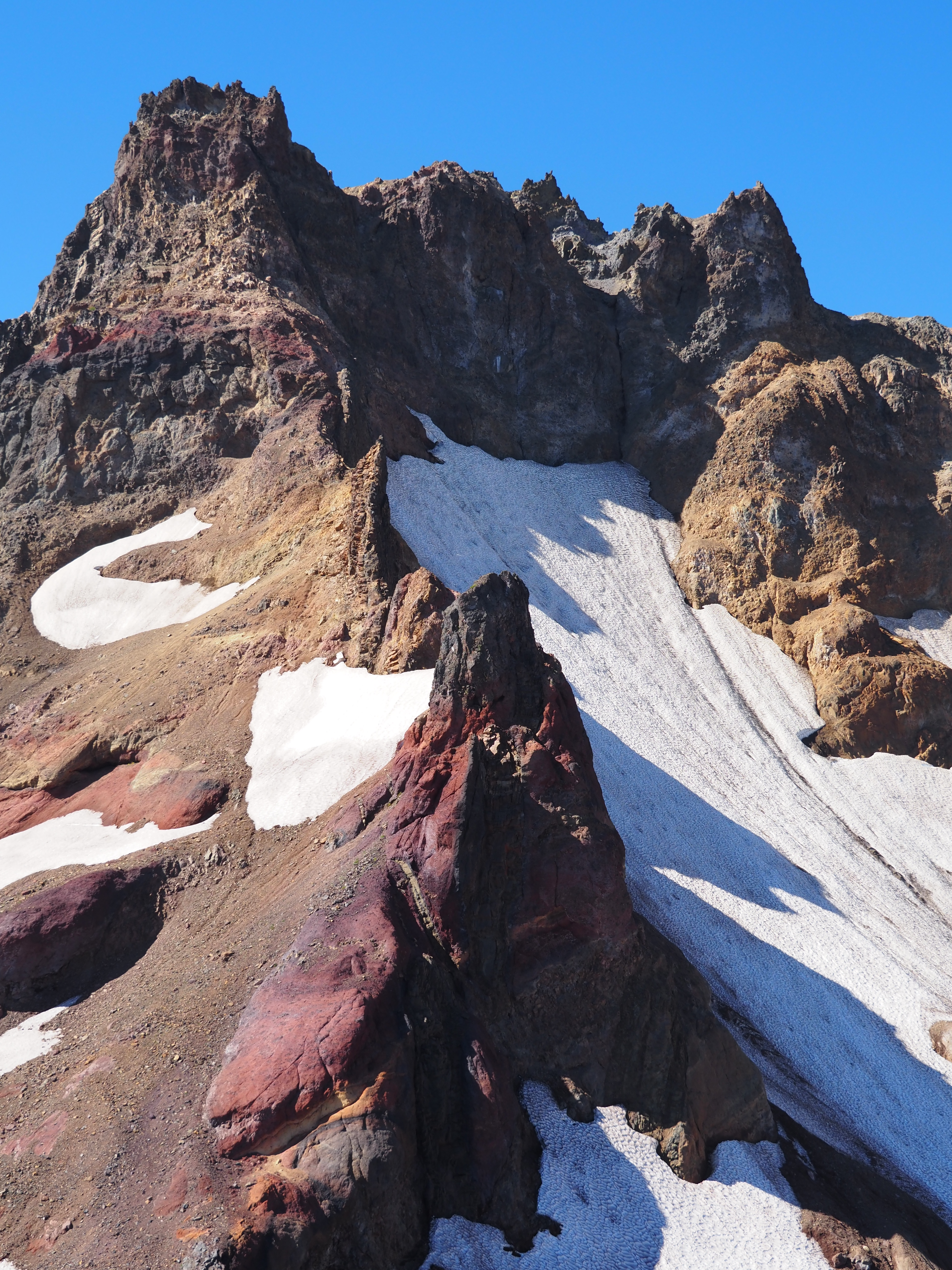
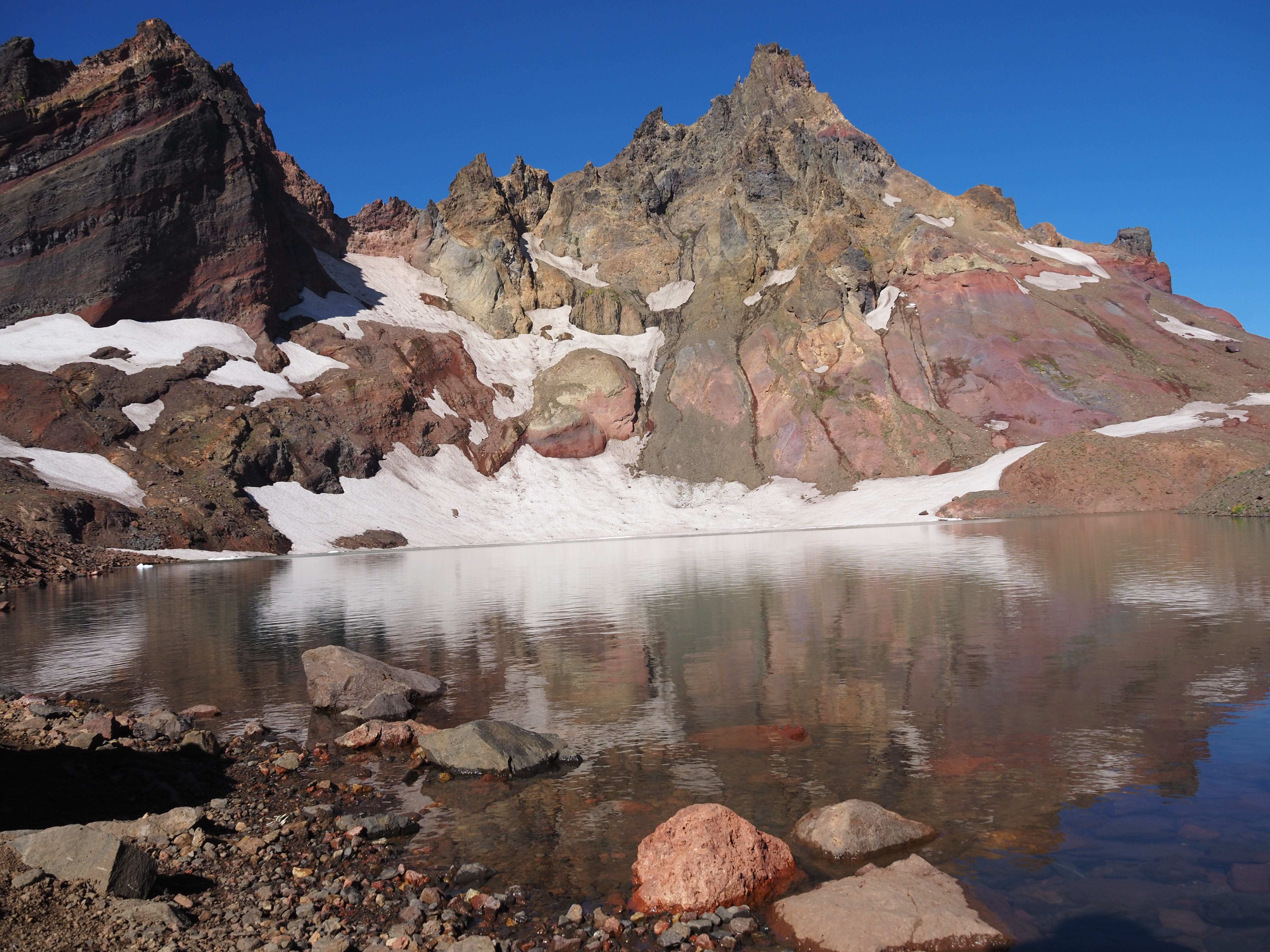
Day 3: Broken Top and No Name Lake
This was the first hike of the week. The trailhead starts at the end of the worst road I have ever been on (and not to suggest that bad roads and the developing world are synonymous, but the bad roads in Lesotho had absolutely nothing on bone jarring five miles the US Forest Service had stitched up the mountain).
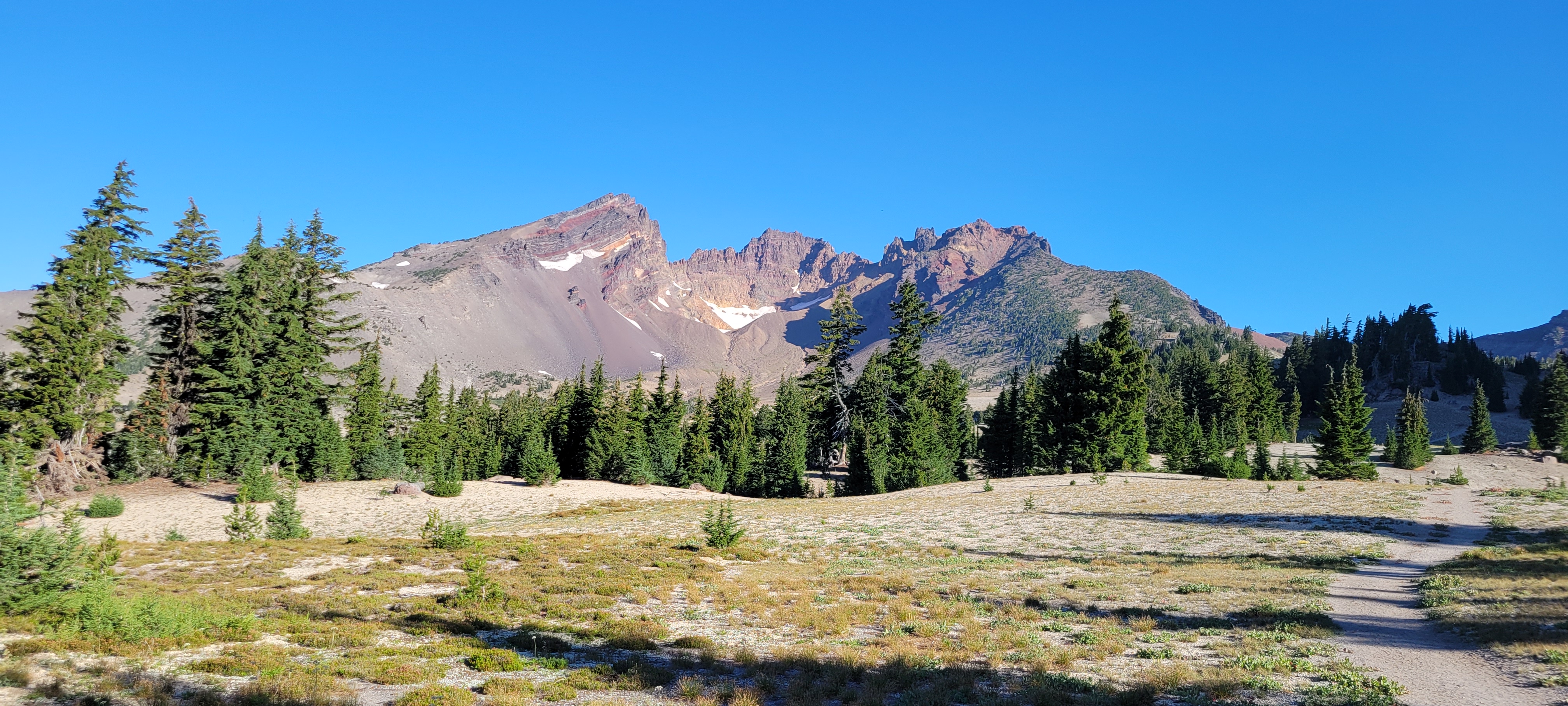
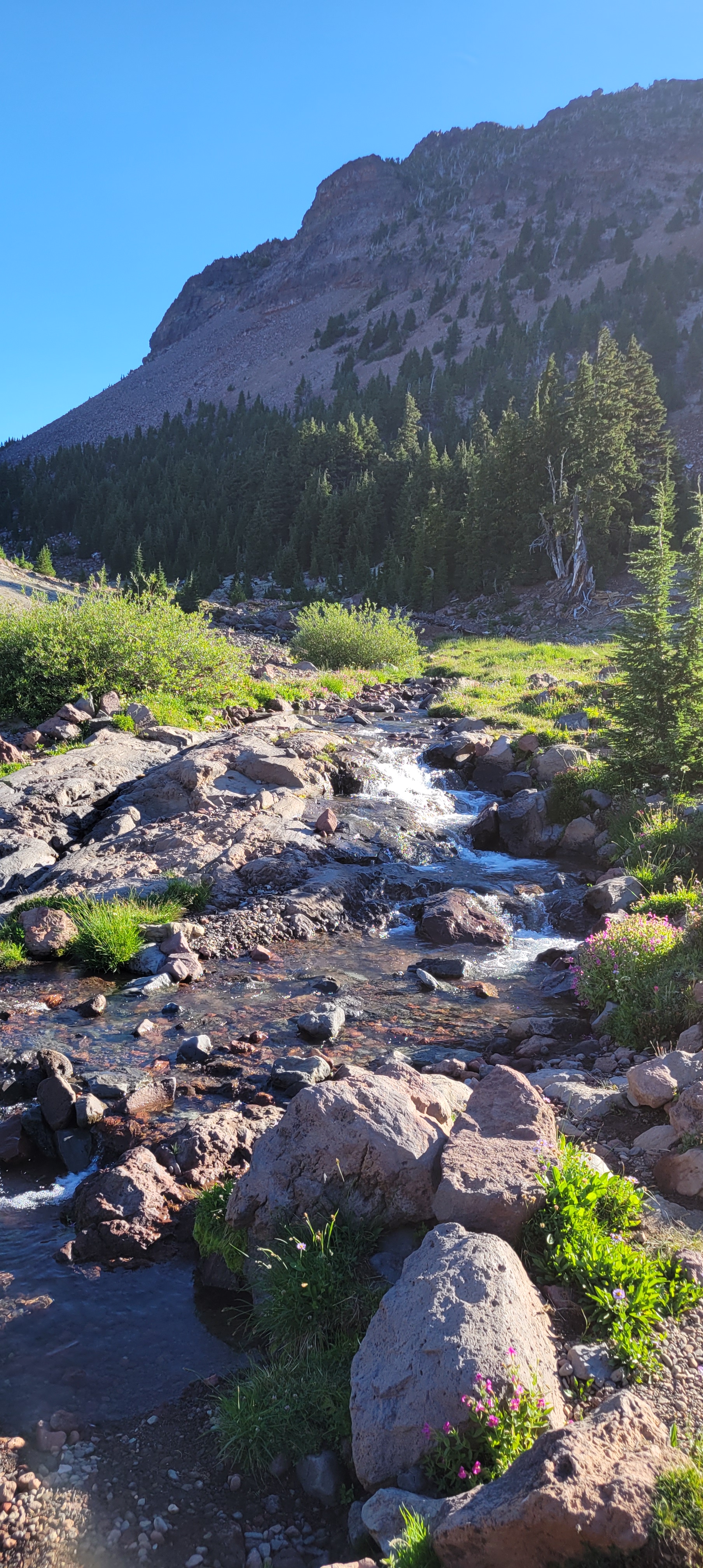
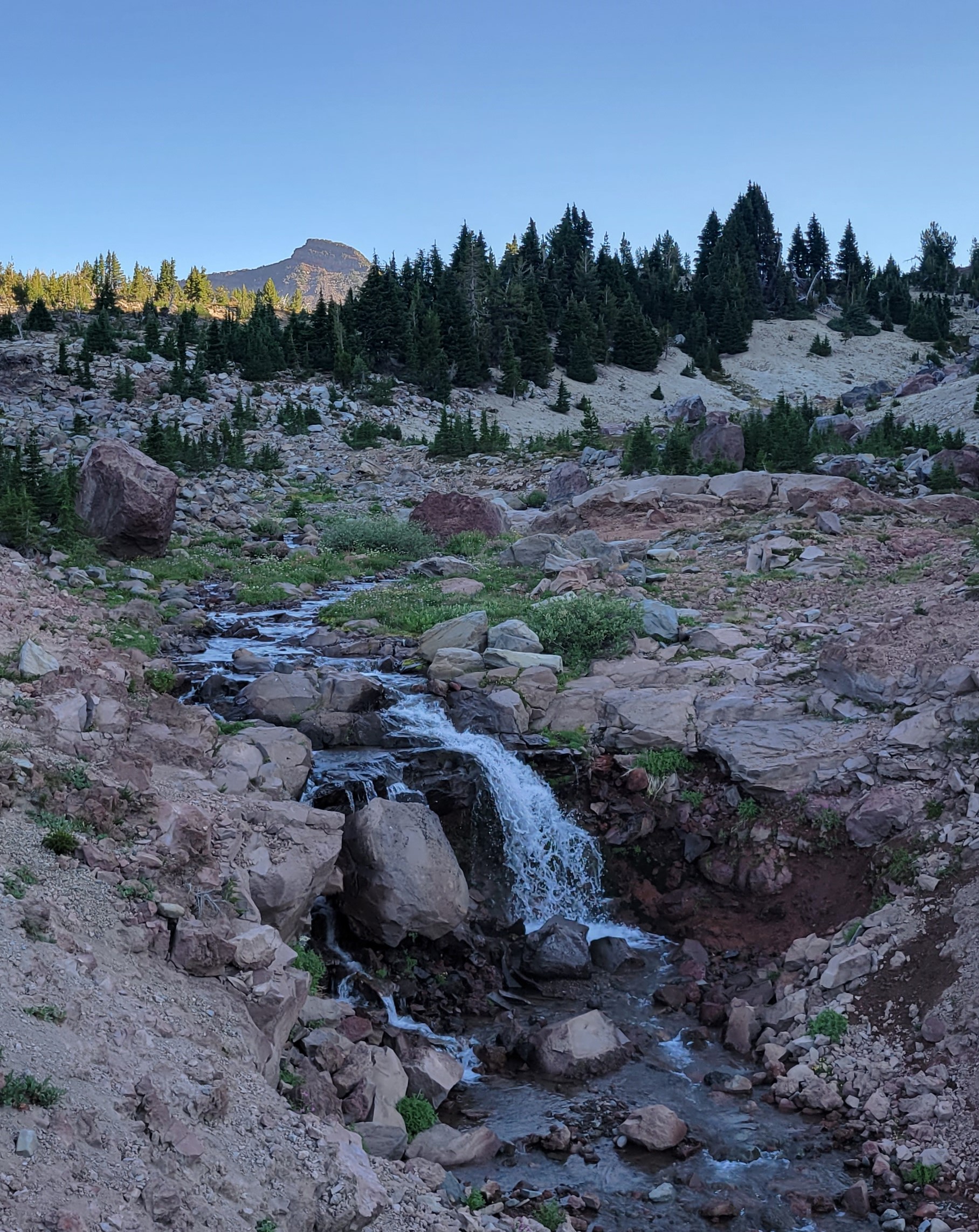
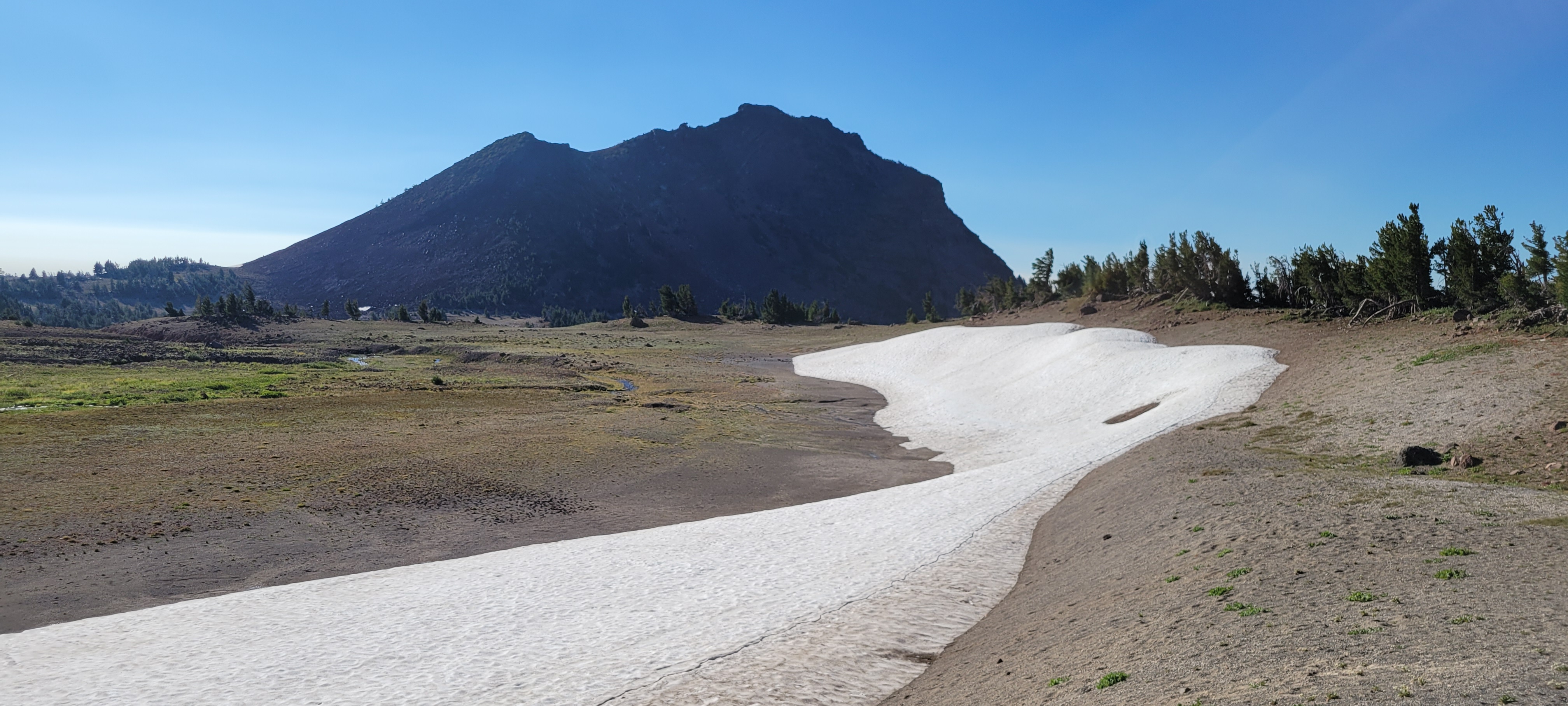
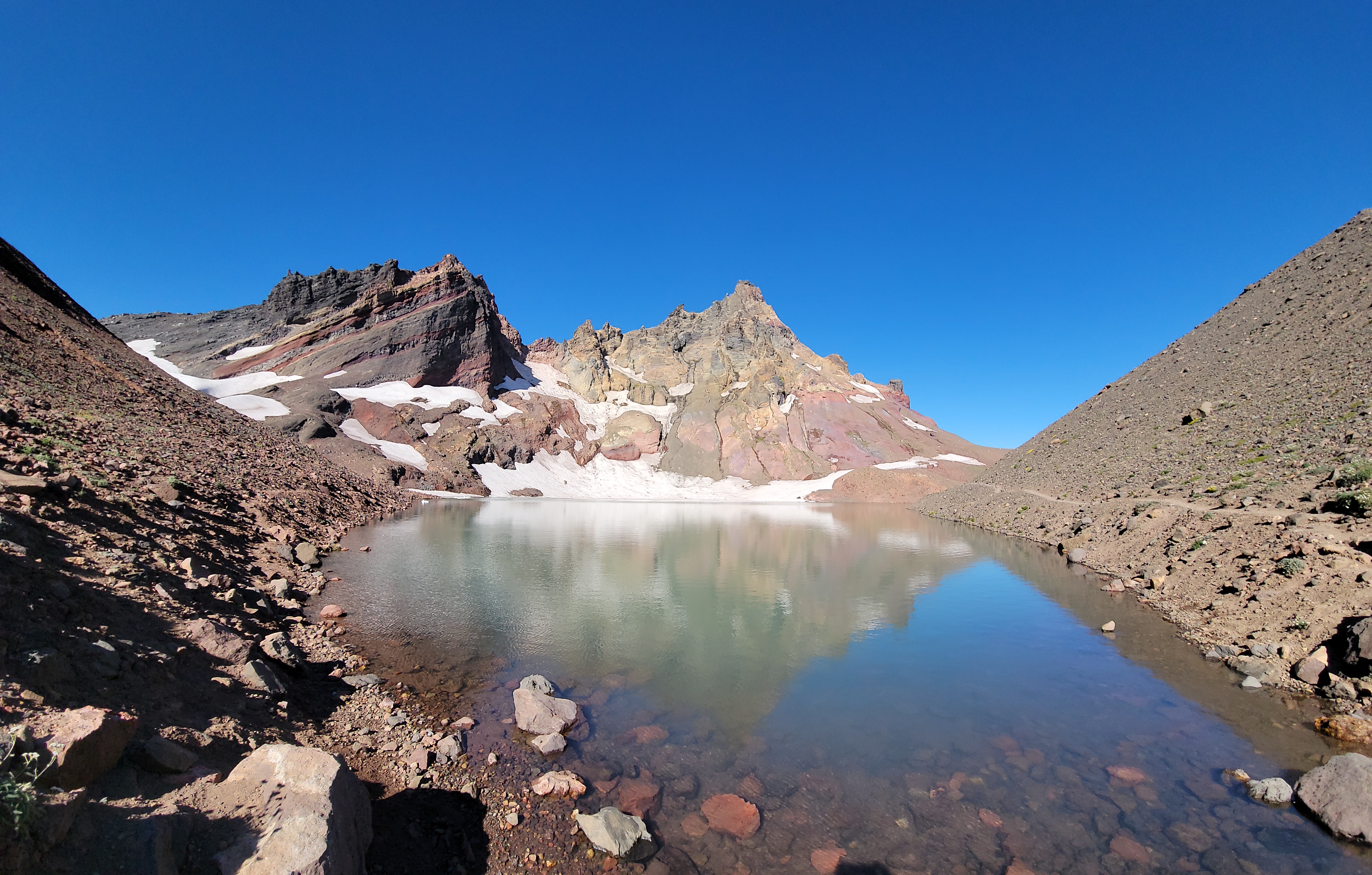
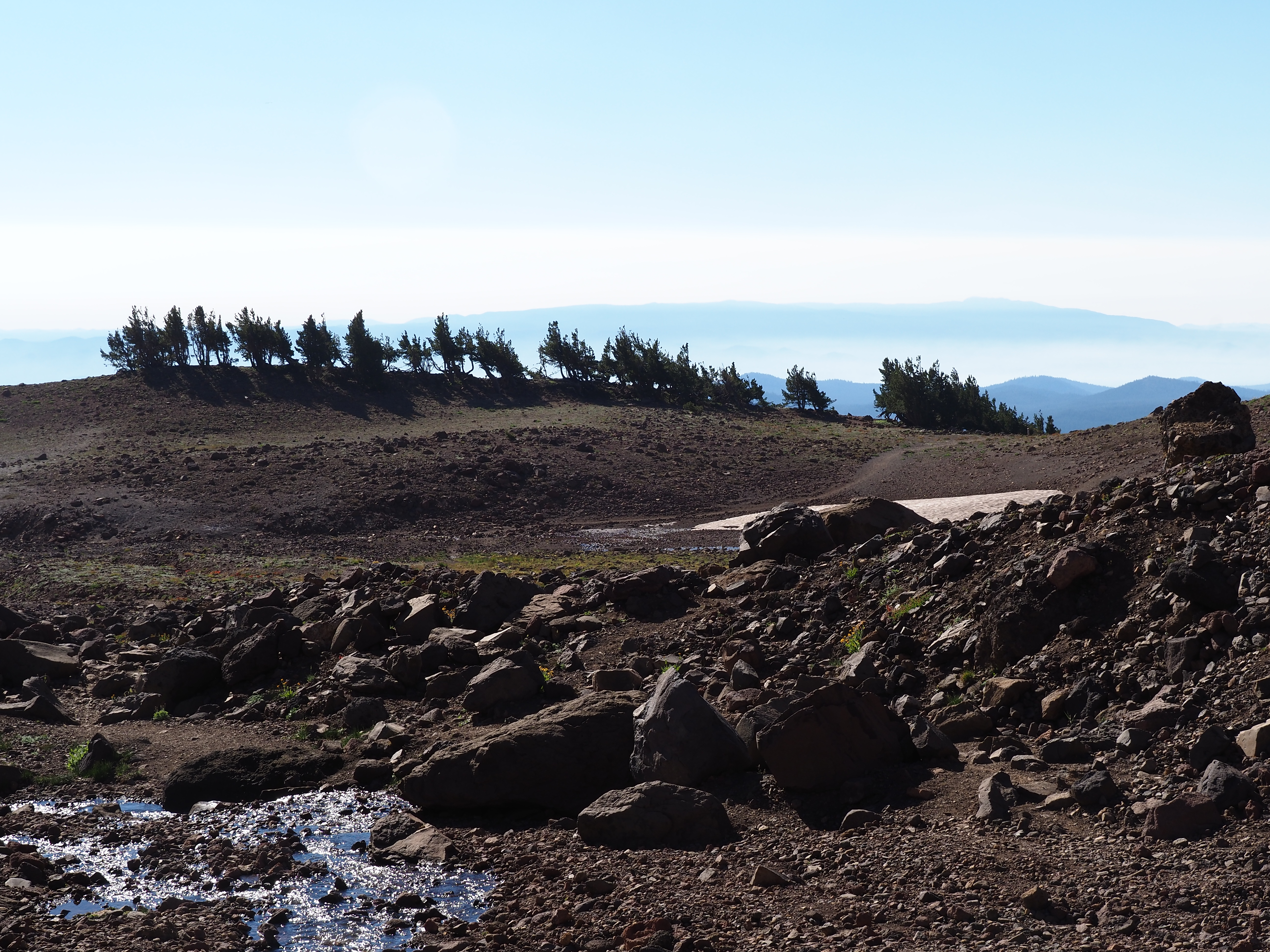
Anyway, it was a glorious hike. Broken Top is well-named. And the lake that sits below it is fed by a small glacier. At the far end of the lake, a trail leads up to the rim with views looking north to the Three Sisters range. The pictures below don’t really do it justice.



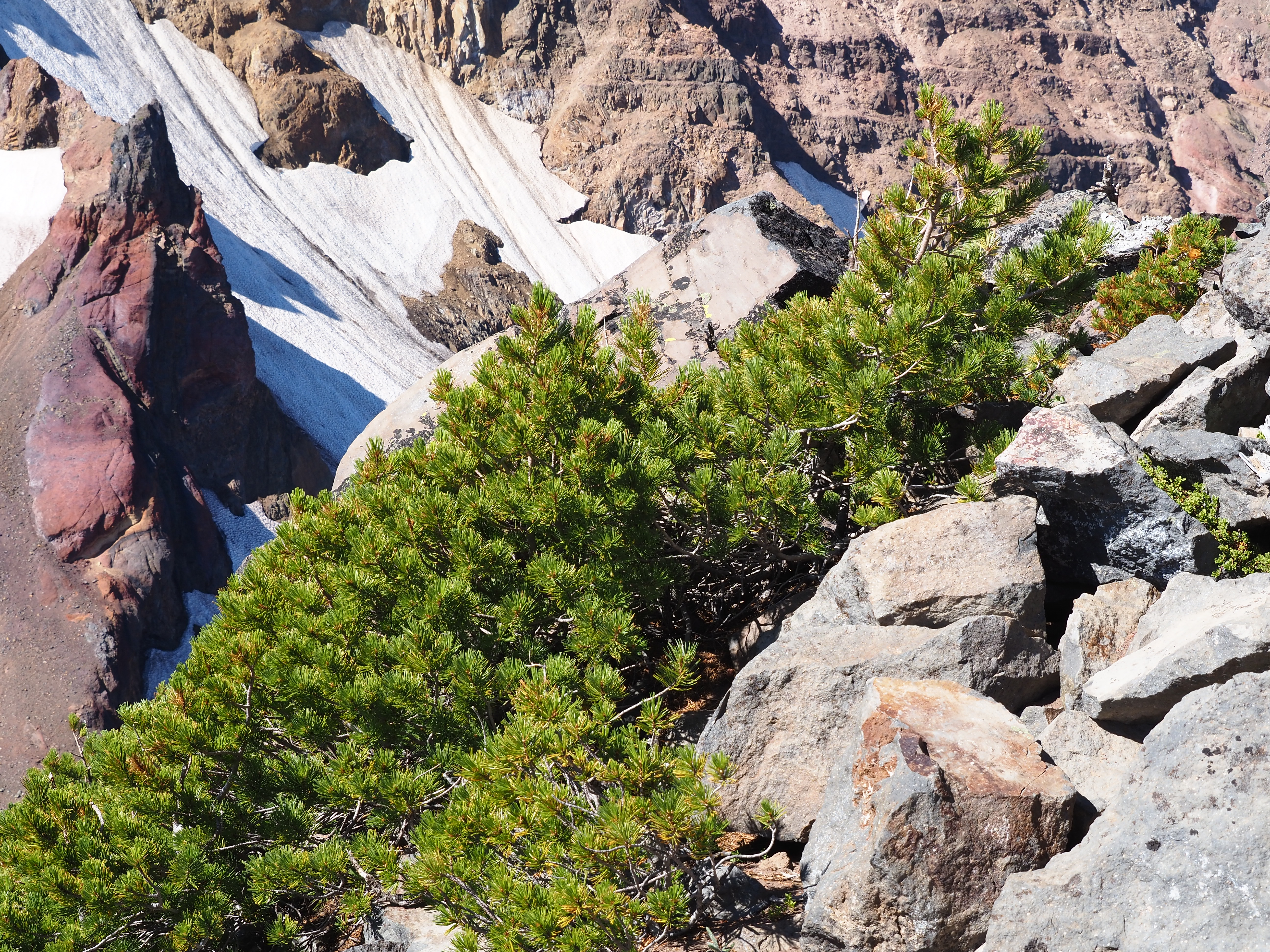

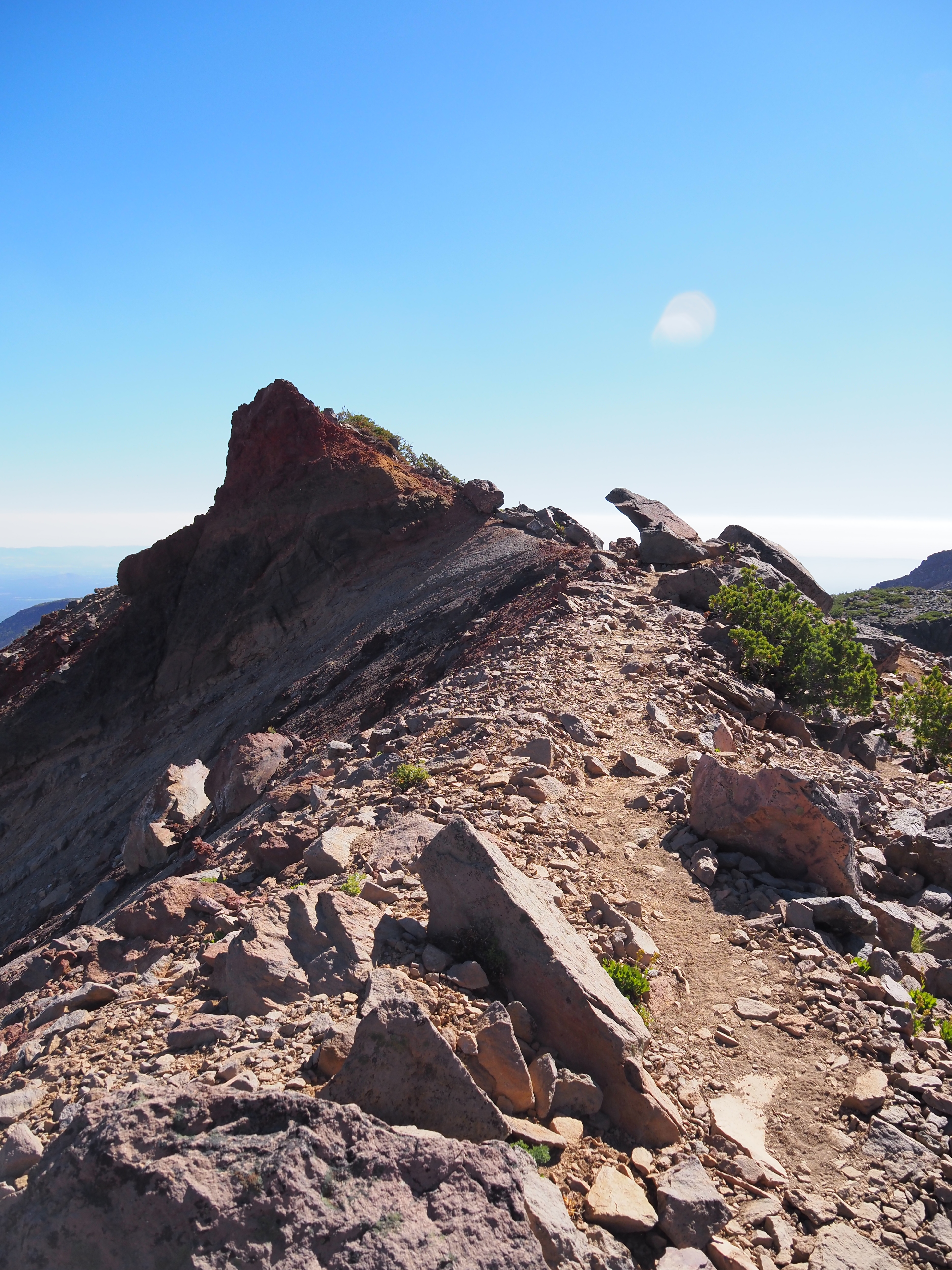
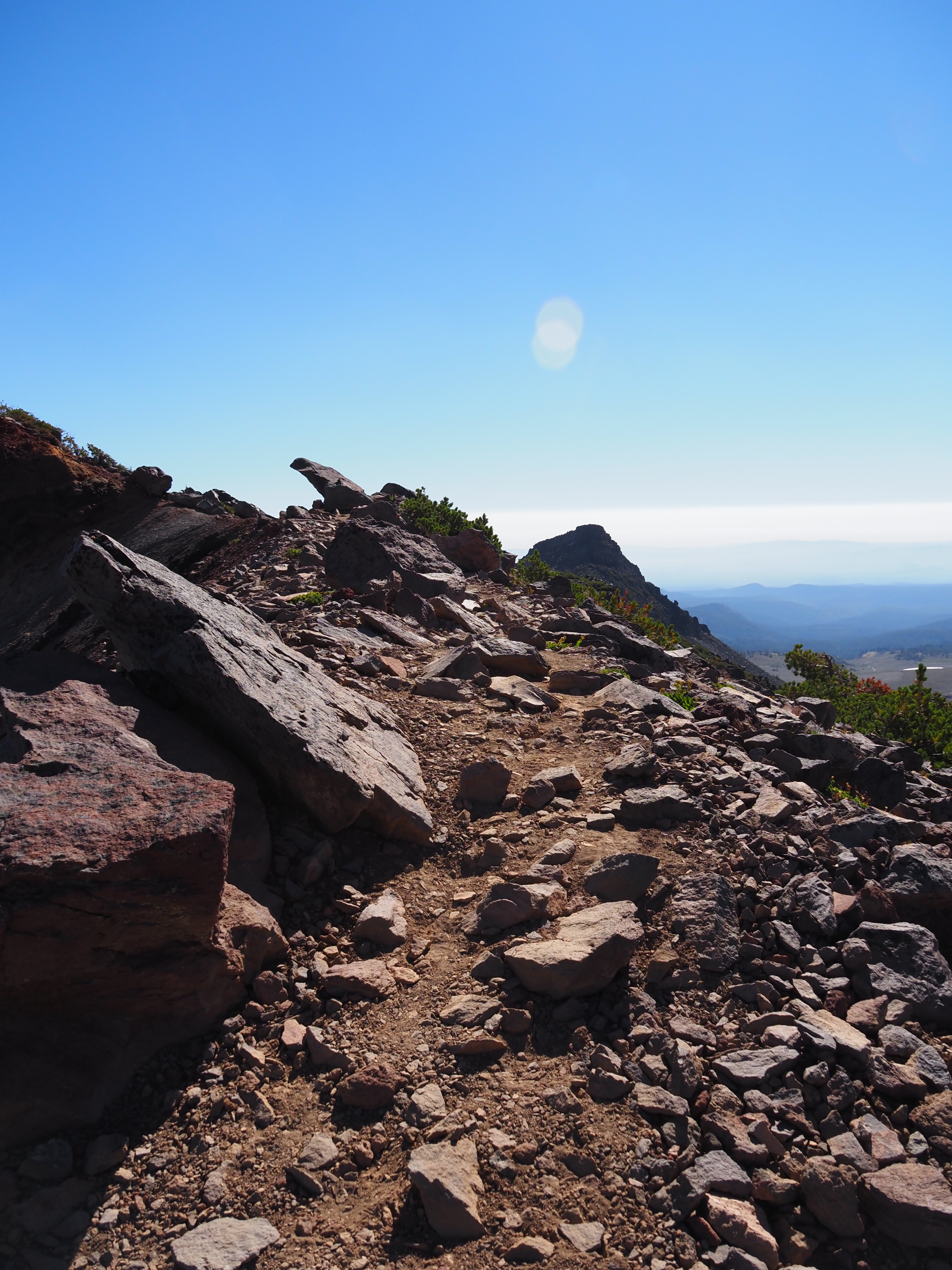
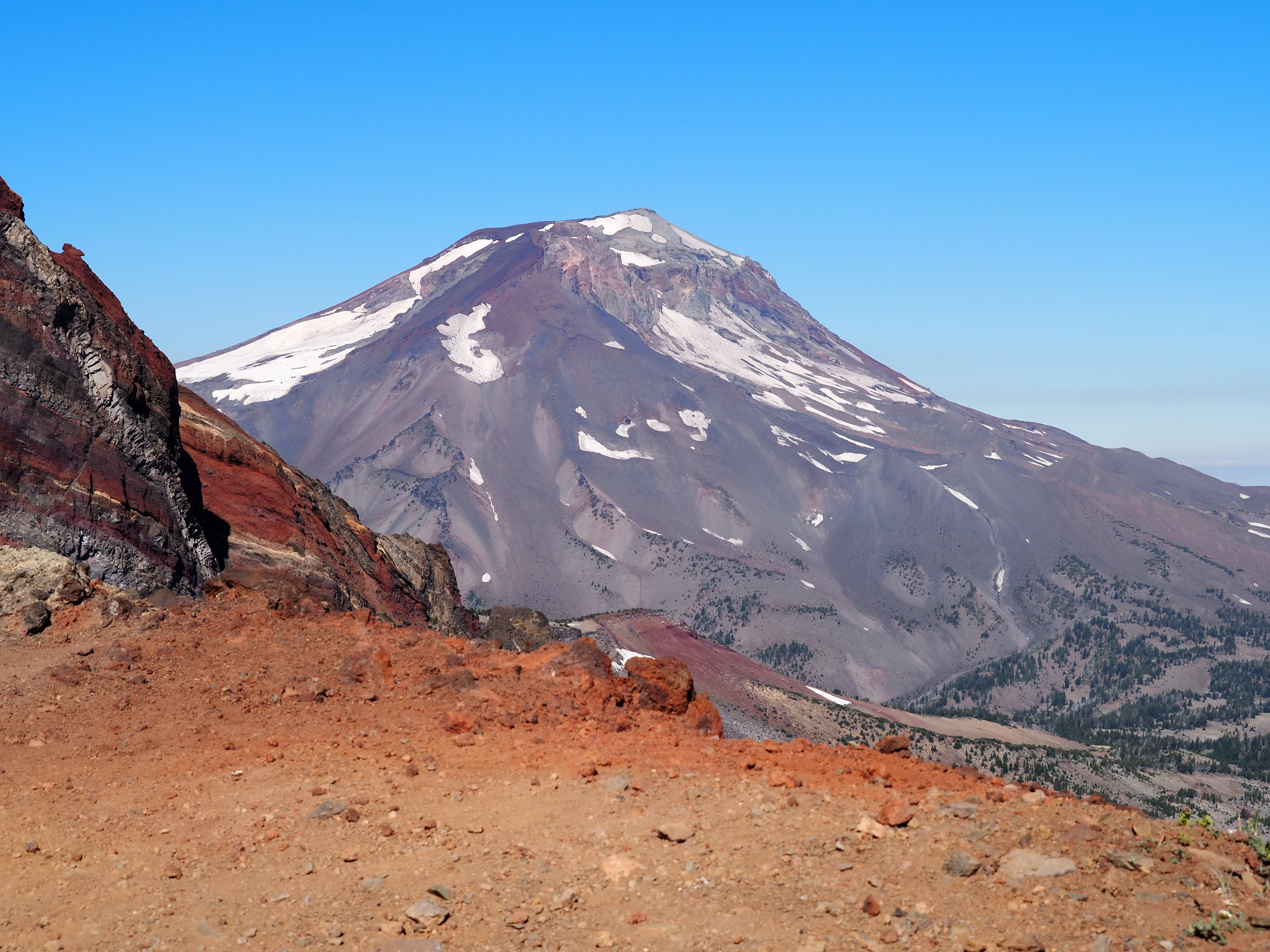

Day 4: Pacific Coast Trail & Belknap Crater
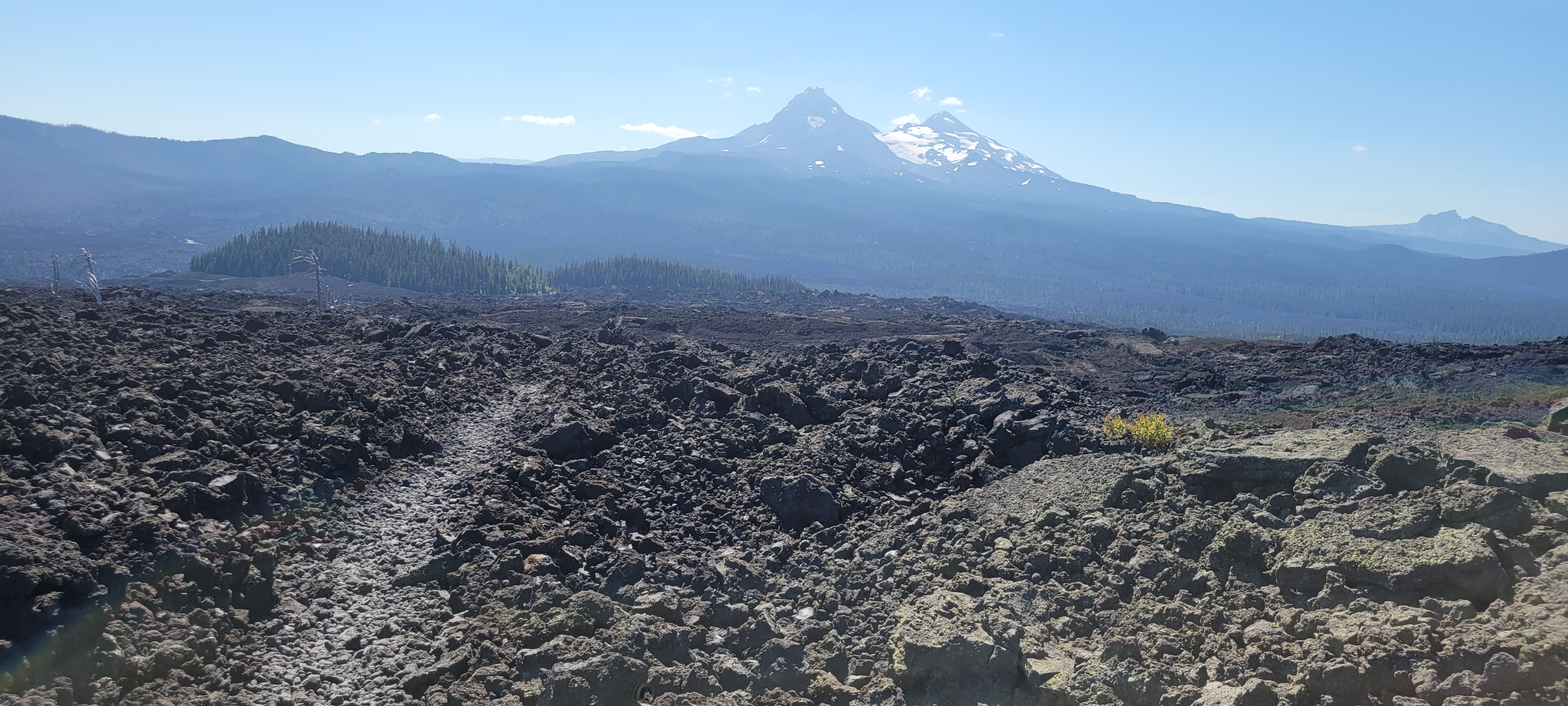


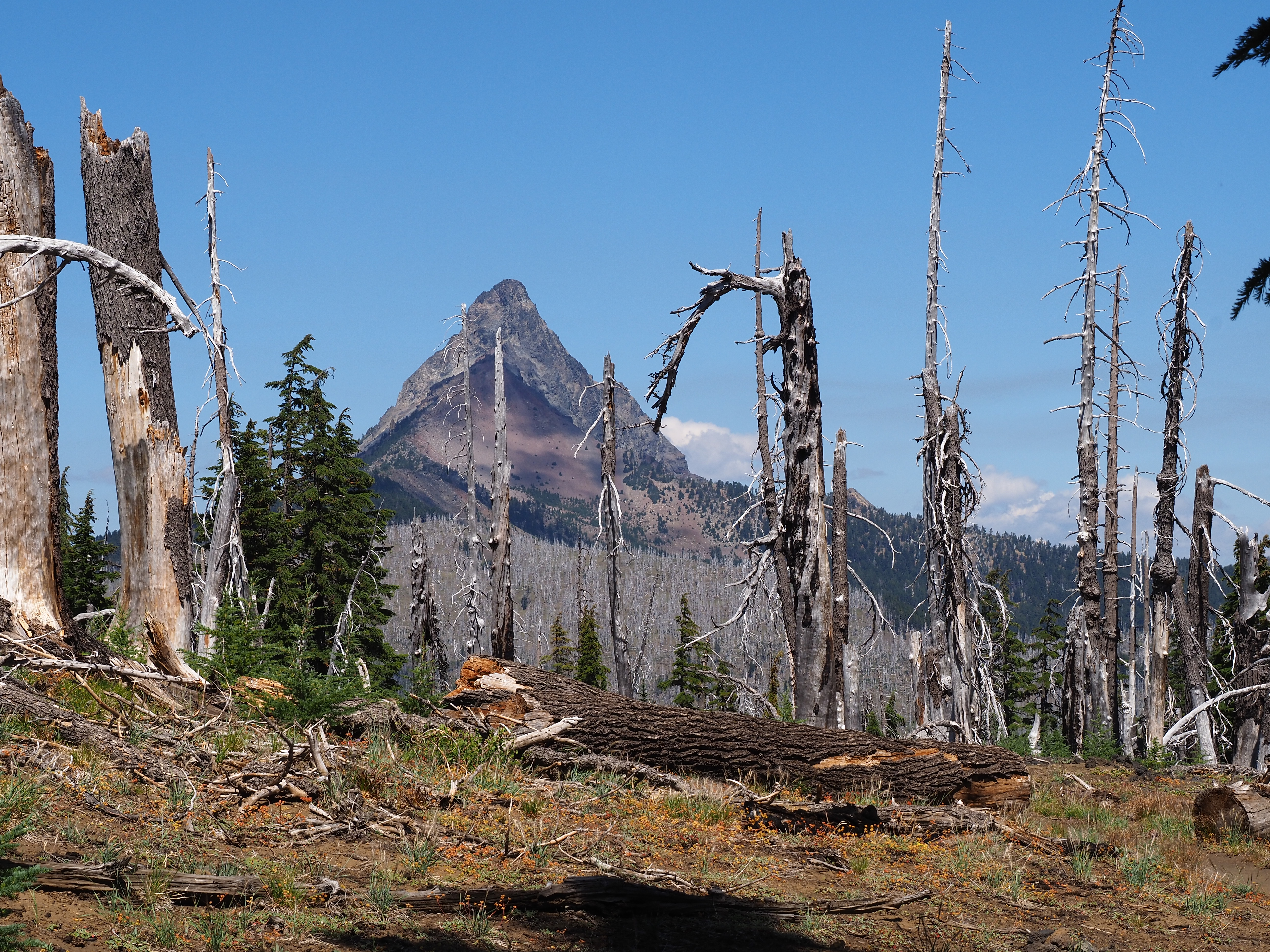

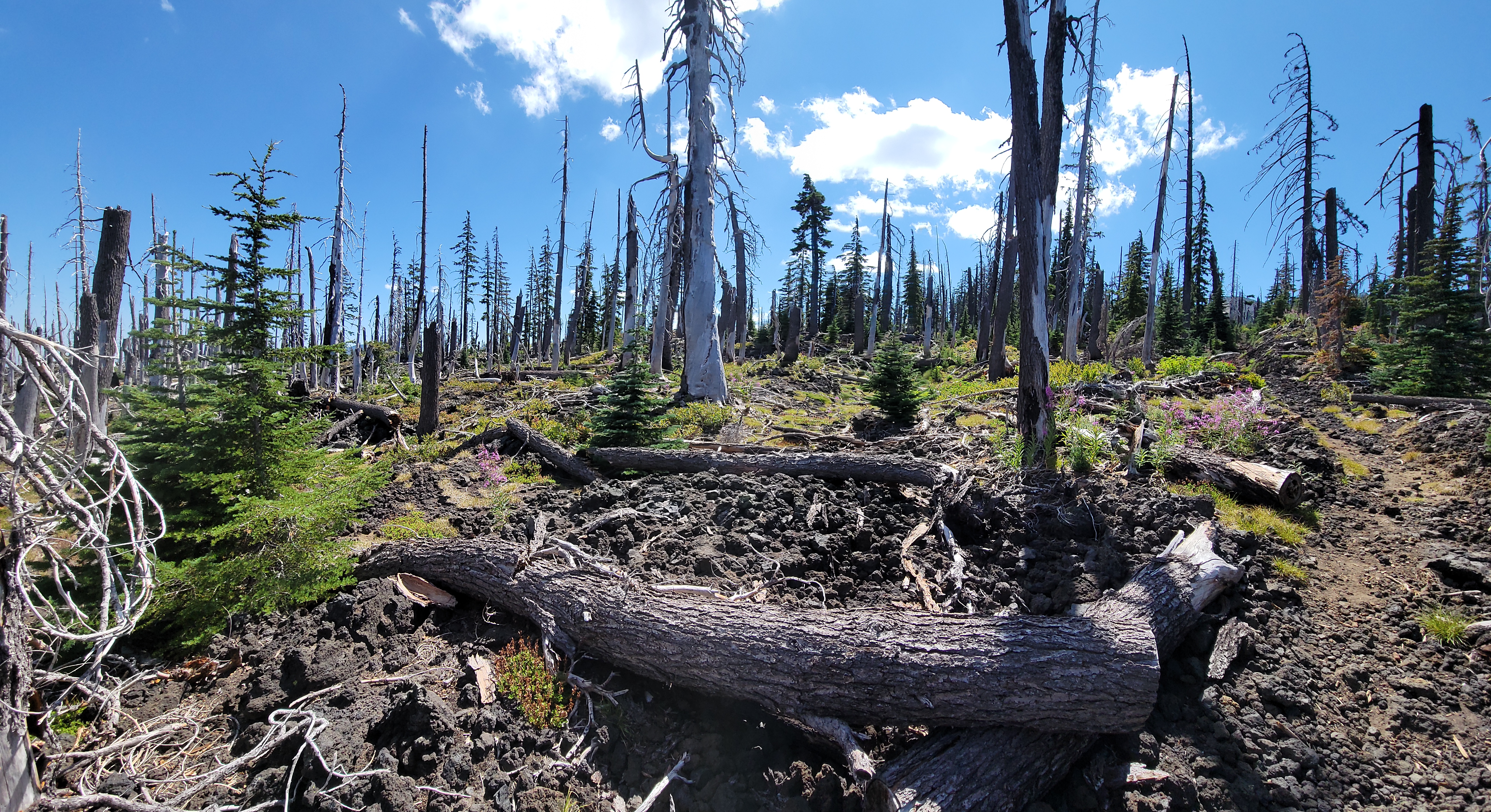
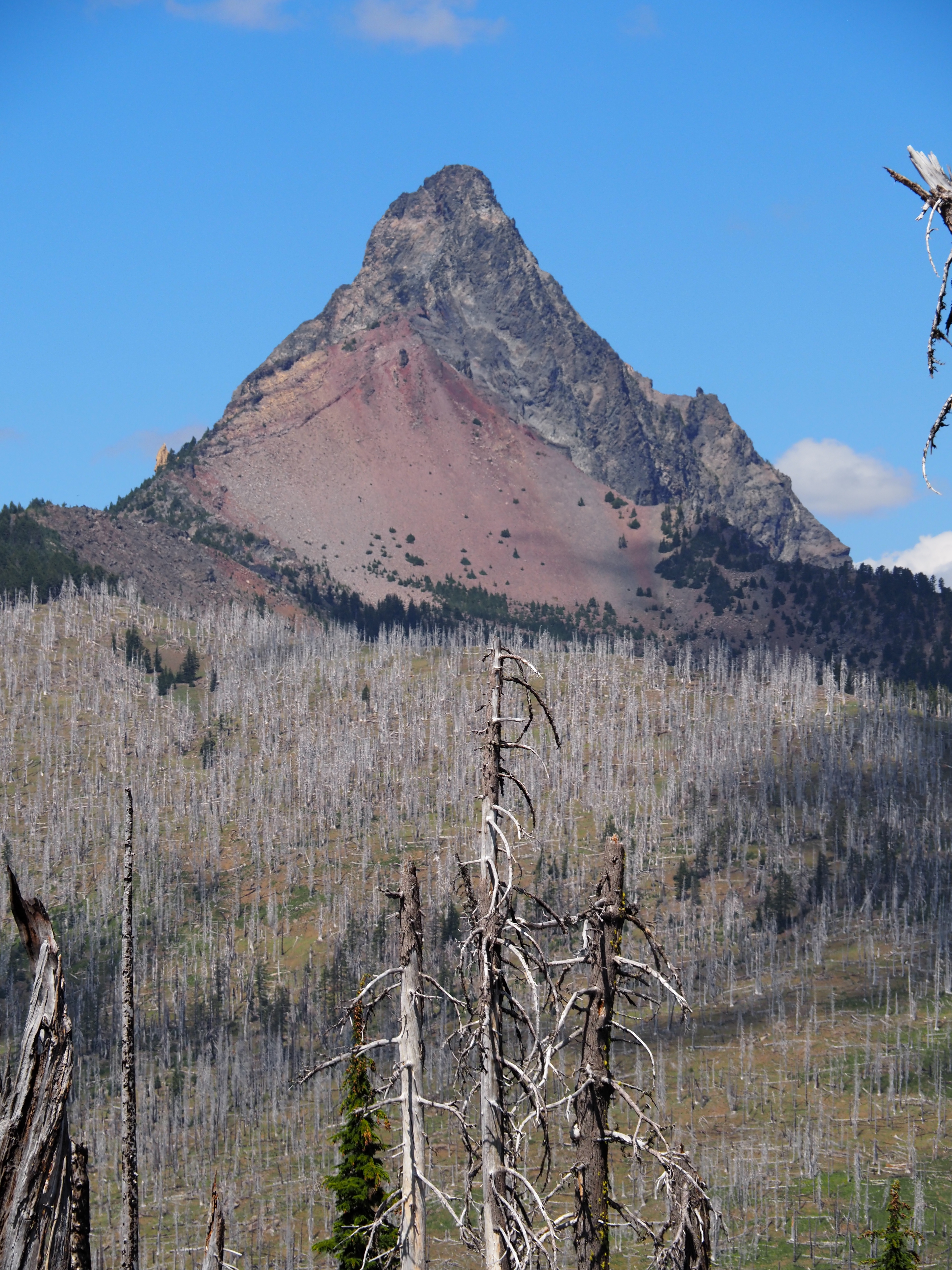

This hike began on the Pacific Coast Trail, just below McKenzie Pass. Again, it’s almost impossible to describe the landscape beyond saying it looks like an ocean of lava; or perhaps a river in flood might be better.
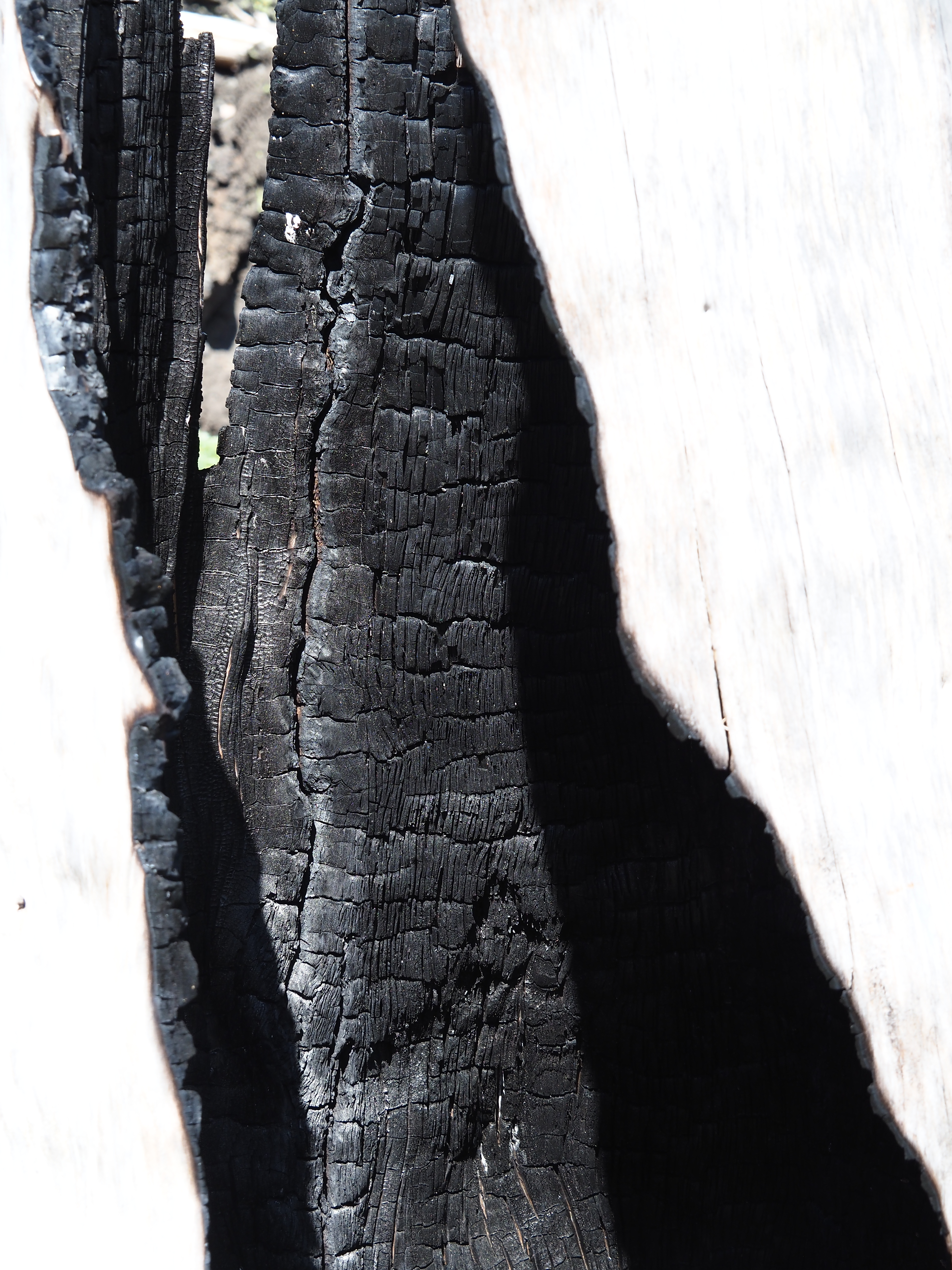
After walking a trail through the lava field for about an hour, you come out on a landscape wildflowers and pine forest. And then abruptly, the live trees give way to a vast area of forest recovering from extensive fire damage. The trail leads through this towards the Mount Washington Wilderness, which sort of looks like a less snowy Matterhorn.

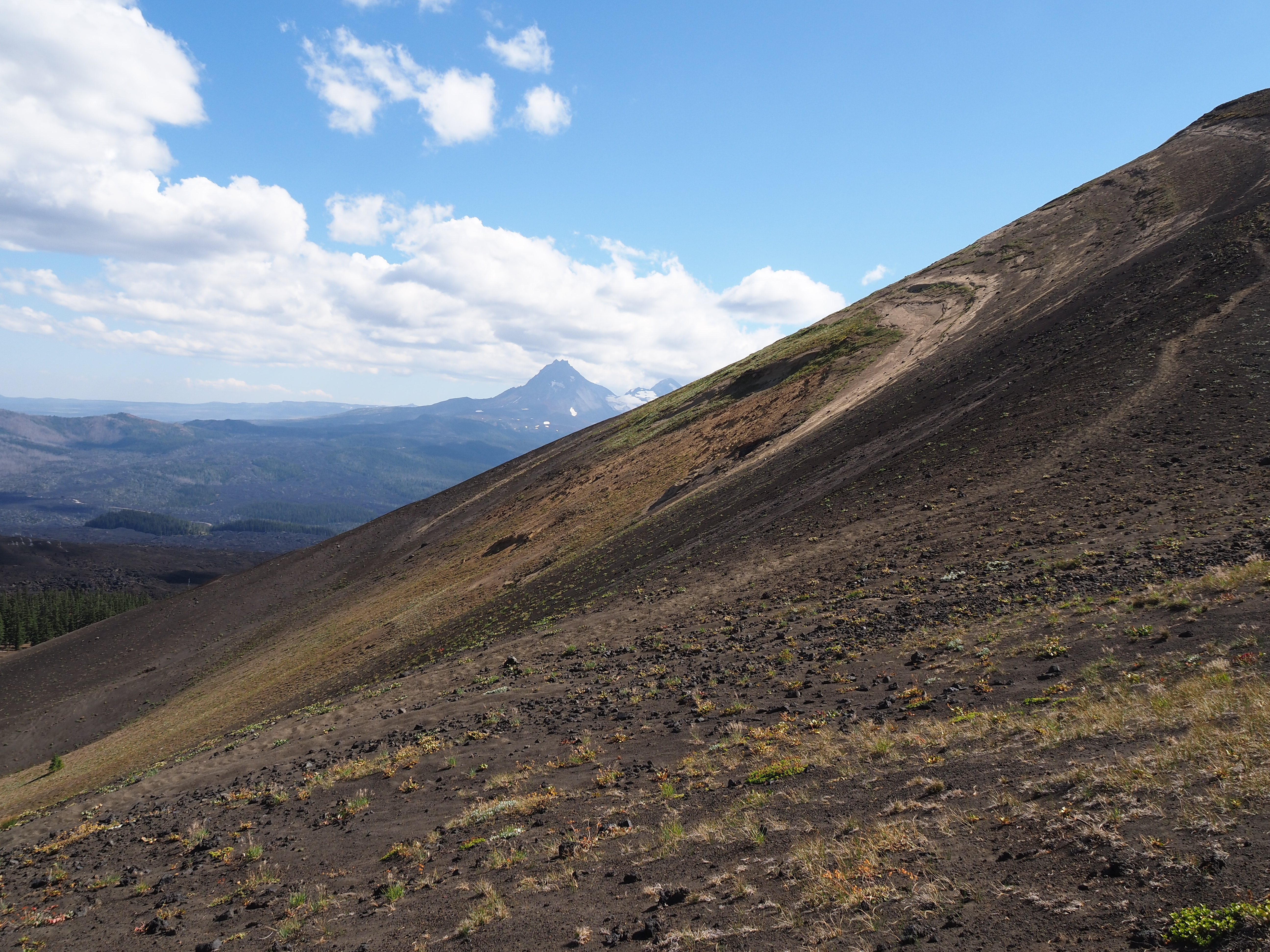
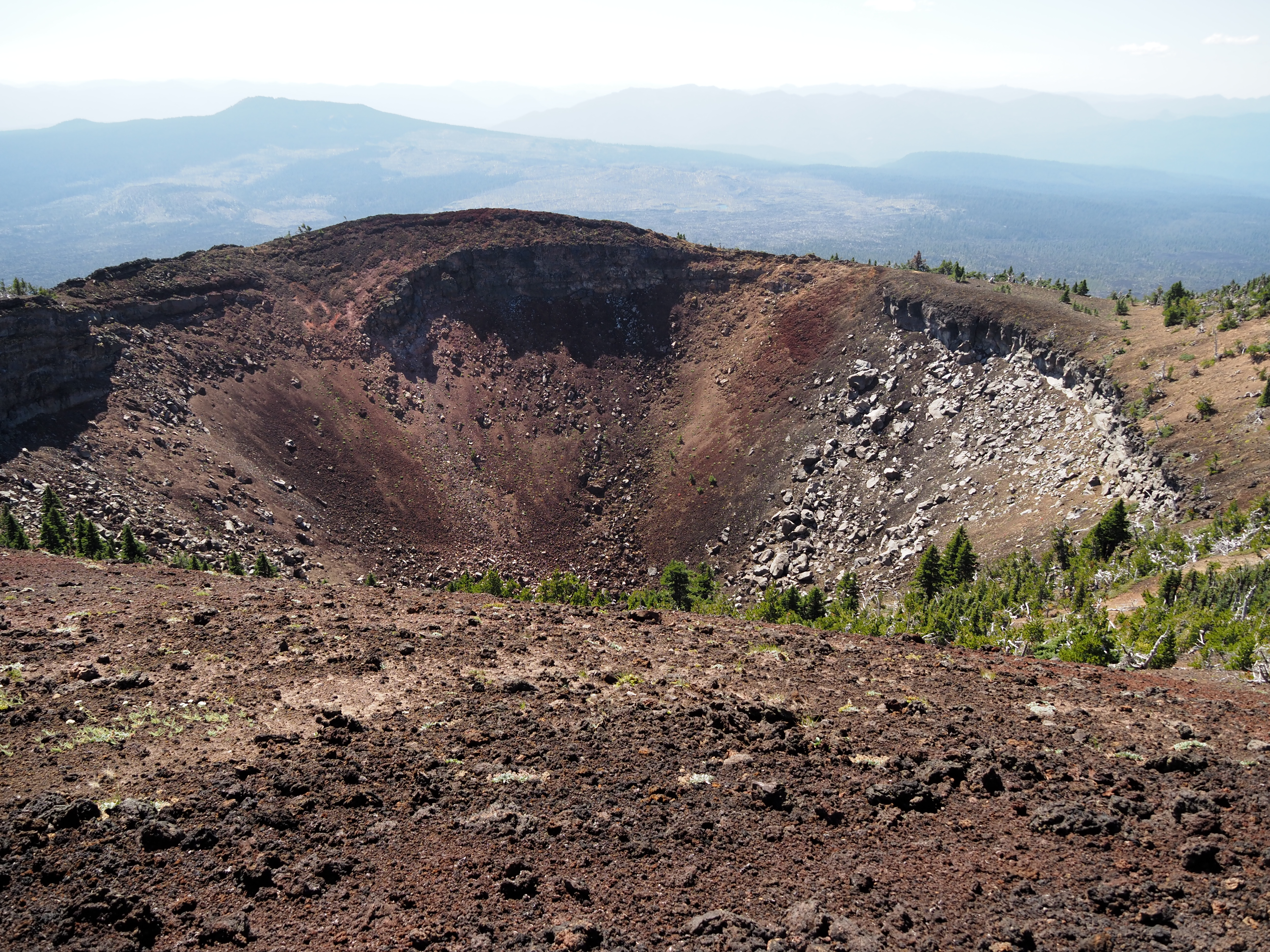
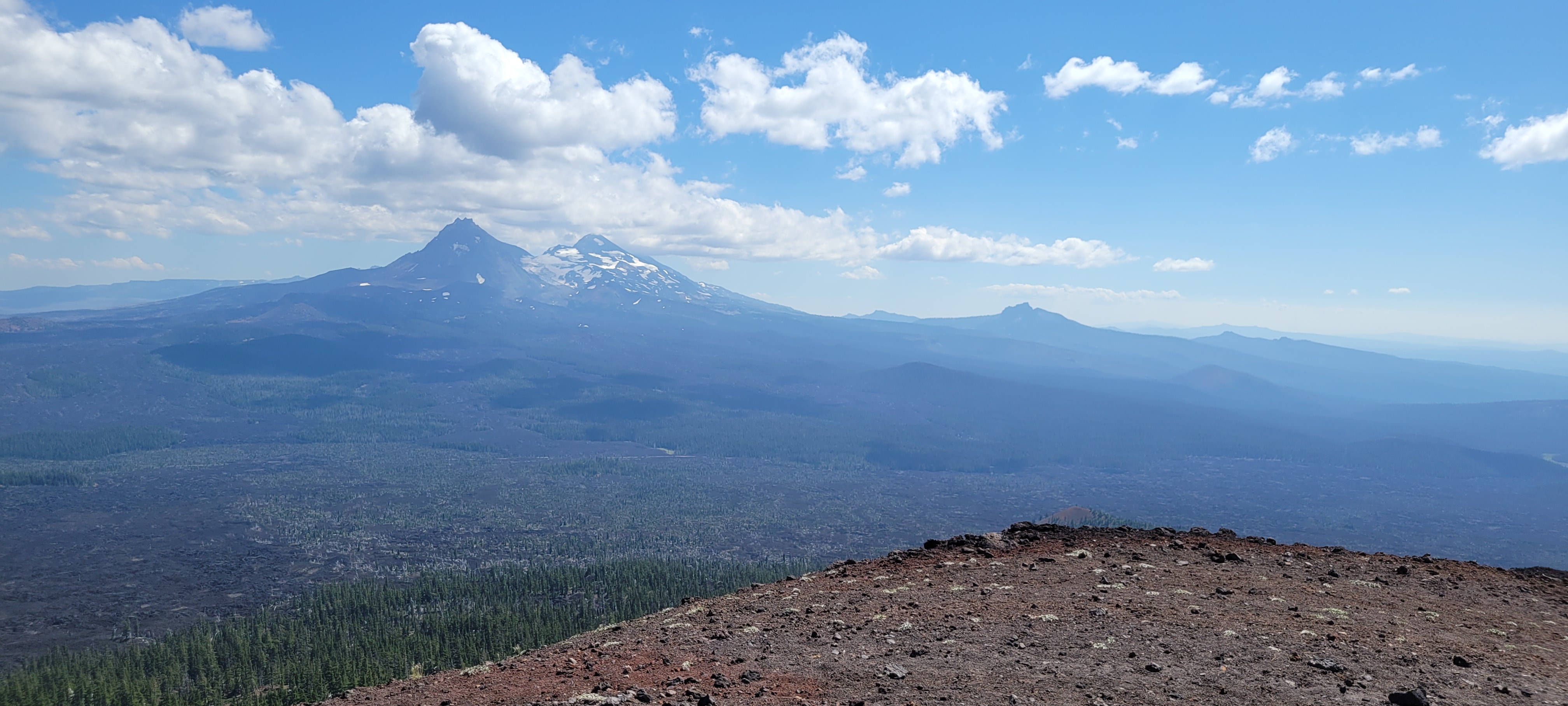

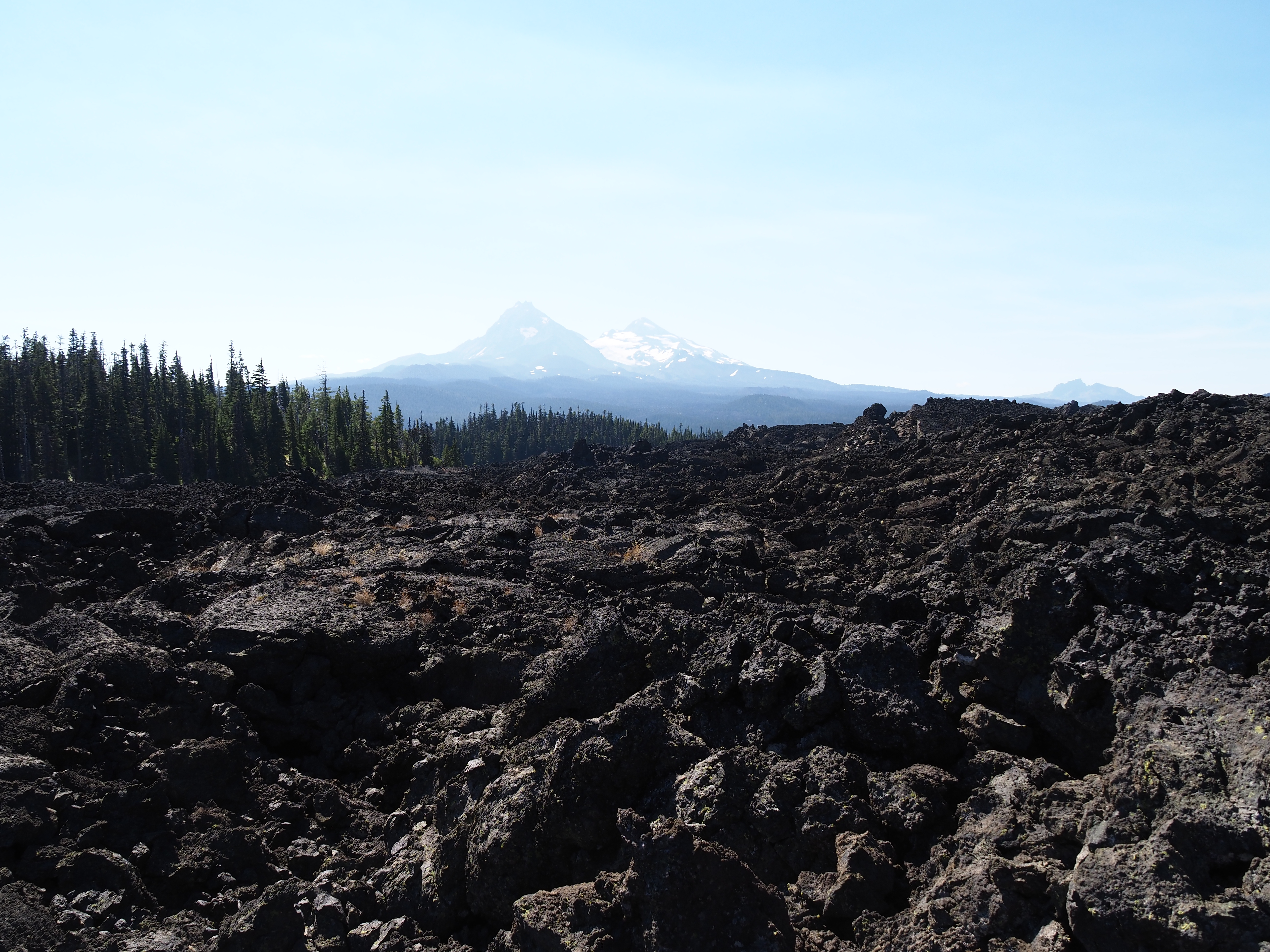

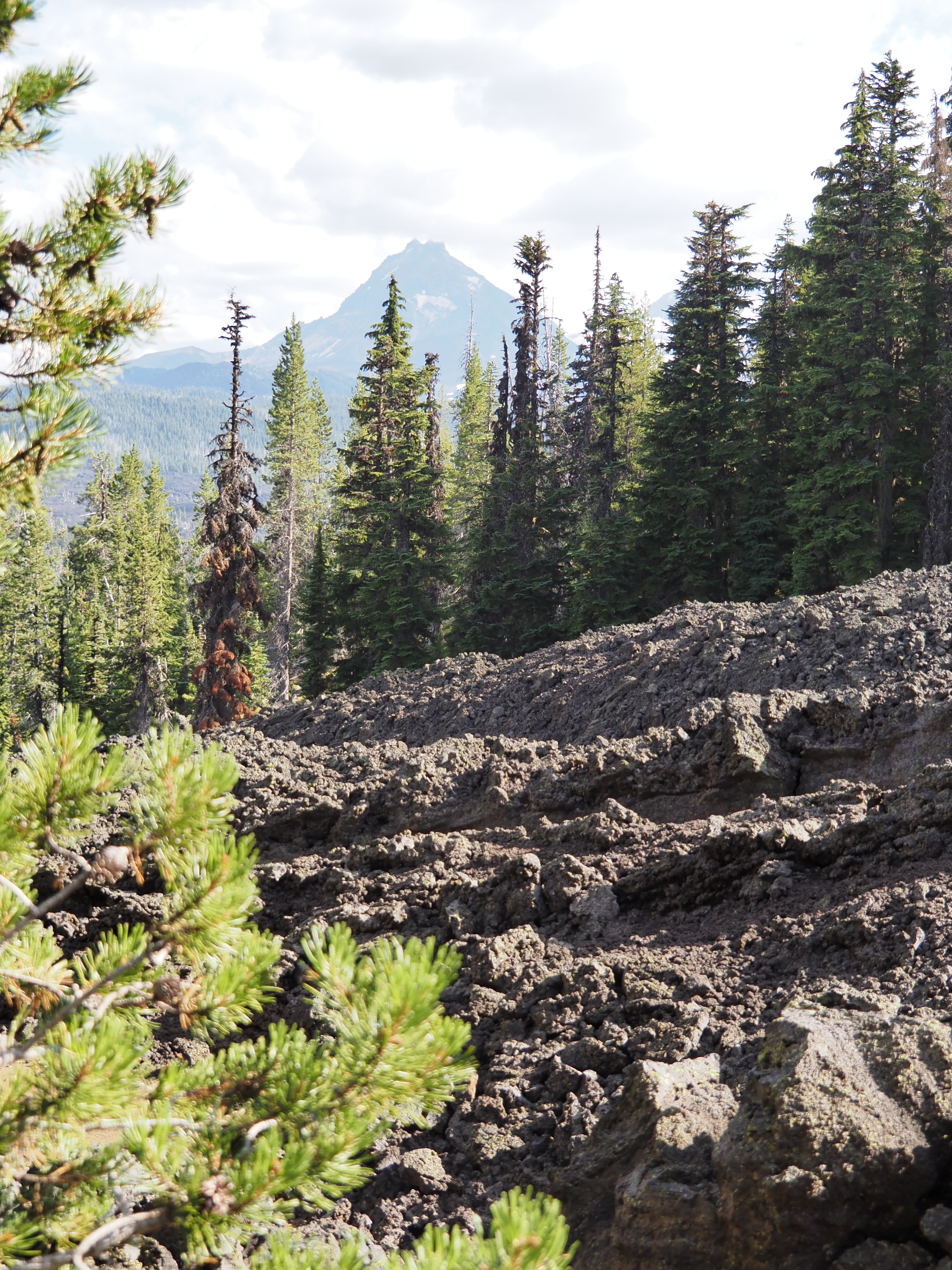
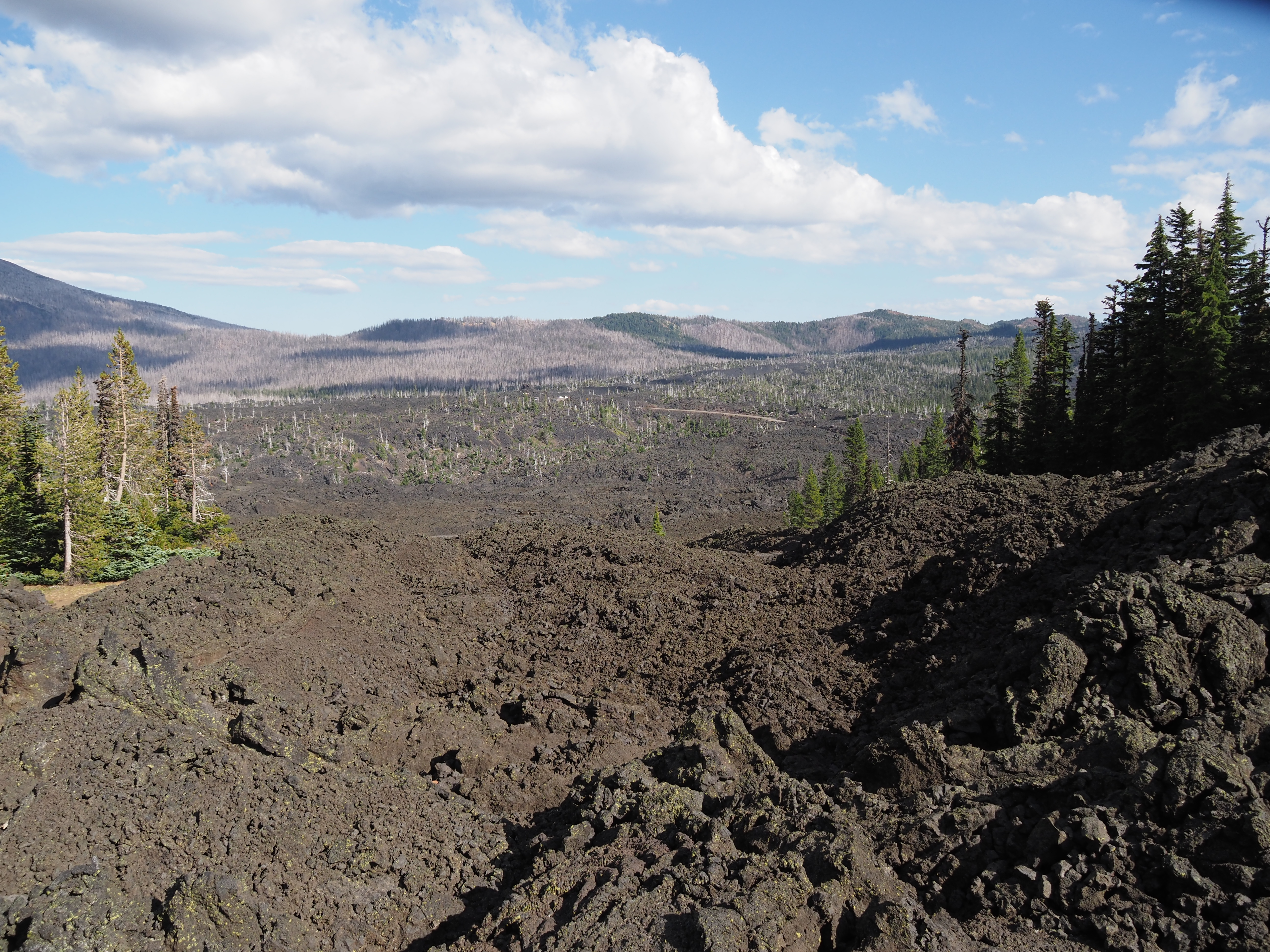
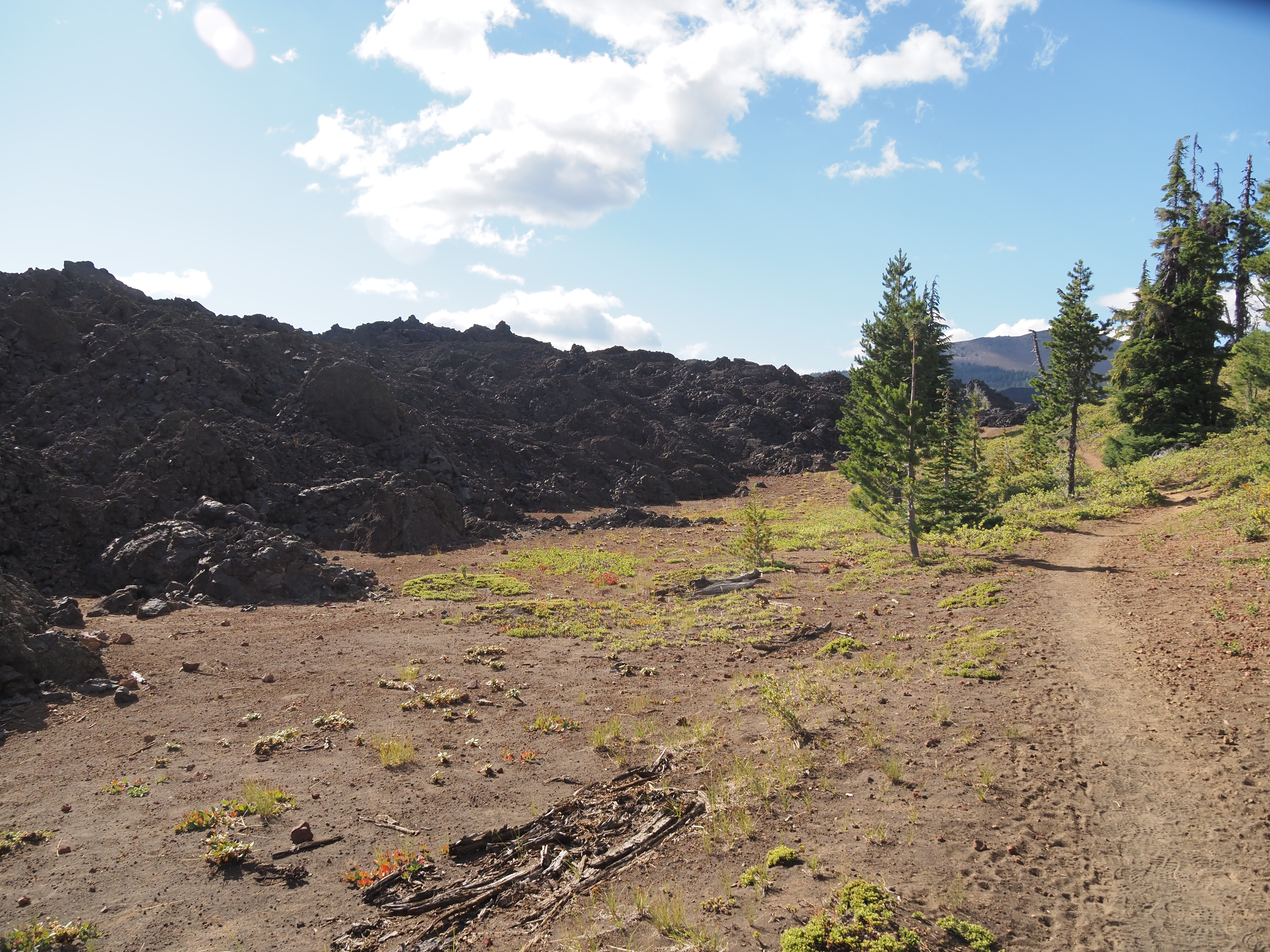

The Belknap Crater is an extinct volcano which rises a couple of thousand feet above the lava field, on the west side of McKenzie Pass outside the town of Sisters, Oregon.
 Out of the Wilderness
How wonderful you have this opportunity to fill your memory bank
Thoroughly breathtaking! However, my feet don’t hurt!
Thanks for the glorious views of our west!