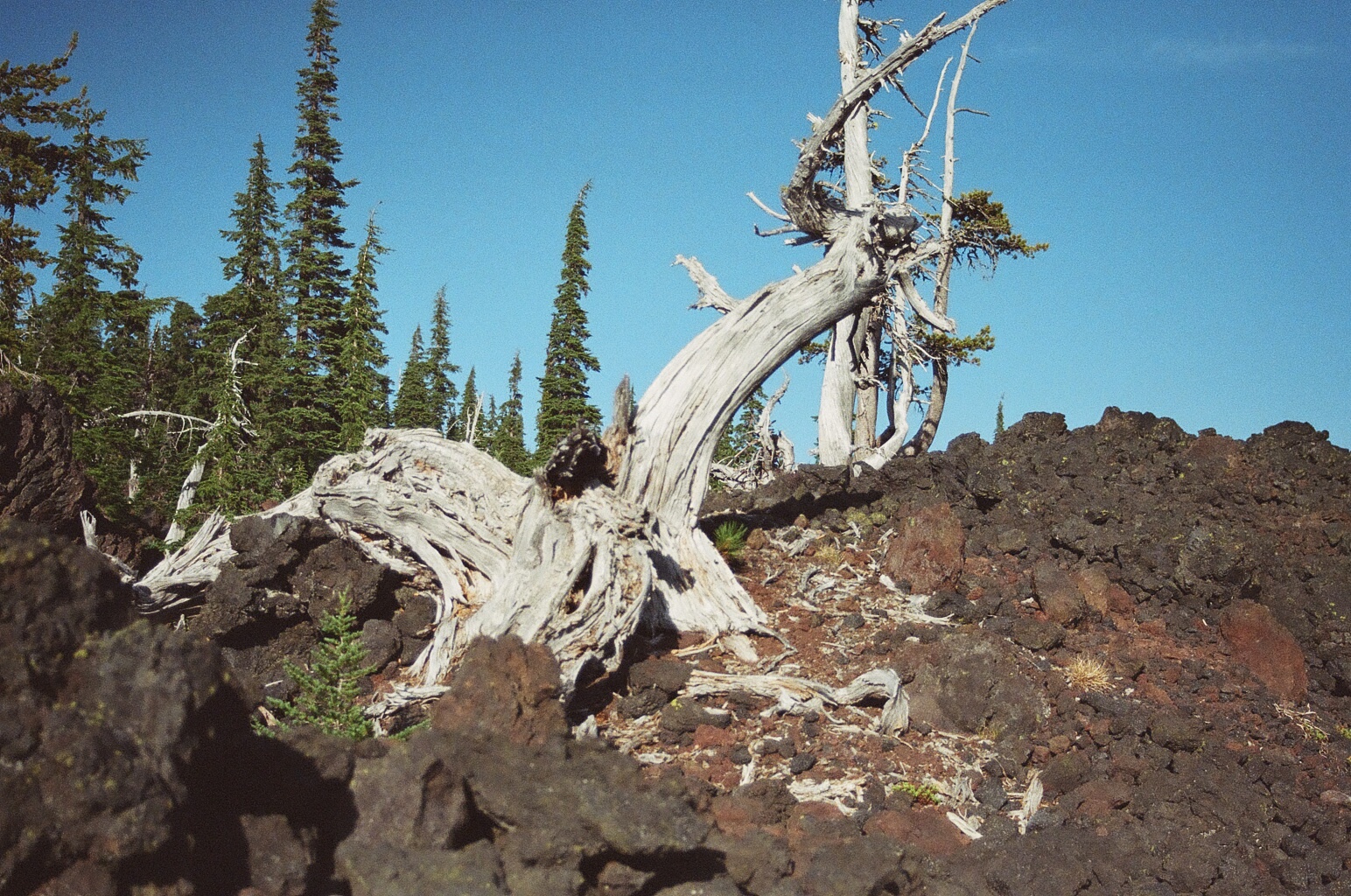
 It is in vain to dream of a wildness distant from ourselves. There is none such. It is the bog in our brains and bowels, the primitive vigor of Nature in us, that inspires that dream.
Thoreau
Why “Out of the Wilderness”?
In large part because that it where biblical faith is shaped and formed. I can think of no other landscape more central to the narrative of both the Hebrew Bible and the New Testament than the “wilderness.” In the Hebrew tradition, it is a place of preparation and refinement; a place where the people of Israel encounter God and are shaped by God’s presence in their wandering.
In the New Testament, the wilderness is again a place of formation, the landscape of preparation in which Jesus encounters and overcomes temptation.
Wallace Stegner understood it to be the ‘challenge upon which human character is formed.’ In my own experience, wilderness has always been that physical space that forces me to relinquish my hold on easy certainties and the comfort they tend to bring. For me, the wilderness has always been that place that shocks me out of my sense of complacency and forces me to see the through the world from a perspective other than my own.
Wilderness may also be that place where we reach for that understanding or anticipate that revelation that always seems to lie just beyond our grasp, the vision just beyond the reach of our imagination. Edward Abbey wrote something like that about the wilderness; that it represented the hunger that just couldn’t be fully satisfied.
I imagine the life of faith as very like a hunger that we yearn to satisfy, but whatever satisfaction or fulfillment we enjoy may rest in the hands of something greater than ourselves.
Then there is the matter of exile; that other powerful theme of scripture. I cannot help but read the Hebrew Bible and see imprinted in so much of its stories and poetry and law codes and theological histories the experience of exile in Babylon. The experience of having lost everything of value: land, temple, the surety of divine protection, and then to be carried into captivity is a trauma beyond the reach of most of our imaginations. And yet, out of that experience came an understanding of God that continues to shape a future for God’s people. It may not look like the future we envision for ourselves; but it is there nonetheless. In the embrace of that future lies the blessing of biblical hope.
Thank you for reading; and may the Peace of Christ be with you and lead you.
 Out of the Wilderness