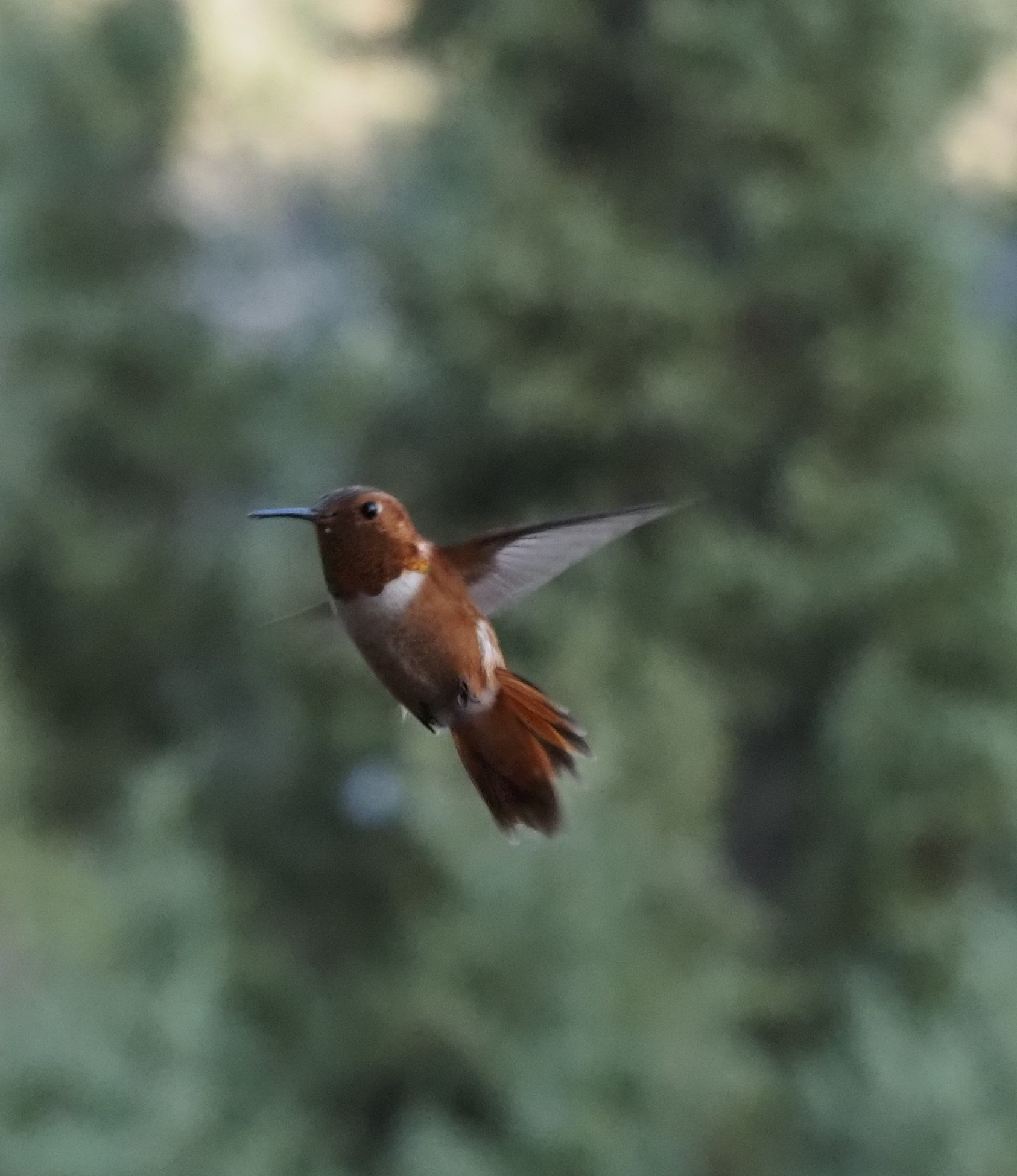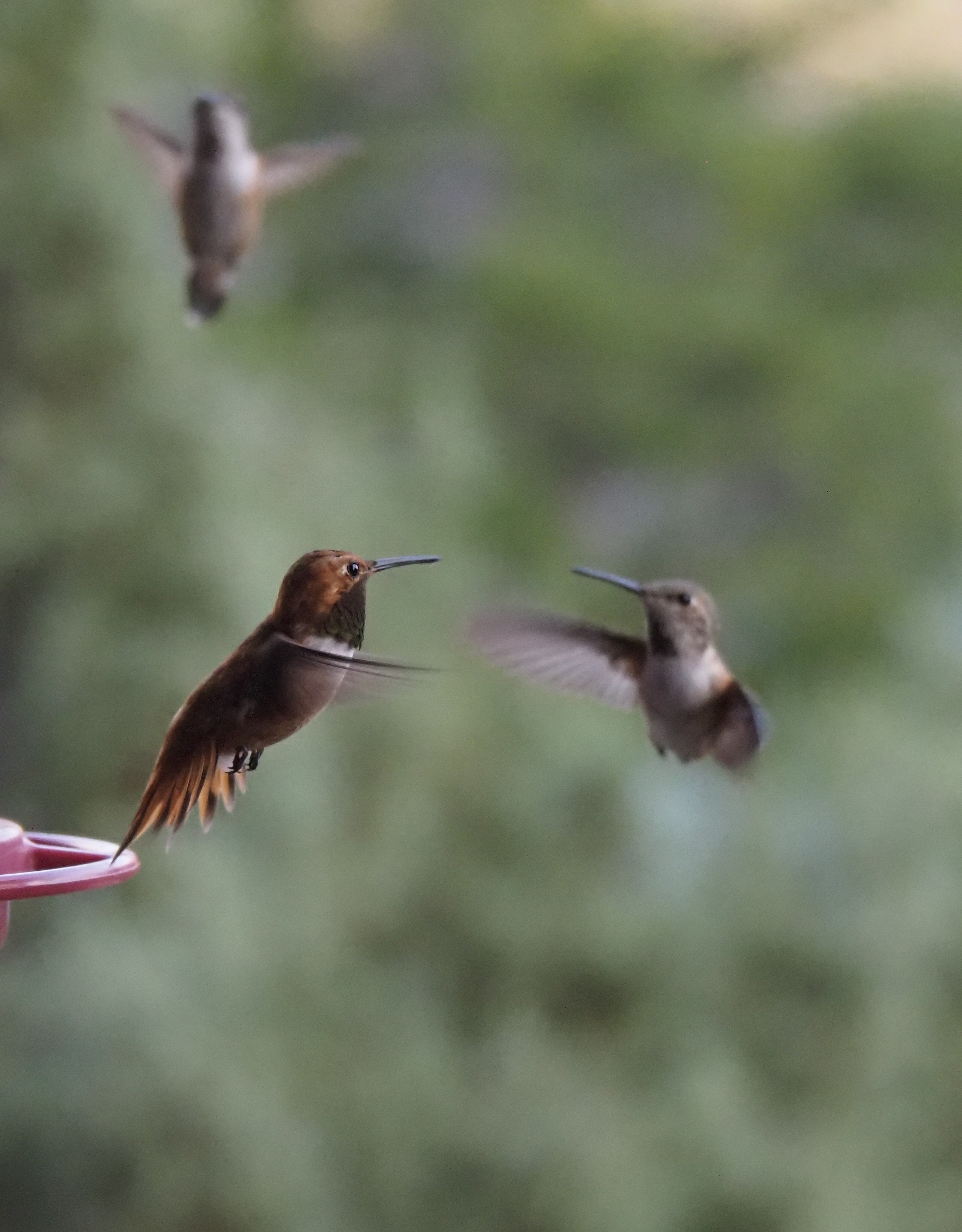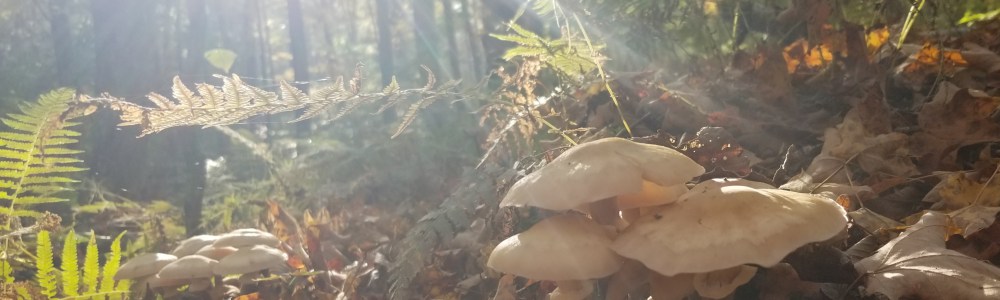
Finding a Familiar Path

 The thought came to me in early spring. I should find a place not previously known and come to know that place as well as time and circumstance would allow. By then Easter had come and Easter had gone, and with it the vaporous hope that COVID would soon pass into memory, and all now suspended, disrupted and confused would resume. We would all soon be back to work.

 It was still early enough in the plague years to imagine such things, to beleive that ‘normal’ could return. Maybe in some better, healthier form: Habit could be re-ordered and Routine bent to something better fit for human purpose, human flourishing. But in those first few weeks, there was little doubt that the fever would pass and life would resume.

   In the meantime, a place to walk in quiet and solitude seemed to fit the moment, to offer some respite from the growing sense that COVID would not soon be done with us, that our initial acquaintance would grow into something deeper and far more unsettling than anything we had previously known.

  With all this not so much in mind, or even coming to mind, I chose a small trail system, a three or four mile loop in the Killingworth woods and began to walk.

For the first year or so, I made a point of walking the trail three or four times a week. The trail’s design is masterful. It runs through marsh and forest, climbs over rock ledges and drops into ravines, all tightly coiled into a couple of square miles.

   It seemed to me at the time that there was an obvious advantage to starting in the spring. At a time when the world seemed to be retreating into dormancy, the woods were coming into bloom. An ironic progress, to be sure; but the movement from the quiet, stillness of barren woods to the full bloom of spring carried some hope for a still greater rebirth.

  Still, there was something in the cycle of growth and decline, something genuinely graceful in the nature of woods. They know their seasons. Untroubled by the fall, they know spring will come.

  This, I suppose, is the blessing that comes with a season spent dormant: to be free from the straight-jacket constraints of usefulness and growth for their own sake, for productivity that acknowledges no season, no limits, no rest. This is the grace found in small things, in a world unhurried and unharried, in mosses that are both delicate and tenacious, in the splendor of sunlight and the immutability of rock. In every step a reminder that there is something in the life around us that awakens a sense of hope.

  Years ago, I stumbled upon a verse from T.S. Eliot, I think. ‘We shall not cease from exploration,’ he wrote. ‘And the end of our exploring will be to arrive where we started and know that place for the first time.’

  Something about this verse has stayed with me over these past three years of walking in that wood. It speaks to something else Eliot wrote, that every beginning is somehow an ending as well; that despite our desire for permanence, for rootedness, we are perhaps nomadic and migratory at heart. We set out to explore and discover and to make a home of where the trail leads us; to know that place deeply enough to meet the uncertainty of this season with an assurance that just as there was a time before COVID, there will come a time when it is gone. I remain as certain of that as I am that mosses stay green in January and that life will always return in the spring.

Sabbatical Notes 5

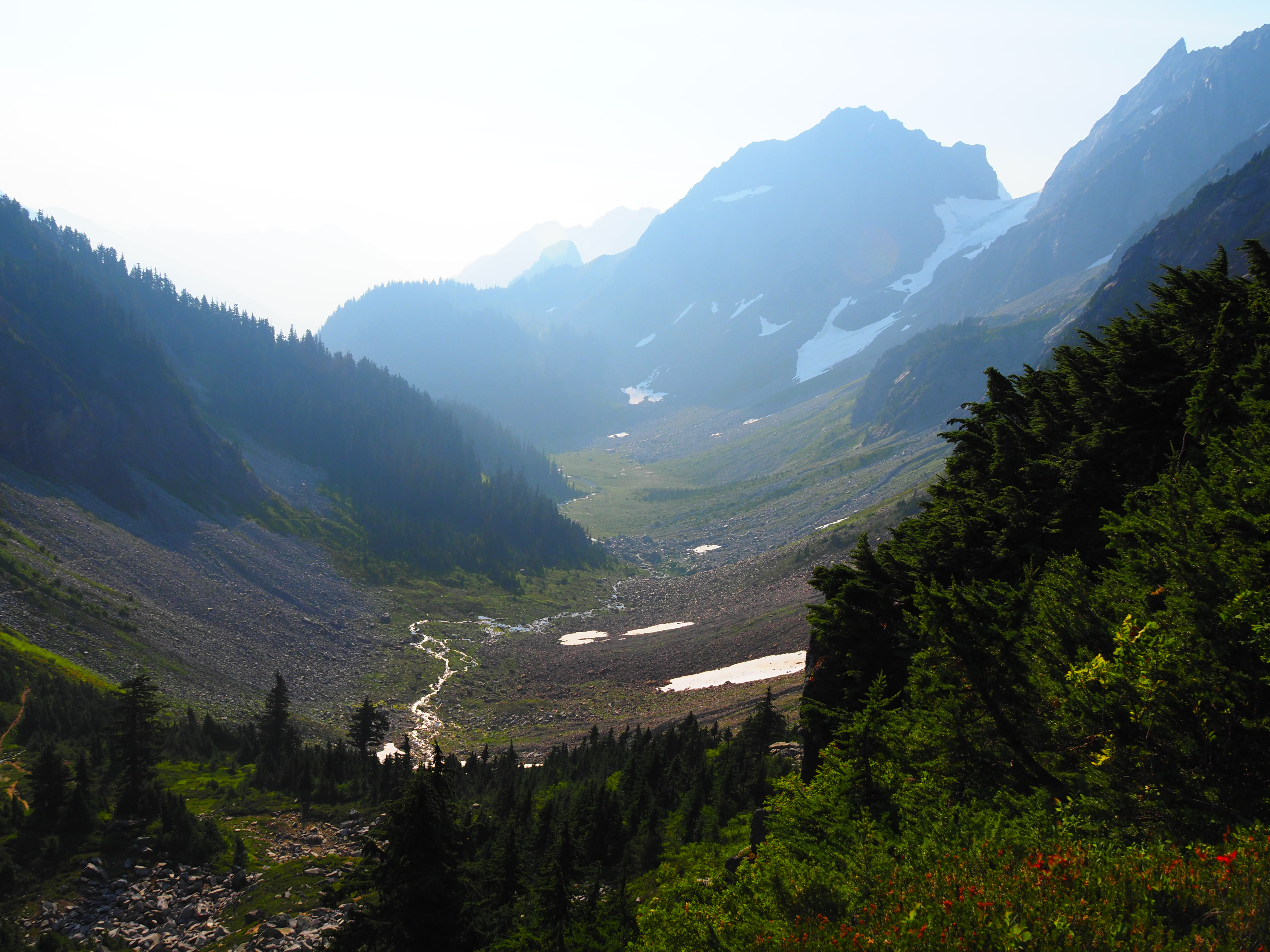
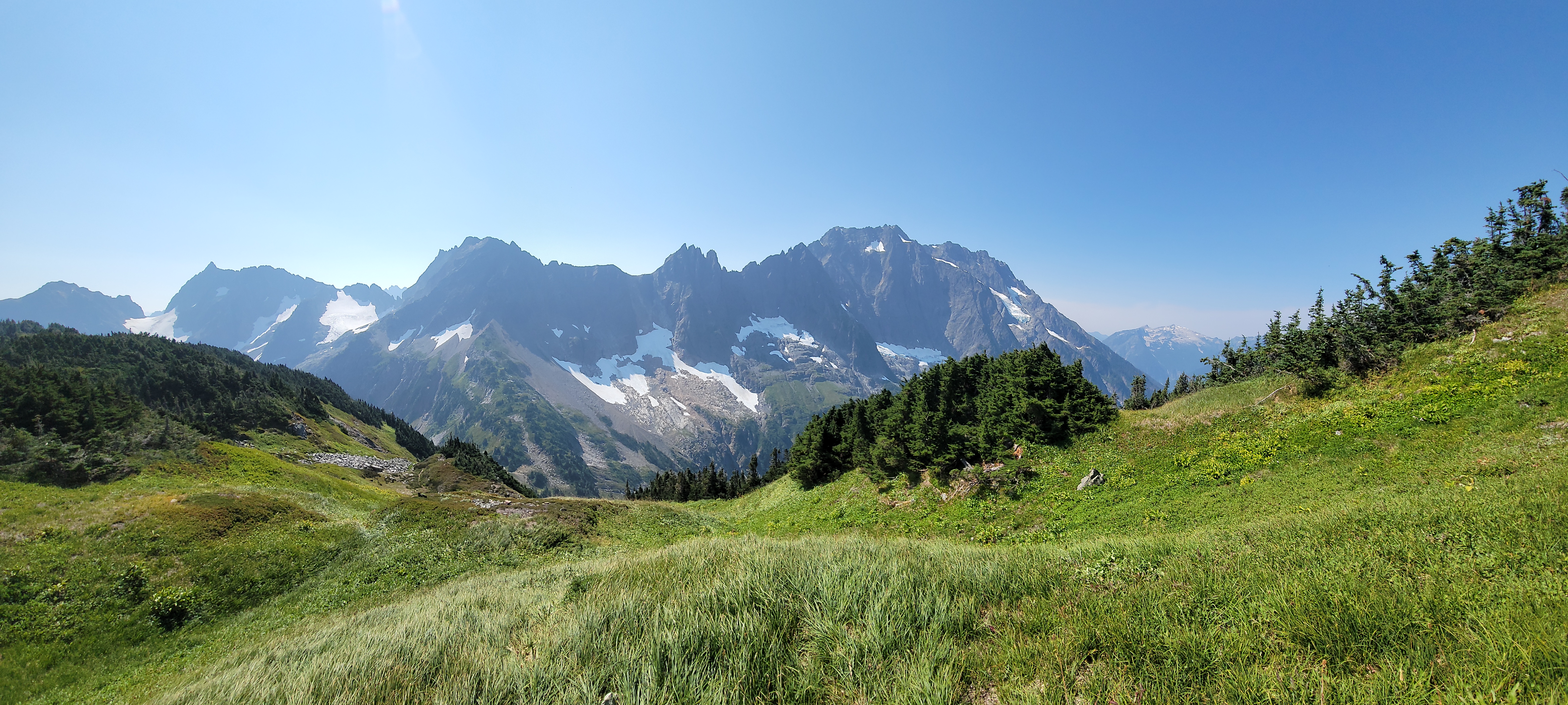
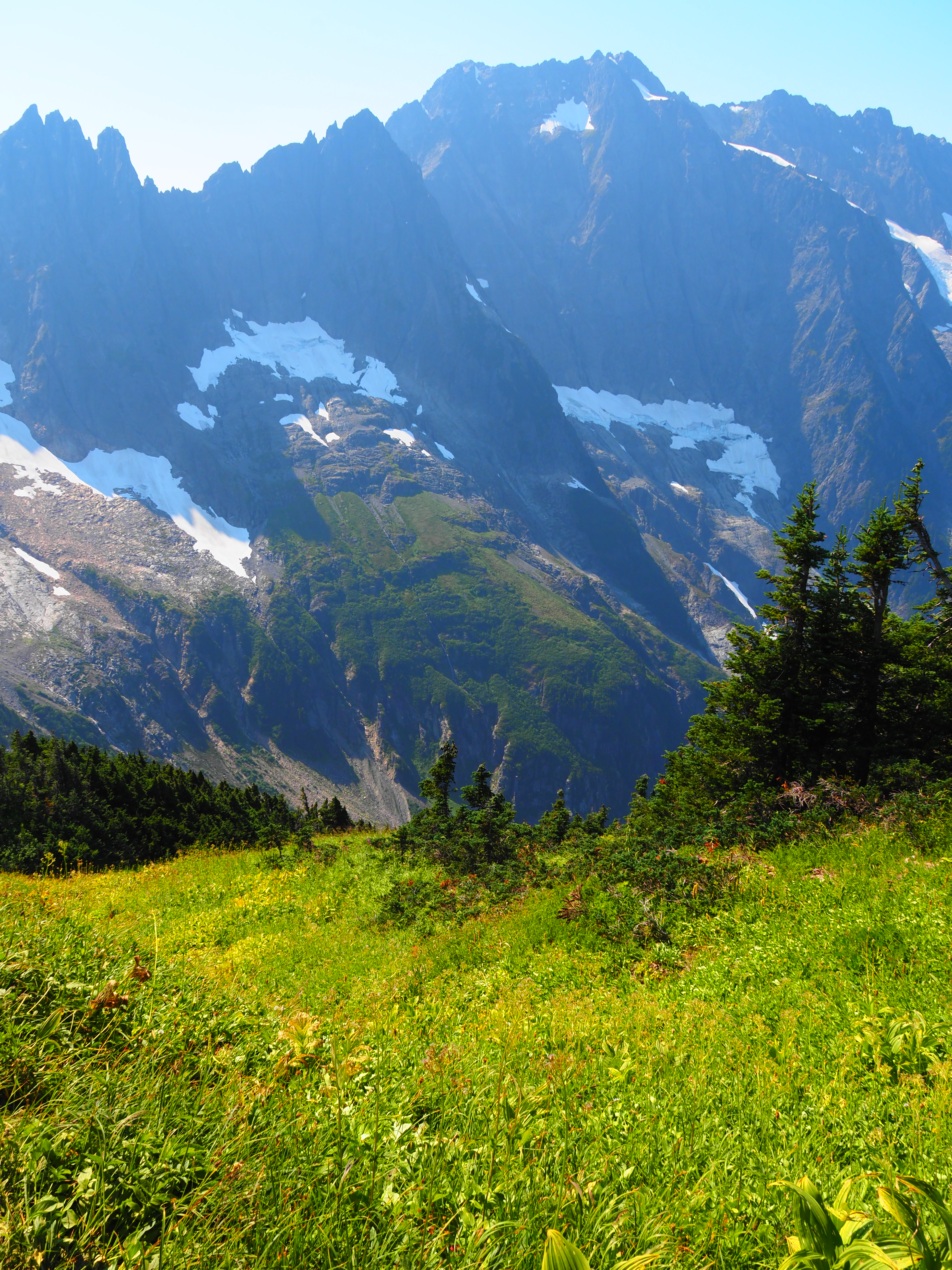
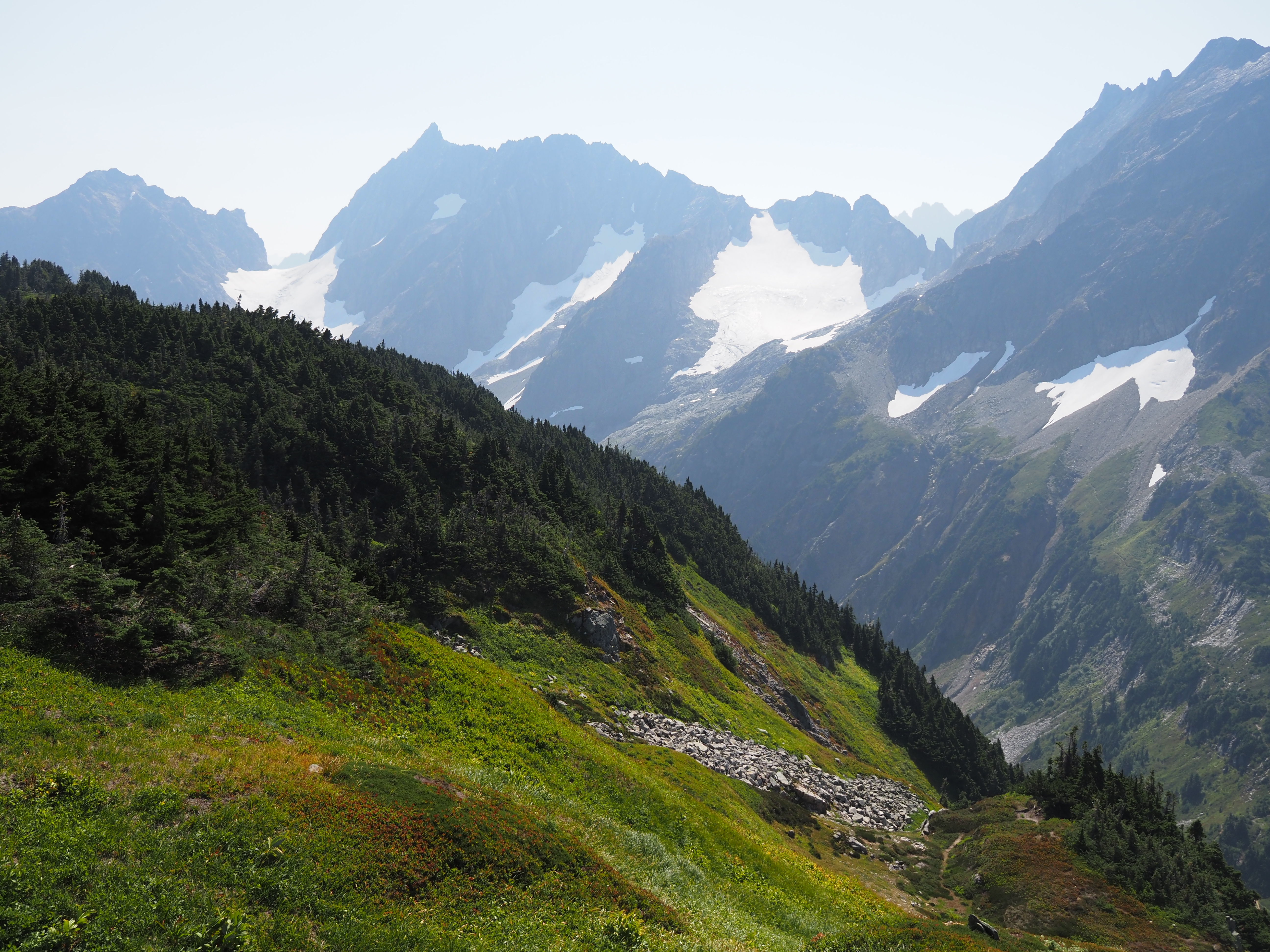
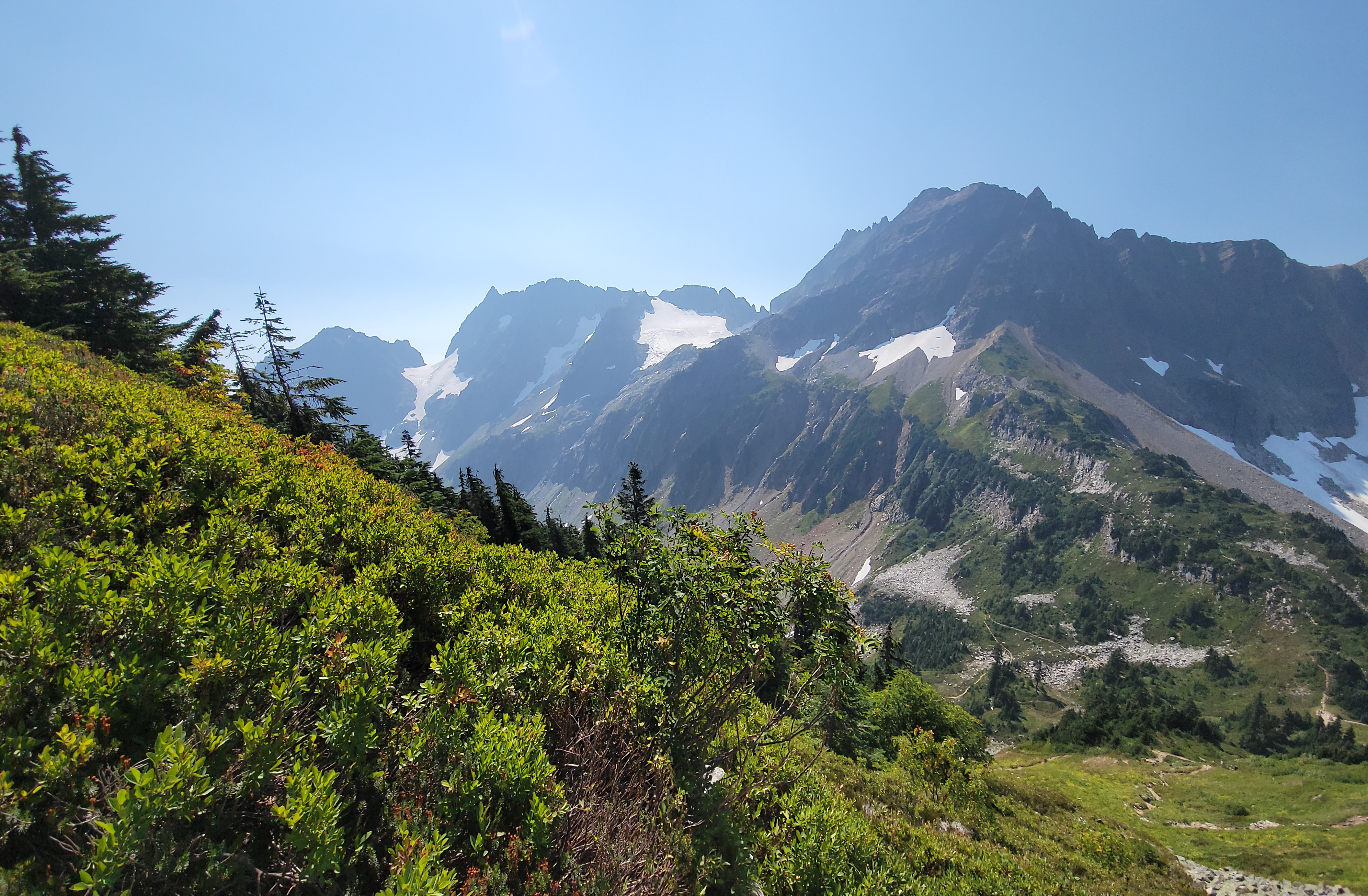
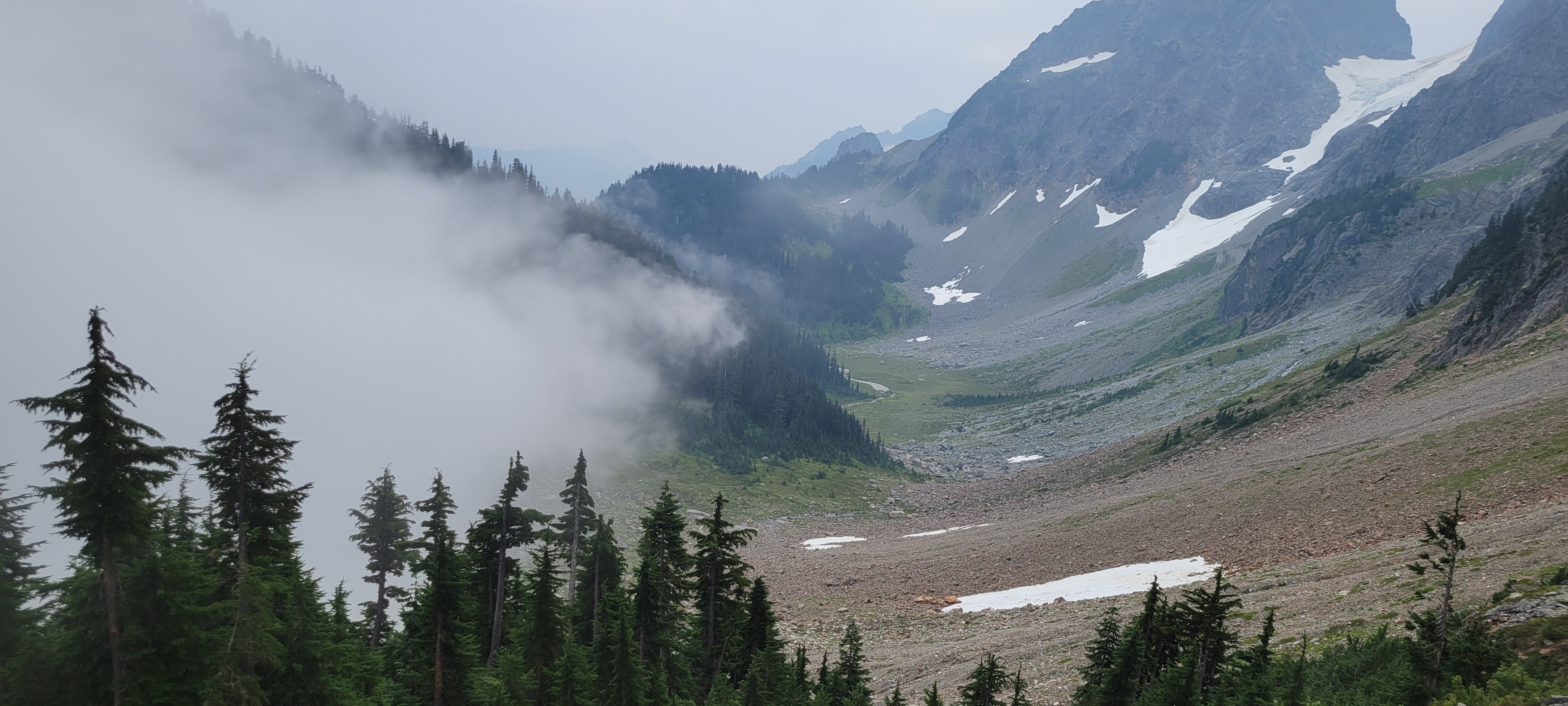
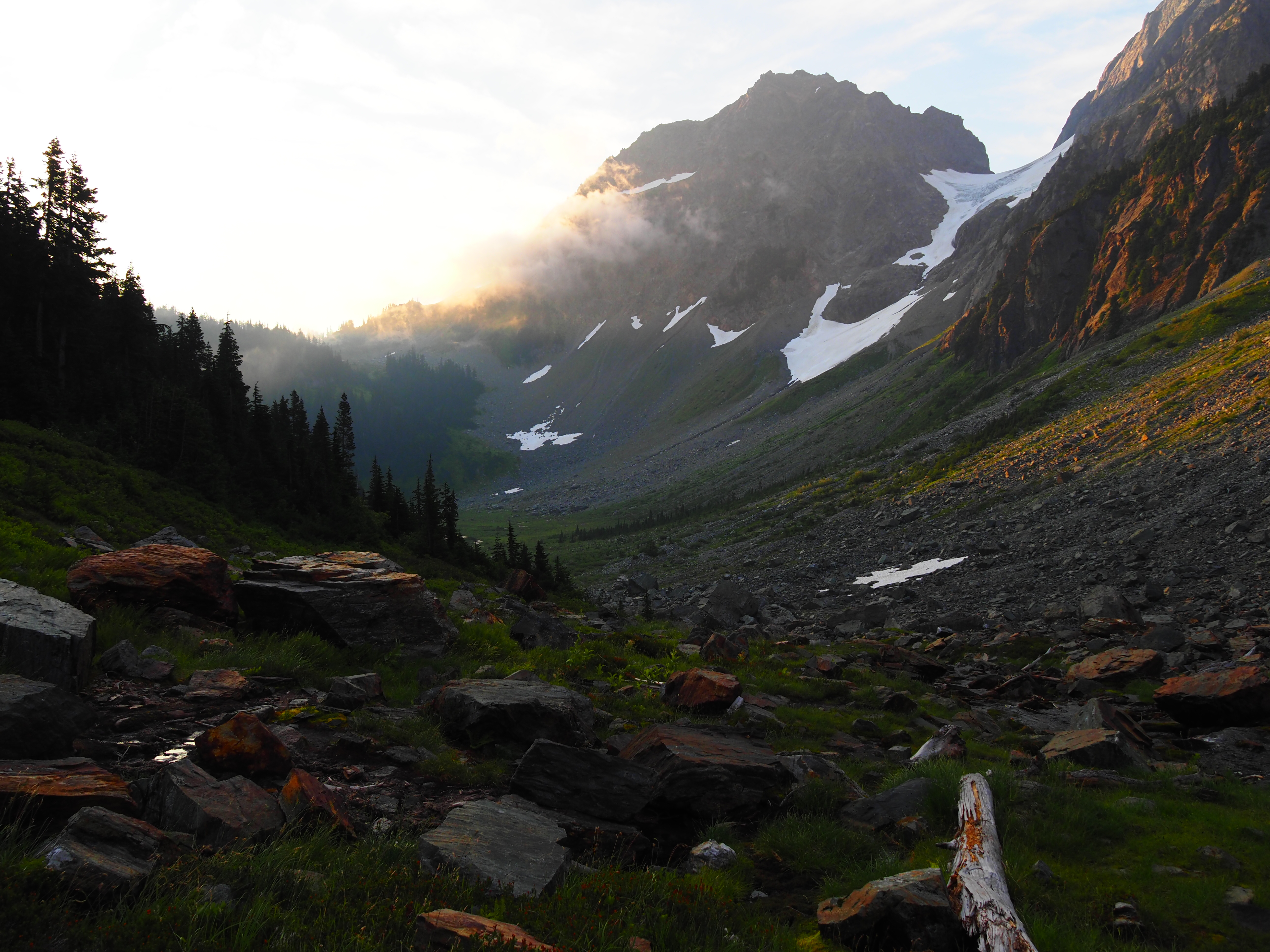
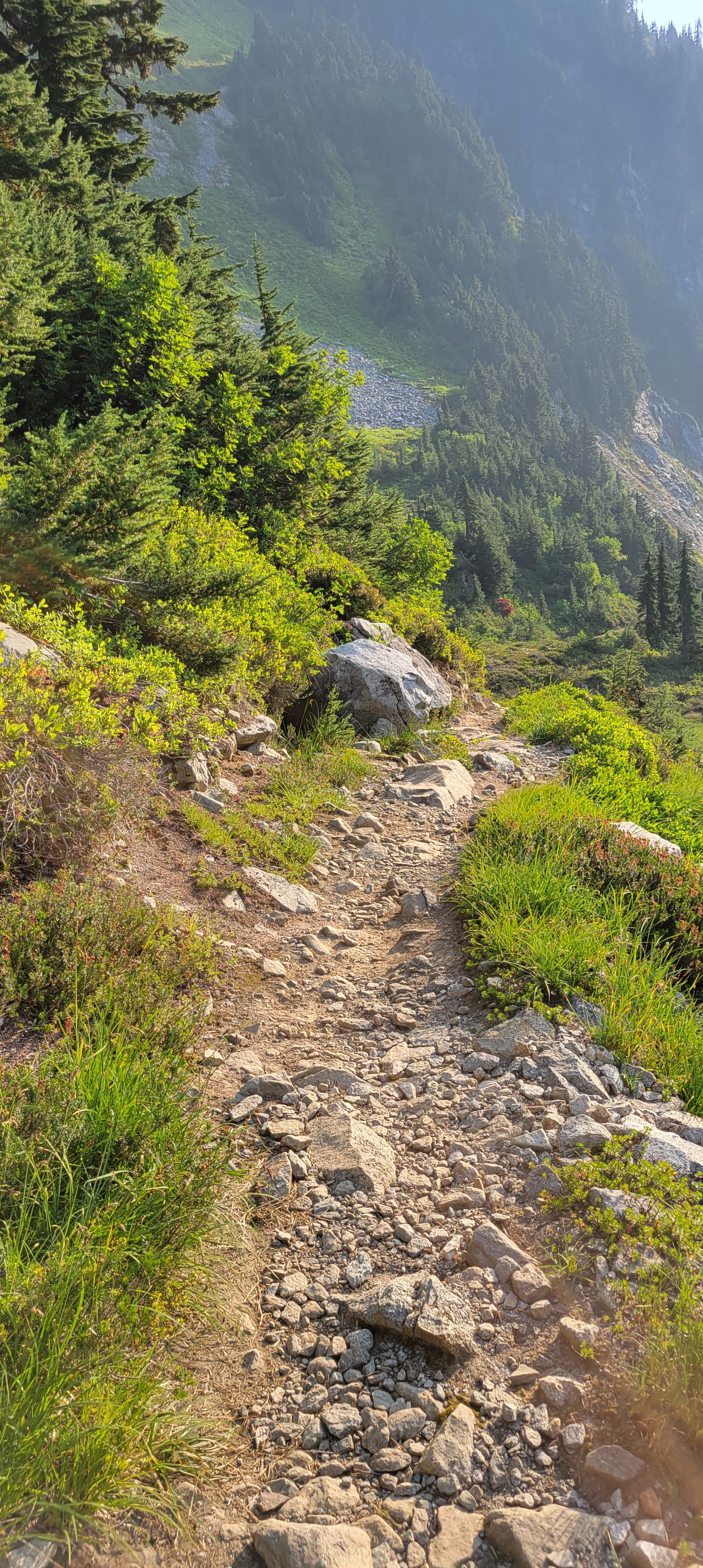
North Cascades National Park is located, as the name suggests, in the northern range of the Cascade Mountains, just east of Seattle, Washington. One look at the top of the Cascade Pass trail and it’s pretty obvious why they are called the American Alps.

Day One: Cascade Pass Trail to Pelton Campground

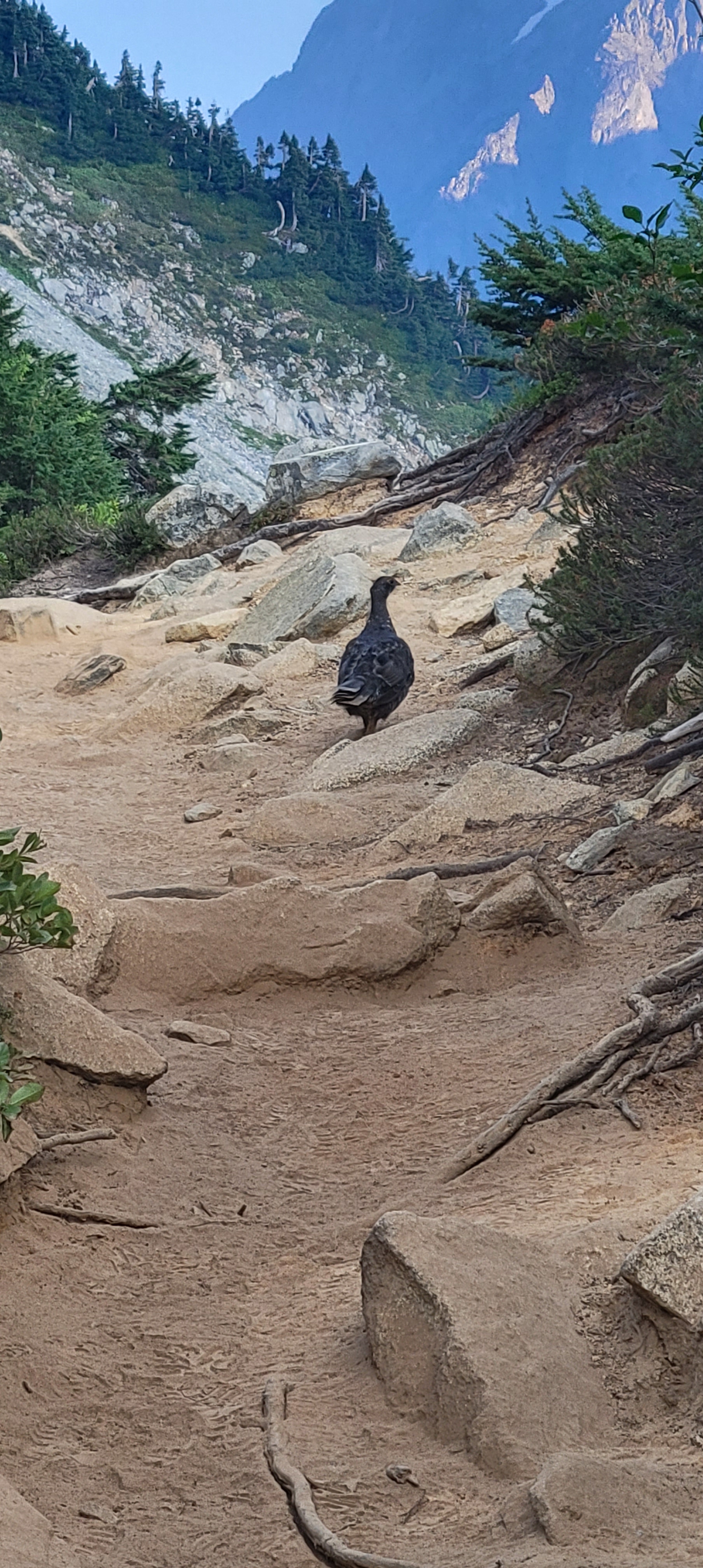
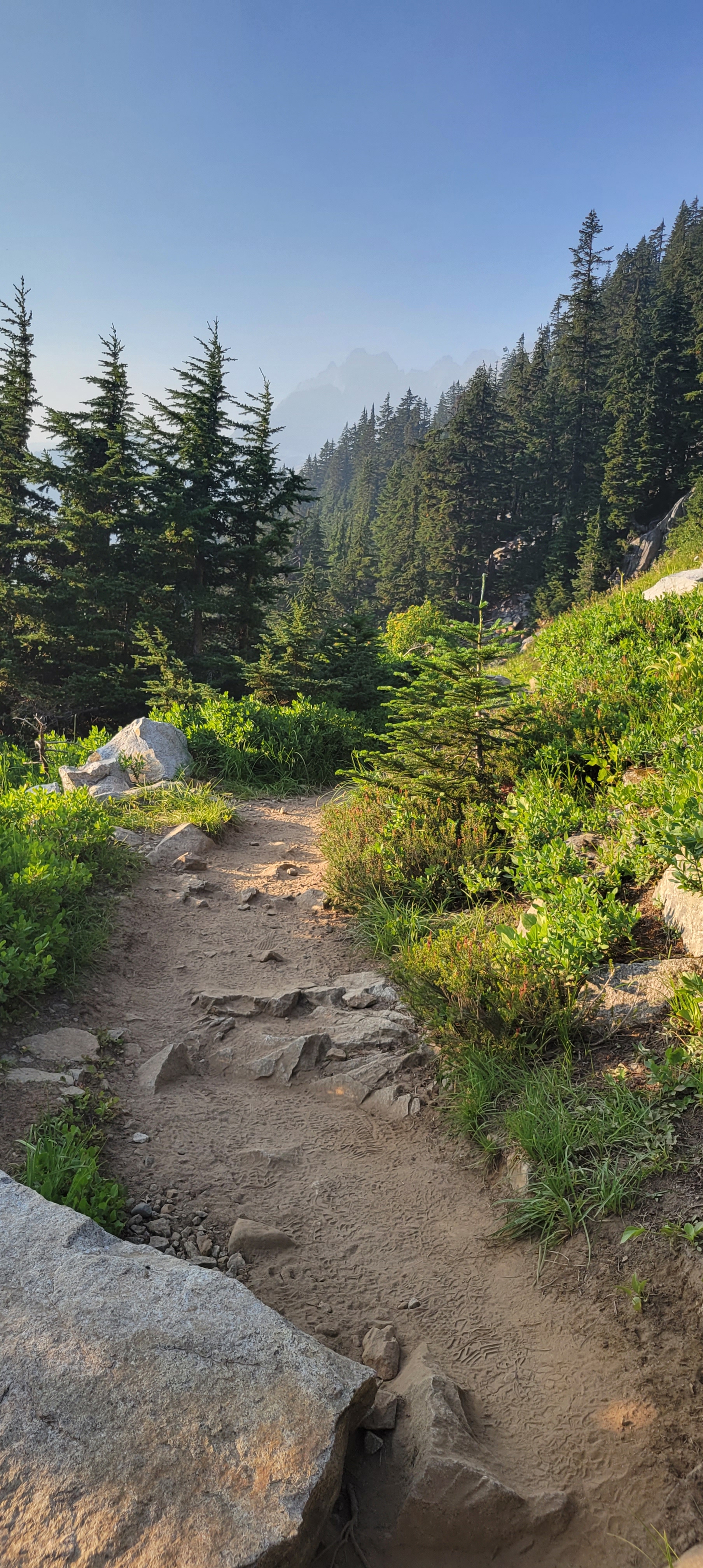
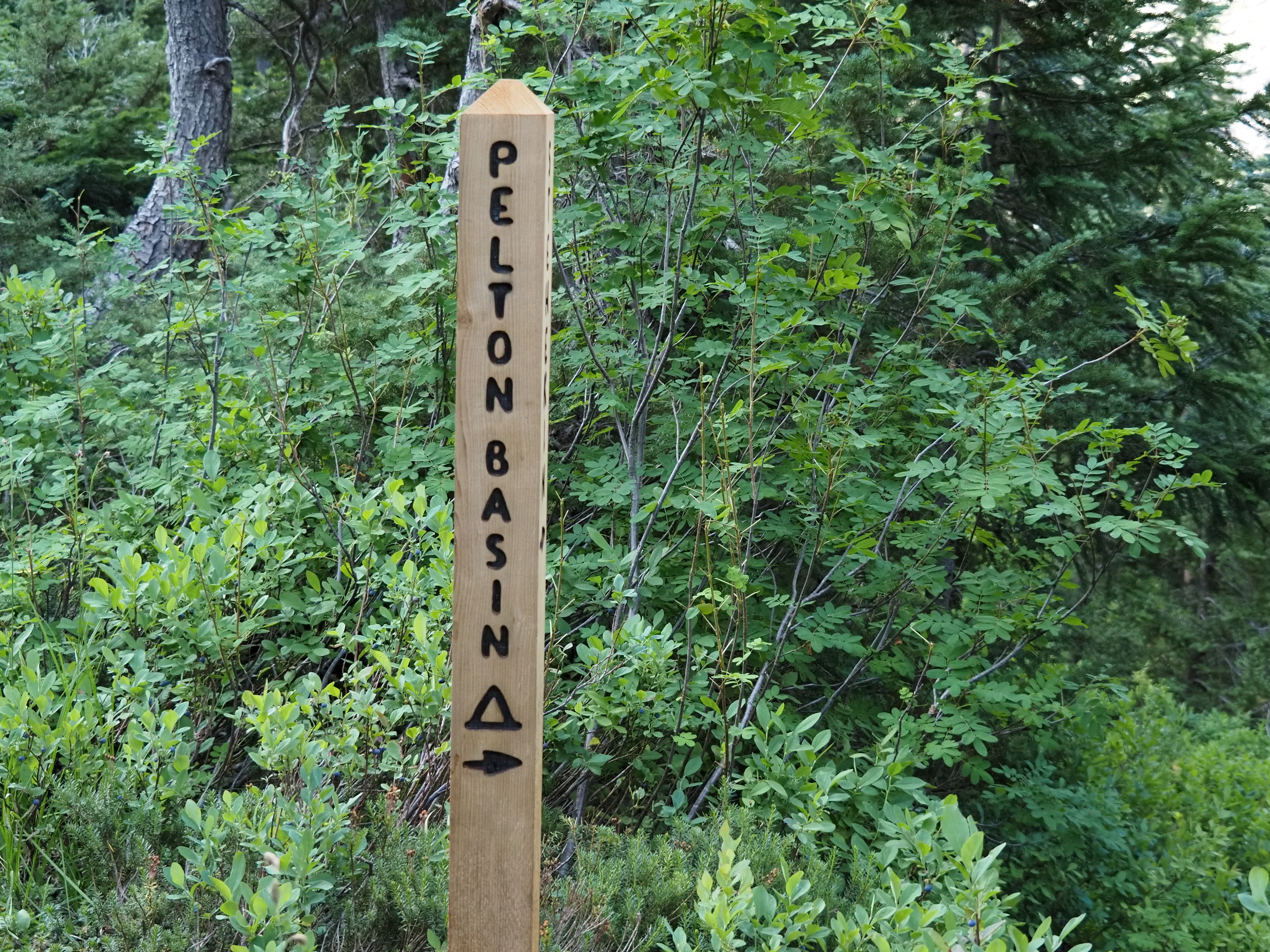
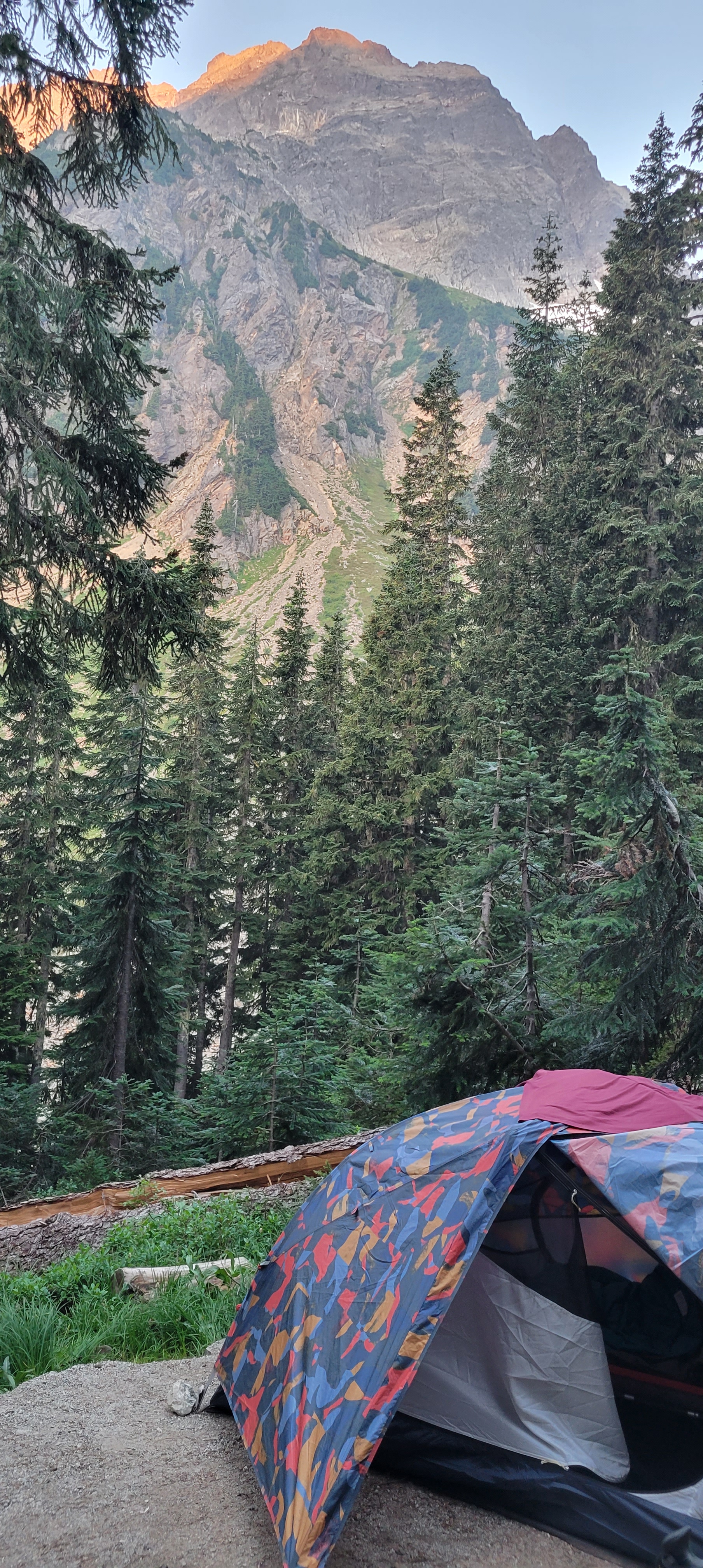
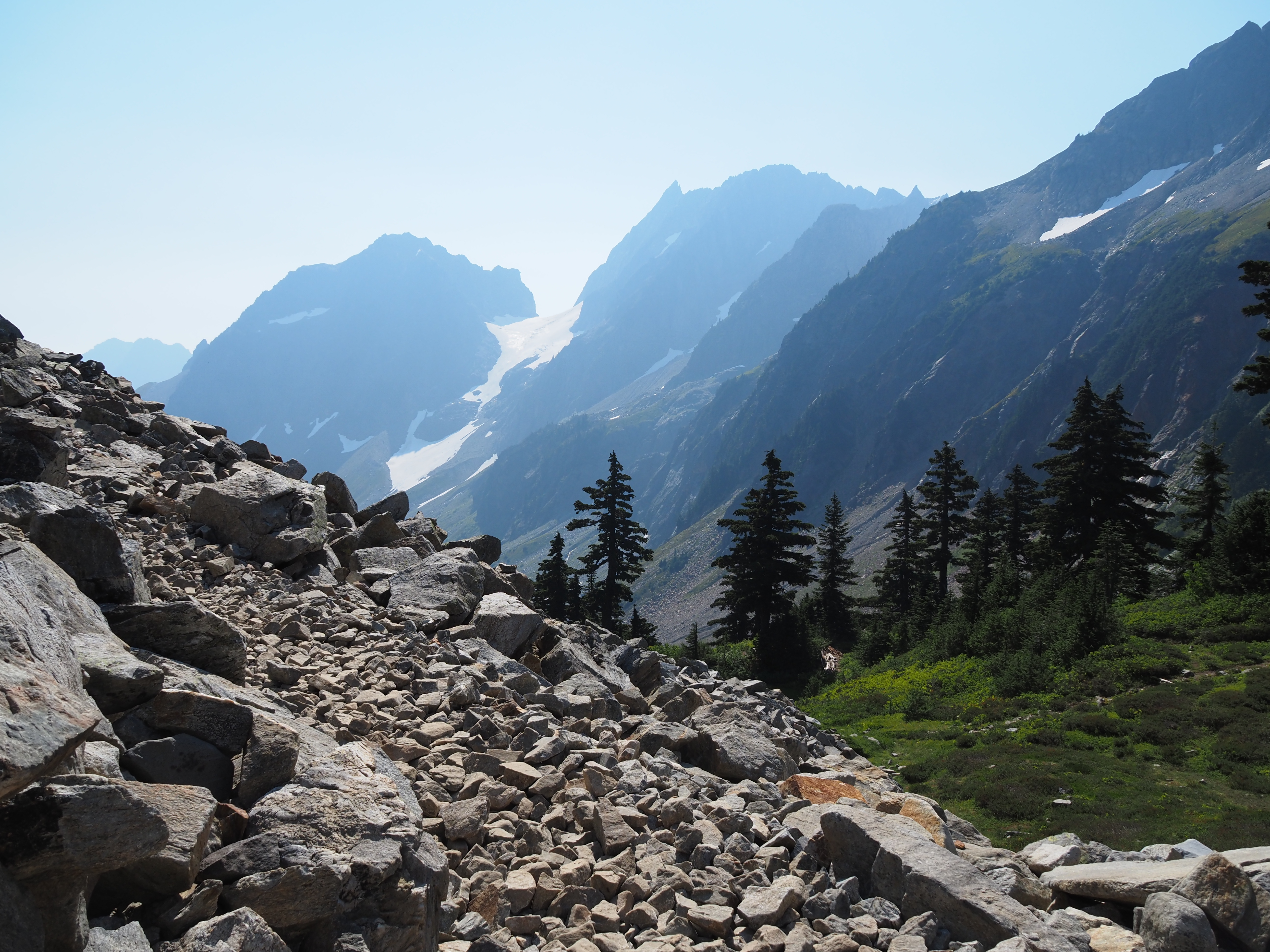
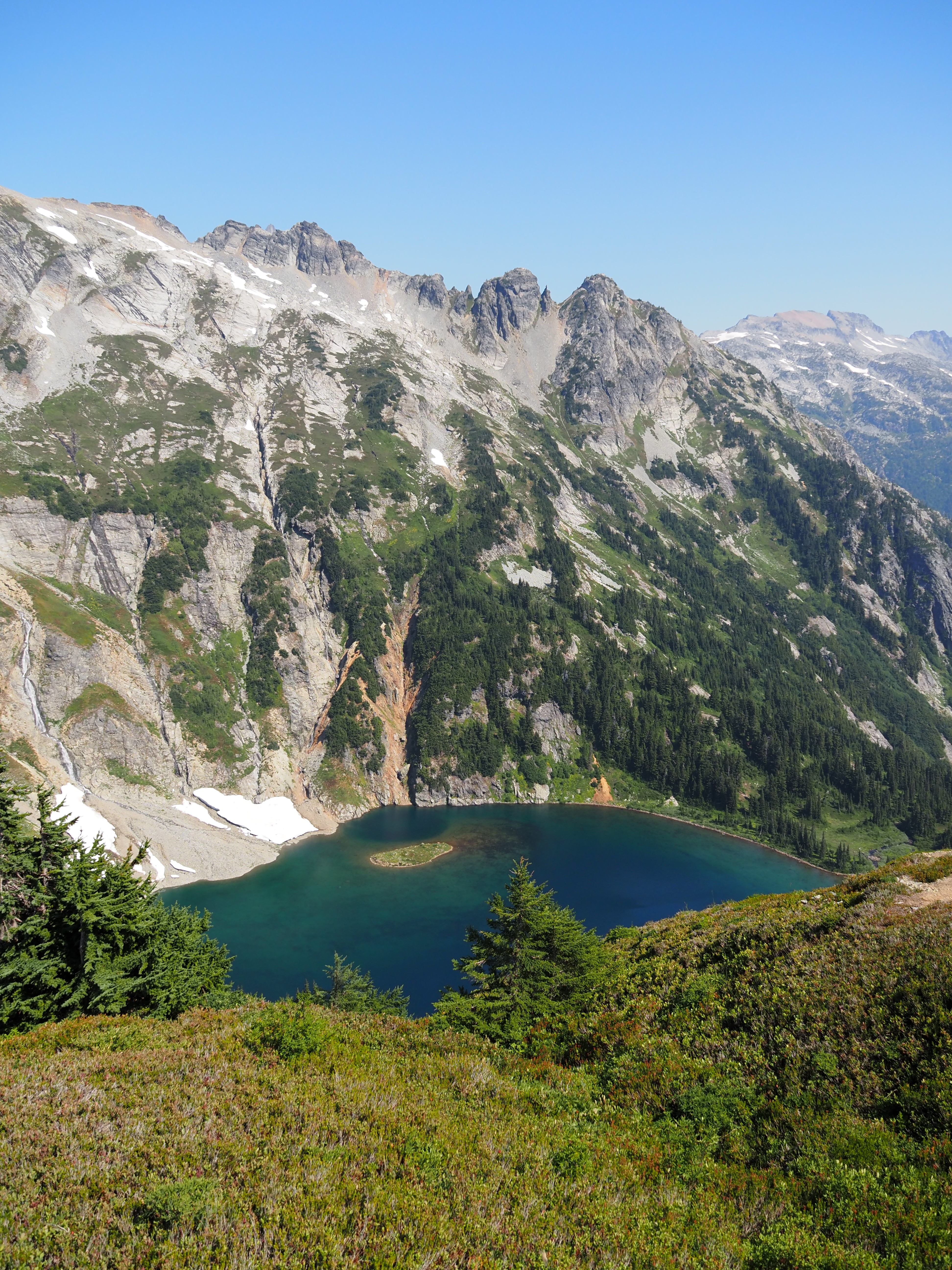
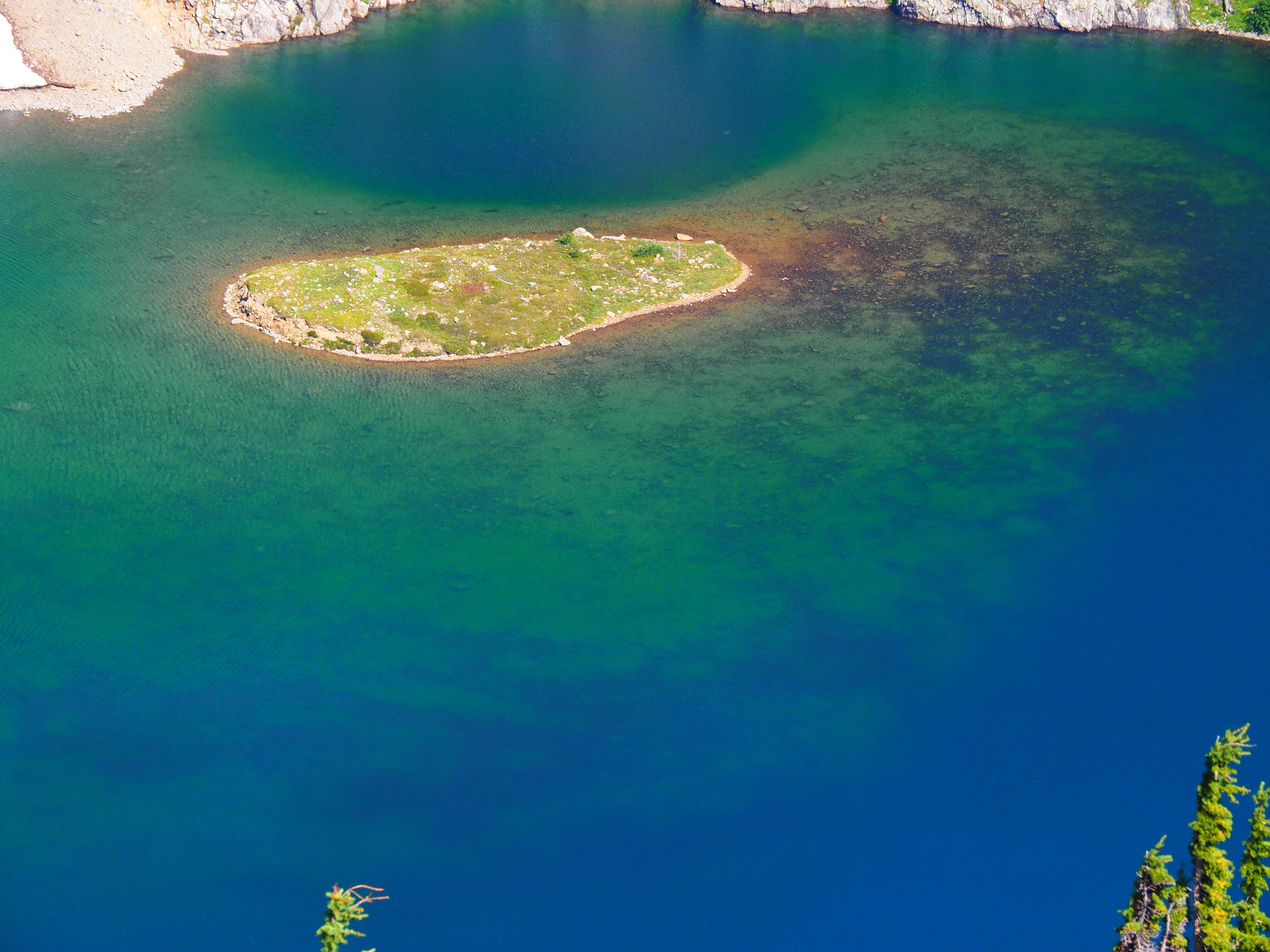
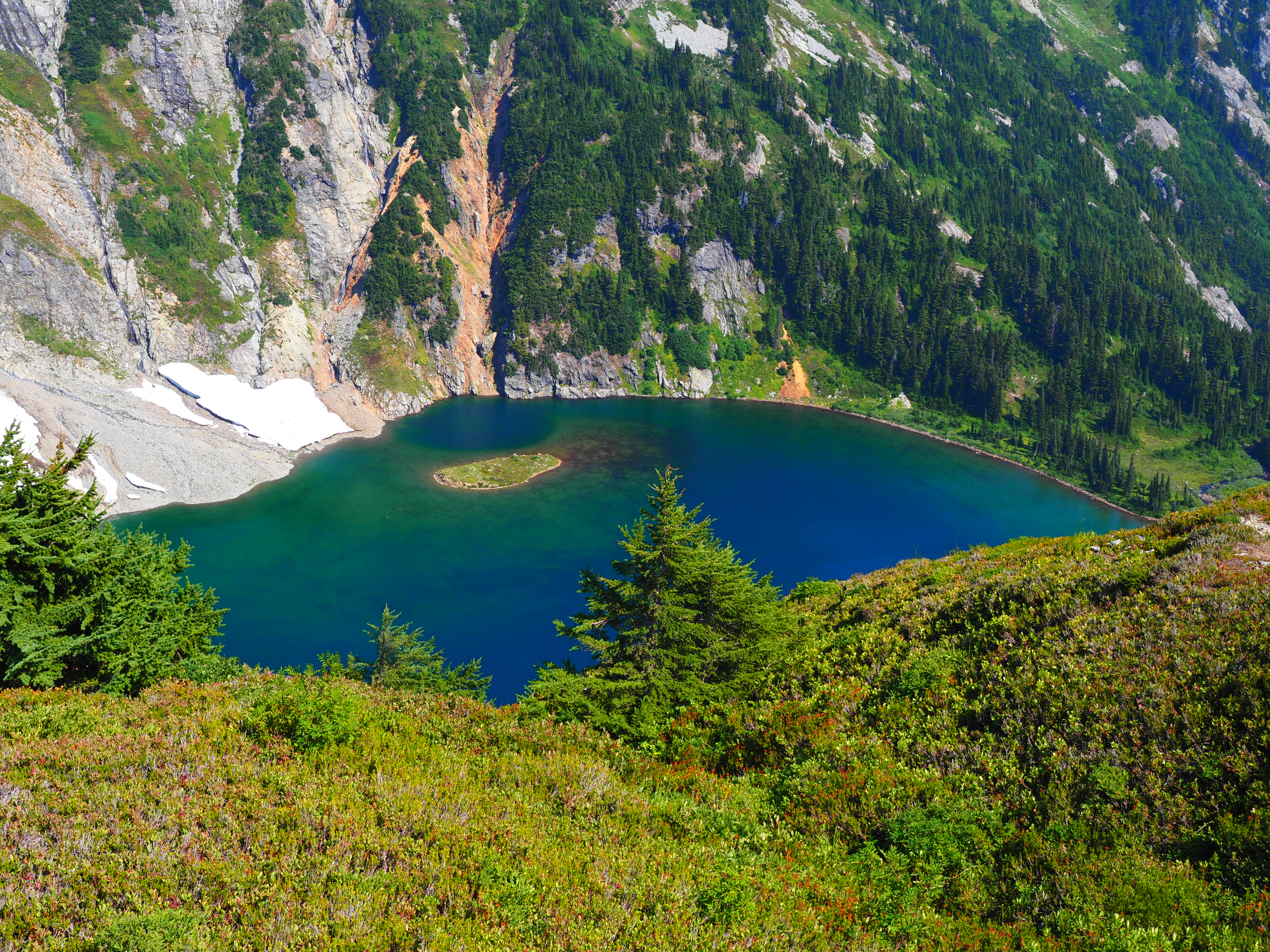
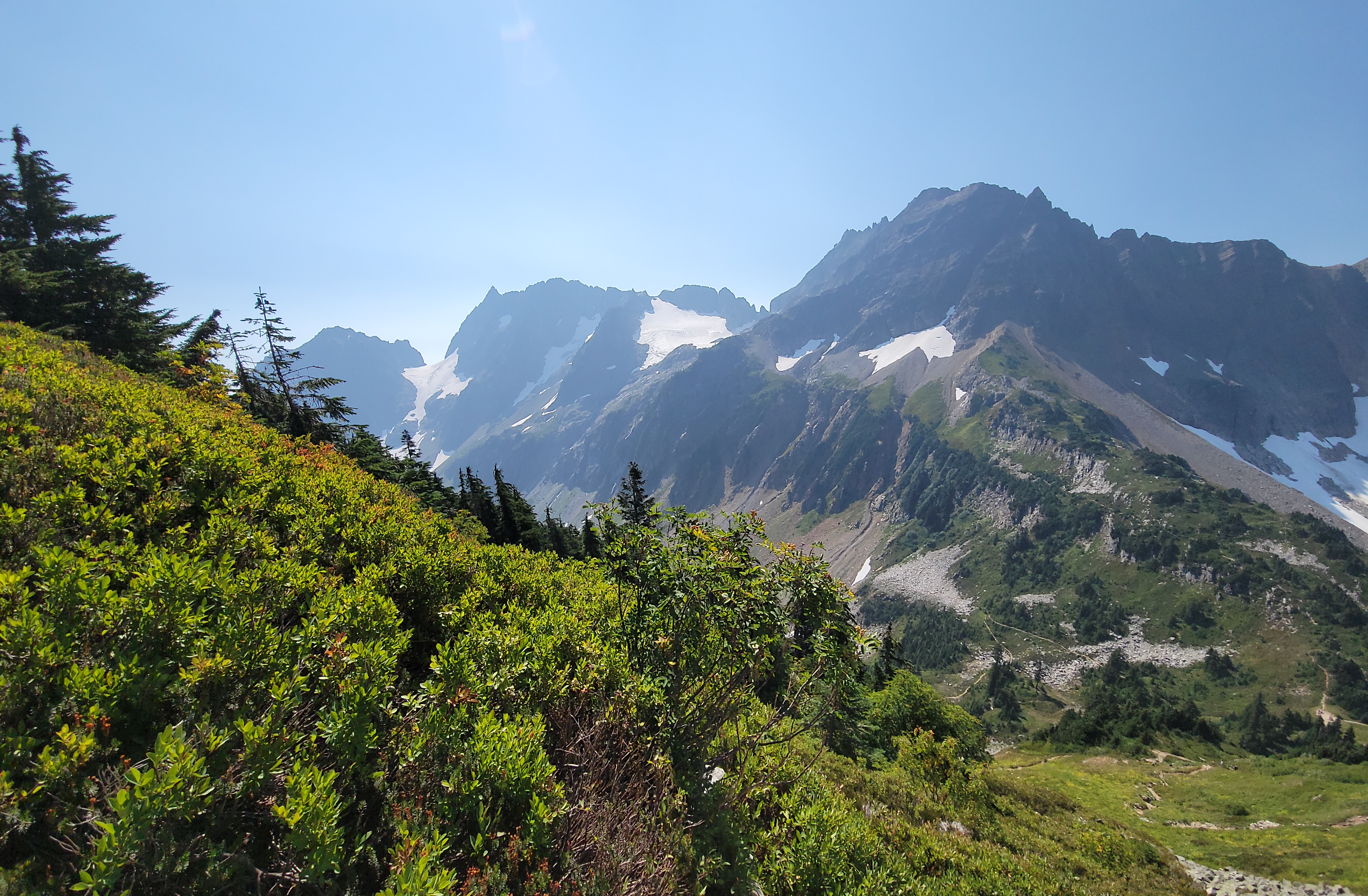
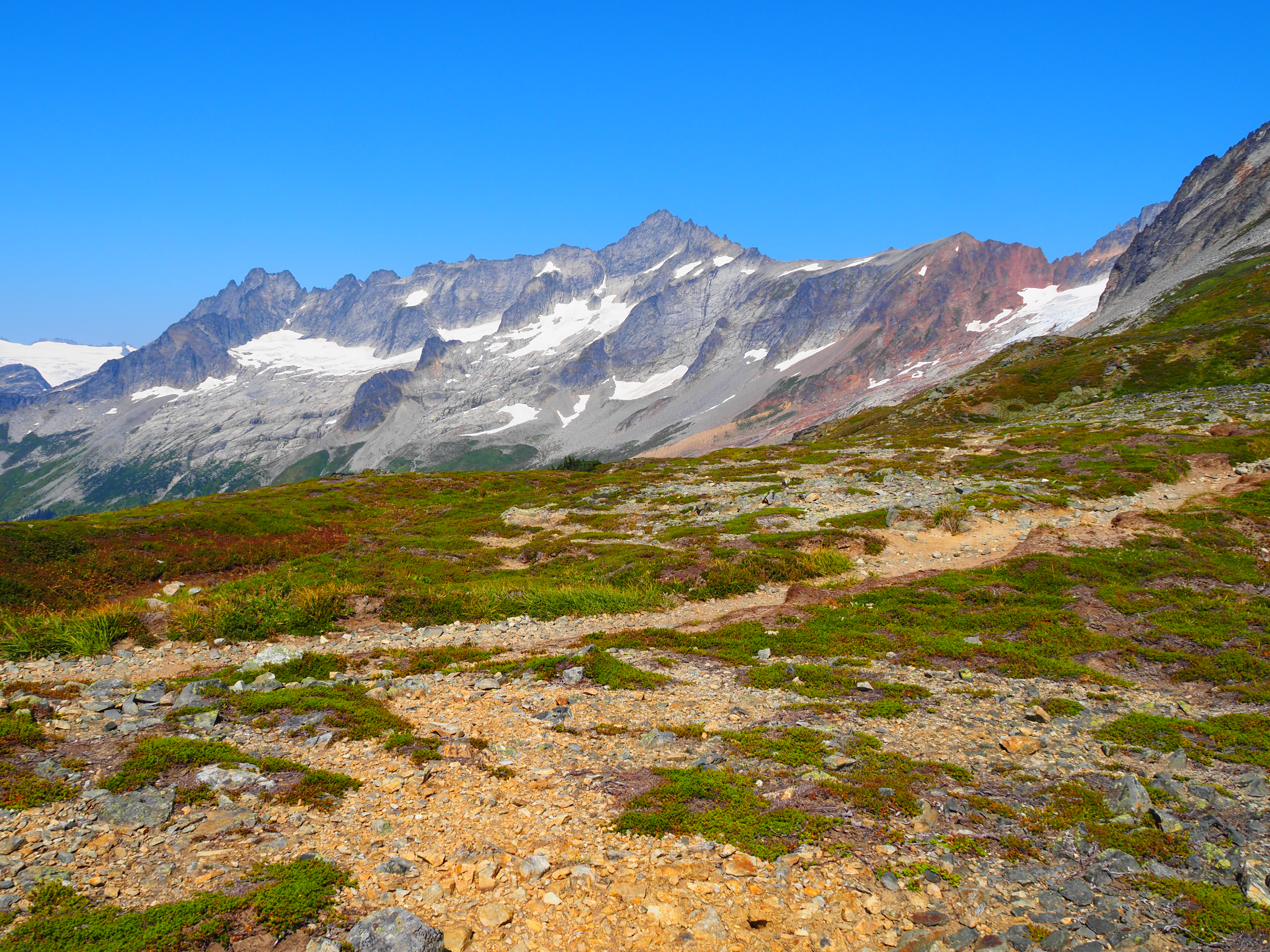
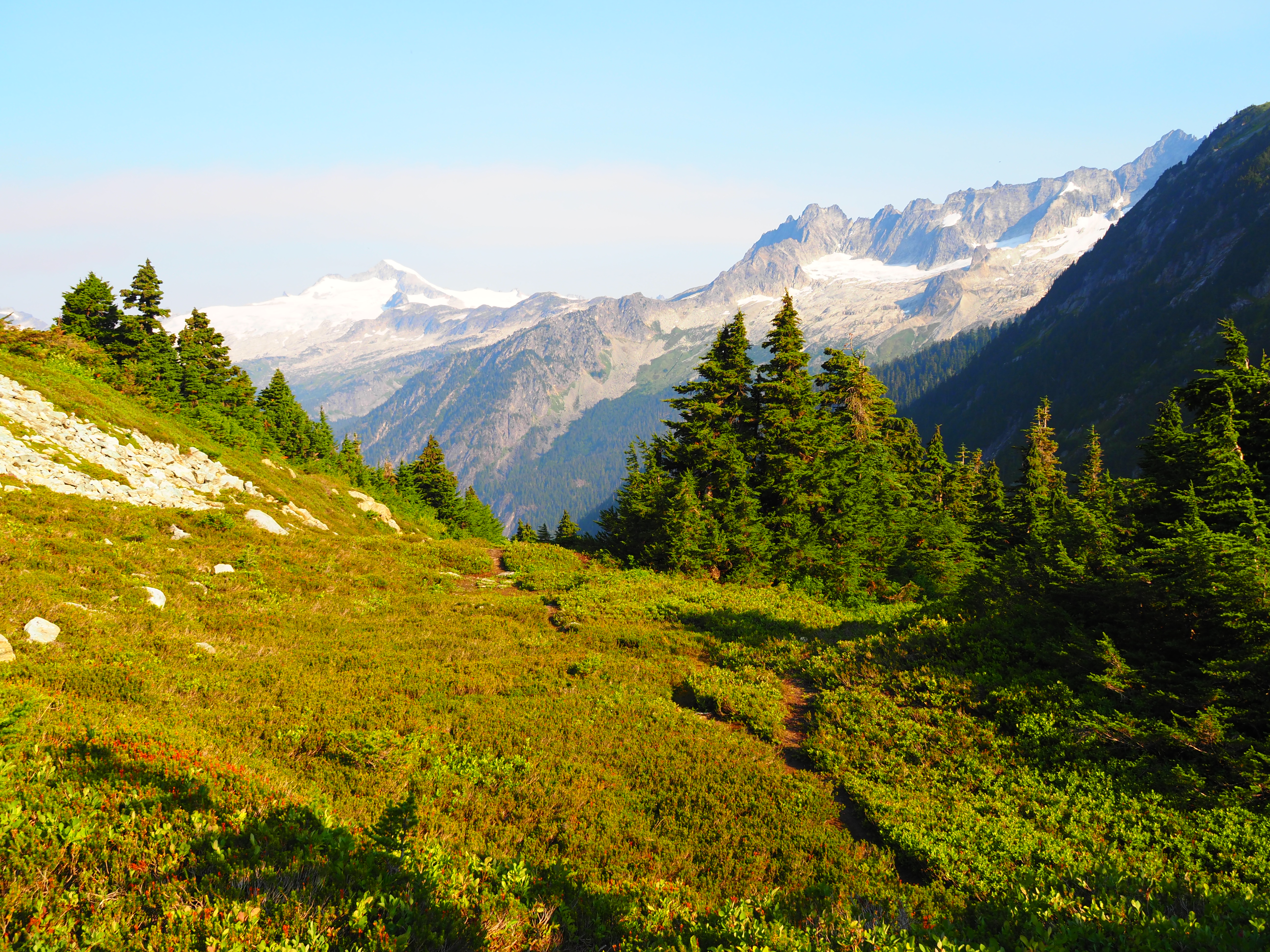
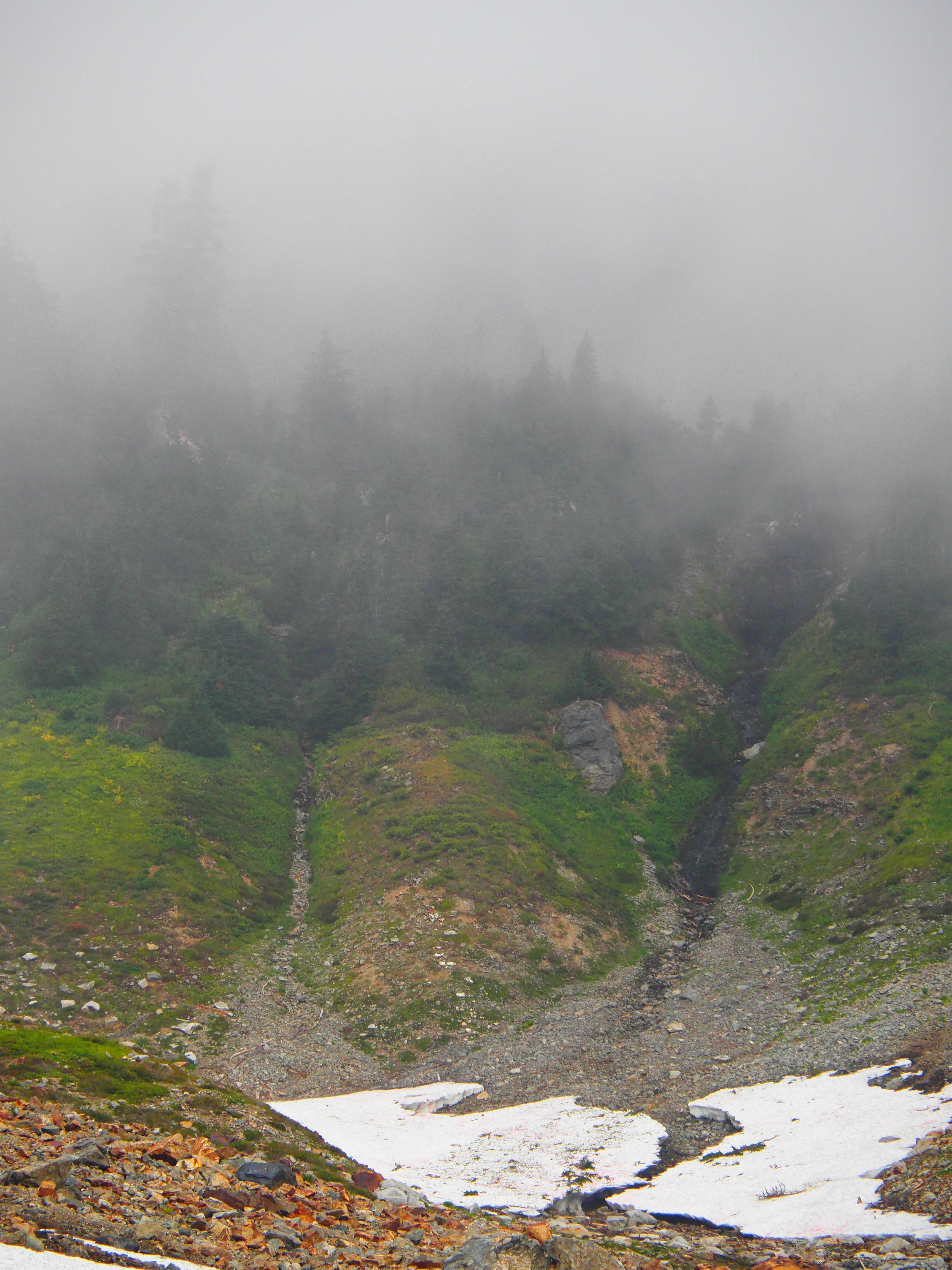
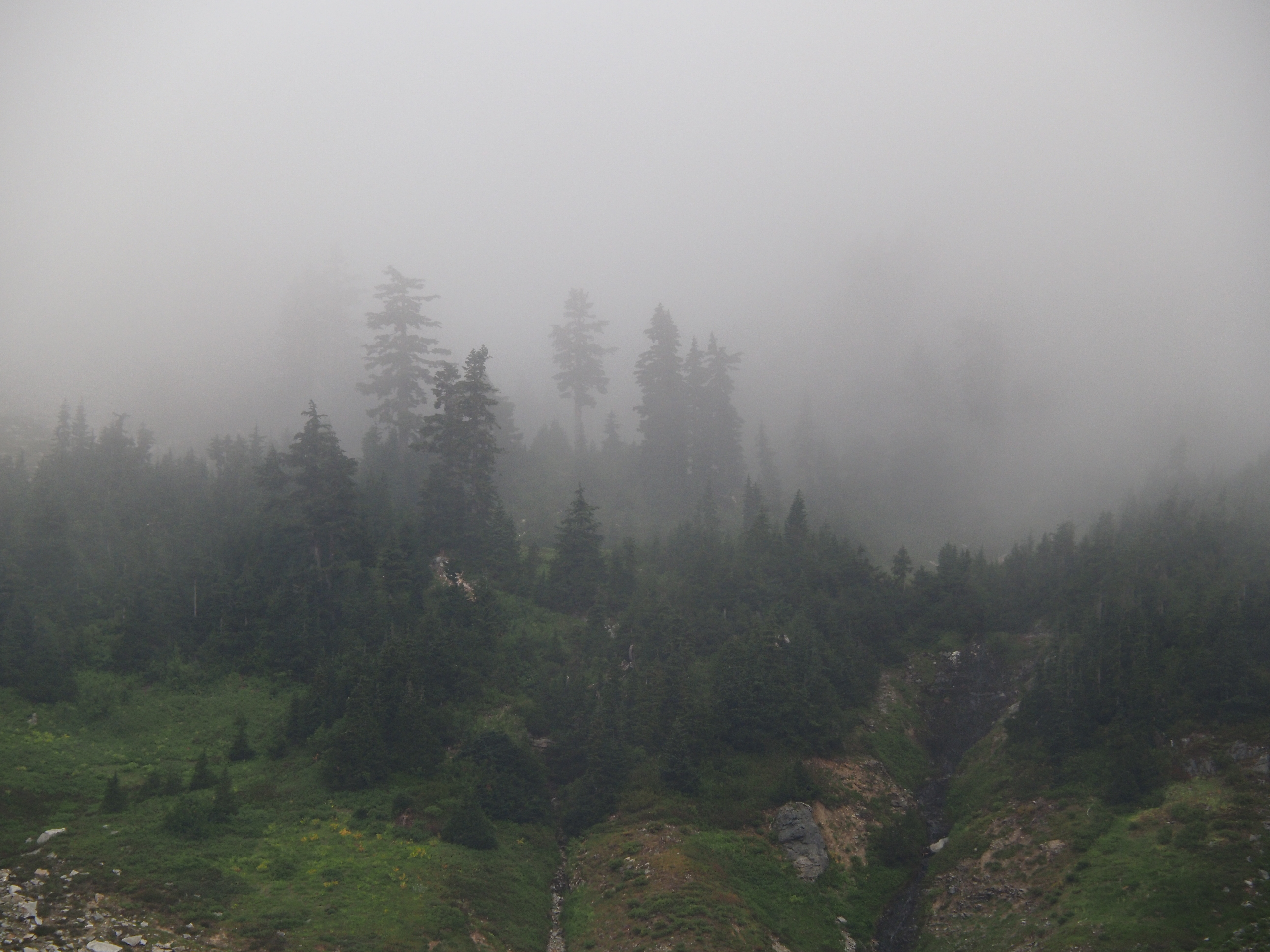
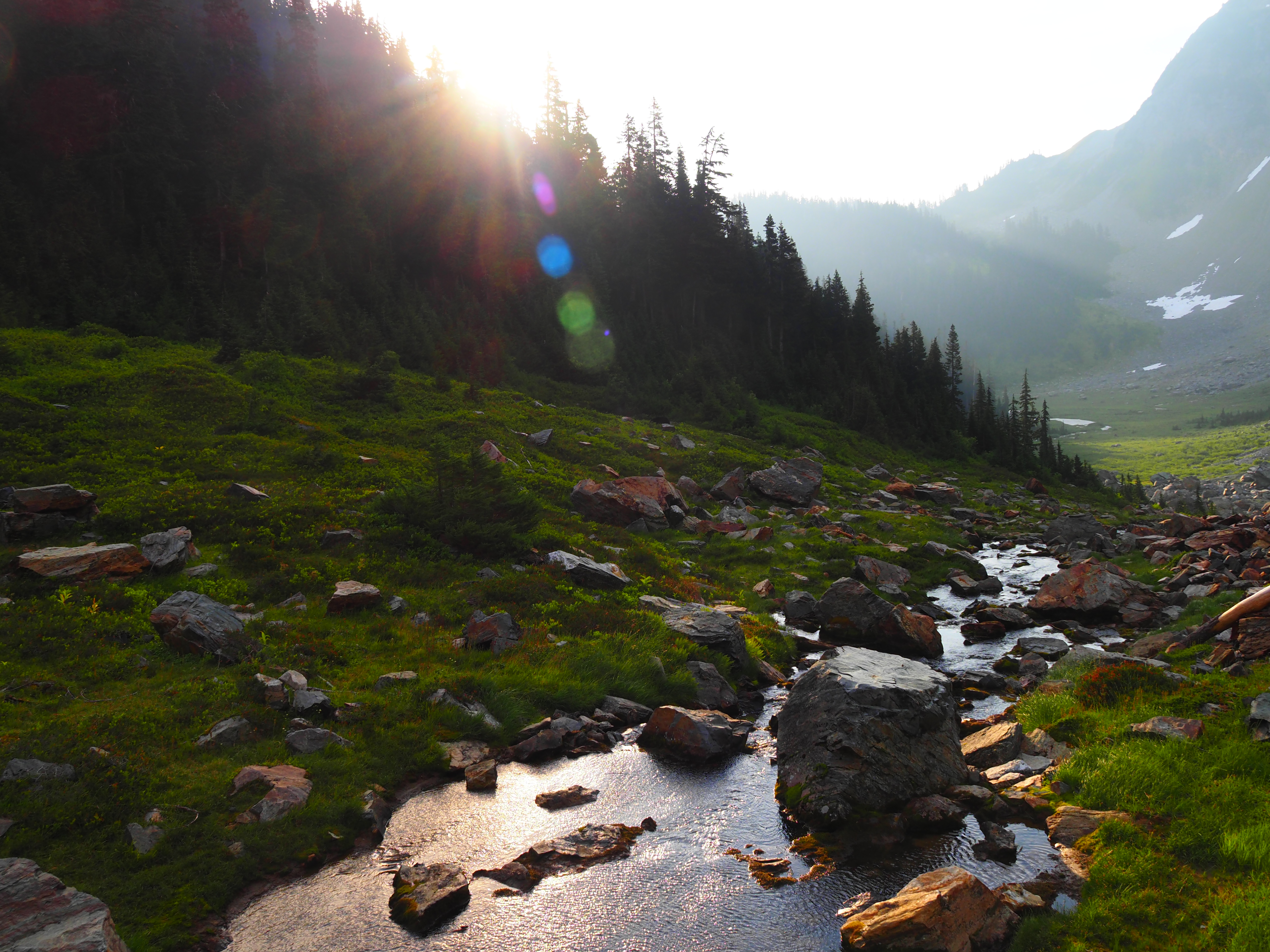
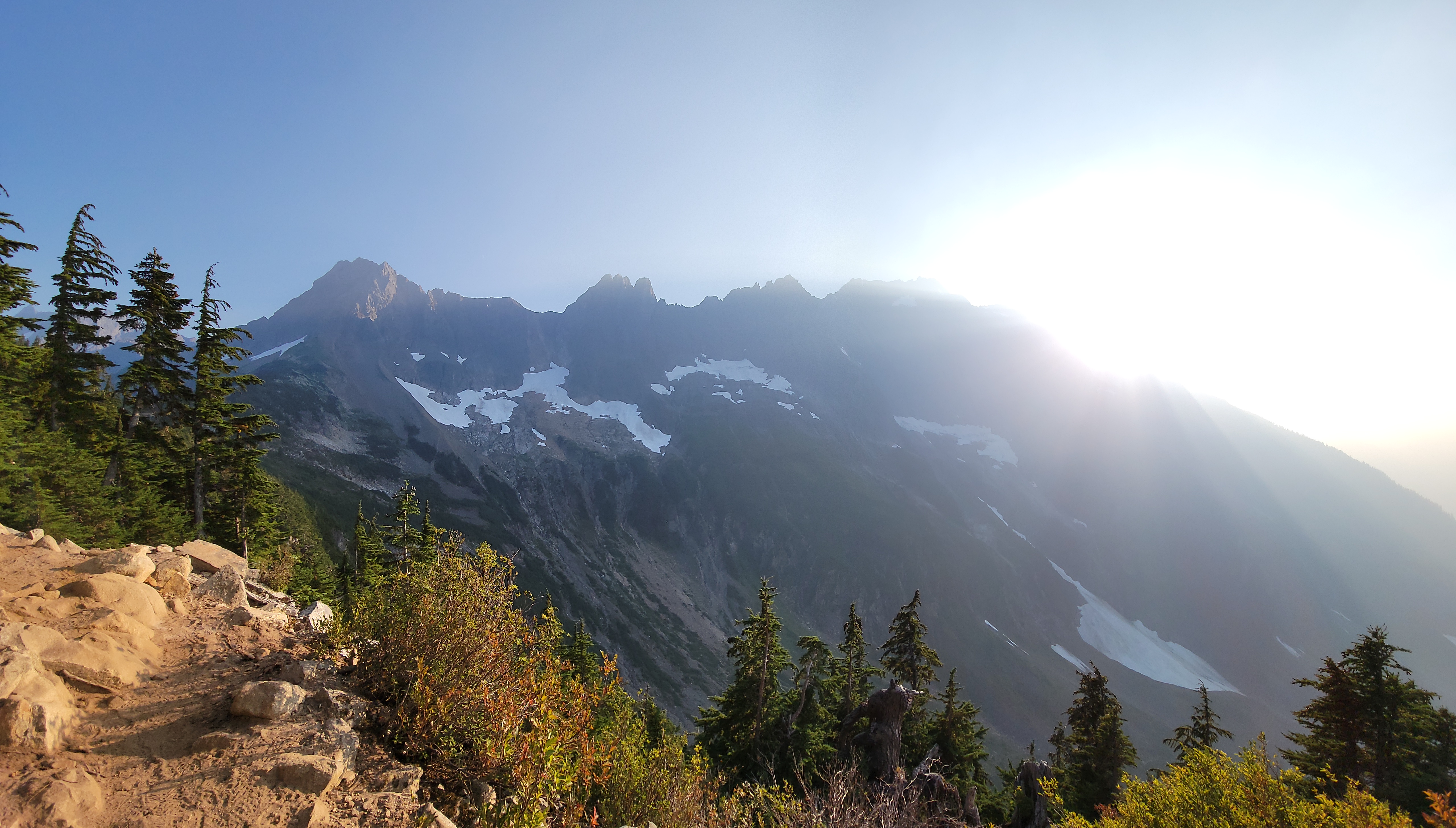
The pictures below were taken on the first day of my three days in North Cascade National Park. The hike up from the parking lot to the camp site at Pelton Basin took about 3 hours. The first few pictures below are from various parts along the trail. The fifth is the ‘basin’ itself, the valley that falls away from Cascade Pass. I’ve had occasion to say this before; the pictures fail to do justice to the sheer magnificence of the landscape.

Day Two: Ptarmigan Traverse Trail

The Ptarmigan Traverse is apparently a famous trail that involves crossing a glacier. It was admittedly a little too much of a climb for me; but I did manage to stumble along the trail for a mile or so. The views over the mountains were something to behold. But at the point where the trail dissolved into a field of loose rock, I gave up and turned back.

I’ve spent much of the week reading Belden Lane’s Solace of Fierce Places, this past week. Lane writes a good deal about apophatic theology, which is essentially the idea that we cannot give words or create images or even construct ideas that describe the fullness of God. God is simply too immense to be easily contained with the natural limits of human language, or even human experience. Except perhaps at the very boundaries of our experience, in those places or circumstances that force us to confront and acknowledge the limits of our capacity to control our environment, or to conform the landscapes we occupy to meet our needs or expectations.

Much of his thought revolves around his spiritual practice of spending time hiking and backpacking in the wilderness; and he calls upon the story of the Exodus to give shape to his own experience. The story of Israel’s forty years in the Sinai wilderness reveals a God who defies human expectations, who invites a spirituality rooted in the practice of relinquishing, of giving up the demands our ego places on us to exert our impulse to control the world around us. Only in giving up the demands our ego to control the world around us can we truly come into an authentic experience of God.

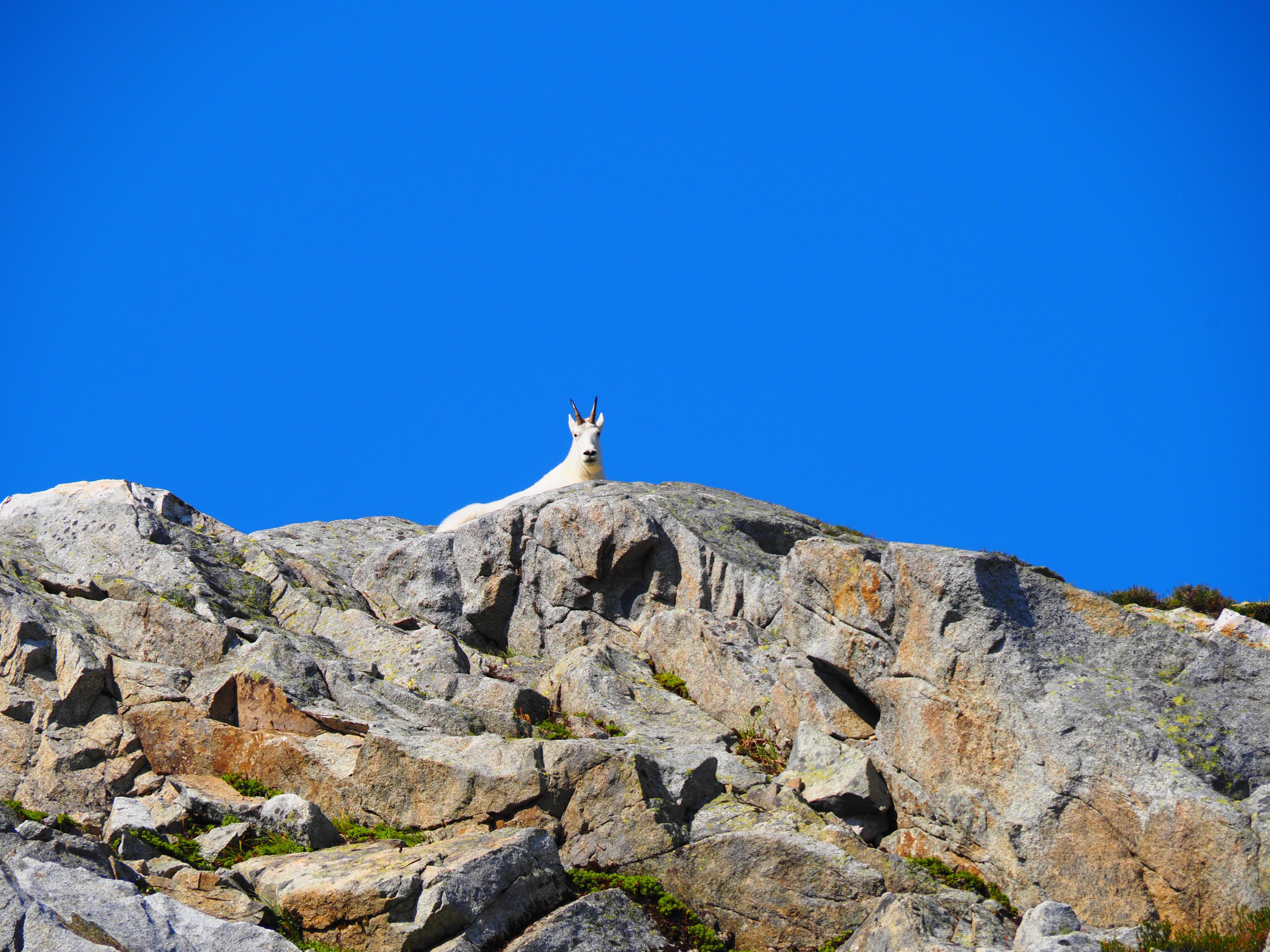
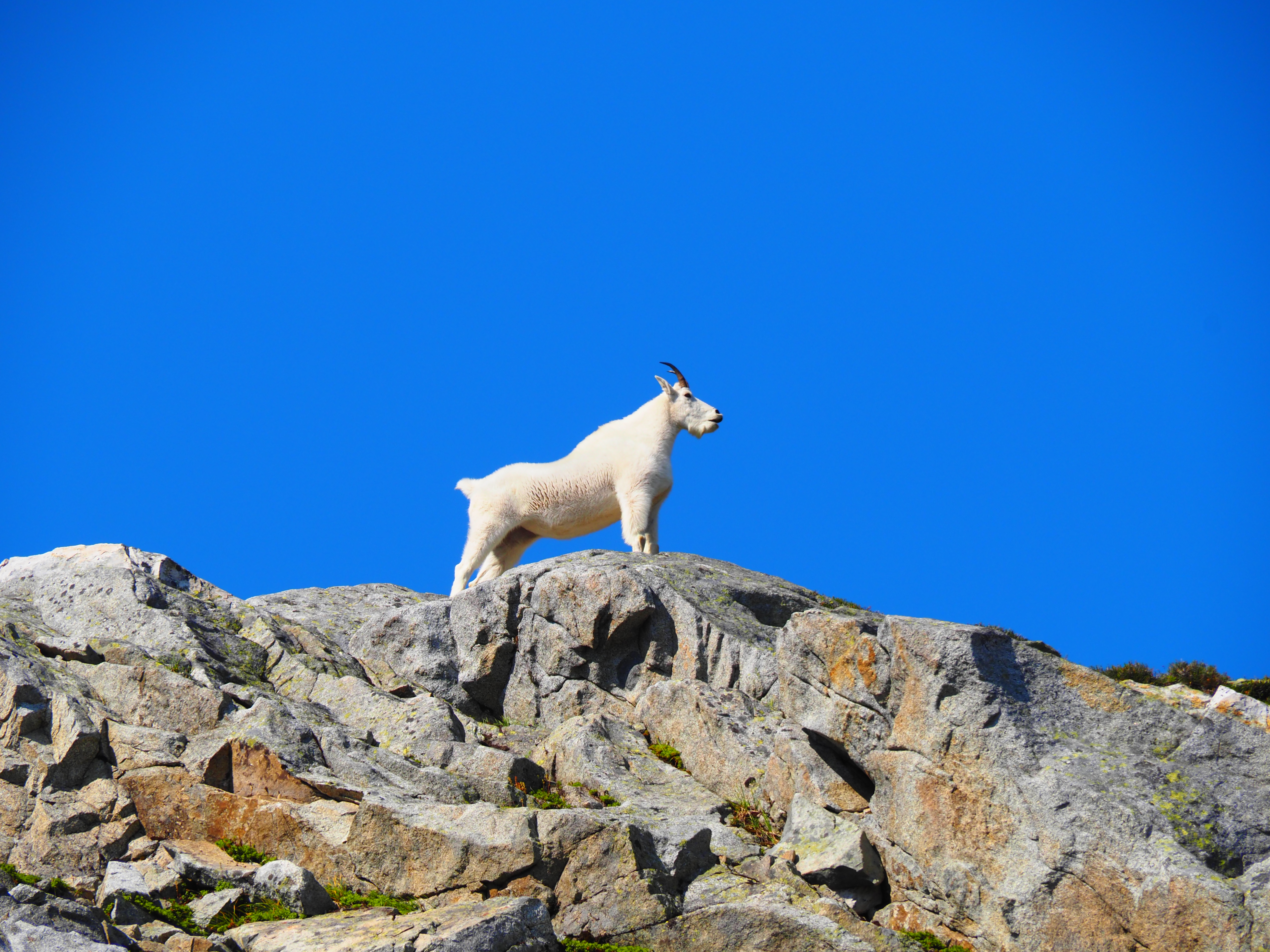
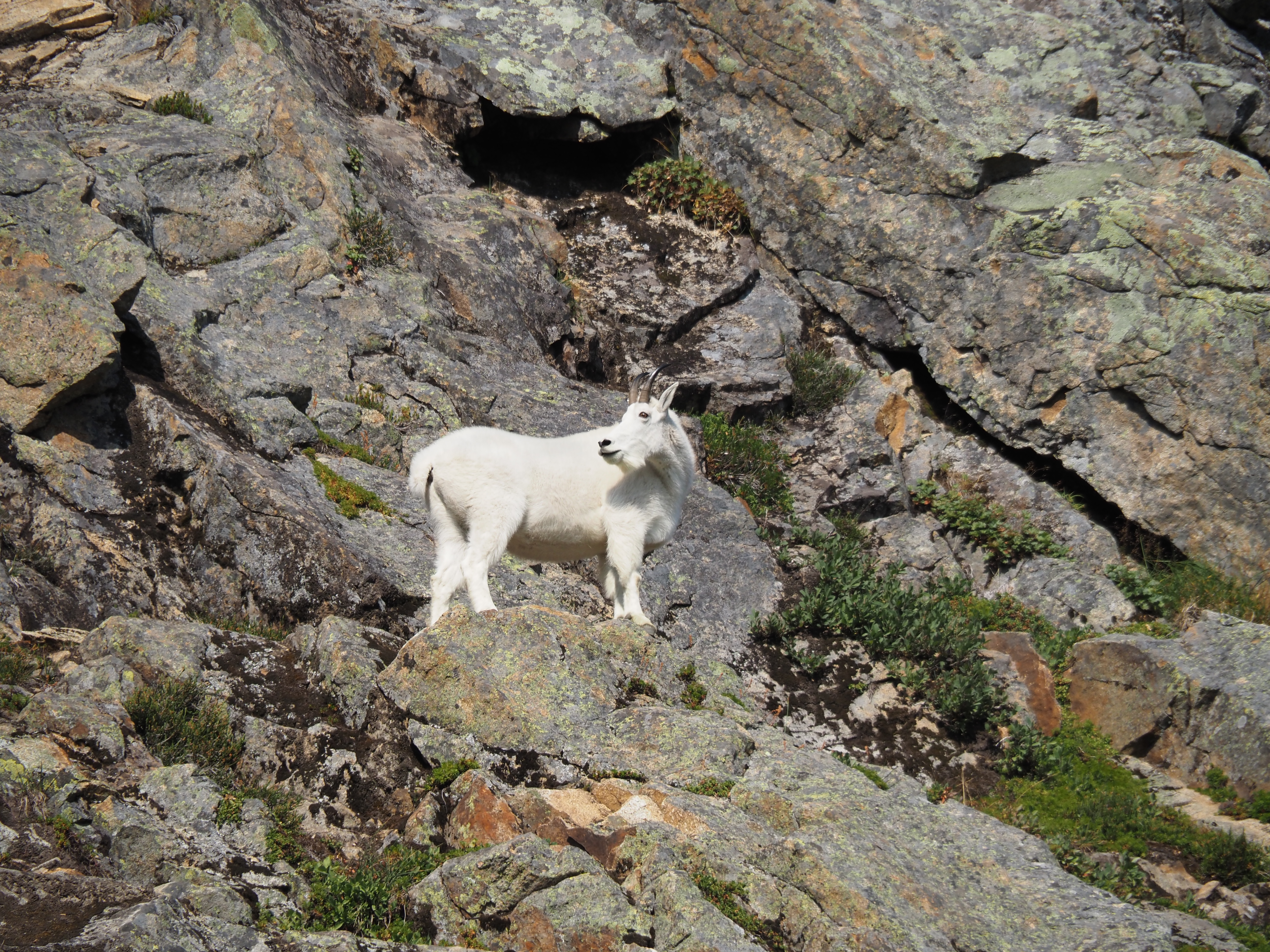
I was thinking about all of this along the trail back from Ptarmigan Traverse, as I listened to the cracking of the ice of multiple glaciers, as the reality of walking (and sometimes crawling) through a landscape that held me entirely in its control. The mountain goat staring down at me from his perch at the top of the ridge above the trail seemed to confirm all this.

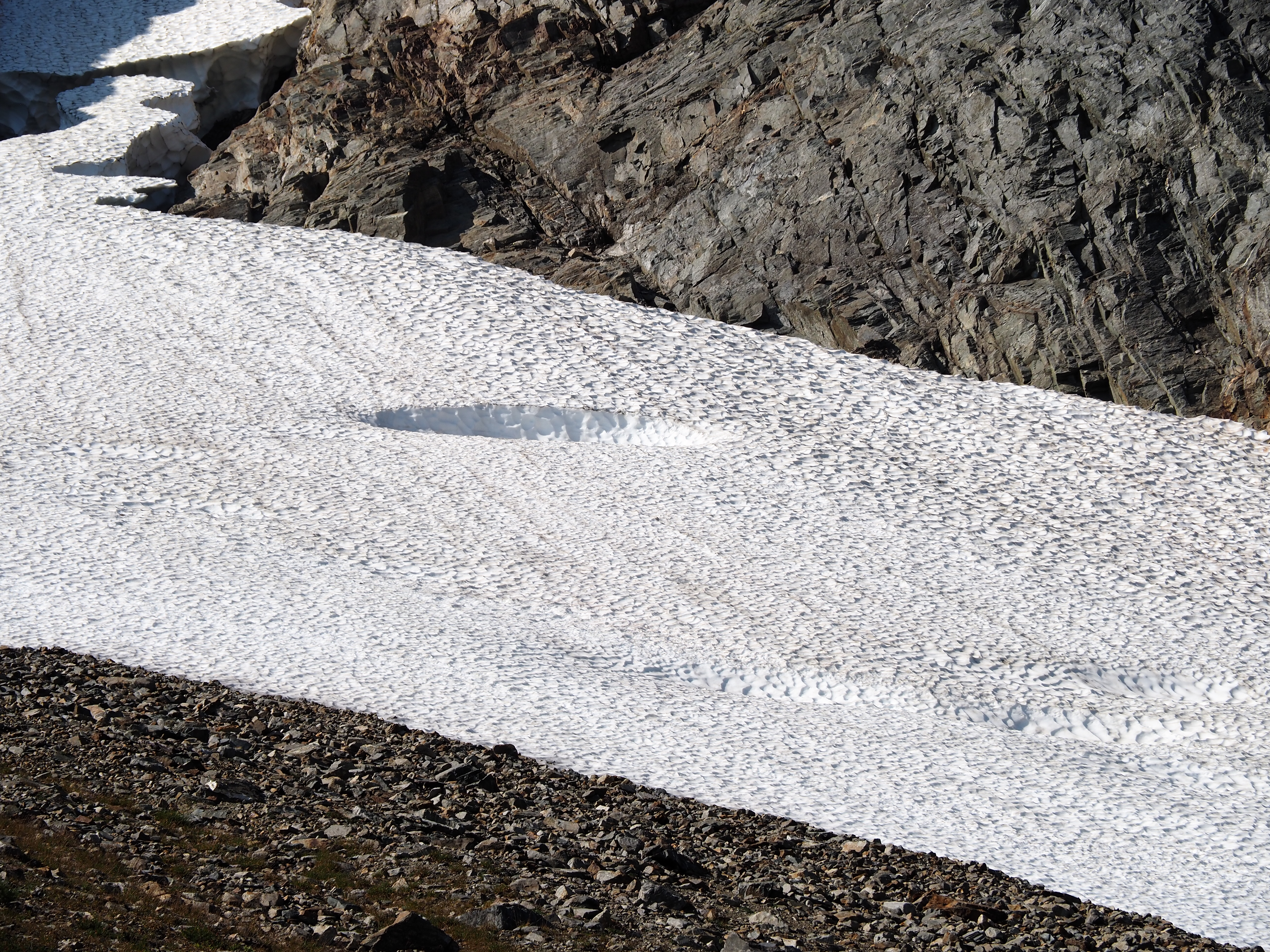
The pictures at the bottom show a glacial moulin, a roughly circular hole in glacial ice. Moulin is the French word for ‘mill,’ and they can run to hundreds of feet in depth. This was much smaller, only 10′ or so. They serve to carry meltwater from the surface to the drainage at the edge of the glacier; and to accelerate the movement of the glacier.

Day Three: Sahale Arm

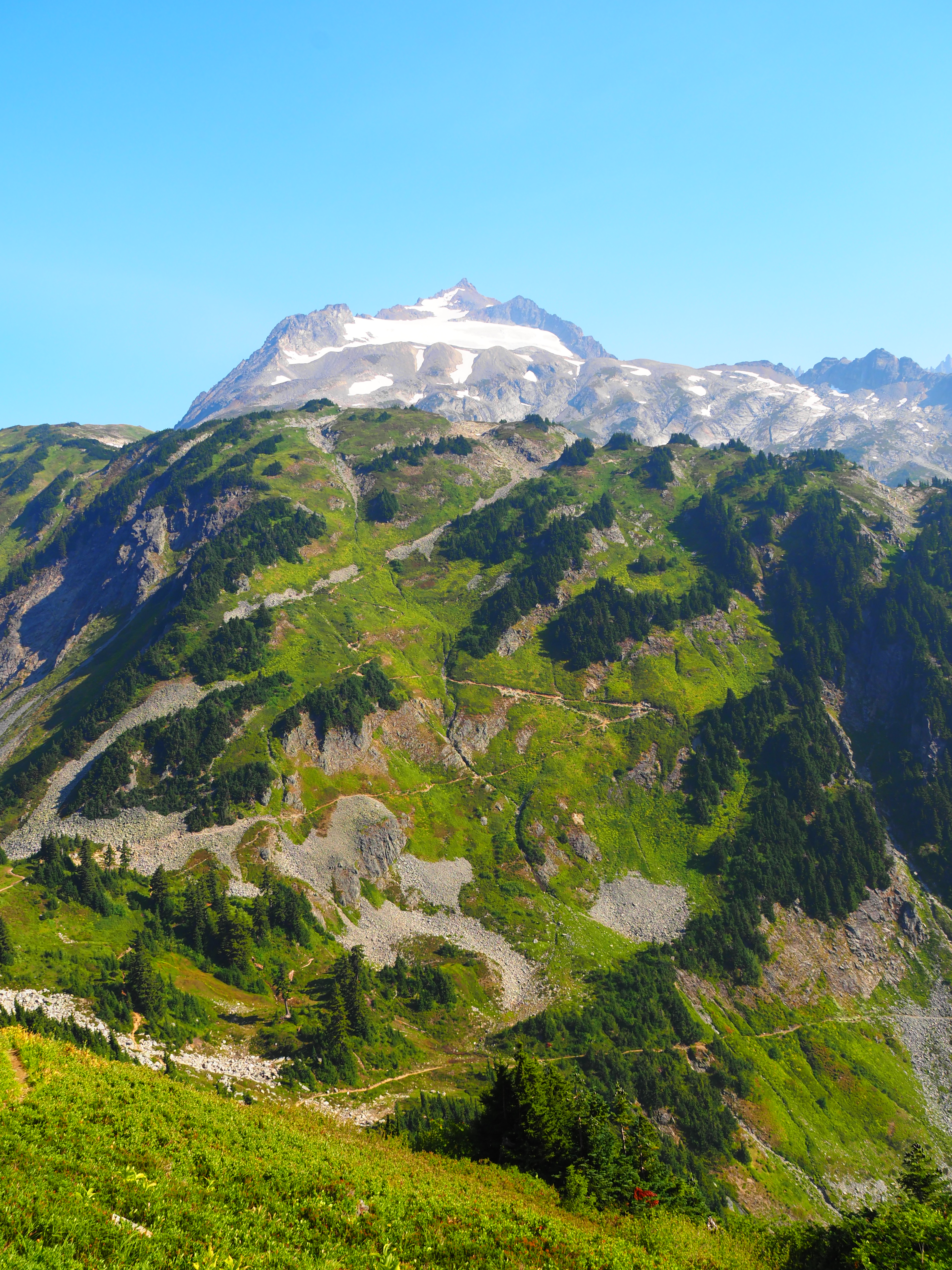
Sahale (Sa-ha-lee) is the most prominent high point in this part of the Cascade range, reaching up to about 8600 feet. I ran into a number of people (much younger than I am) who were planning on climbing to the top. It seemed prudent to me to walk to the start of the glacier (Sahale Peak can be seen in the last two pictures in this set).

Even without reaching the peak, the views from the top of the climb were spectacular. I don’t know that I’ve ever seen a range of mountains that seem to go on and on, without a visible end.

Day Four: Wind & Fog

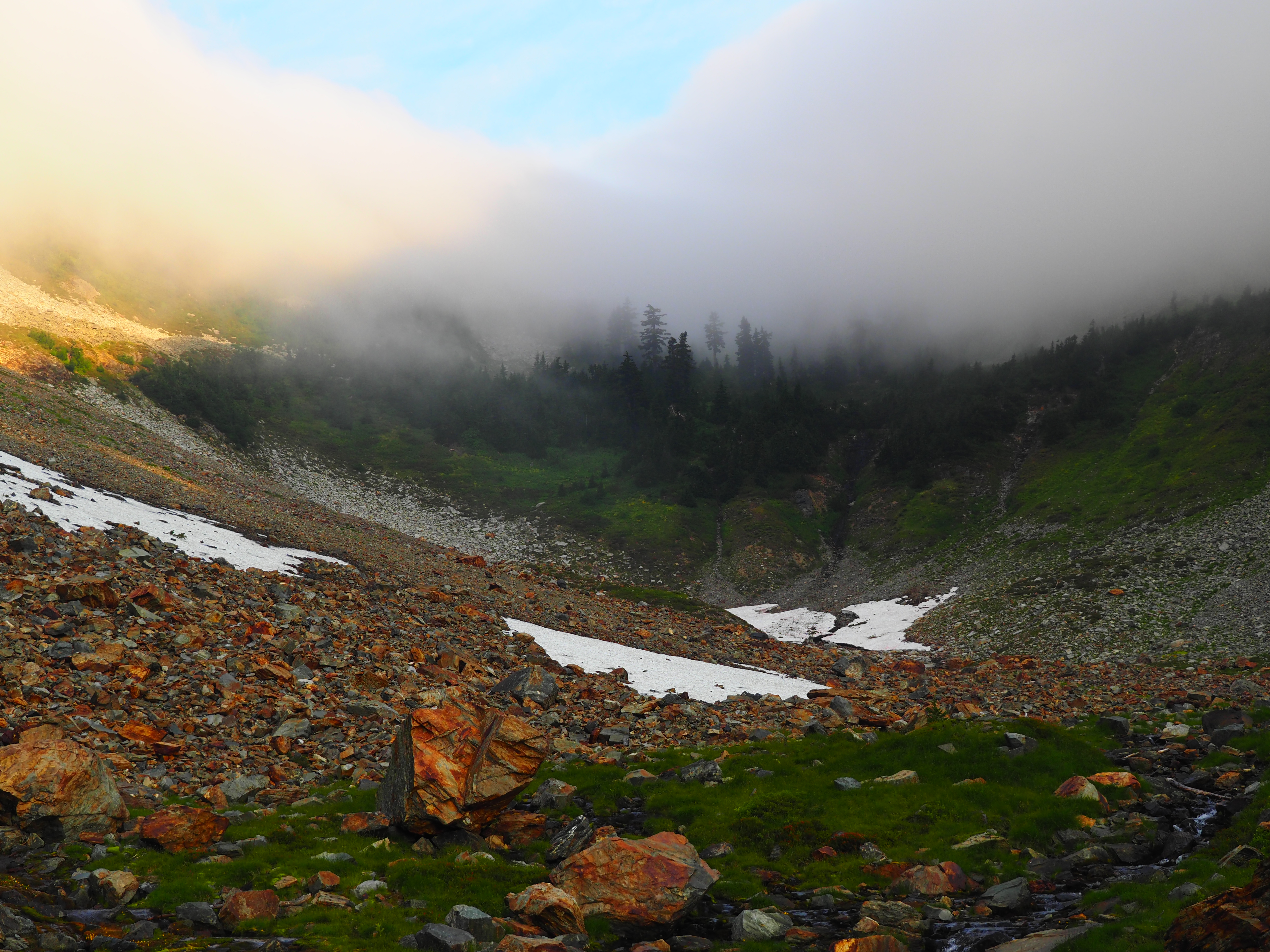
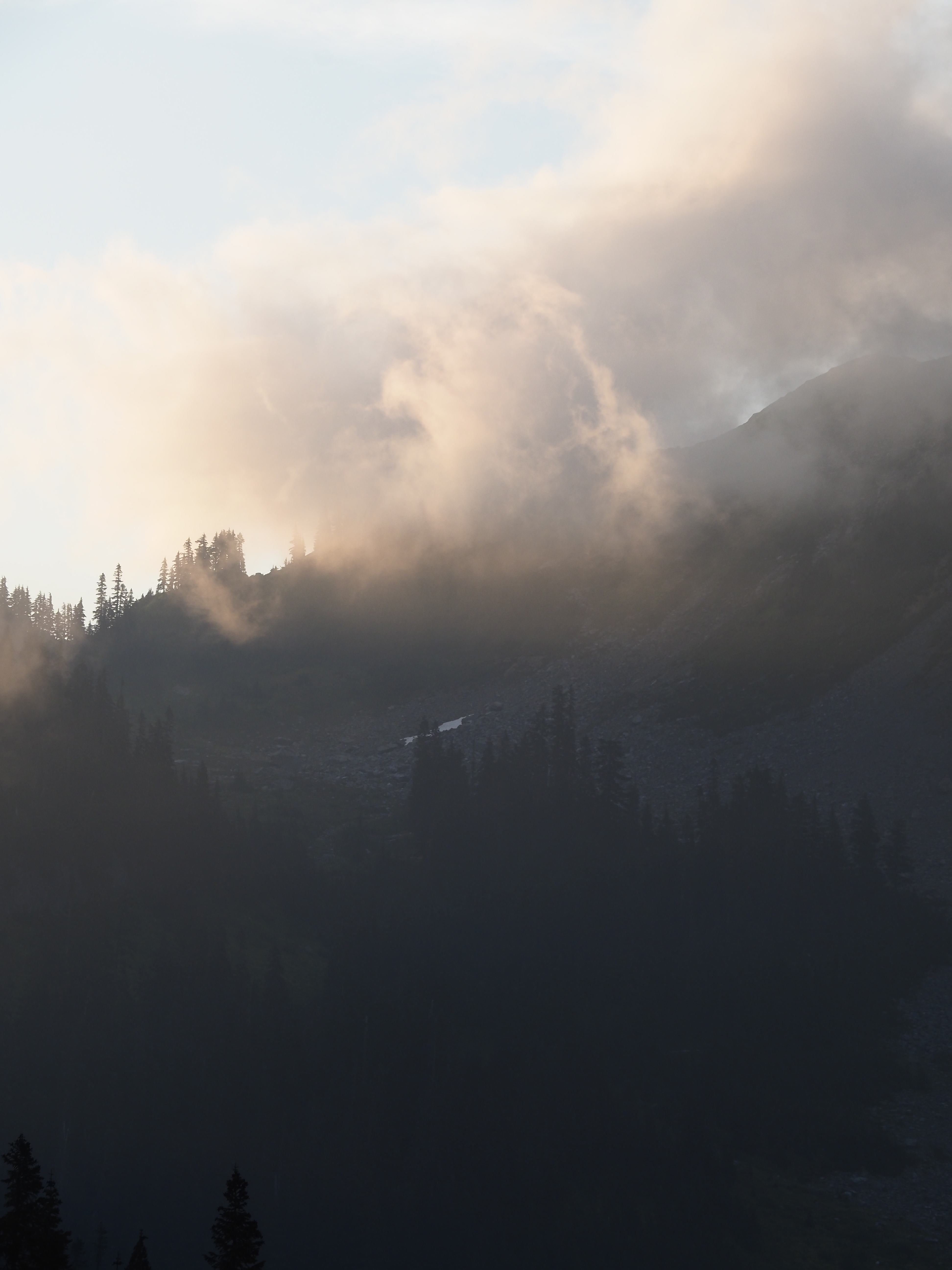
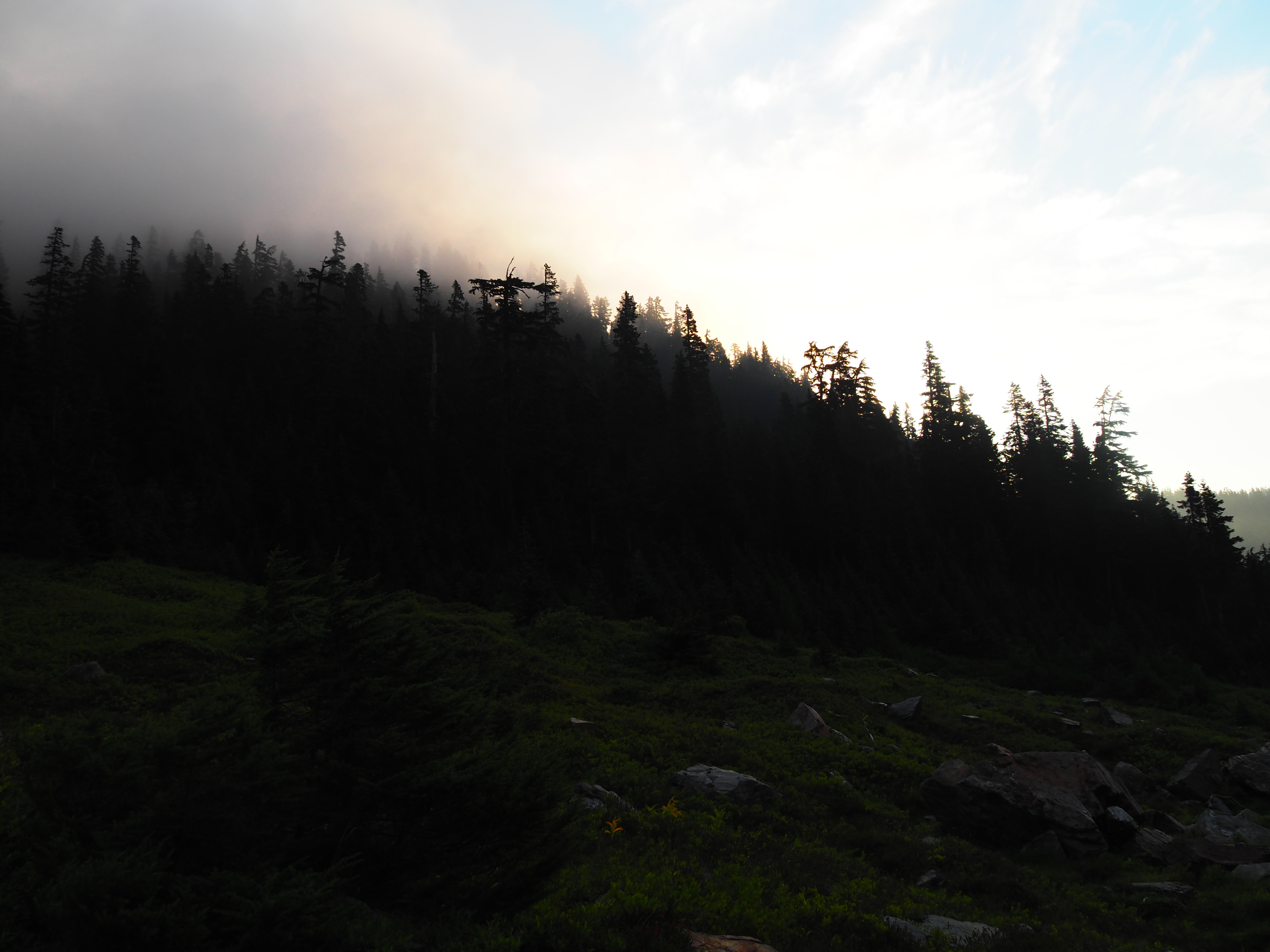
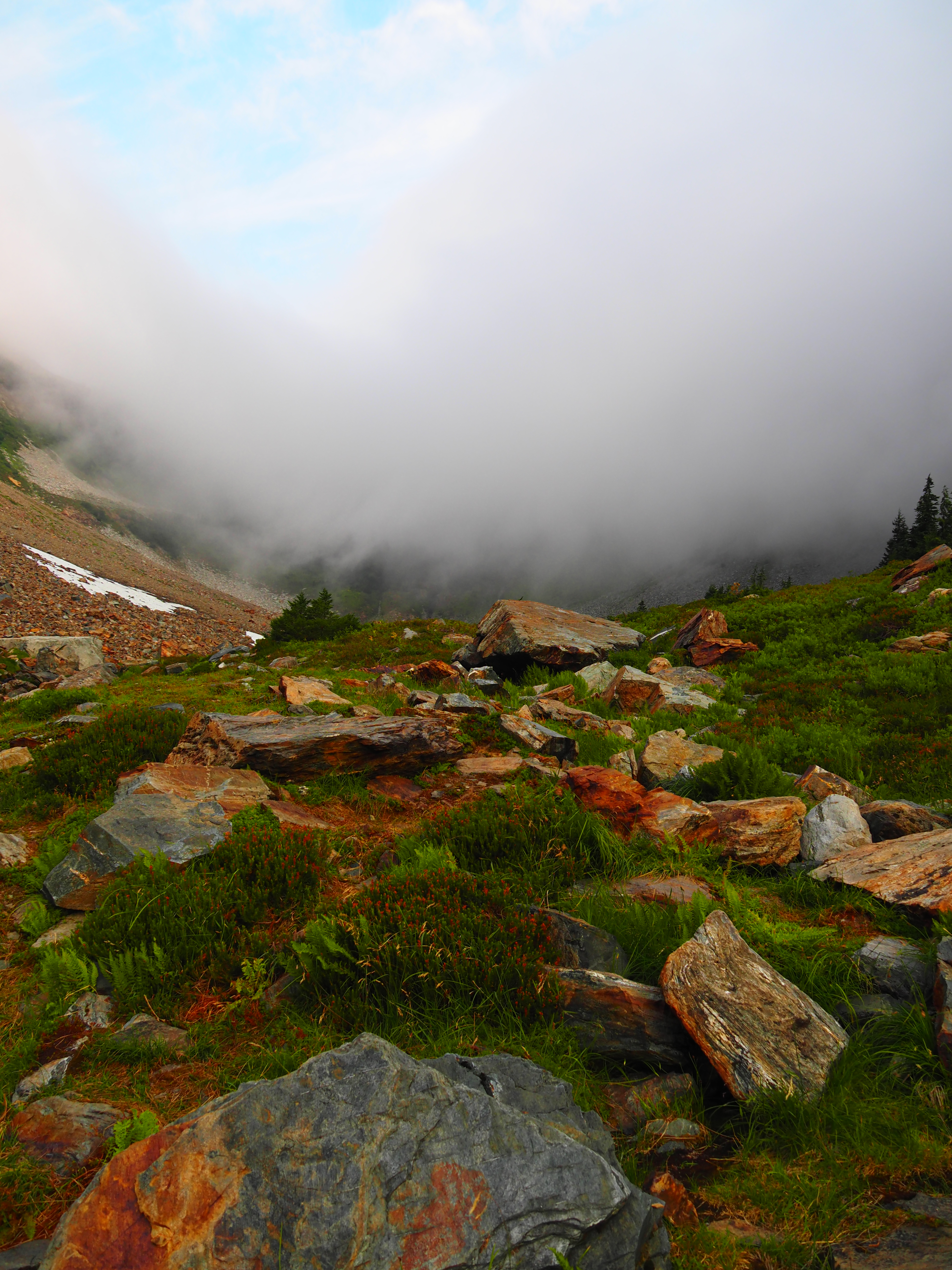
Weather can change quickly and dramatically in the Pacific Northwest. I woke up on my final day in the North Cascades to a biting wind and this immense fog bank drifting over the top of Cascade Pass on pushed down the valley by an almost constant wind. It didn’t keep our resident bear away, though. Apparently wild blueberries are great in any weather.

Sabbatical Notes: Animals

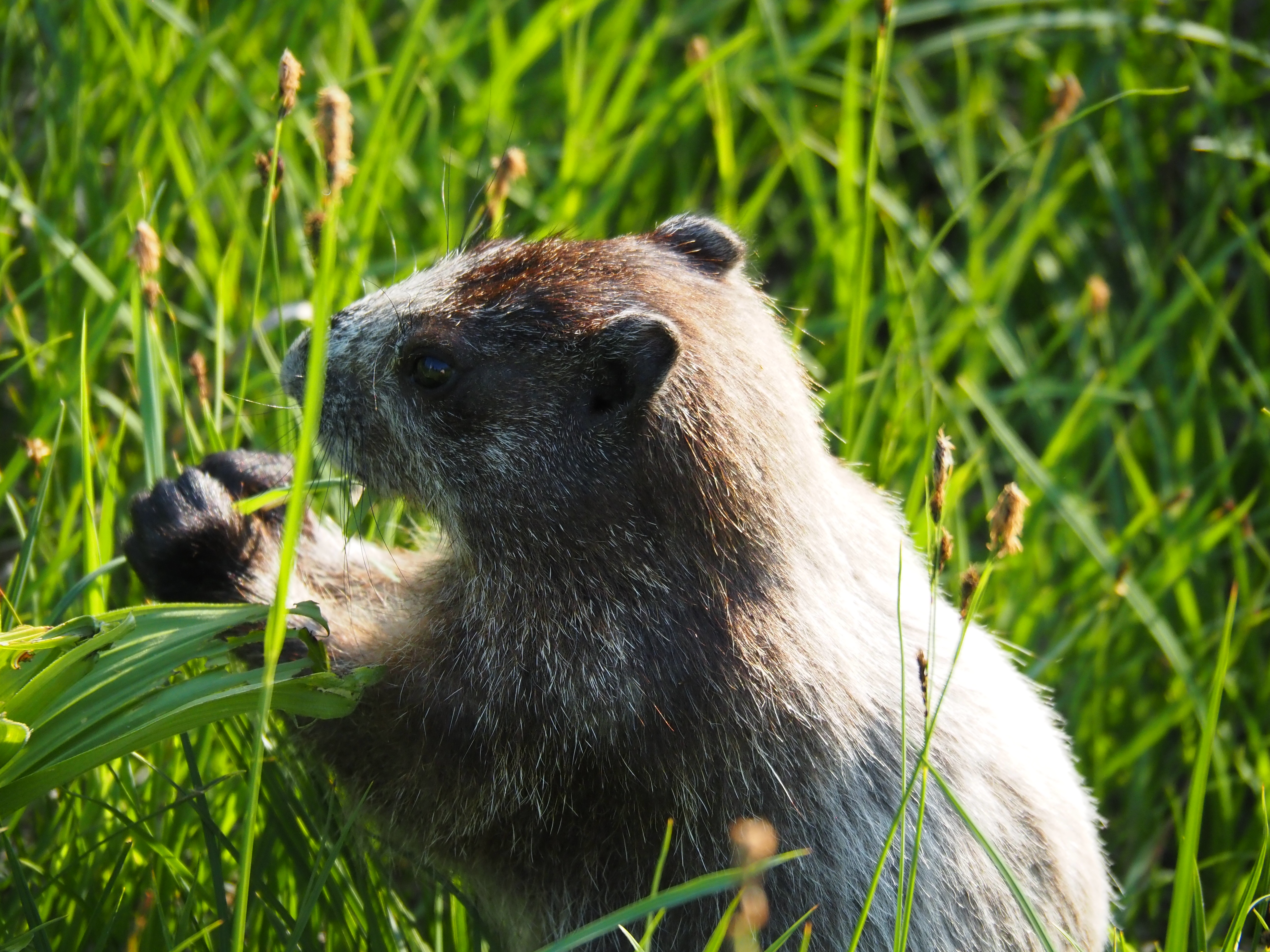
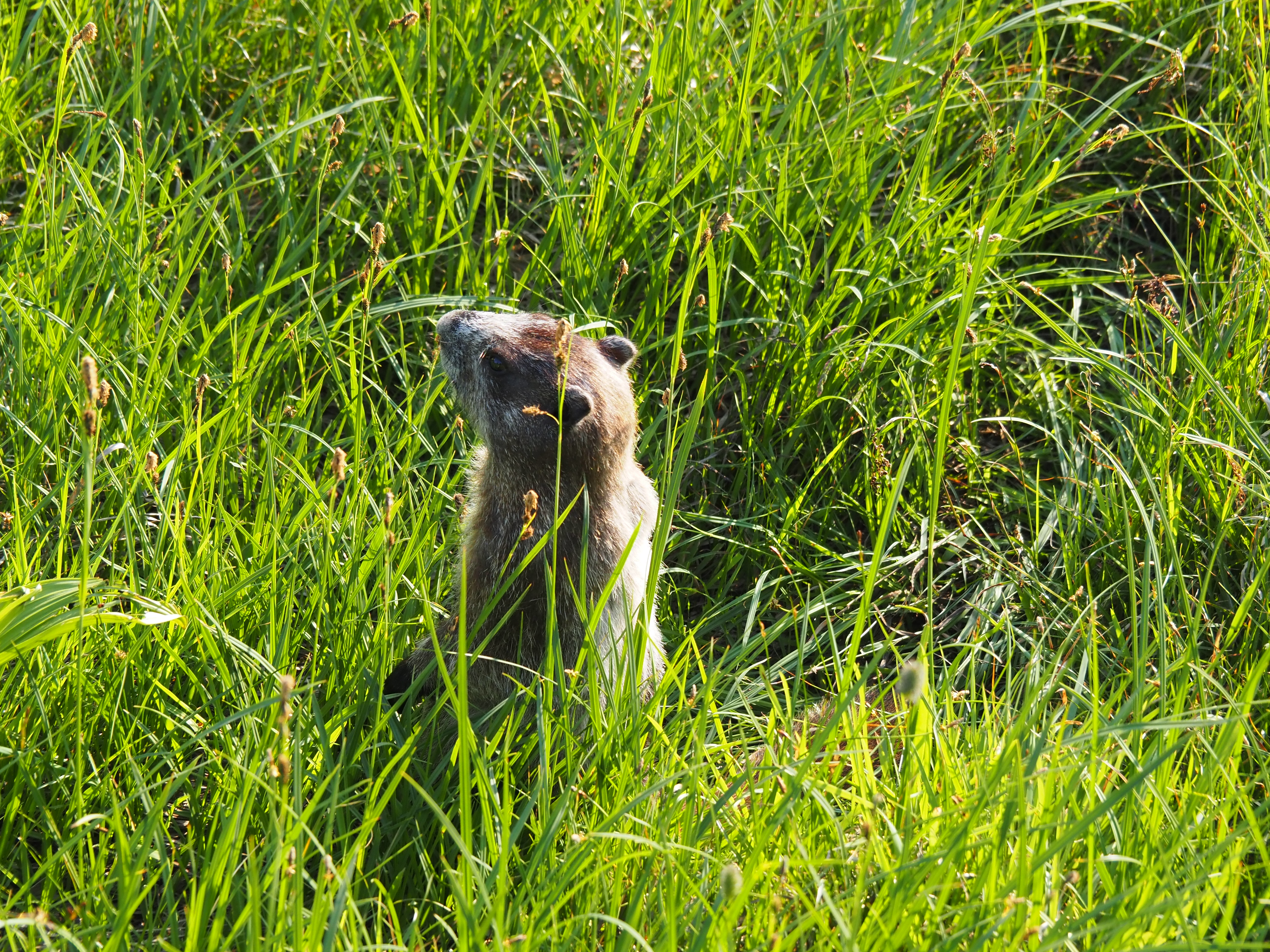
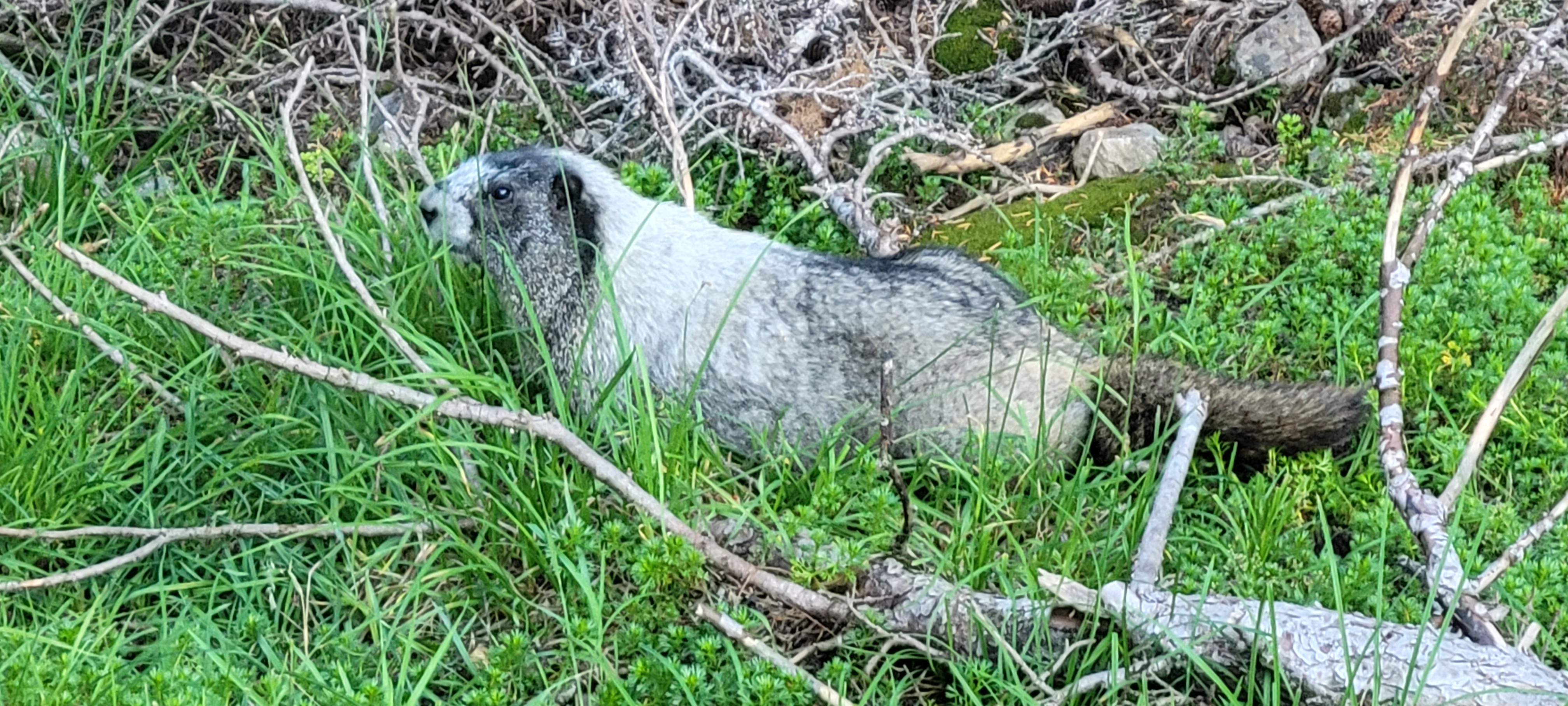
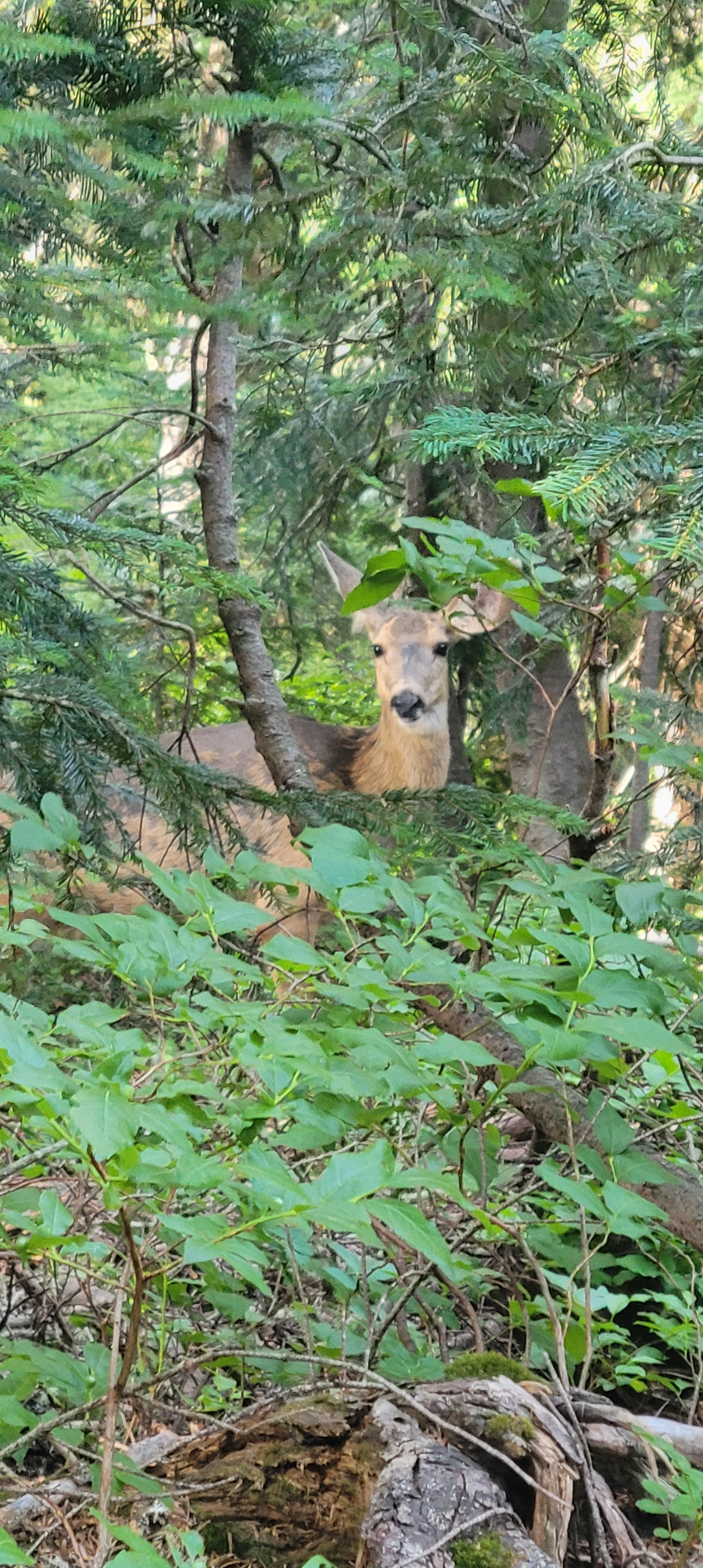
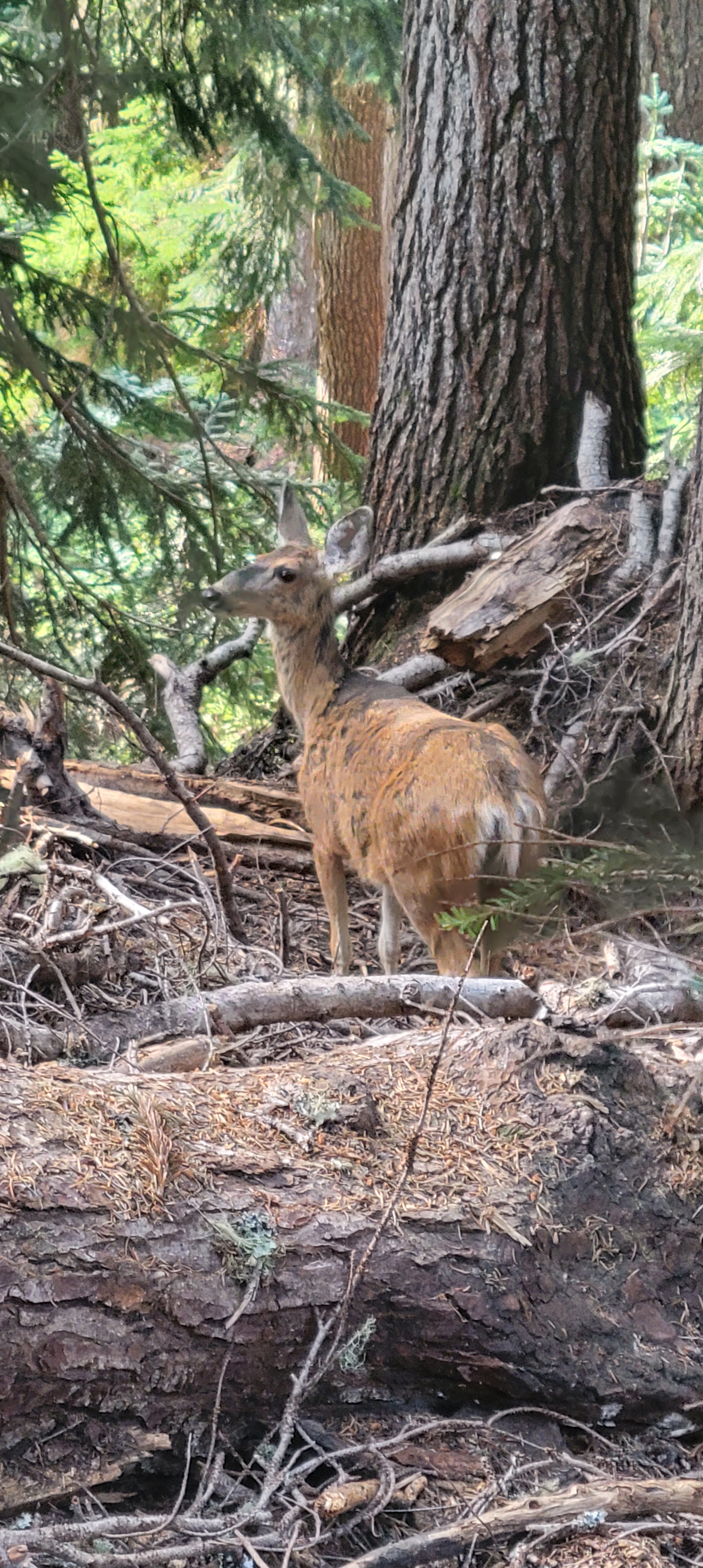
Animal sightings were pretty rare in the first few weeks of my sabbatical, but in Cascades National Park, there was a sudden abundance of encounters. I had never seen a Marmot before, but they seem a completely endearing little animal. I sat in a little glen with this one for about 15 minutes, as she grazed about five feet from me.

The Mountain Goat appeared along a ridge during the course of a morning hike, and drifted over a series of rock ledges as I walked along the trail below.

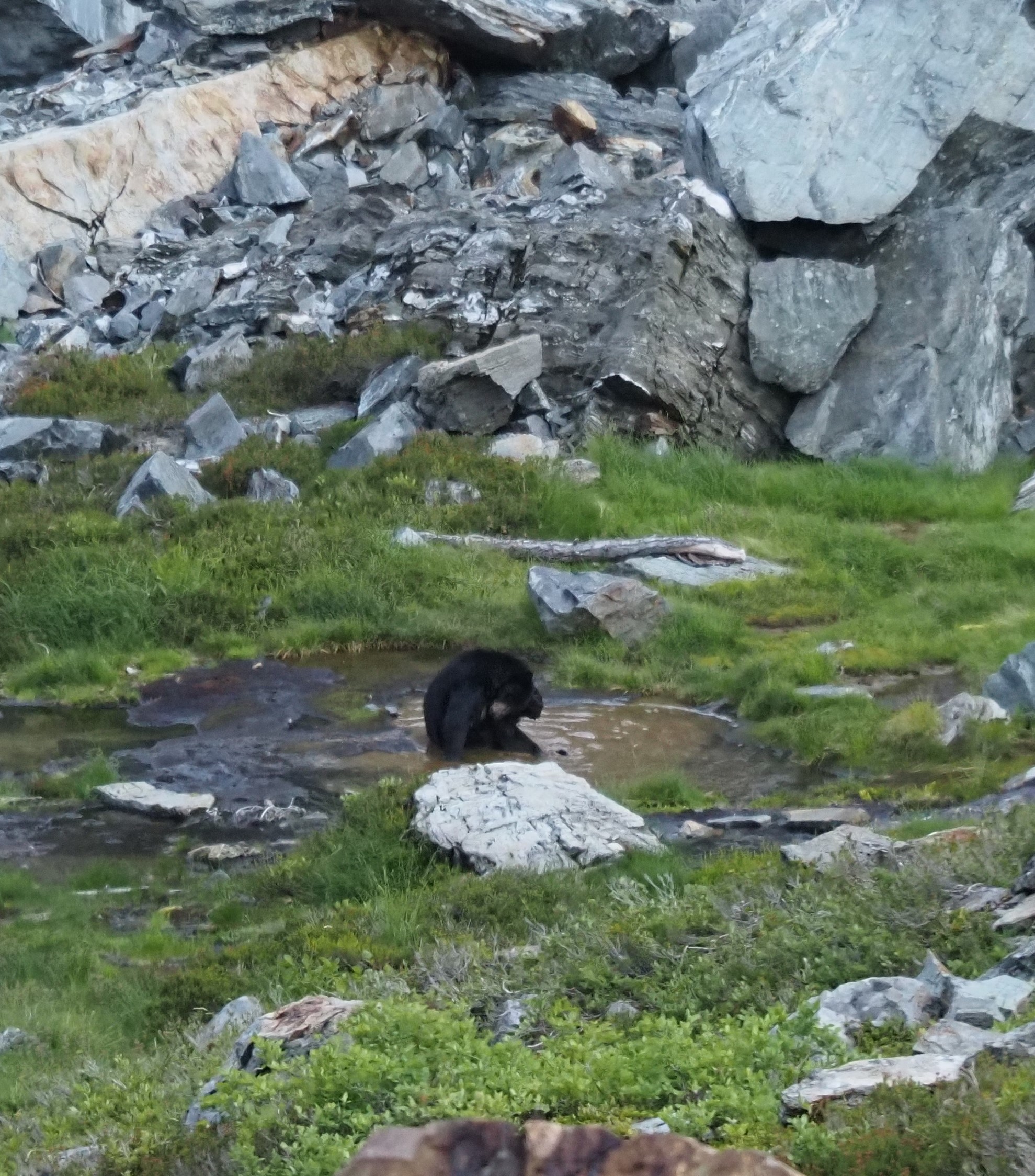
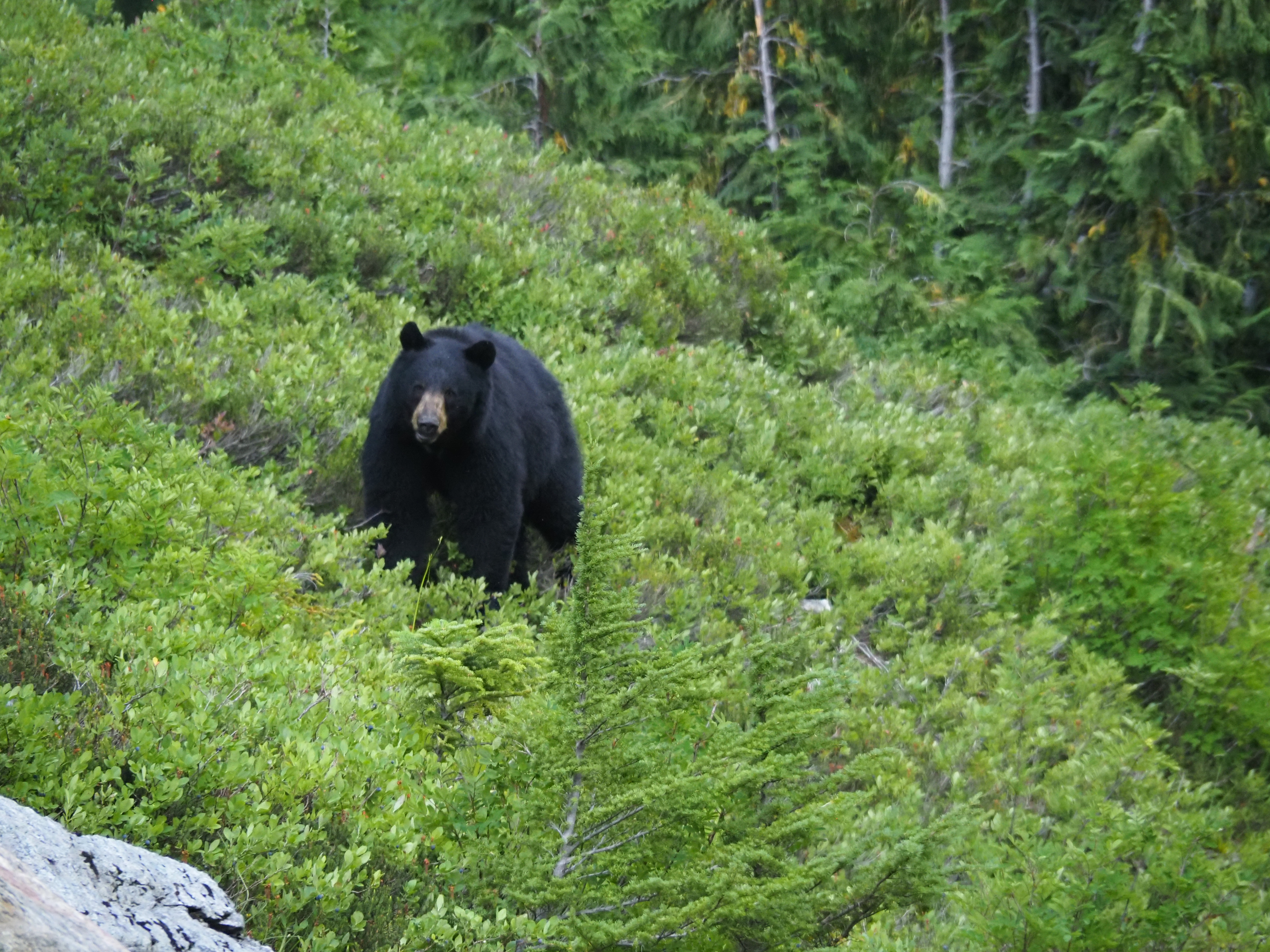
The Black Bear is one of a pair of siblings living in the valley adjacent to the campground at Pelton Basin. They spend much of the day grazing on the abundance of wild blueberries that thrive along the creek running down from the glaciers. This one was around for all three days, seemingly aware of the our presence and generally content to keep his distance. His brother or sister seemed a little more adventurous, wandering into the woods to look for food along the trails leading from the campground down to the creek. One morning, as I was coming up from the creek with water for breakfast, I came around a corner of the trail into a small glade to find her eating breakfast a few feet off the trail. It’s difficult to say for certain which of us was more startled; but she jumped quickly back into the woods and continued to graze (the last picture in the bear series).

Even armed with the knowledge that Black Bears are typically harmless unless threatened, coming so close to something this big was a fairly powerful reminder of how marginal our place is in wild places.

Sabbatical Notes 4 Wildflowers

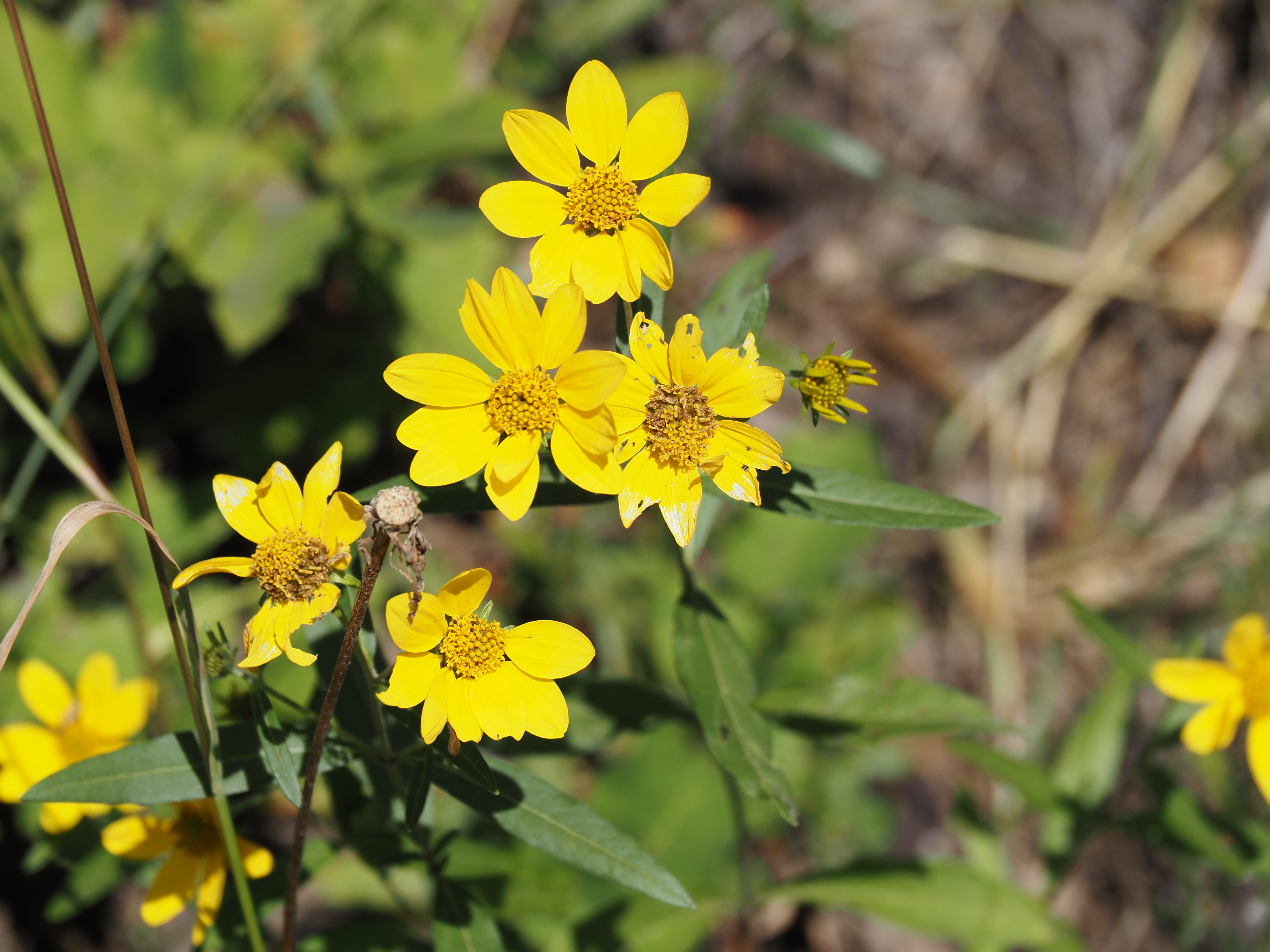
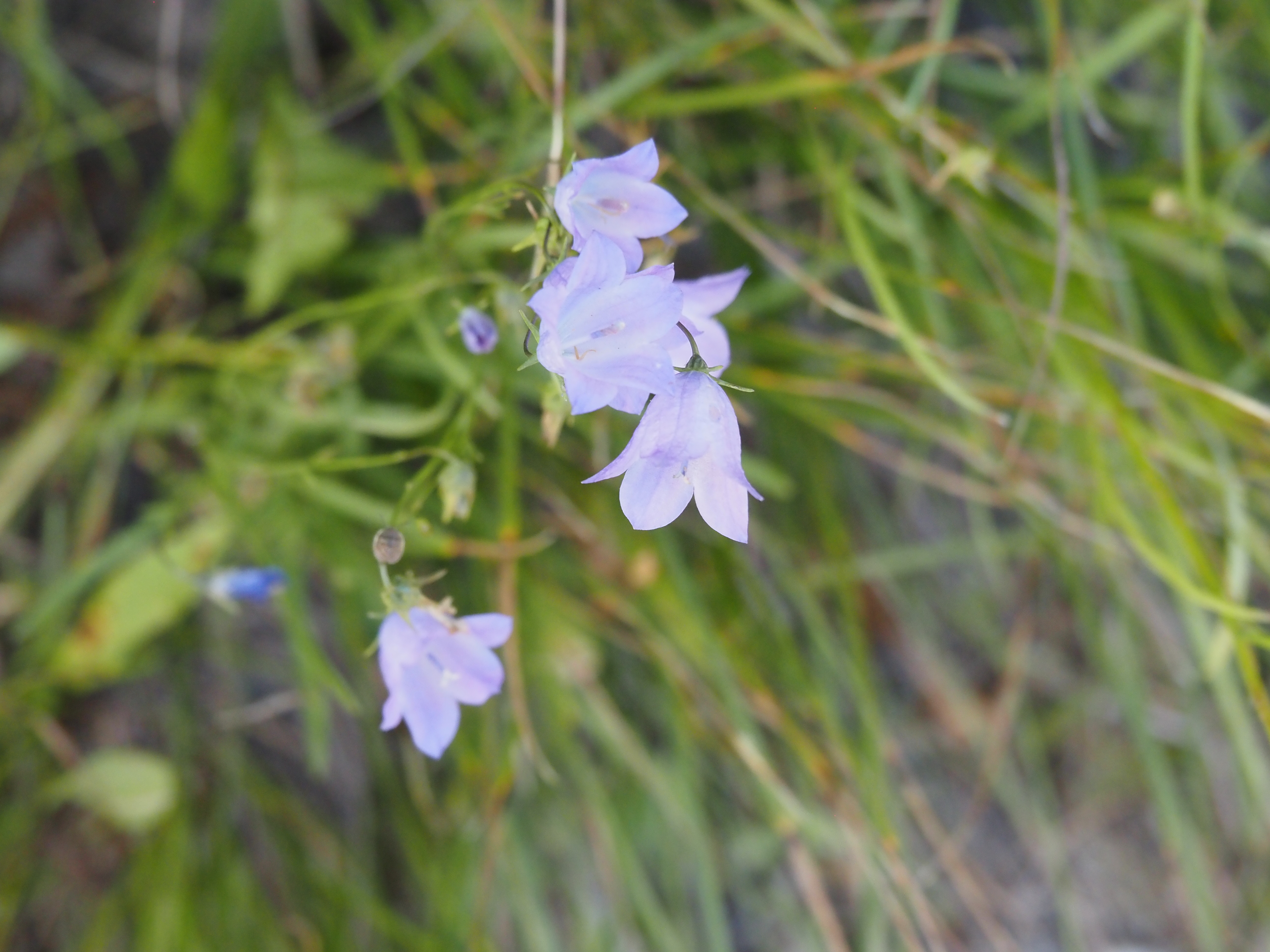
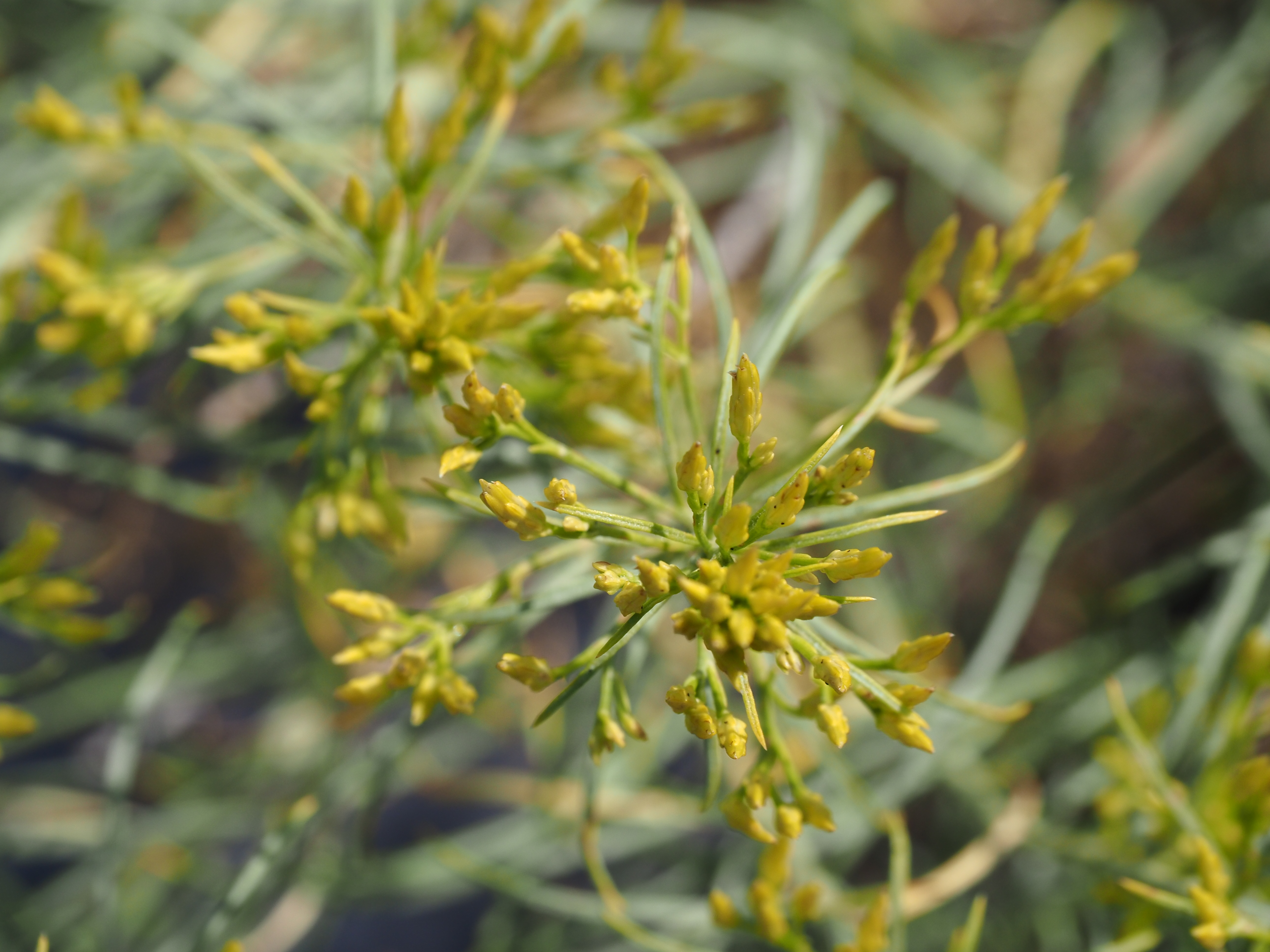
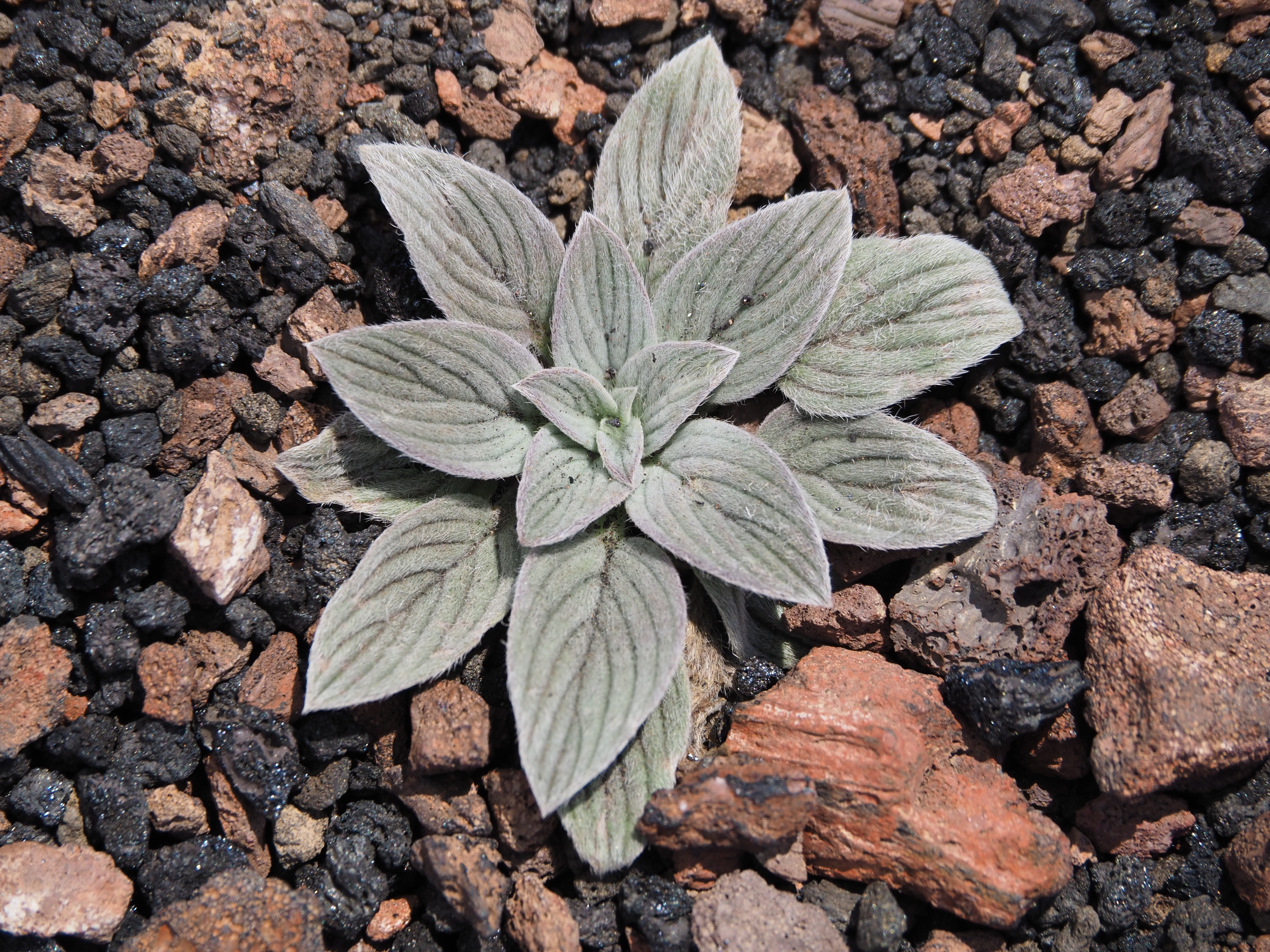
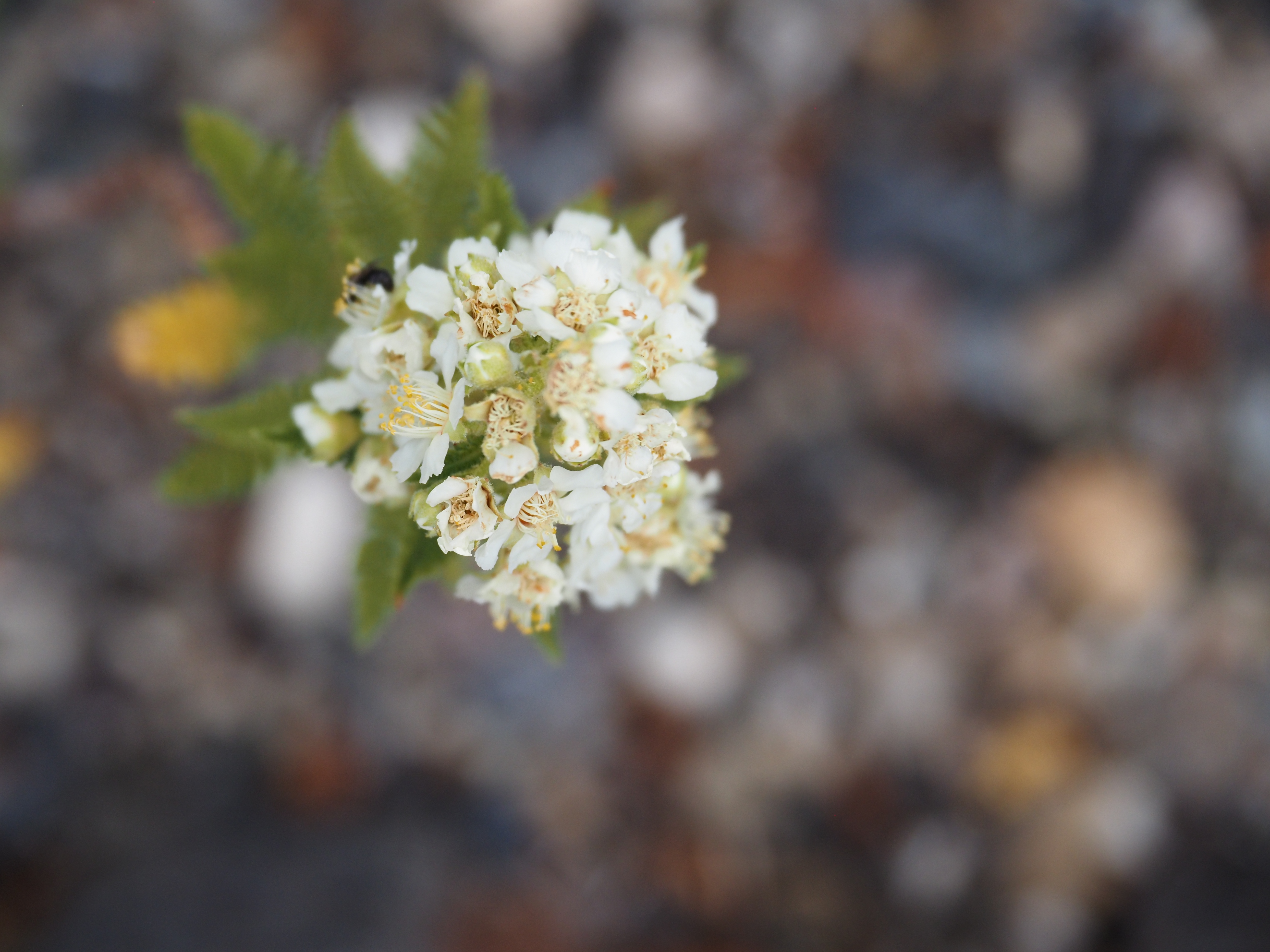
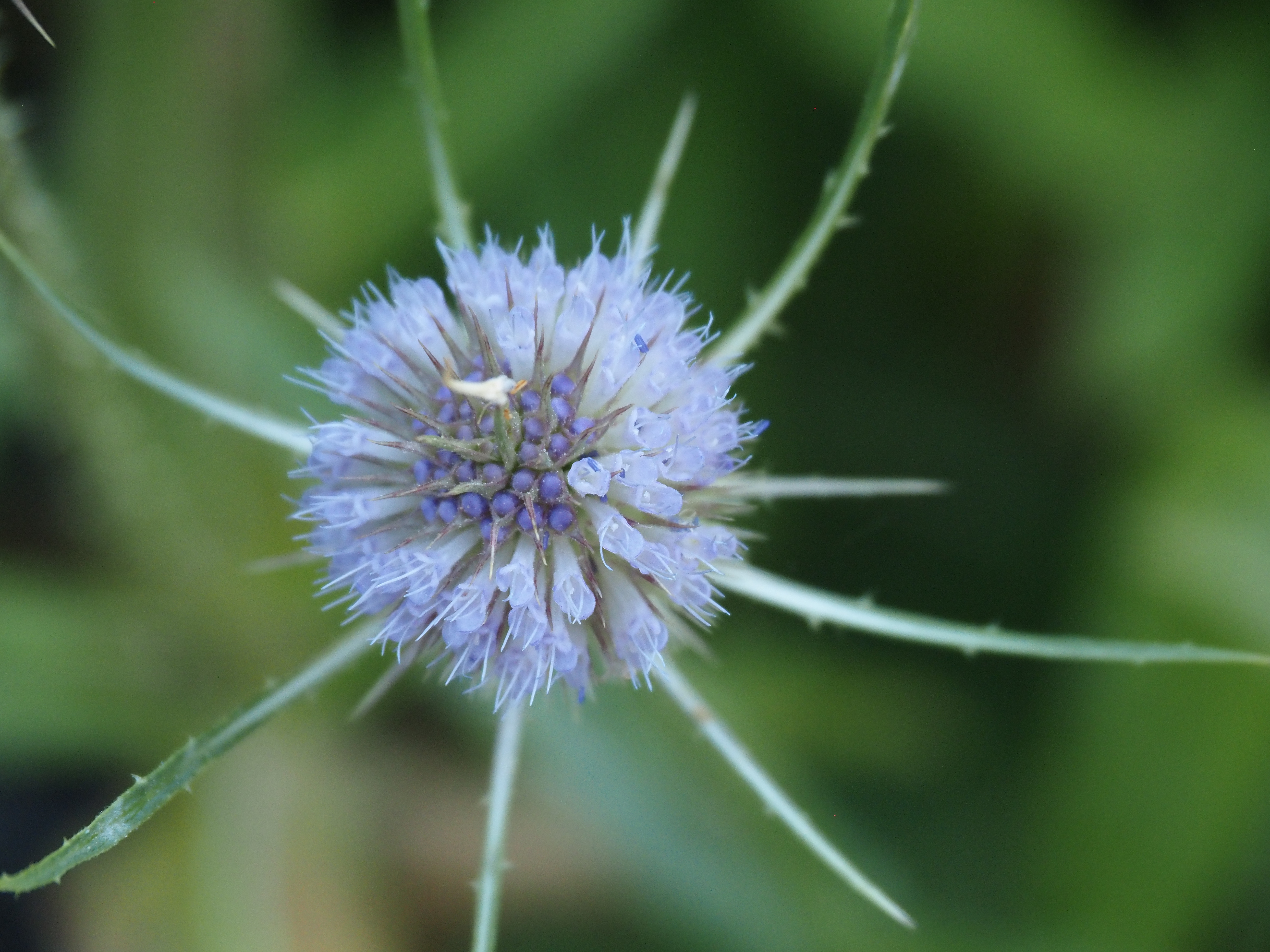
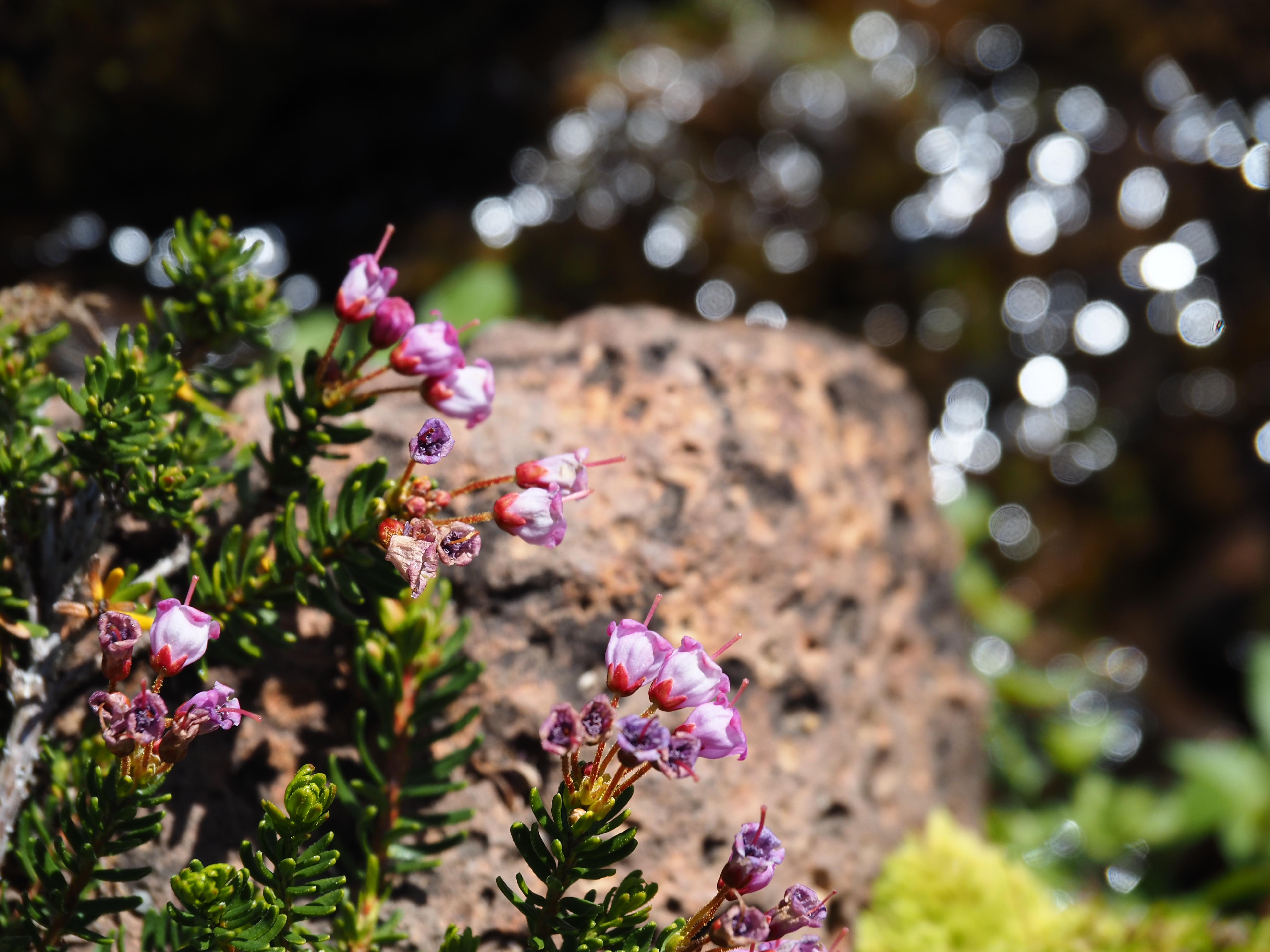
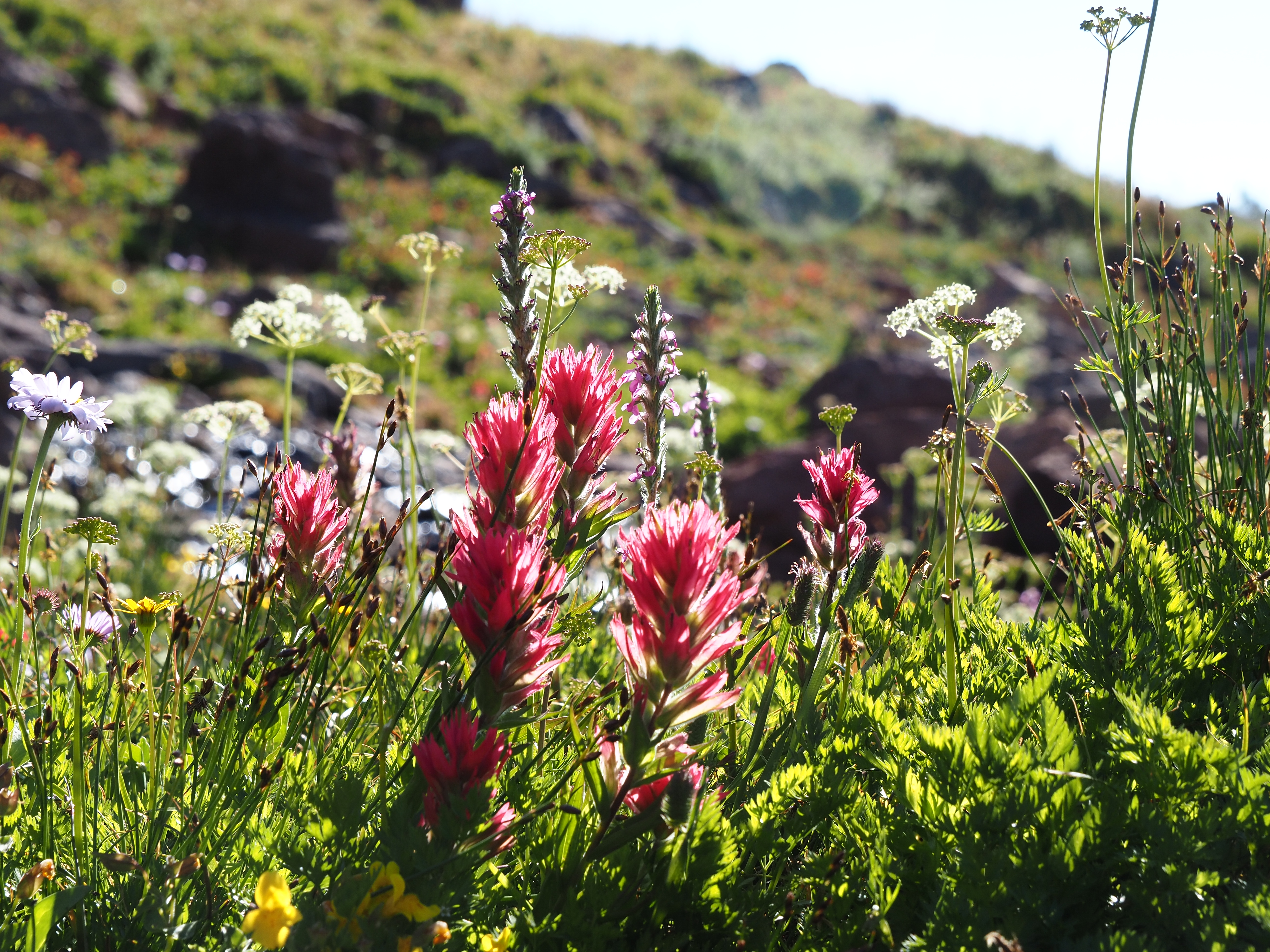
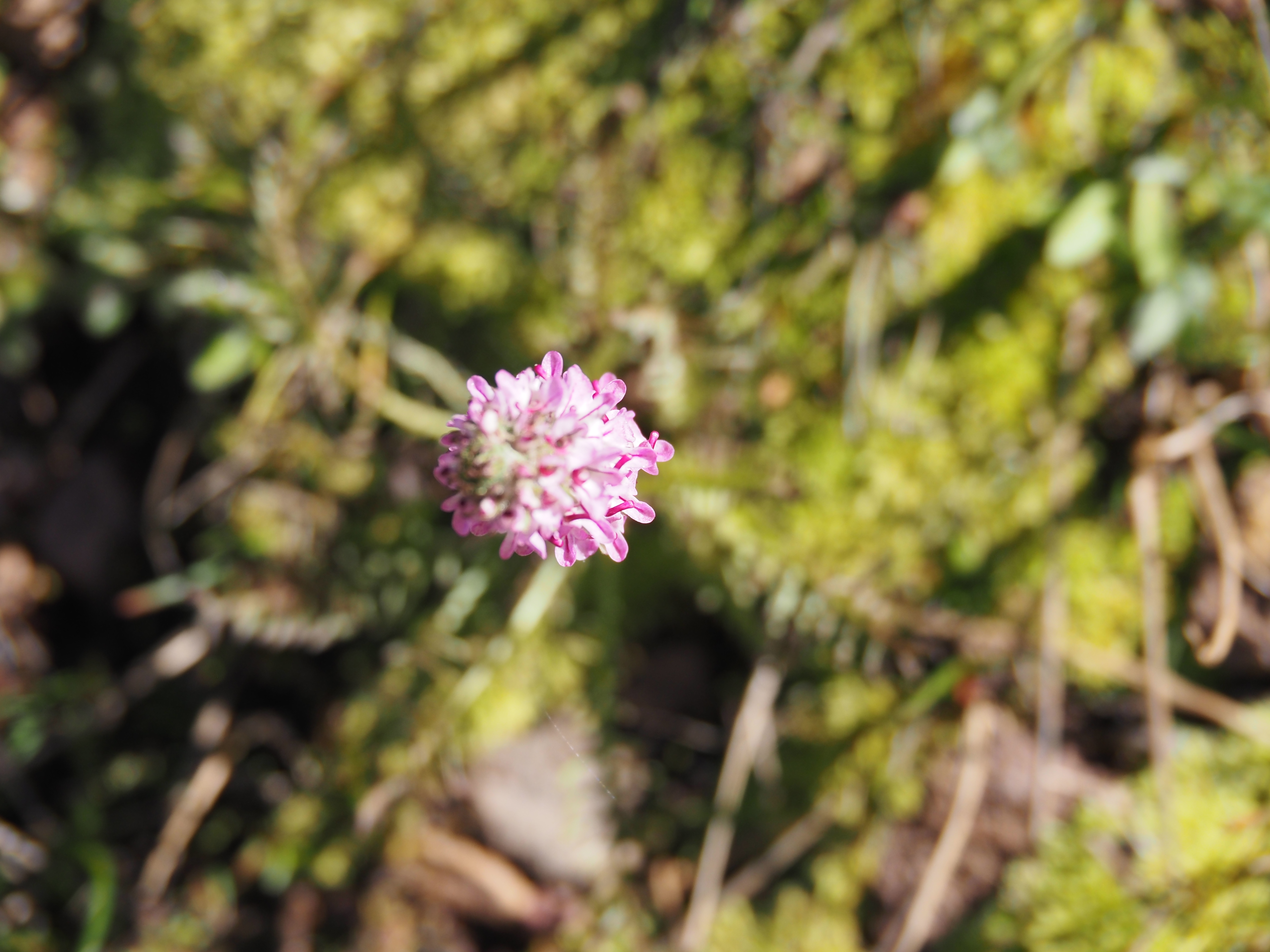
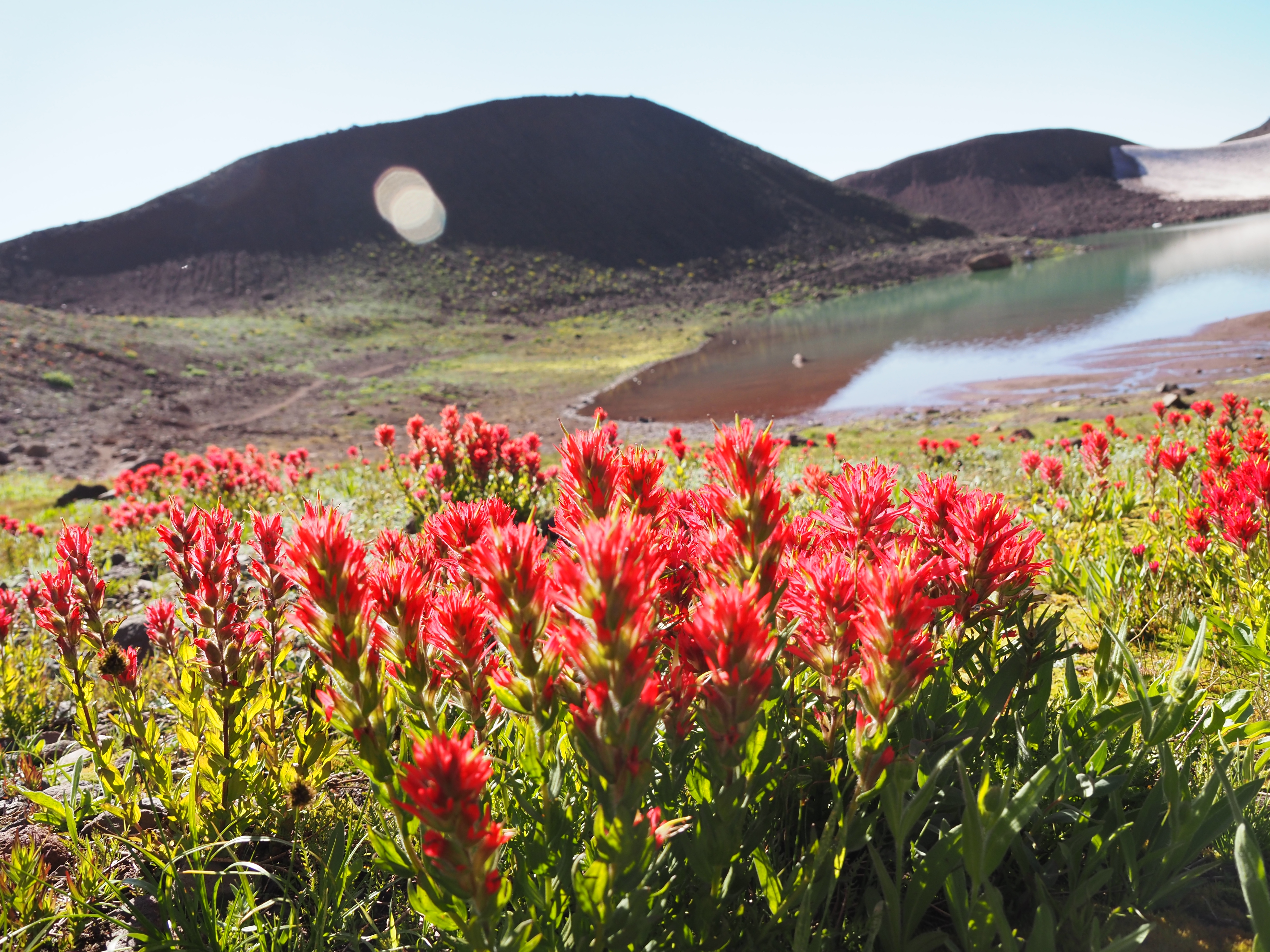
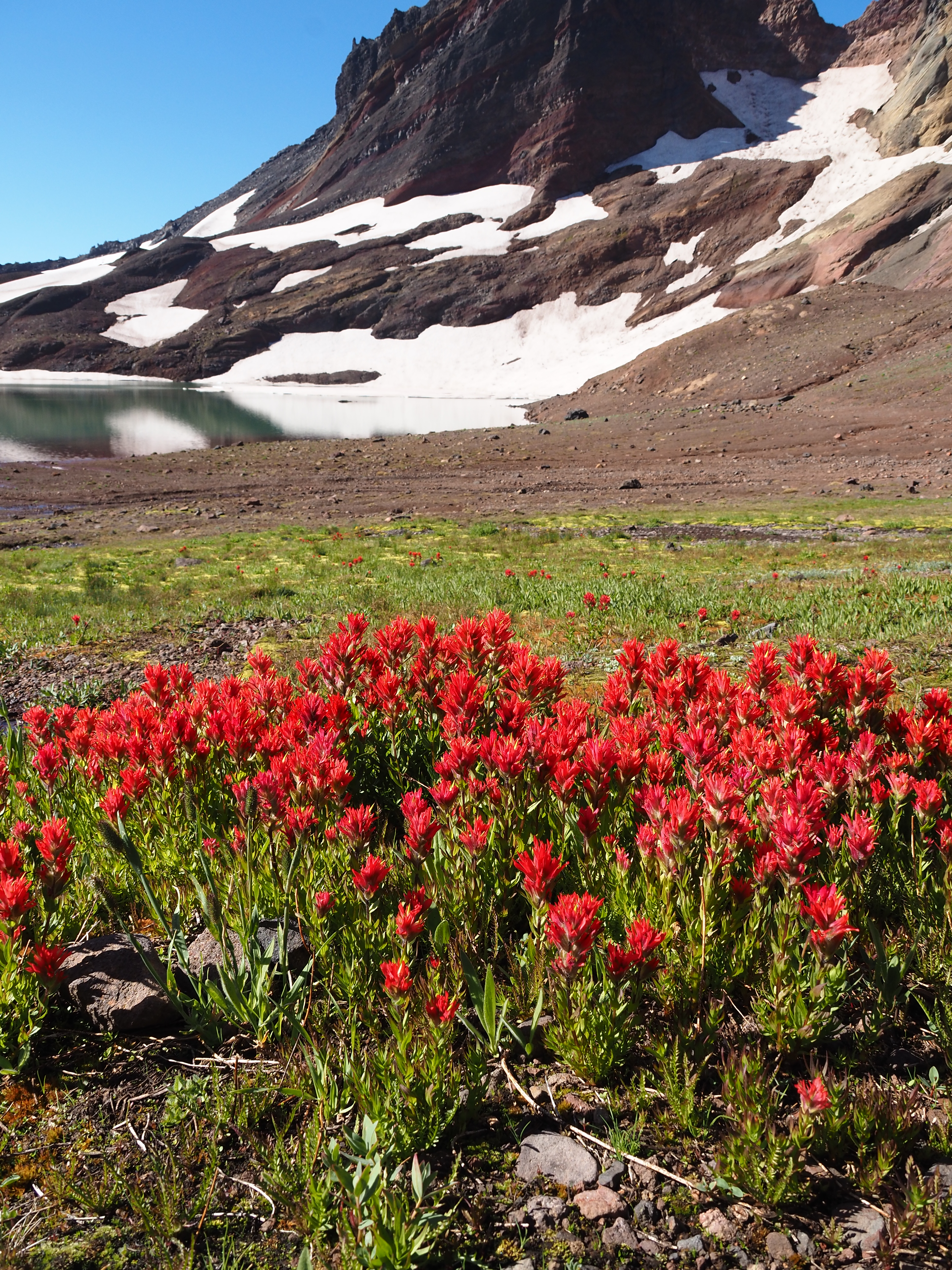
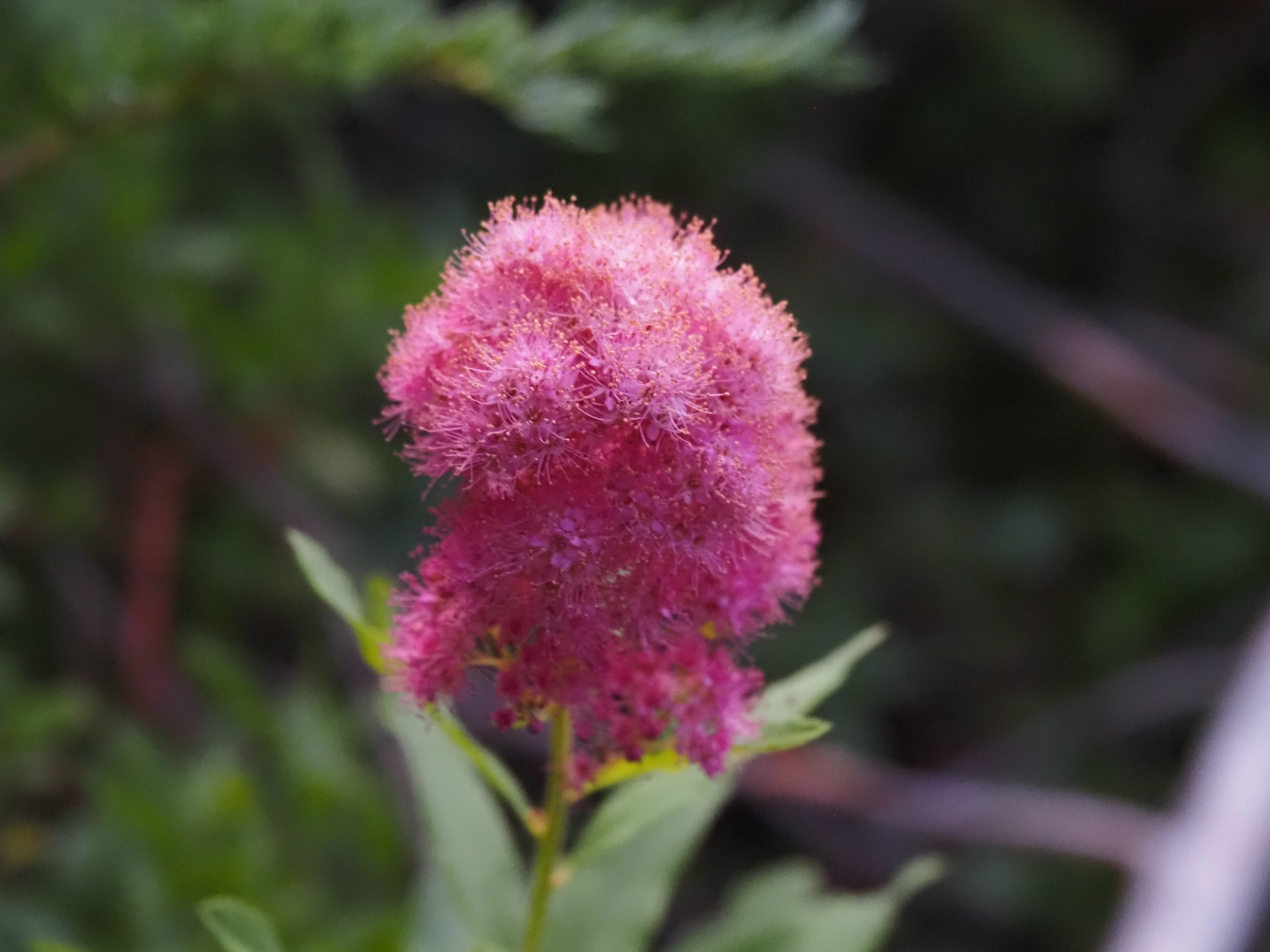
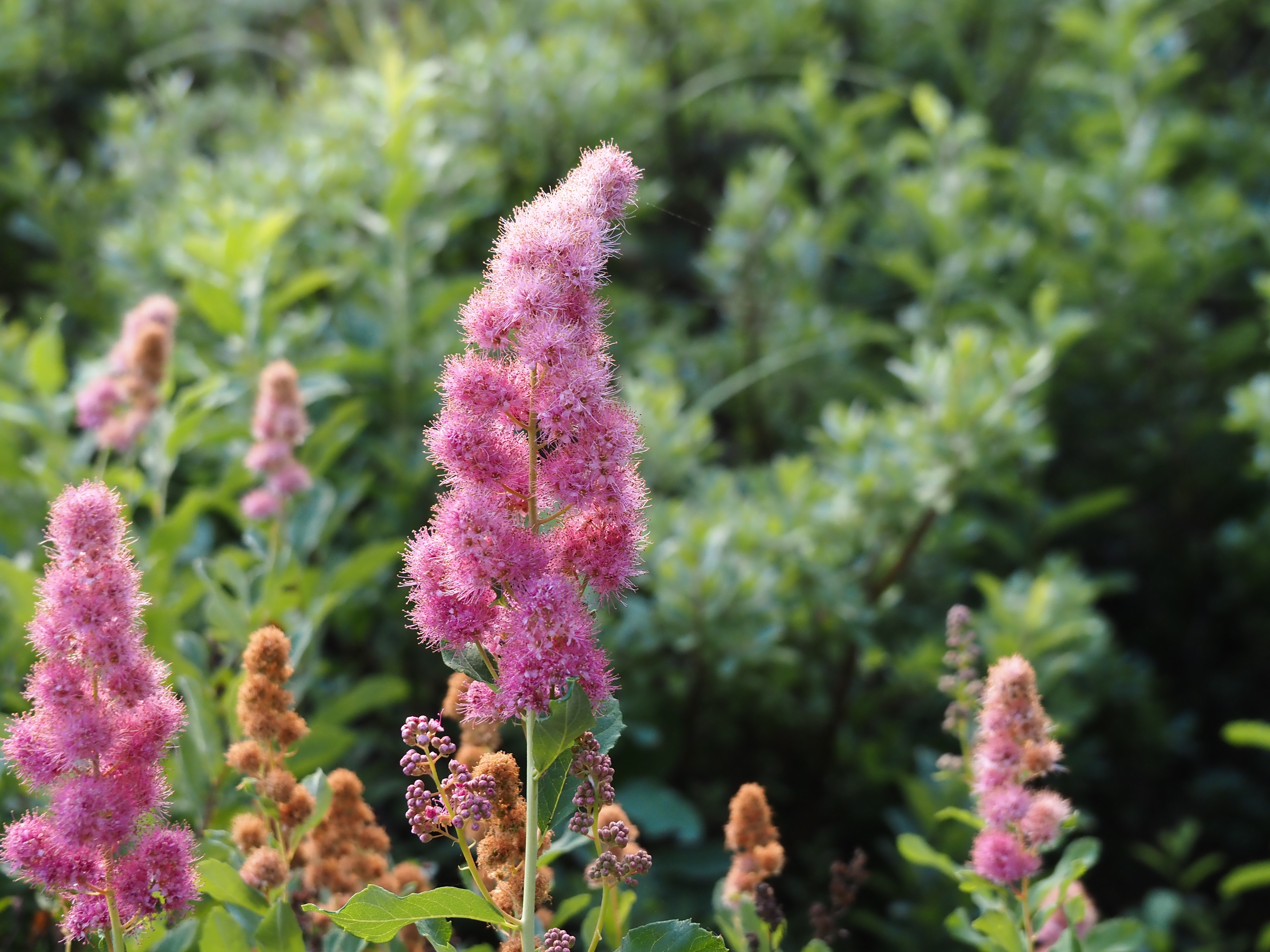
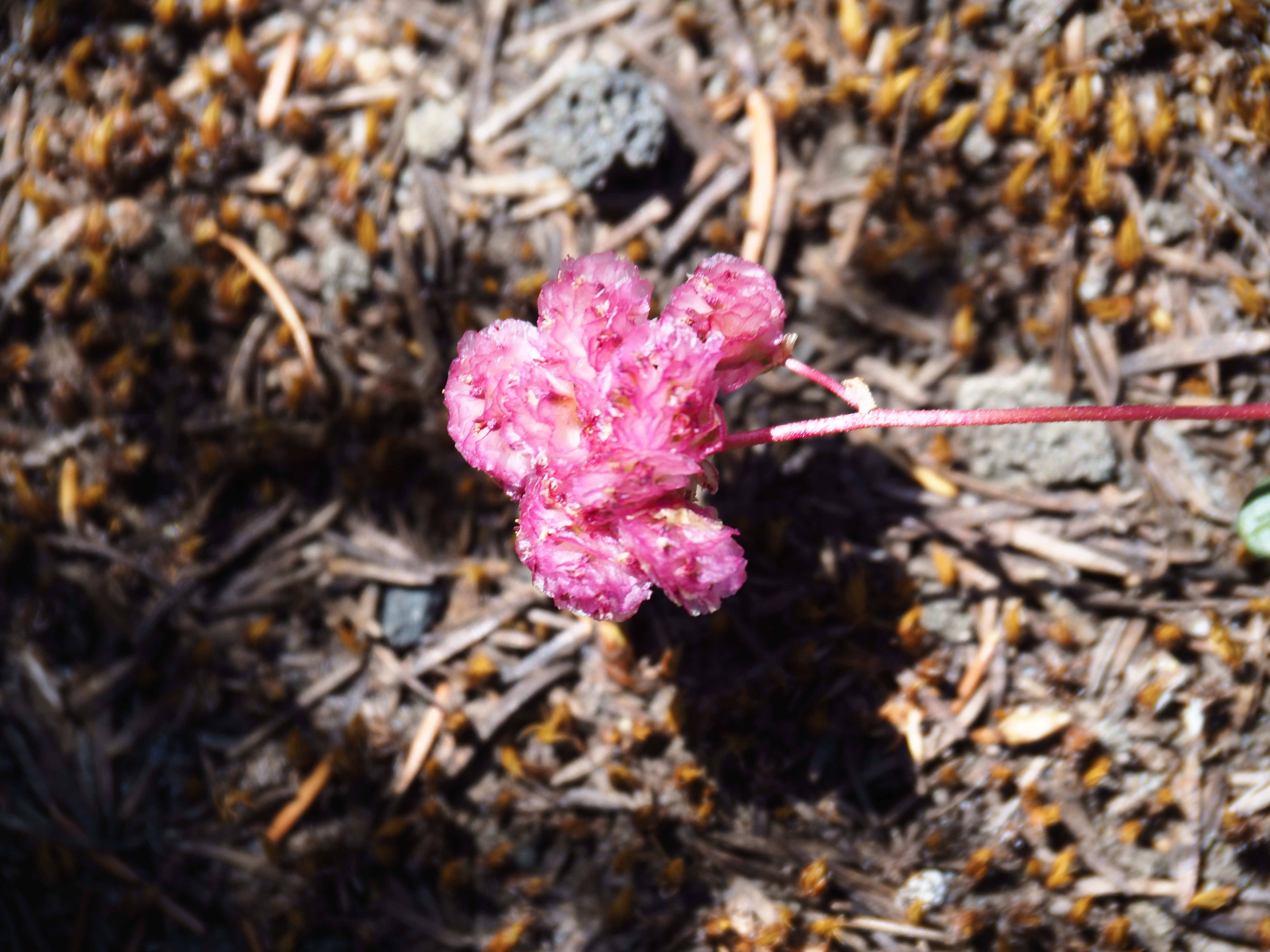
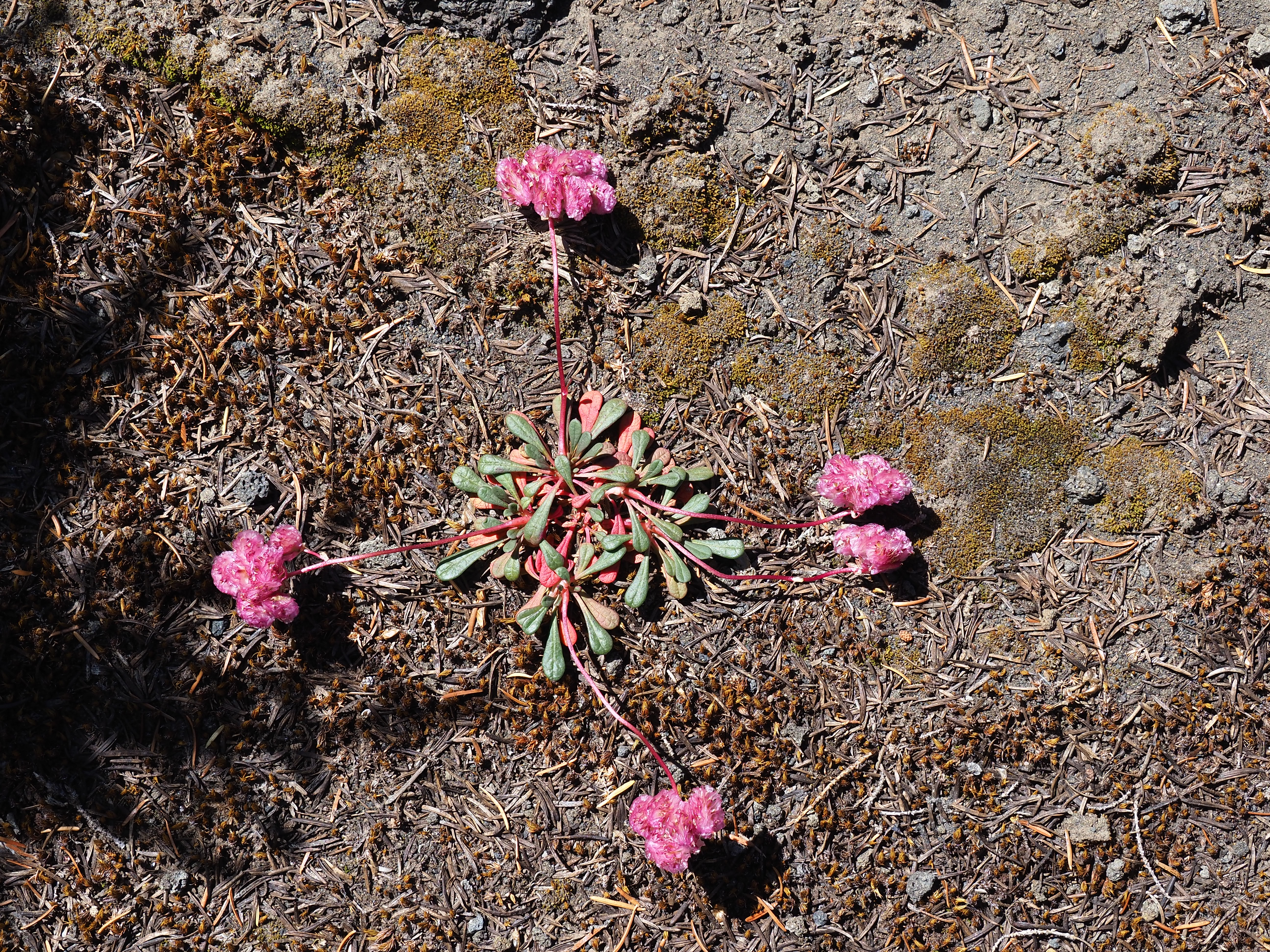
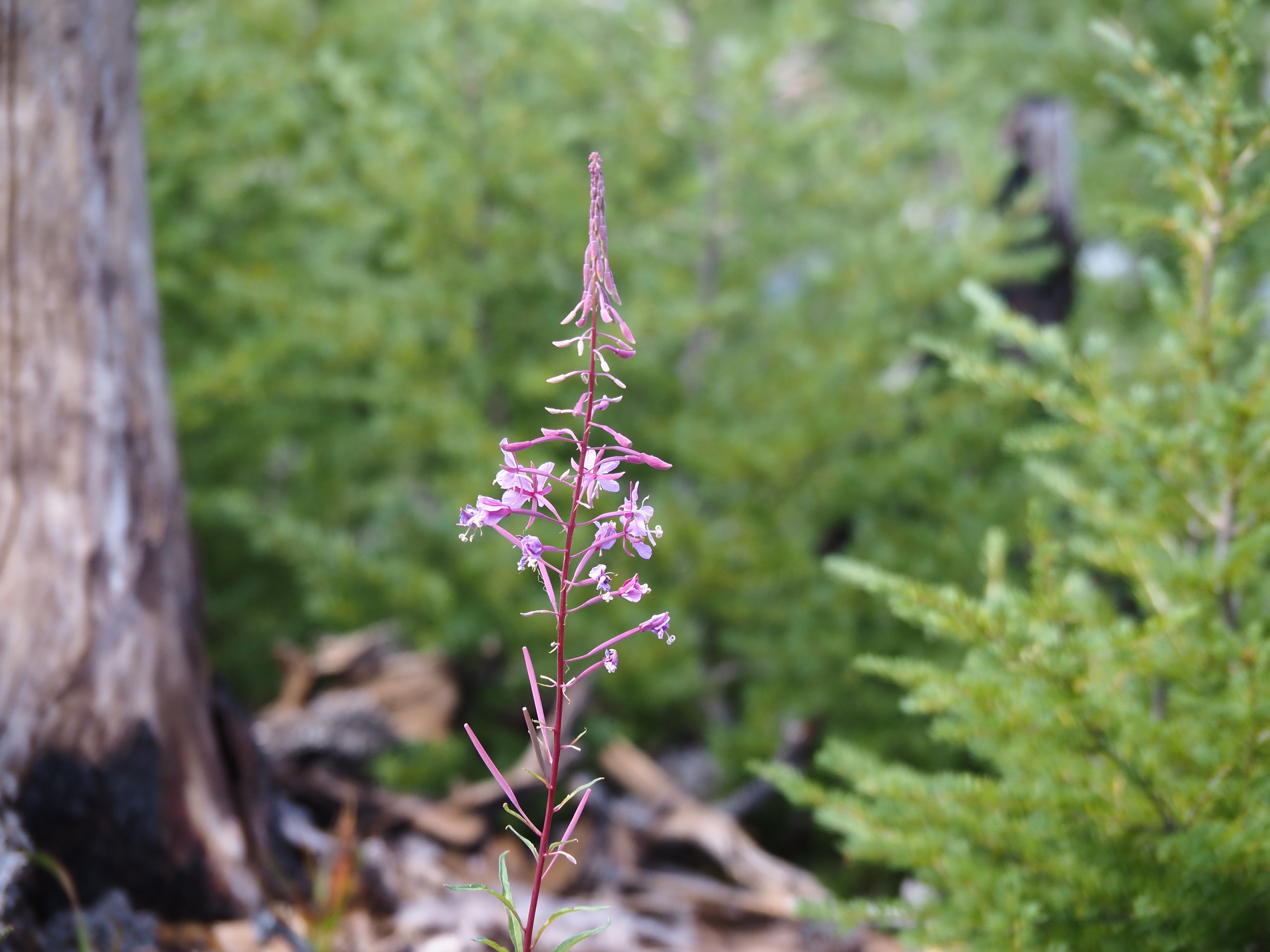
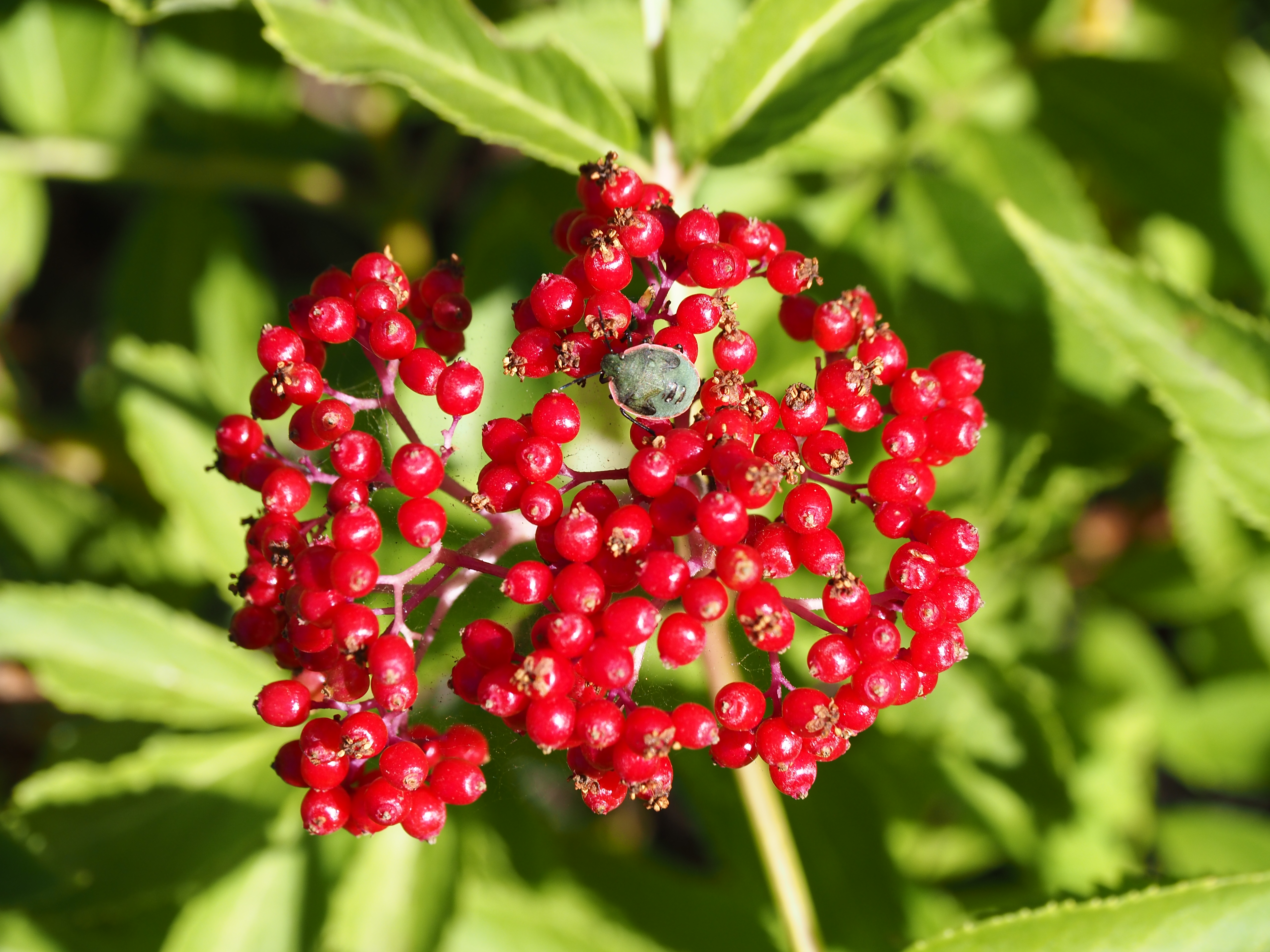
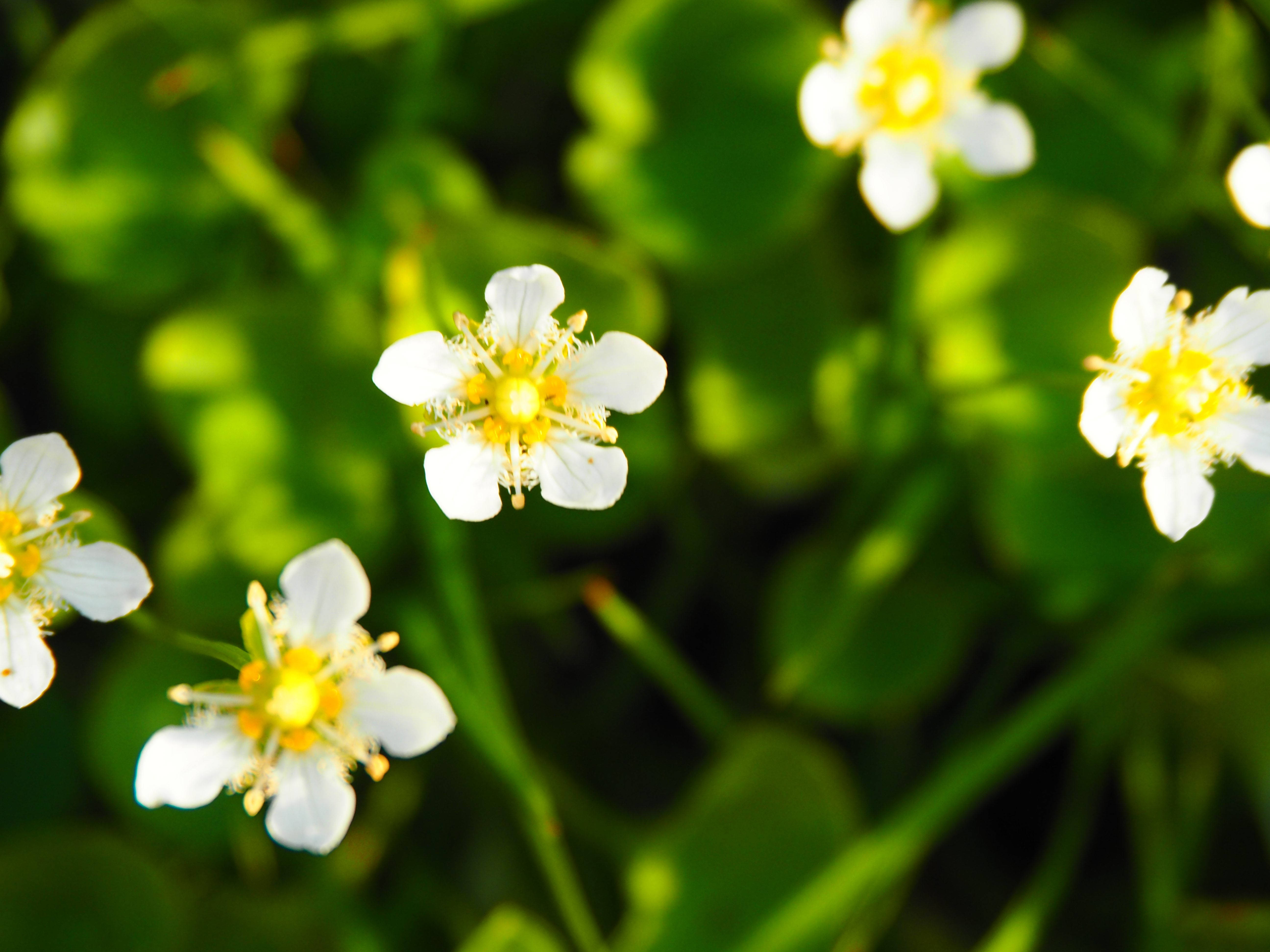
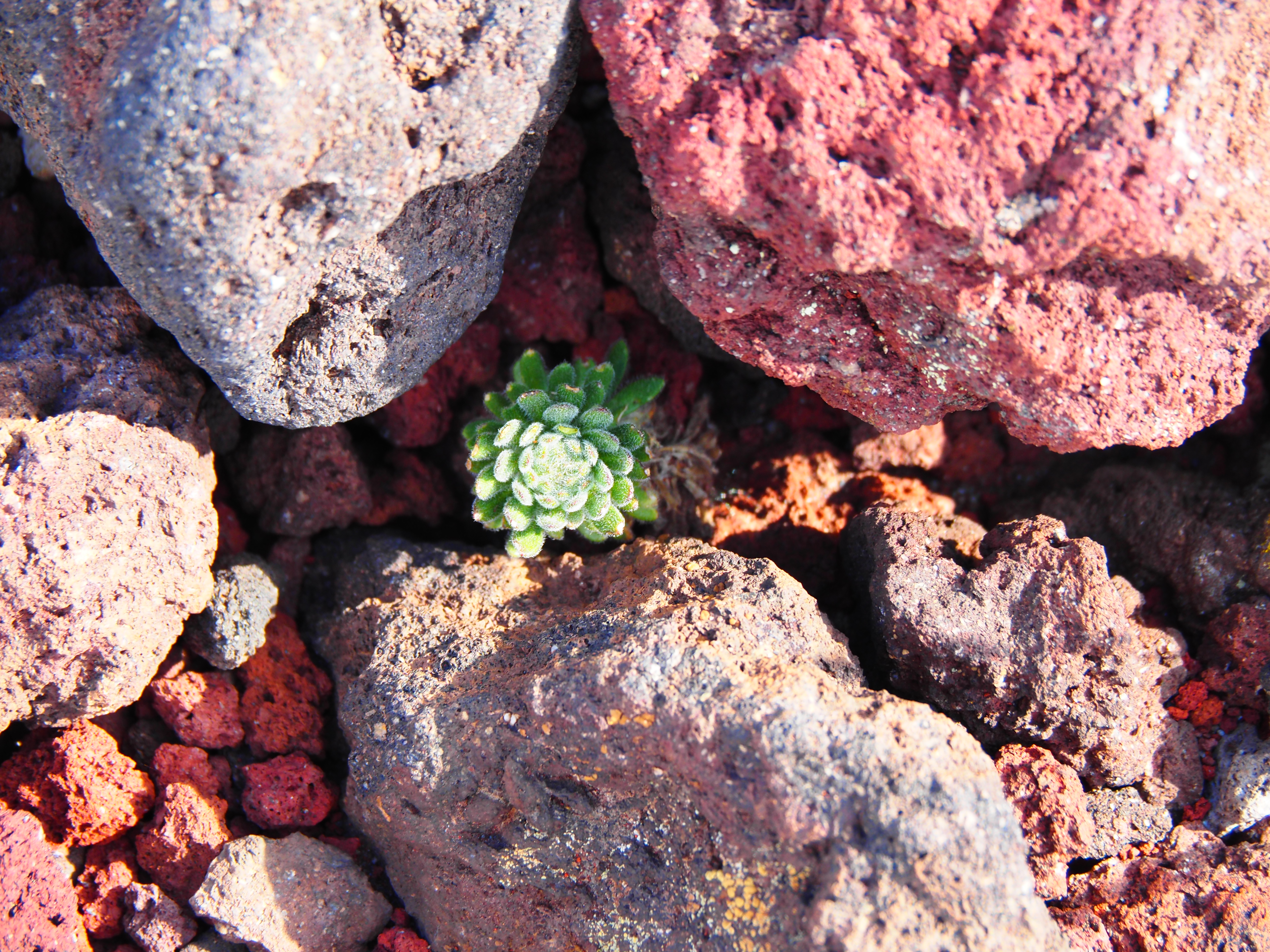
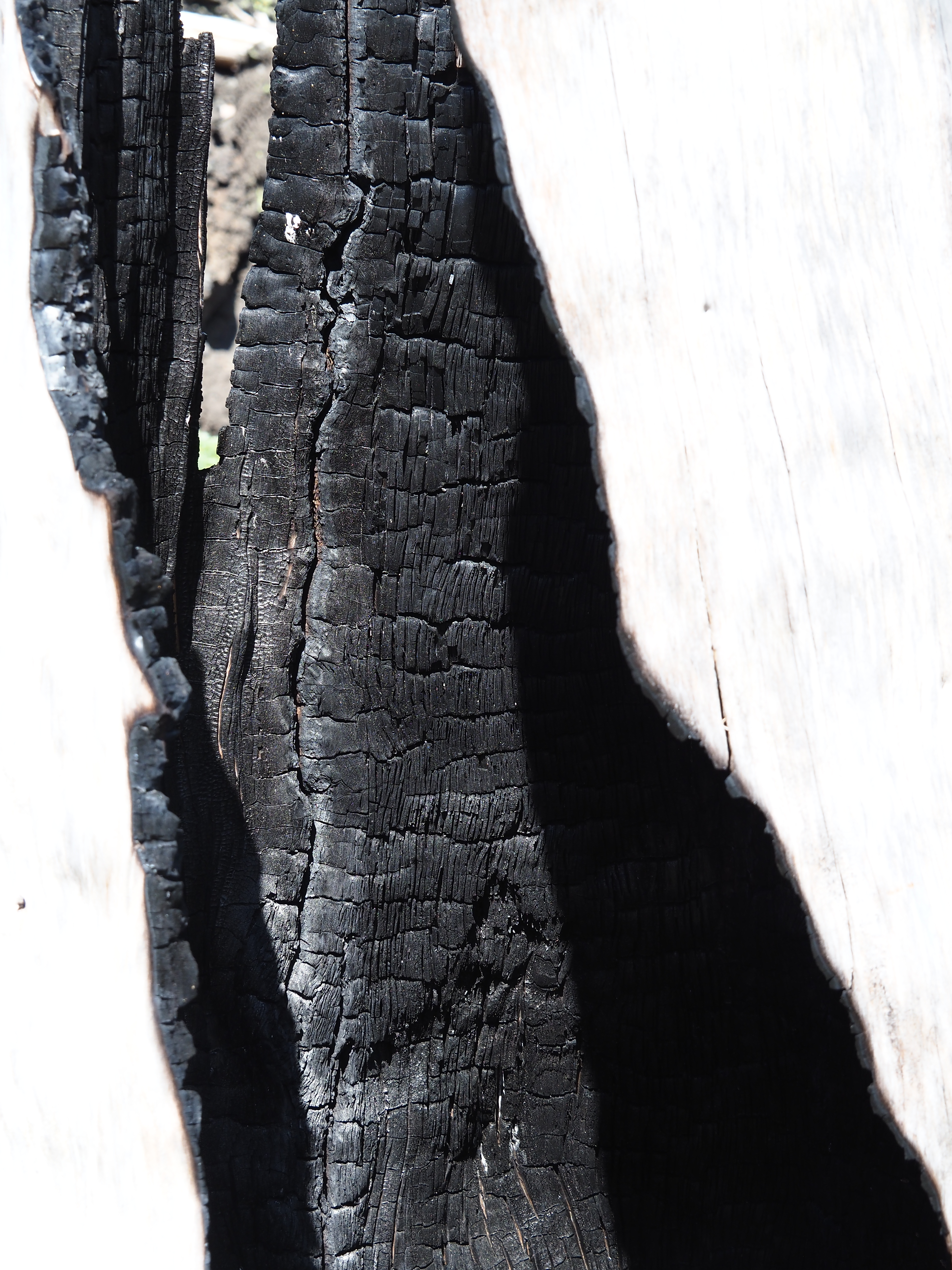
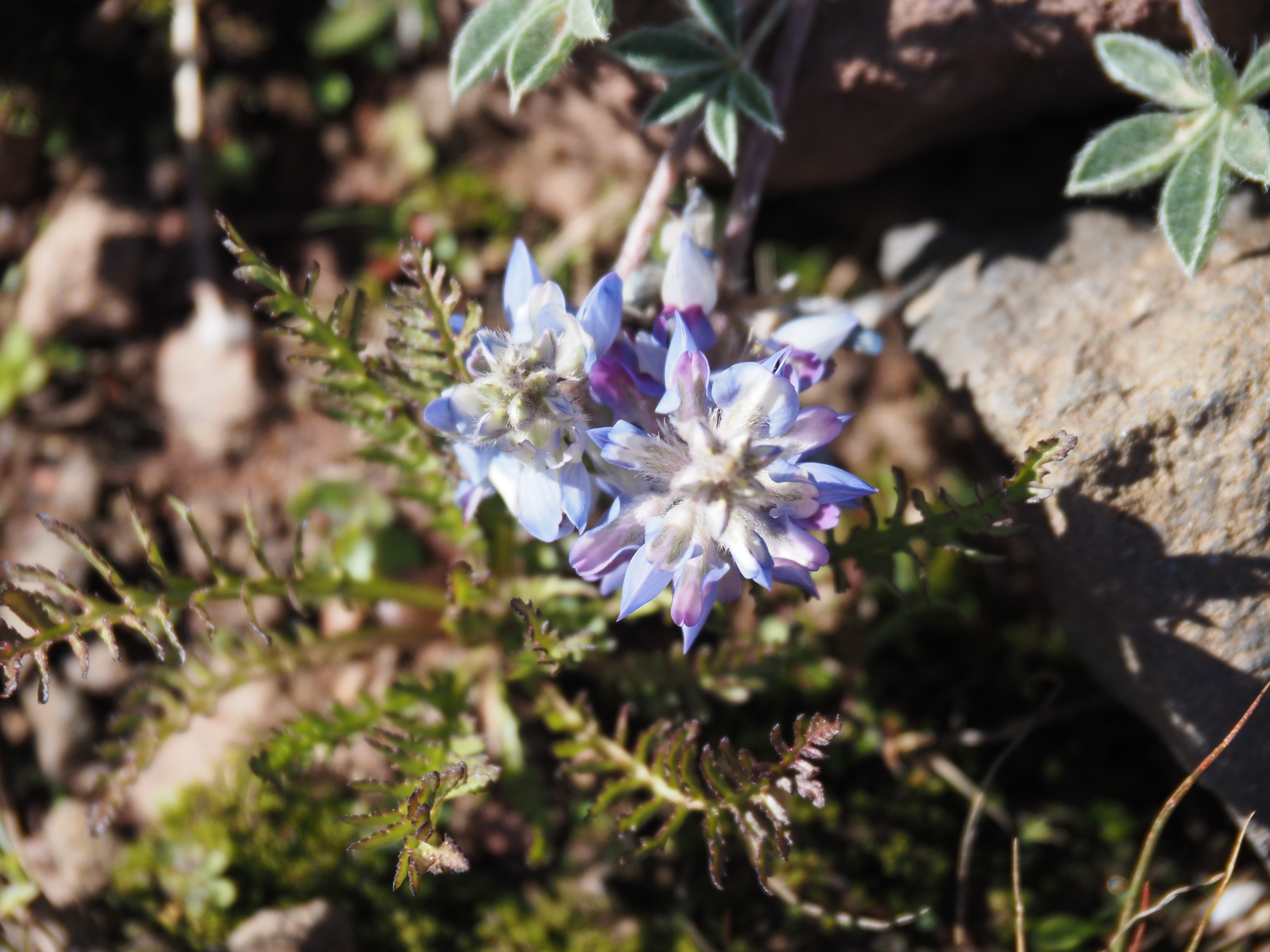
I was in Glacier National Park yesterday, and someone saw my license plate and asked where Connecticut was. I didn’t quite know how best to answer that one. But it got me thinking a little about the glories of the Nutmeg State. For one thing, I think, we find beauty and in the elegance and resilience of small things. That is perhaps why amid all the splendor of mountains and glaciers and lava fields and burned out forests, I find such wonder in the the wildflowers that grow and thrive in some pretty challenging landscapes. It’s one thing to stand in awe of the magnificence of Redwoods and Sequoia, but to feel reverence, pause for a moment at a patch of wildflowers growing out of a baked field of lava or the husk of a burned out Douglas Fir.

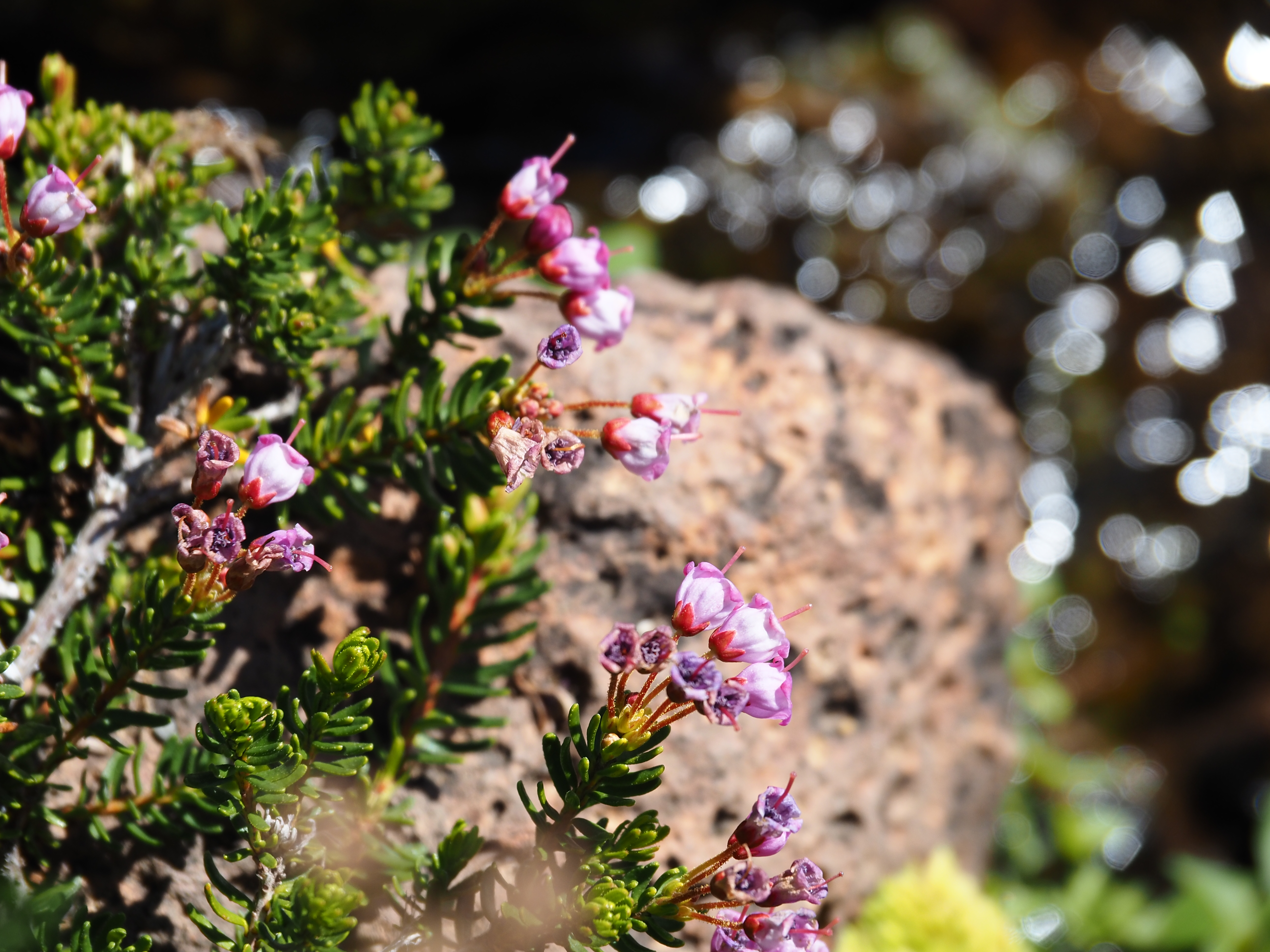
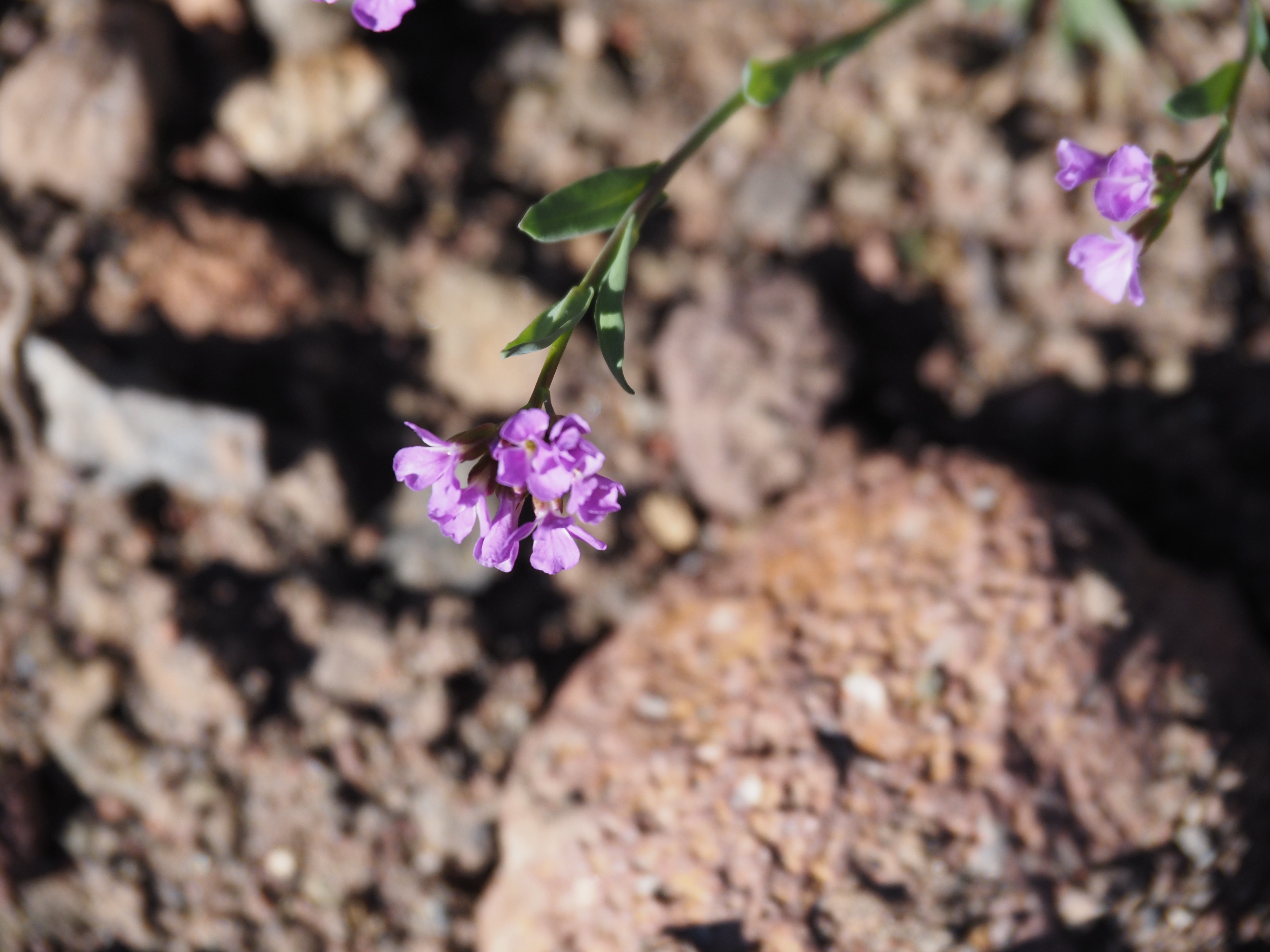
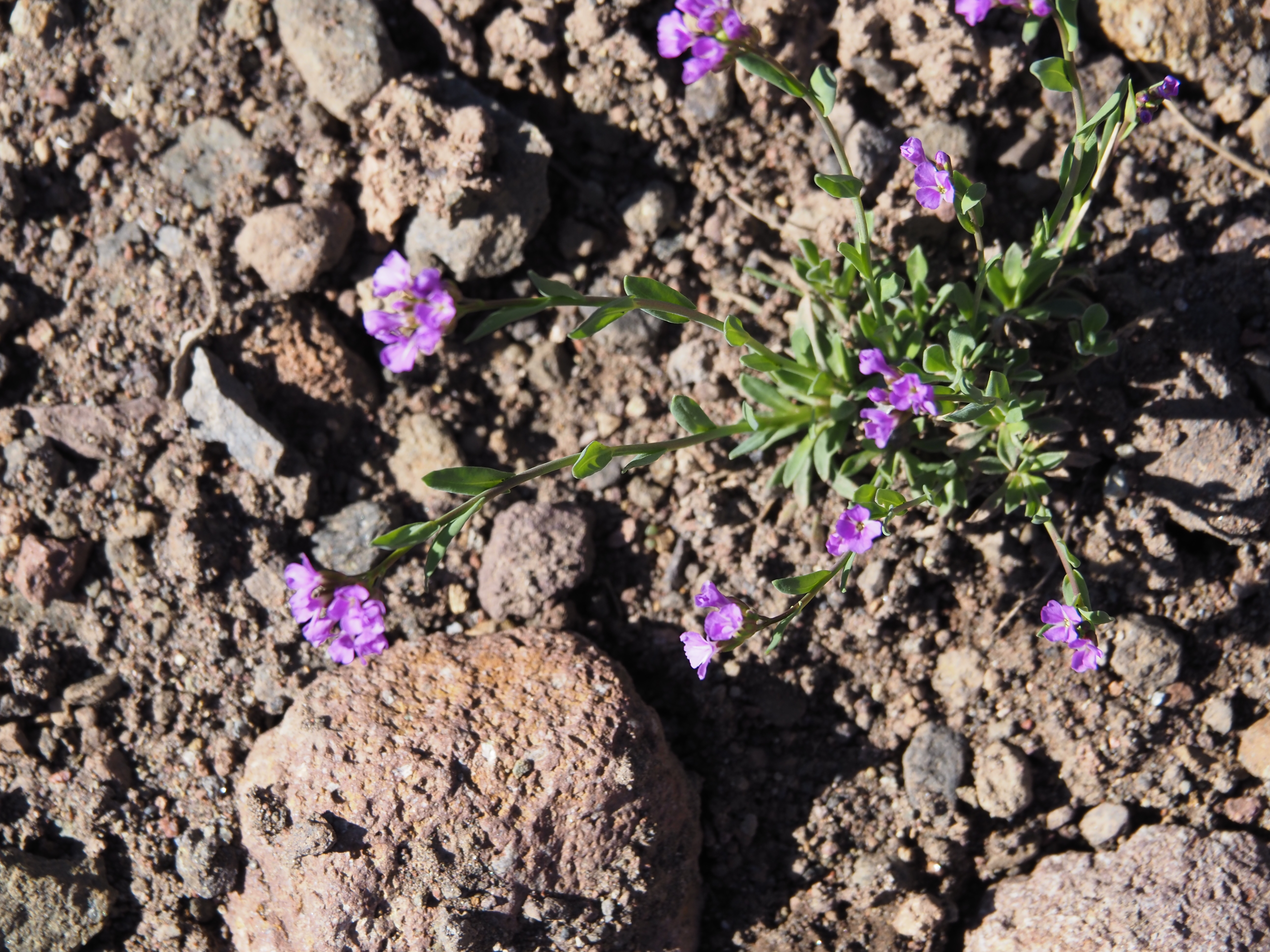
The pictures below come from various stops over the past four weeks: from Wyoming and Idaho, to the high desert of eastern Oregon and the volcanic soil of McKenzie Pass; and from the from the glacial valleys of northern Washington to the forests of Montana.

Sabbatical Notes 3

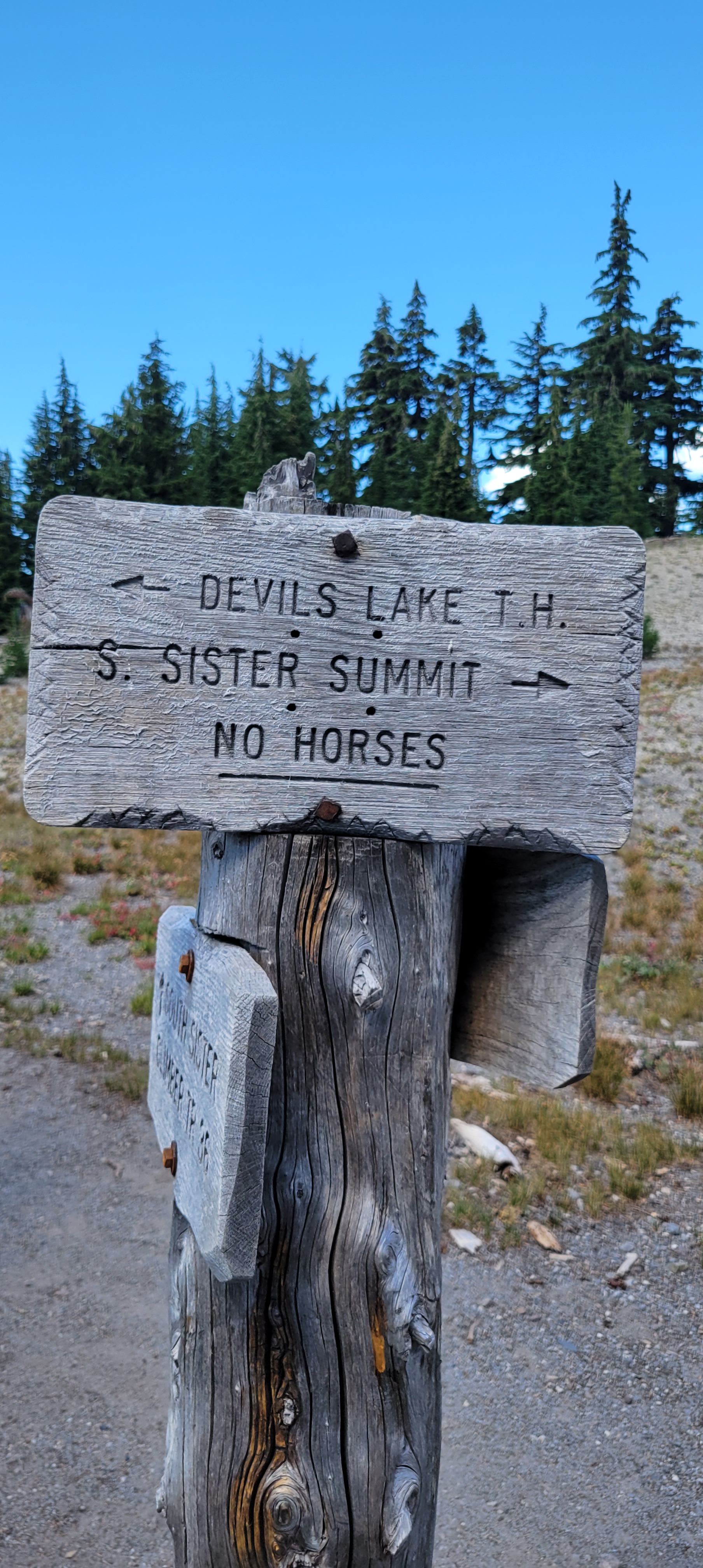
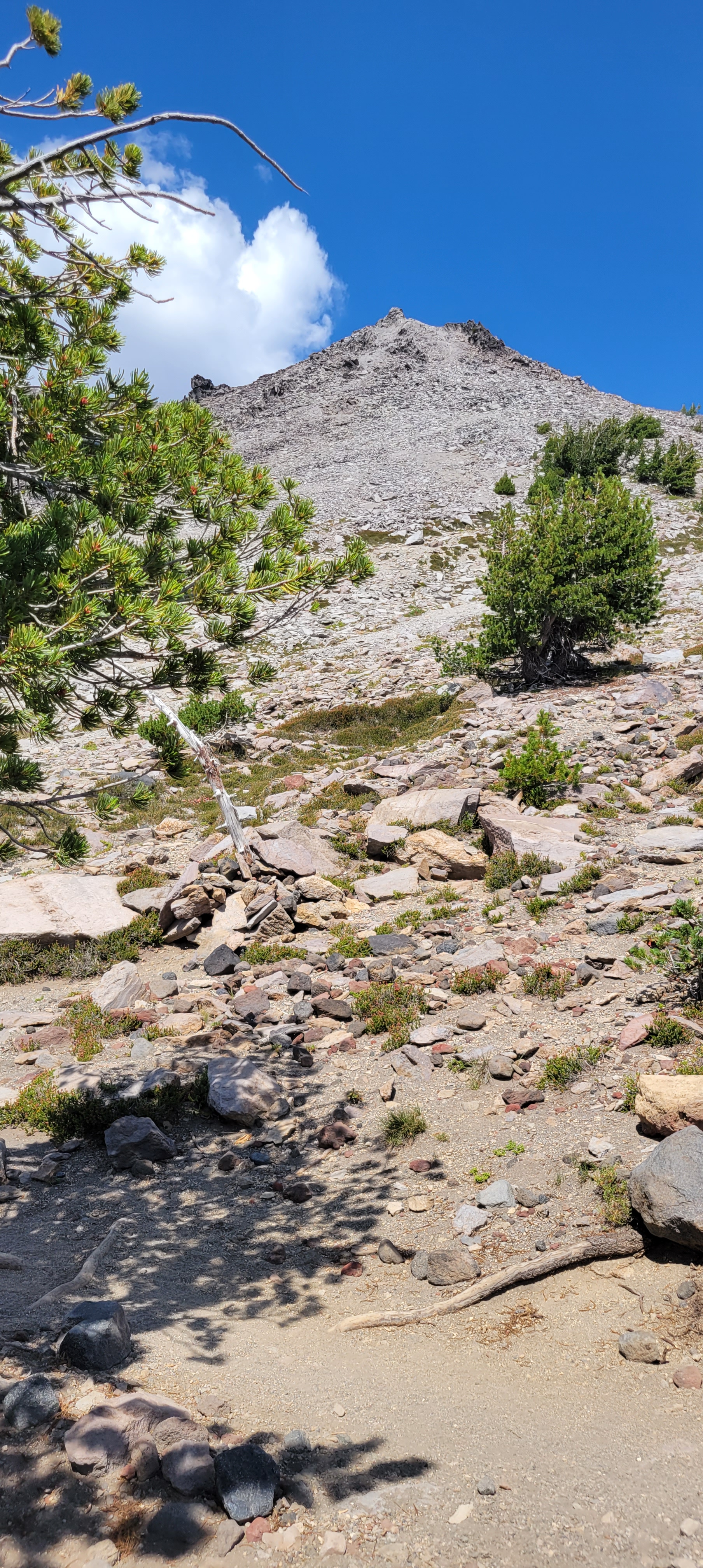
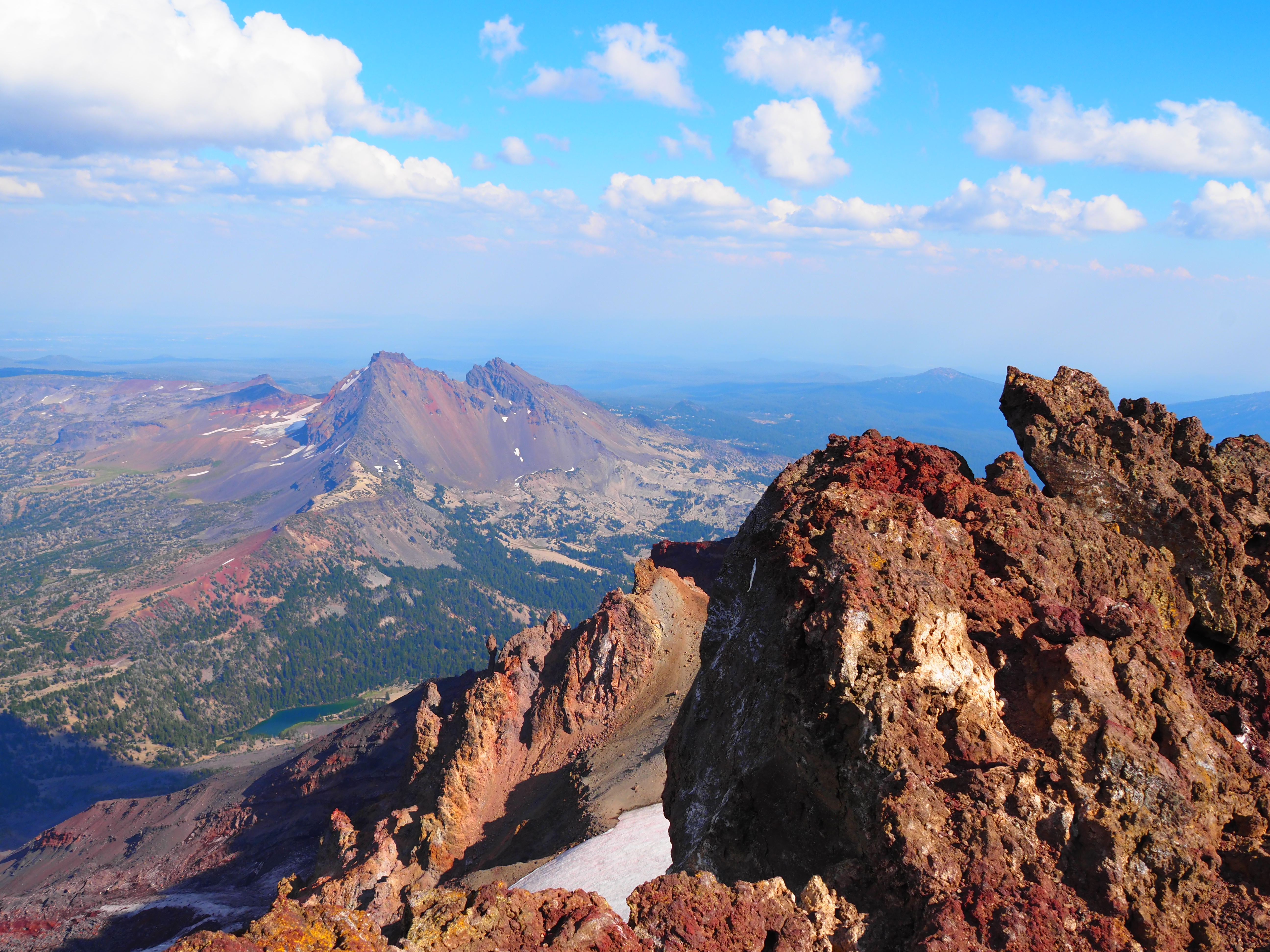
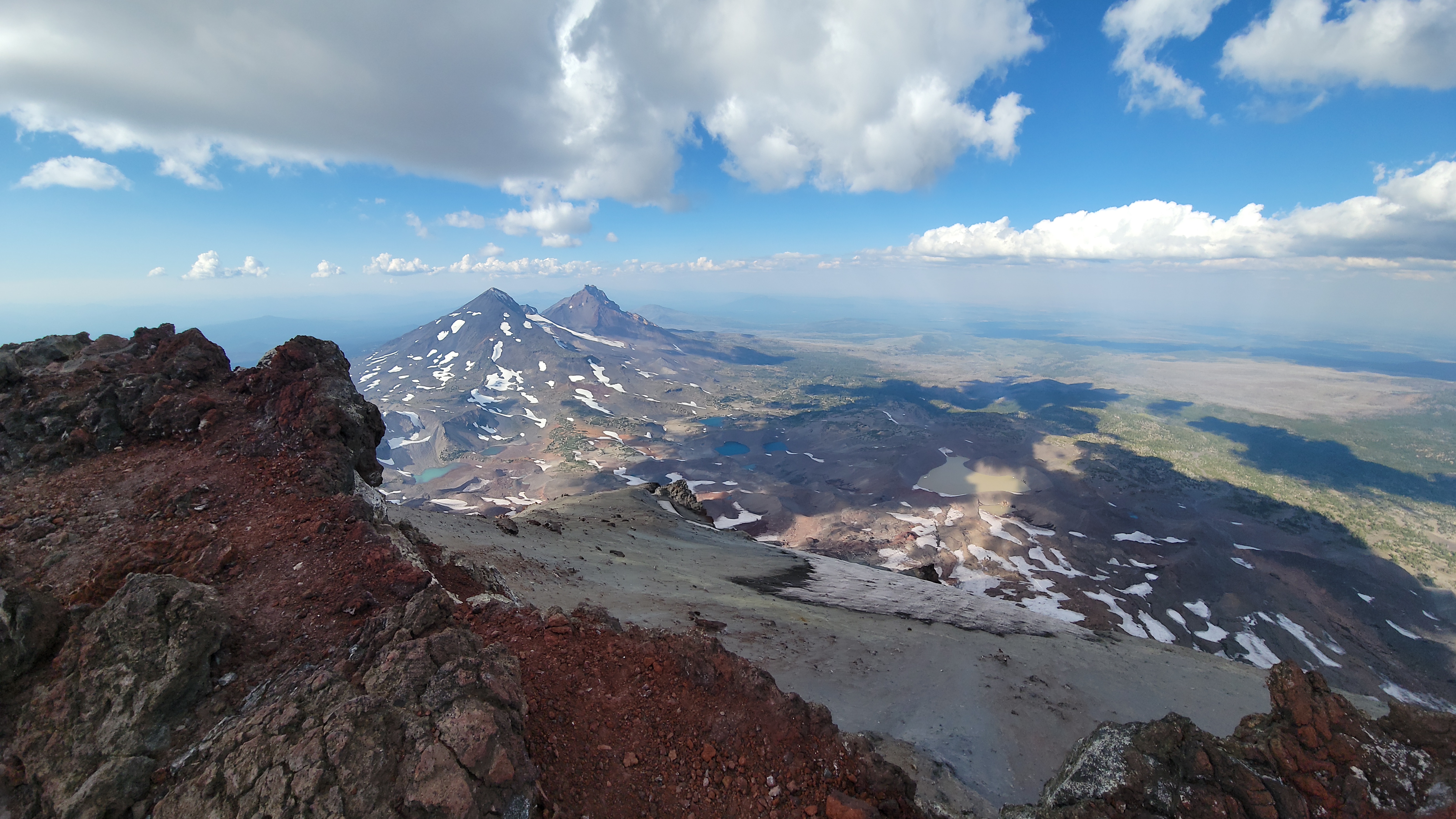
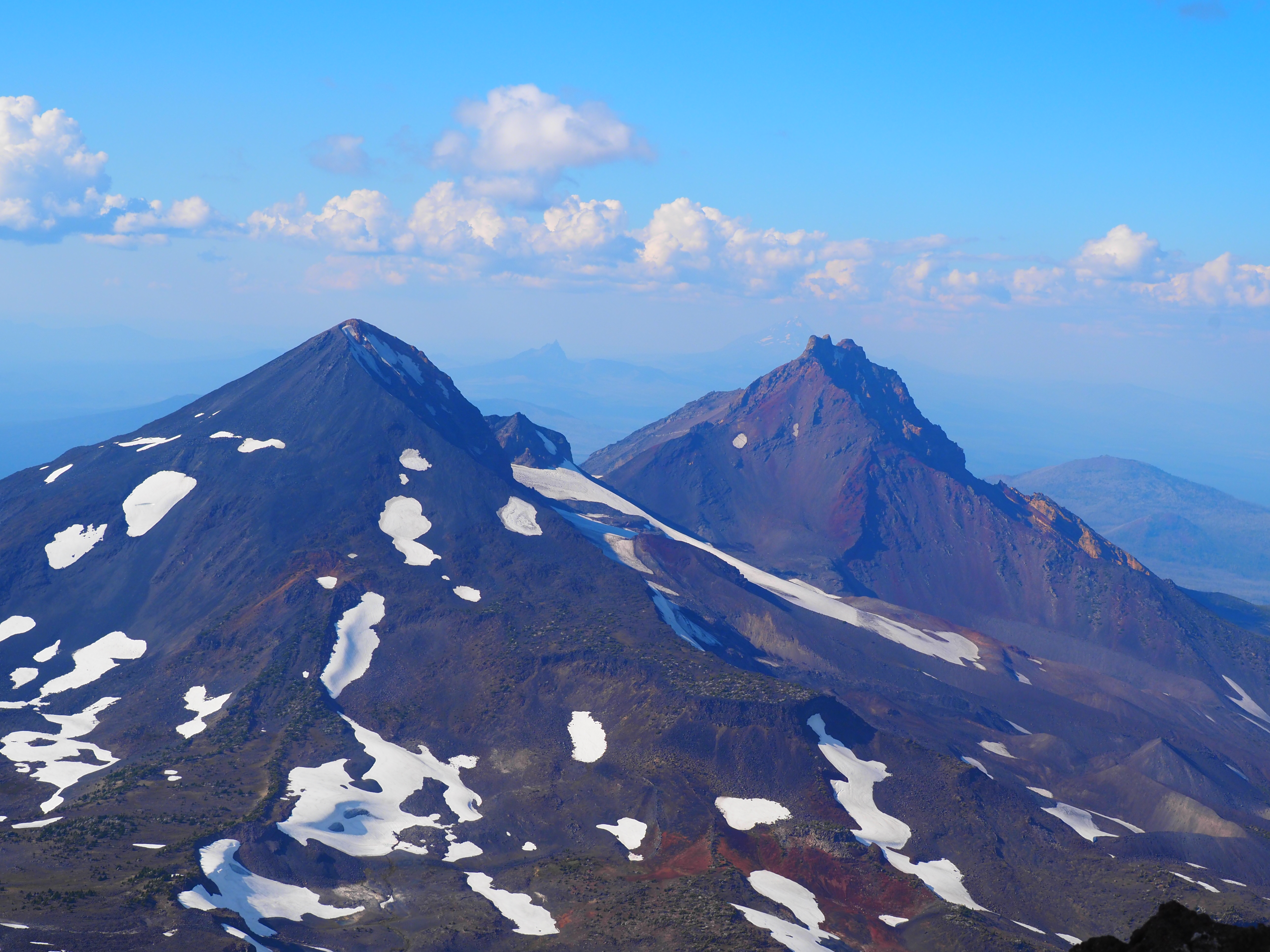
Jon Levenson, a professor of Hebrew Bible at Harvard School, said once that ‘geology is simply a visible form of theology.’ This came to me as I was making my way up the side of South Sister, a 10,358 foot peak in central Oregon. It was a tough climb Five hours straight up, through loose volcanic, rocky soil. And then four hours straight down. I did a lot of praying along the way.

All Trails is a cell phone app that offer guidance on thousands of hikes around the world. According to them, the South Sister climb takes an average of 11 hours. And they are very clear about the need to leave as early in the morning as possible; no later than 900am. I started at noon. And bring lots of water. And a flashlight. Yes on the water, but no on the flashlight, which left me wandering around in the dark at the bottom of the trail, desperately looking for the parking lot and frantically clicking our car’s key fob until I finally heard the faint beeping of the lock. But the stars were gorgeous.

The bible is full of mountain top experiences. Most famous perhaps is the revelation of God to Moses on Sinai (or perhaps it is more accurate to say the multiple revelations to Moses on Sinai). Out of this mysterious (and slightly terrifying) encounter comes the central act of formation of Israel as the people of God. The Sinai experience is certainly on the mind of the writer of Matthew’s gospel when he stitches together a compilation of Jesus’ teachings as Sermon on the Mount.

The theologian Belden Lane writes in his book, The Solace of Fierce Landscapes, that the pleasure in climbing a mountain does not always come in reaching the summit, but in ‘carrying on the task (of climbing) in the face of doubt’ about whether the summit will actually be reached or will ‘prove unattainable.’ The ‘human spirit,’ he concludes, ‘delights in the exercise of uncertainty.’ I think there’s something in that. There’s also something gracious in the company that is formed along the way. I was one of a number of people making their way up the mountain alone, and throughout the climb we would stop to rest and convince each other that we could do it, that we could reach the top.

The climb was awful, but as the pictures below hopefully show, the view from the top was worth the effort.

Sabbatical Notes 2

I am indebted to Paula Page for the gift of John Steinbeck’s Travels with Charley. It’s a great book, even the dated parts. Steinbeck, towards the end of his life, determined to learn what he could about America, commissioned a special camper van (by writing directly to the chairman of General Motors or Ford), and took along as a traveling companion his French Poodle Charley.

At the start, Steinbeck reflects on the nature of the journey, writing “When I was very young and the urge to be someplace else was on me, I was assured by mature people that maturity would cure this itch. When years described me as mature, the remedy prescribed was middle age. In middle age I was assured that greater age would calm my fever and now that I am fifty-eight perhaps senility will do the job.”

It is impossible to escape notice that I am now fifty-eight myself, and much of the decision to spend this summer traveling from wilderness to wilderness amounts to what Steinbeck calls ‘the ancient shudder’ to be motion. For as long as I can remember, I would look out at some landscape, see a place on the horizon and think, ‘I want to go there.’ It amounts to a virus of restlessness (Steinbeck again).

Finally, here is Steinbeck’s reflection on the nature of the journey itself: “It has personality, temperament, and individuality. [It] is a person in itself. We find after years of struggle that we do not take the trip; a trips takes us.”

I can’t speculate on the truth of this for everyone; but it seems right to me. After two weeks at Ring Lake with Sarah and Holly, I dropped off at the airport in Jackson, Wyoming, and headed west through southern Idaho and then through eastern Oregon to camp for a few days in the Three Sisters Wilderness.

The pictures below are snapshots of the trip. The first is a picture of the Grand Tetons just before dawn. Below that is a picture of US highway 26, just before the John Day Fossil Beds in central Oregon. And then two pictures from the area around the Malheur Reservoir near Unity, Oregon. It is almost completely dried up now, a casualty of severe drought. Years ago, my parents would drive down from their home in Portland to watch migrating water fowl rest there. All that remains are abandoned public toilets, the ruins of boat ramps and swimming floats. And abandoned ranches. The whole landscape has a haunted feeling to it.

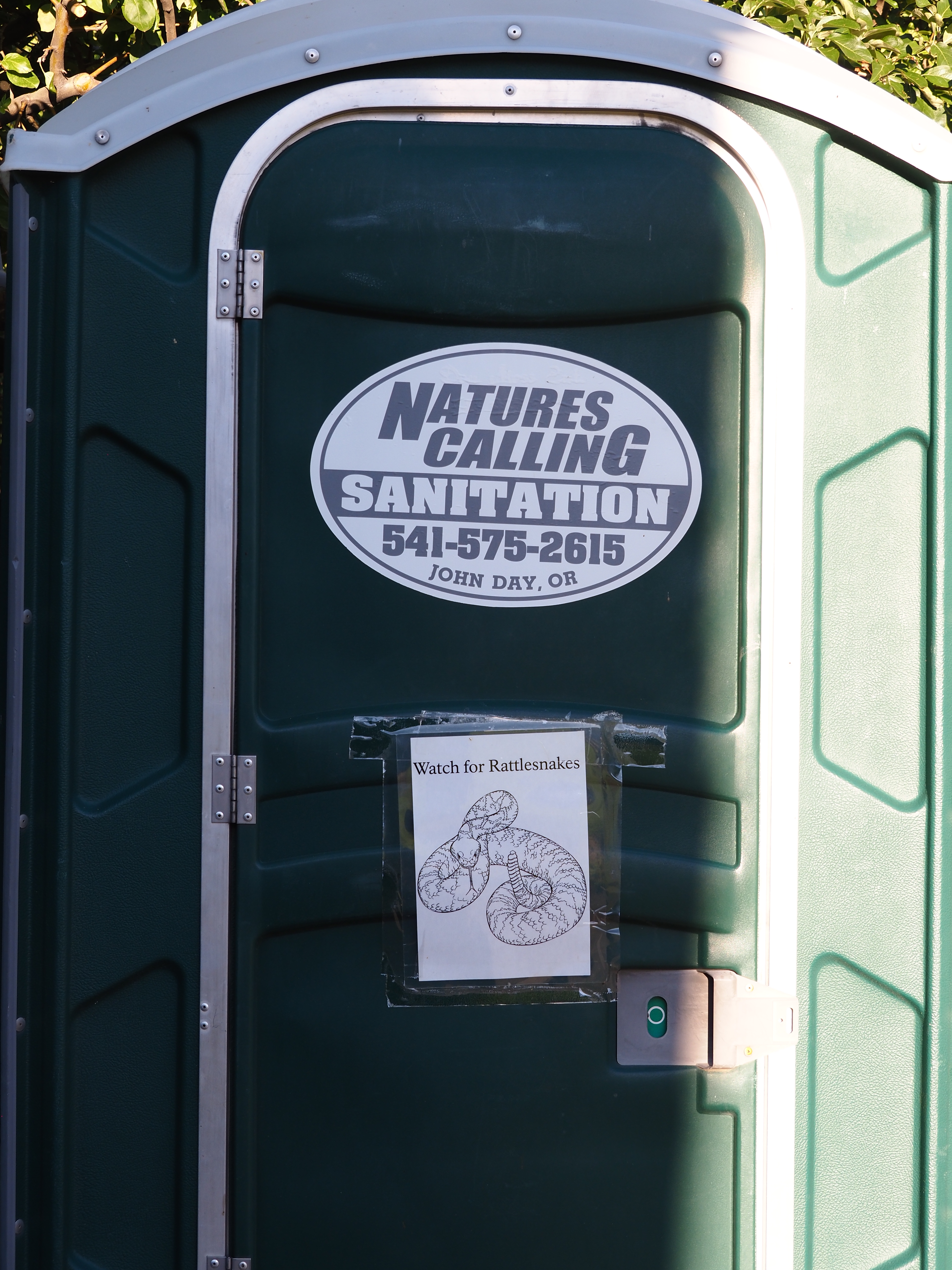
As something of an antidote to Malheur was the welcoming sign on an outhouse at the National Park Service’s Cant Farm in the John Day Fossil Beds National Park.

Day 2: The Three Sisters Wilderness

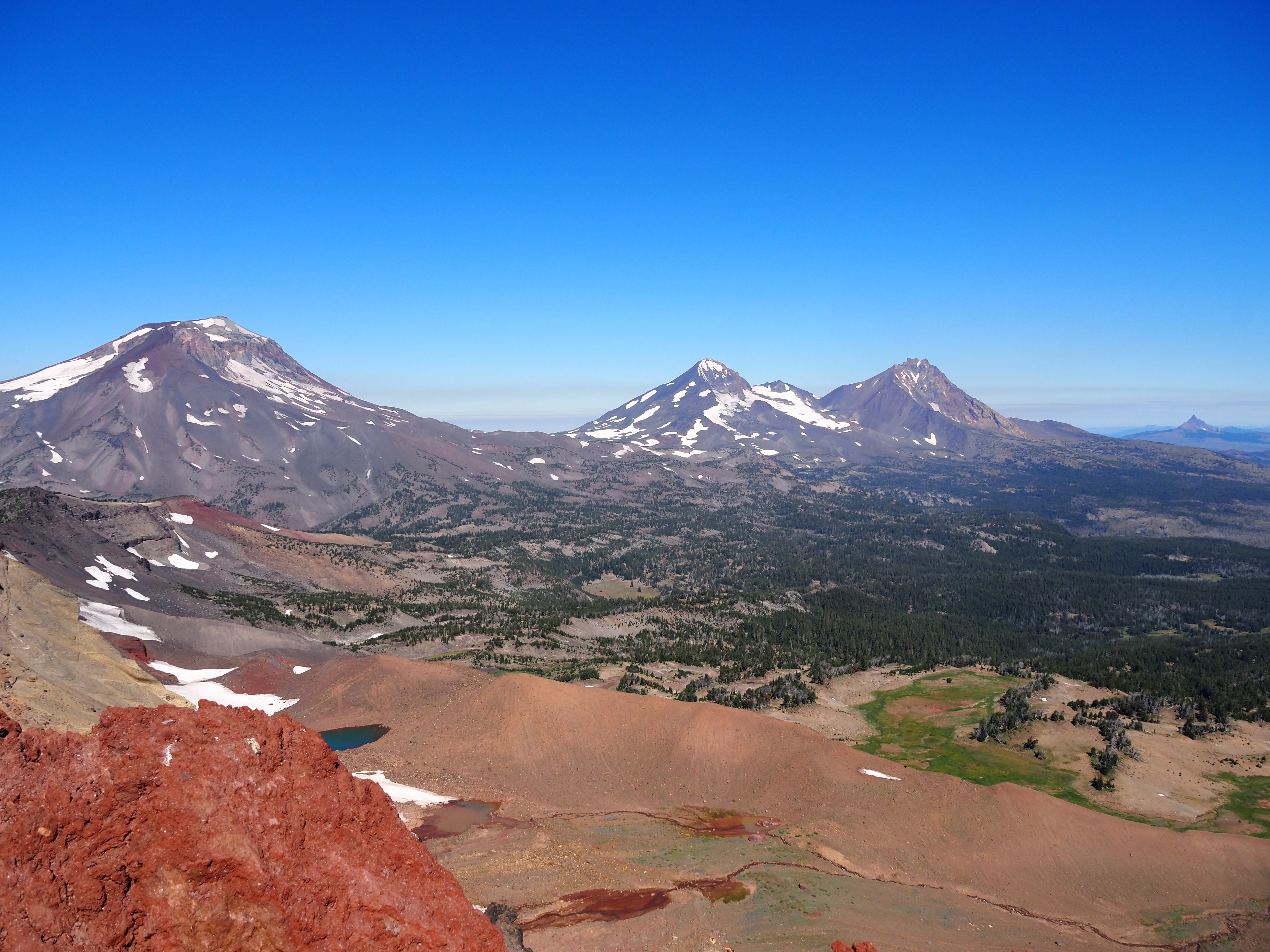
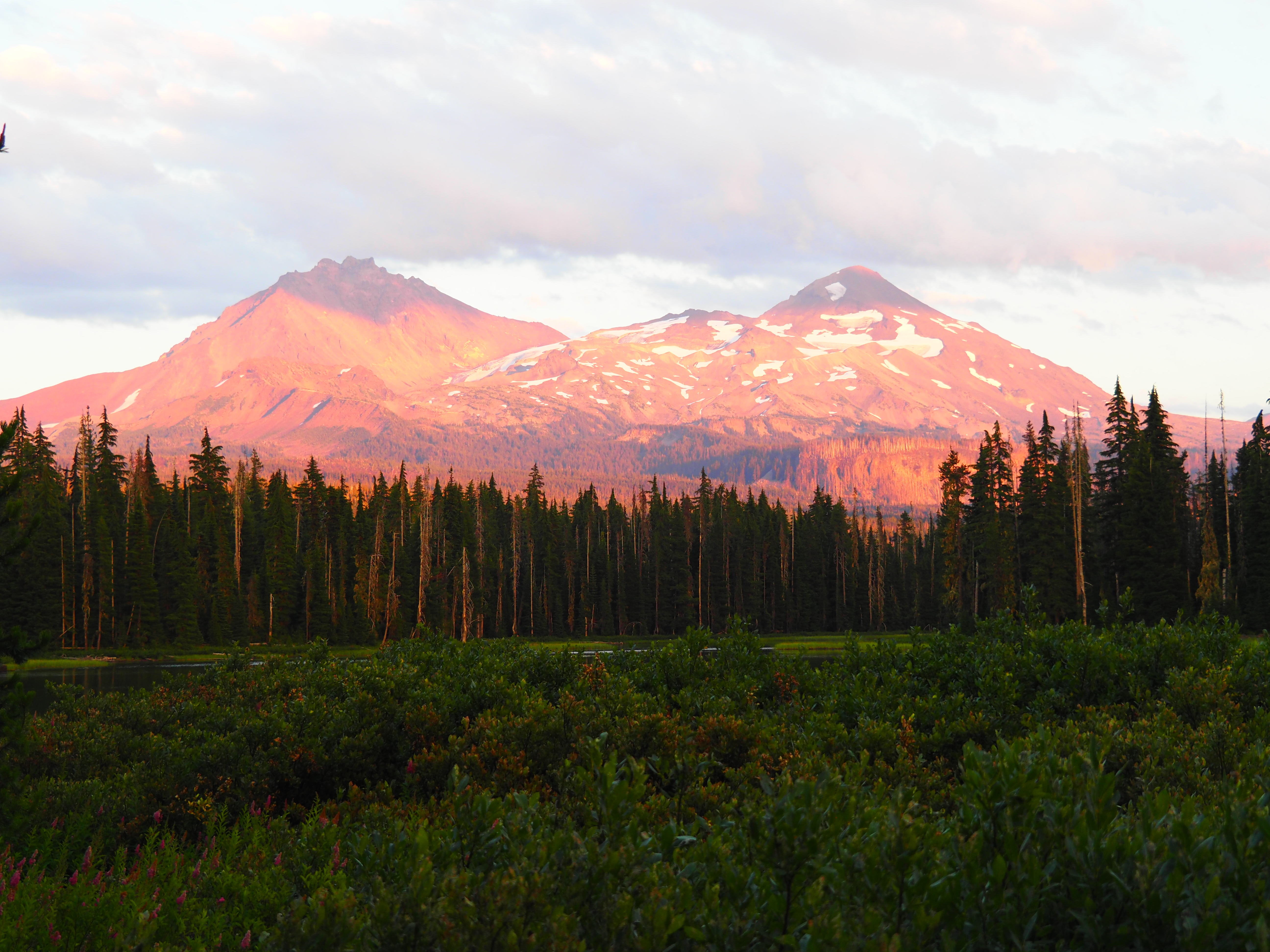
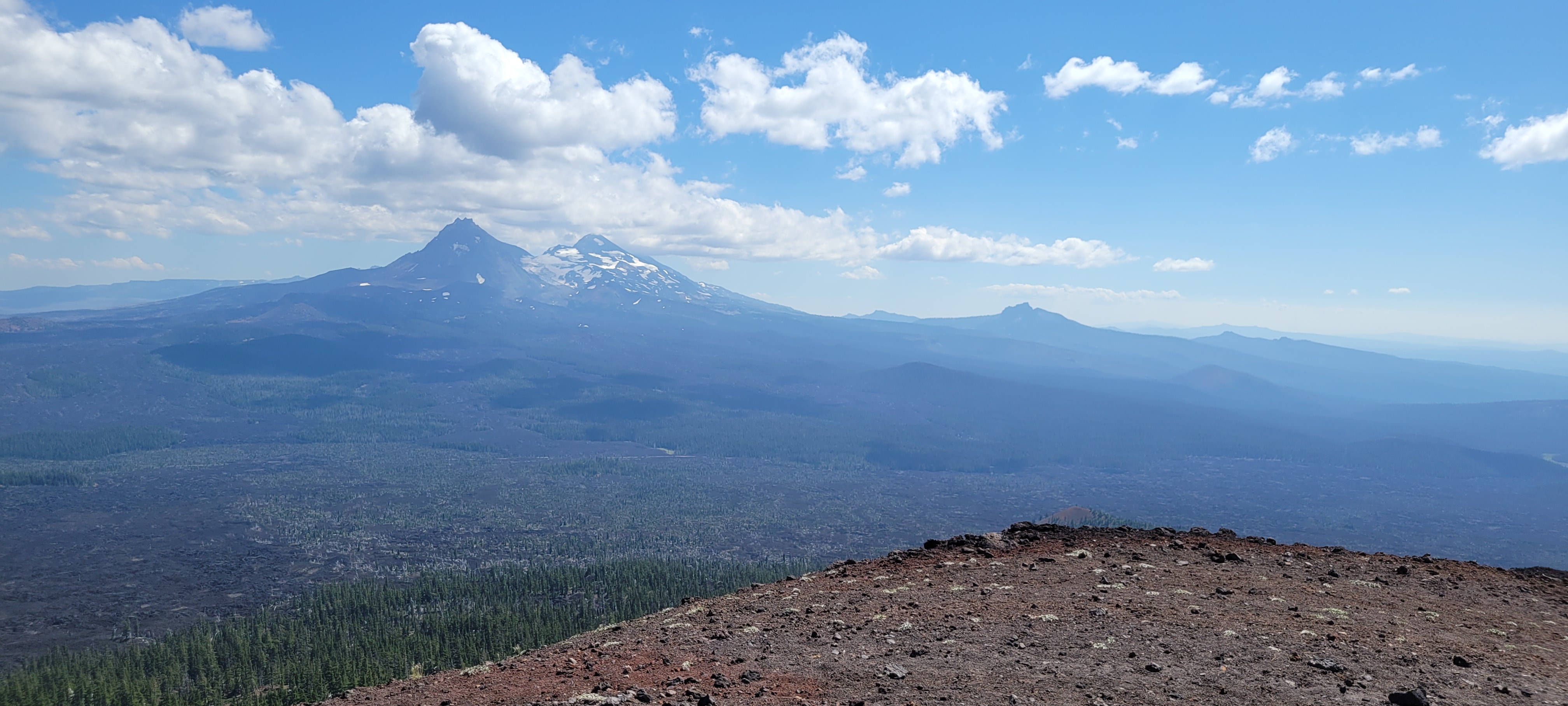
If you’re not familiar with the central and northern Cascades, they are a range of active, dormant and extinct volcanos that run from northern Washington through southern Oregon, meeting there the southern Cascades of California. For reference, Mount St. Helens of famous memory is a member of the central Cascade range. So are a range of extinct volcanos just west of the city of Bend, Oregon, called the Three Sisters – named with no particular thought to imagination, North, Middle and South (there’s also a peak named the Husband and one named the Boyfriend, but being considerably smaller and less majestic don’t typically warrant much attention).

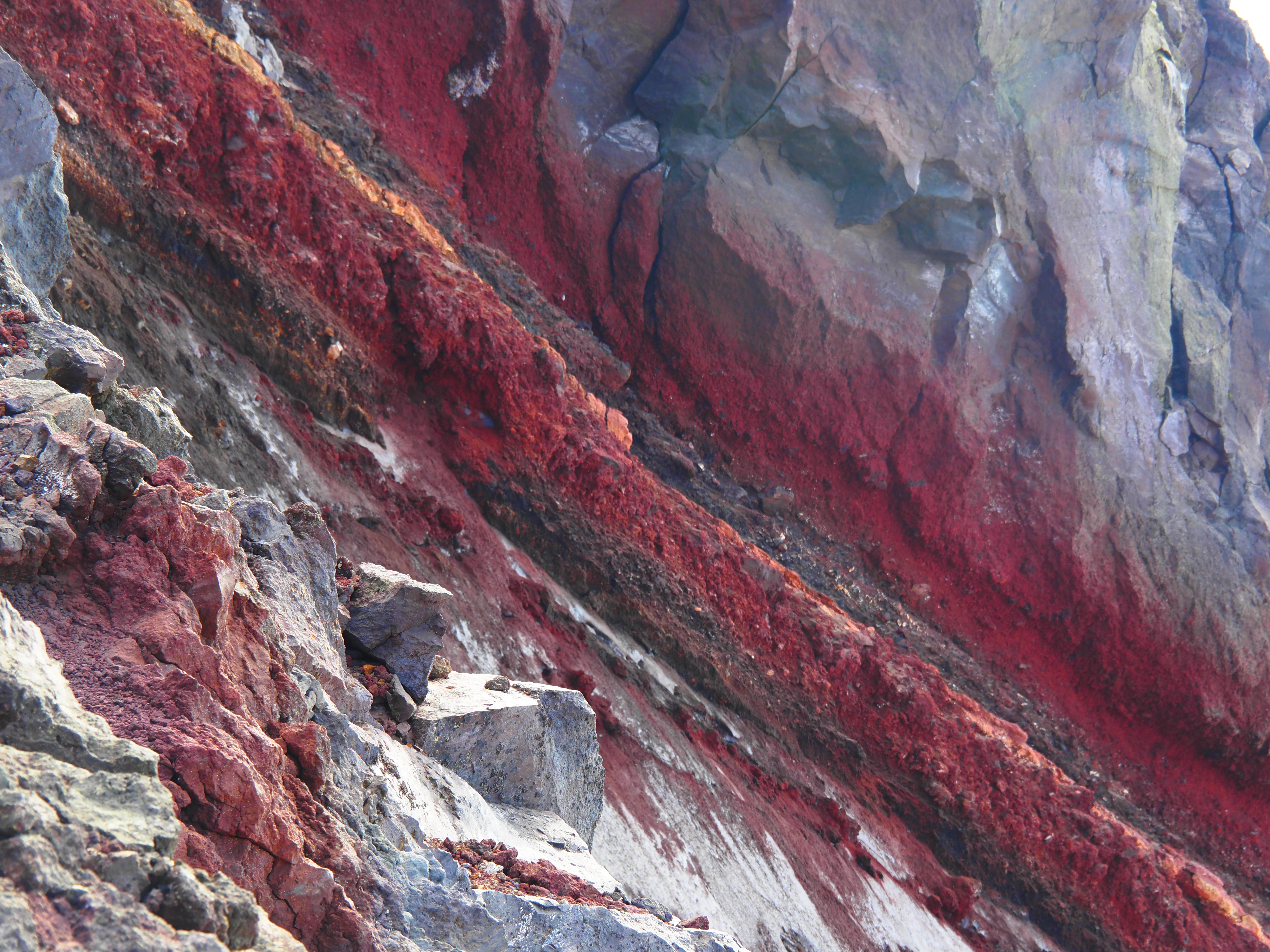
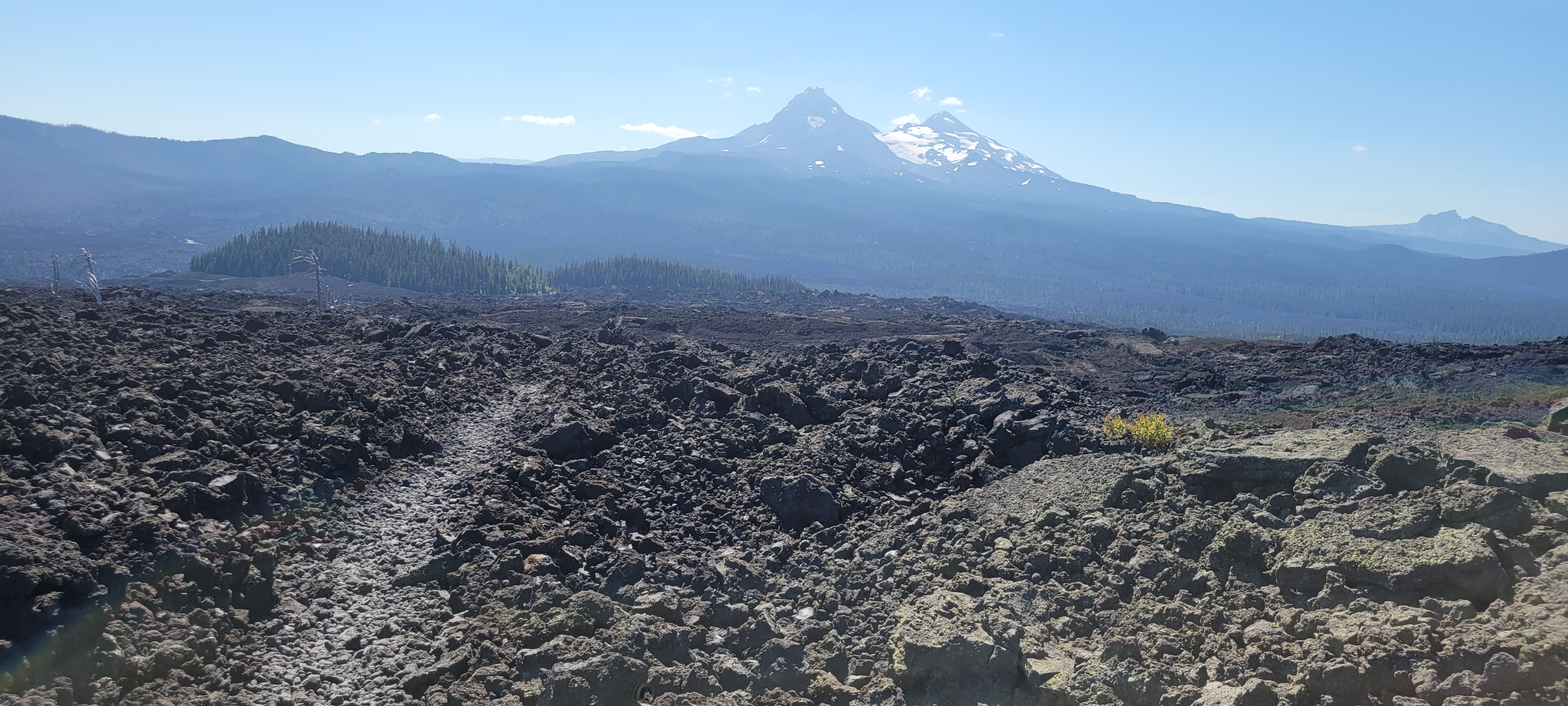
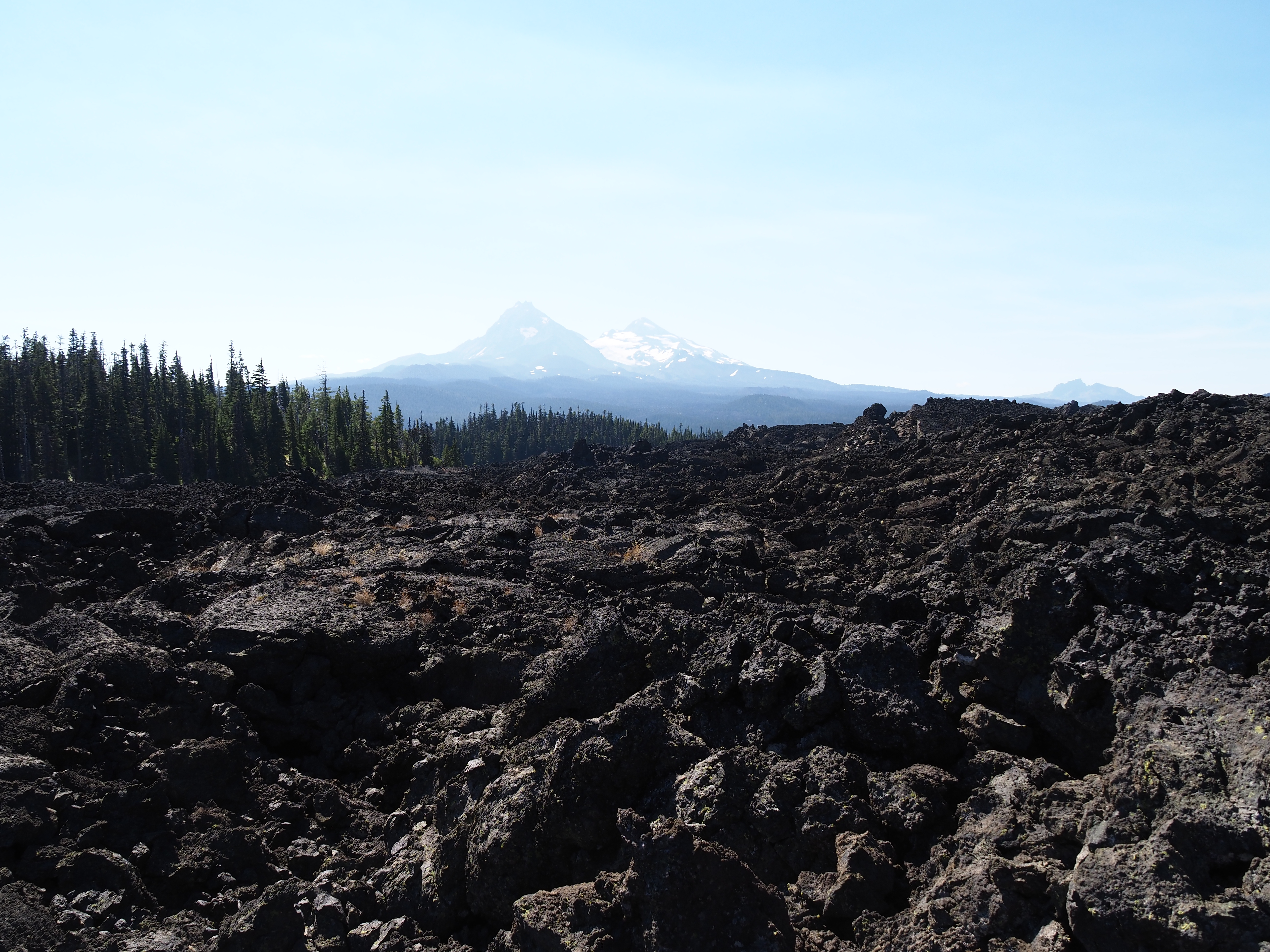
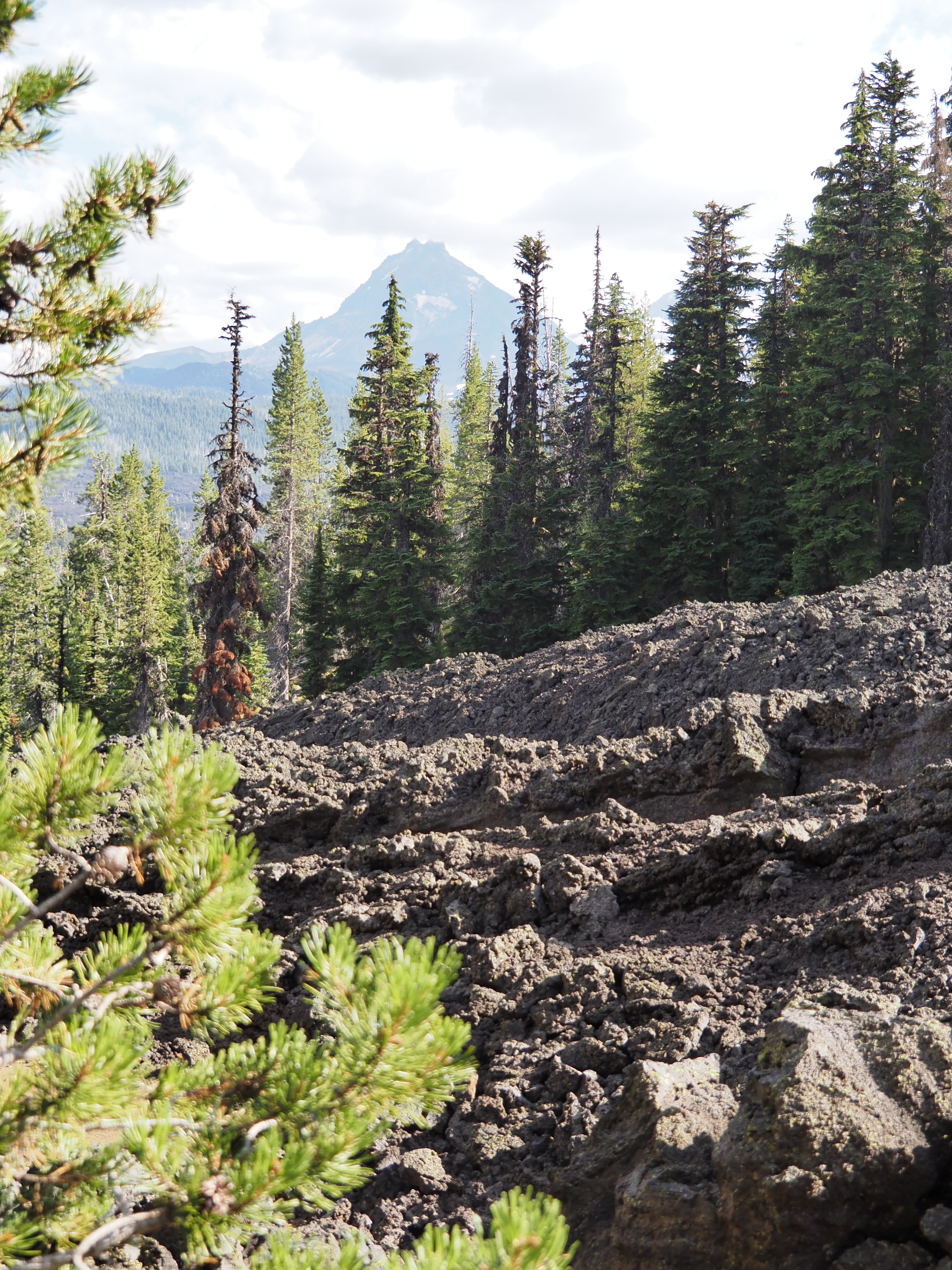
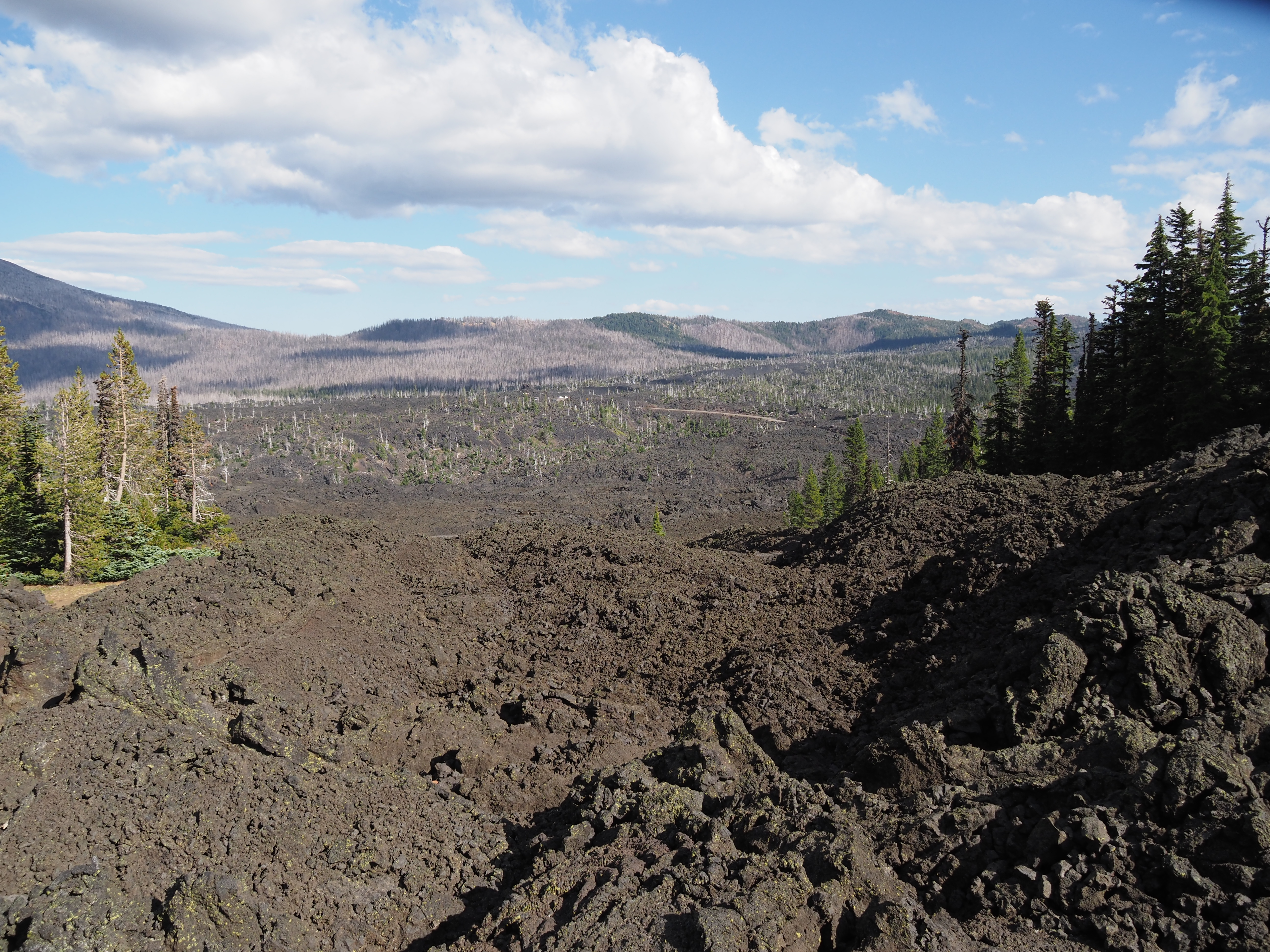
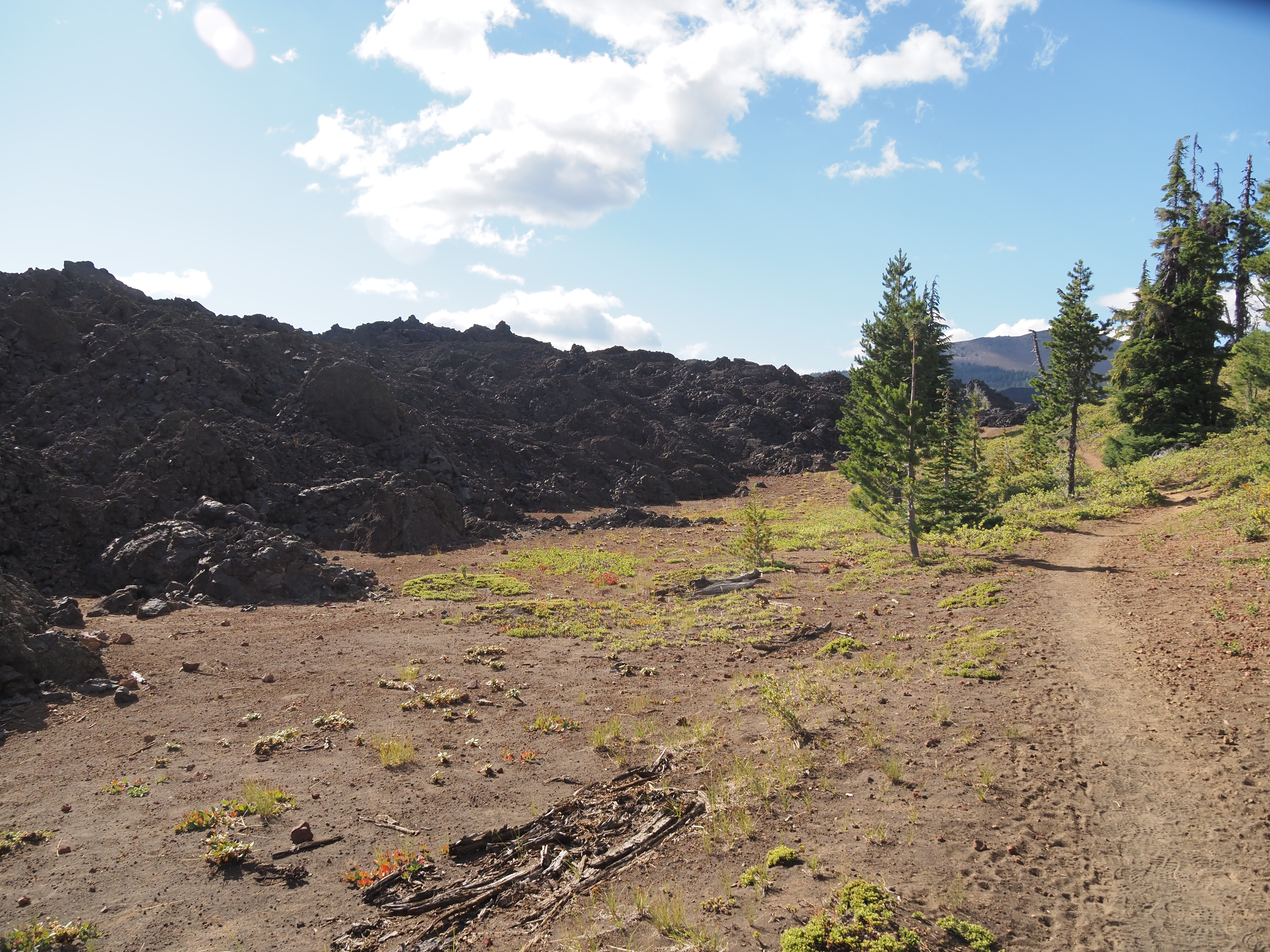
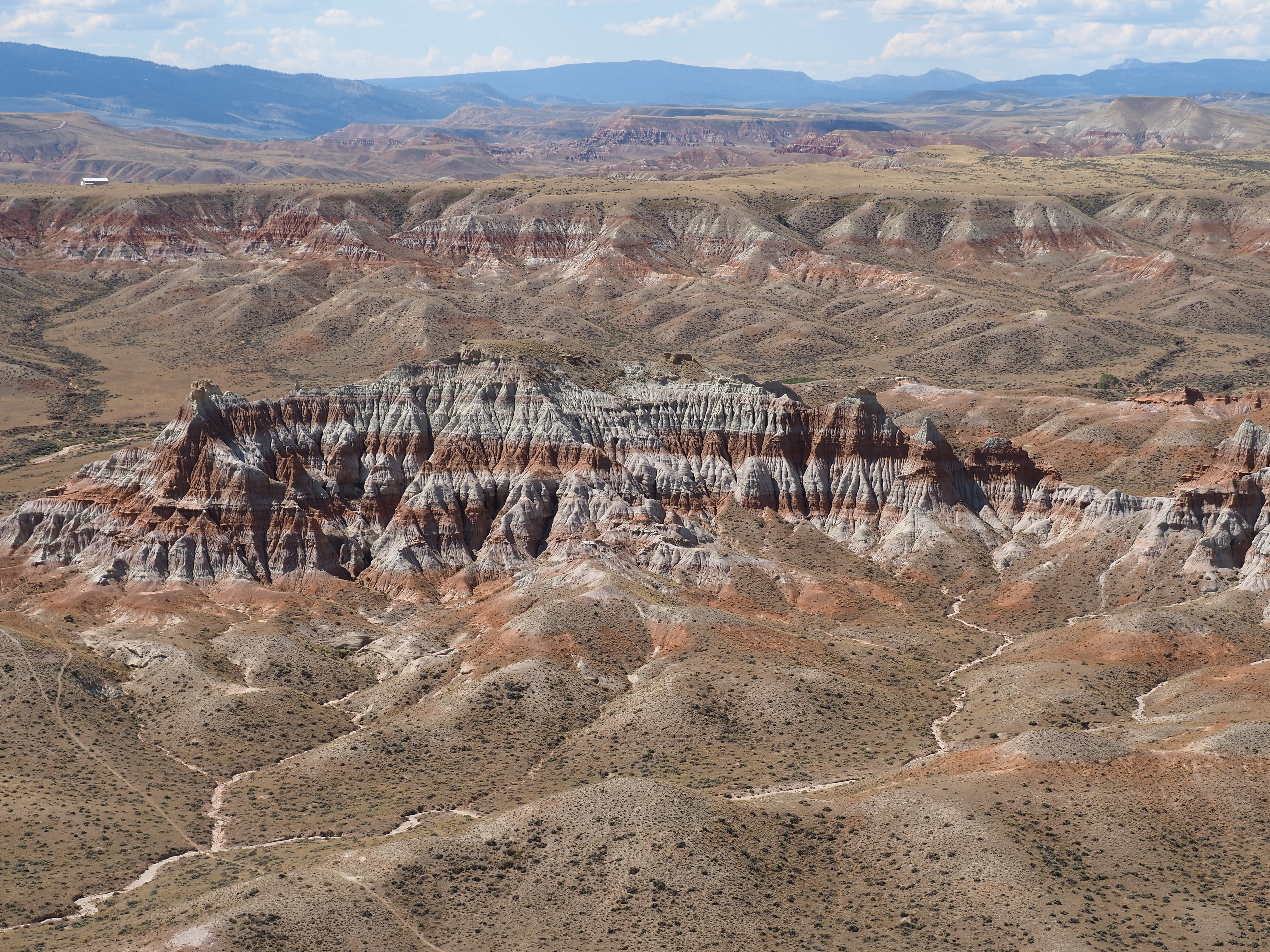
The Sisters rule over a landscape that has to be seen to be believed. The remnants of past eruptions have left rivers of lava covering acres and acres of ground. Truly astonishing is the fact that early settlers traveling the Oregon Trail made their way over what is now called McKenzie Pass into the Willamette Valley. It impoverishes the imagination to consider the feat of engineering required to carve out a road through miles of lava flow.

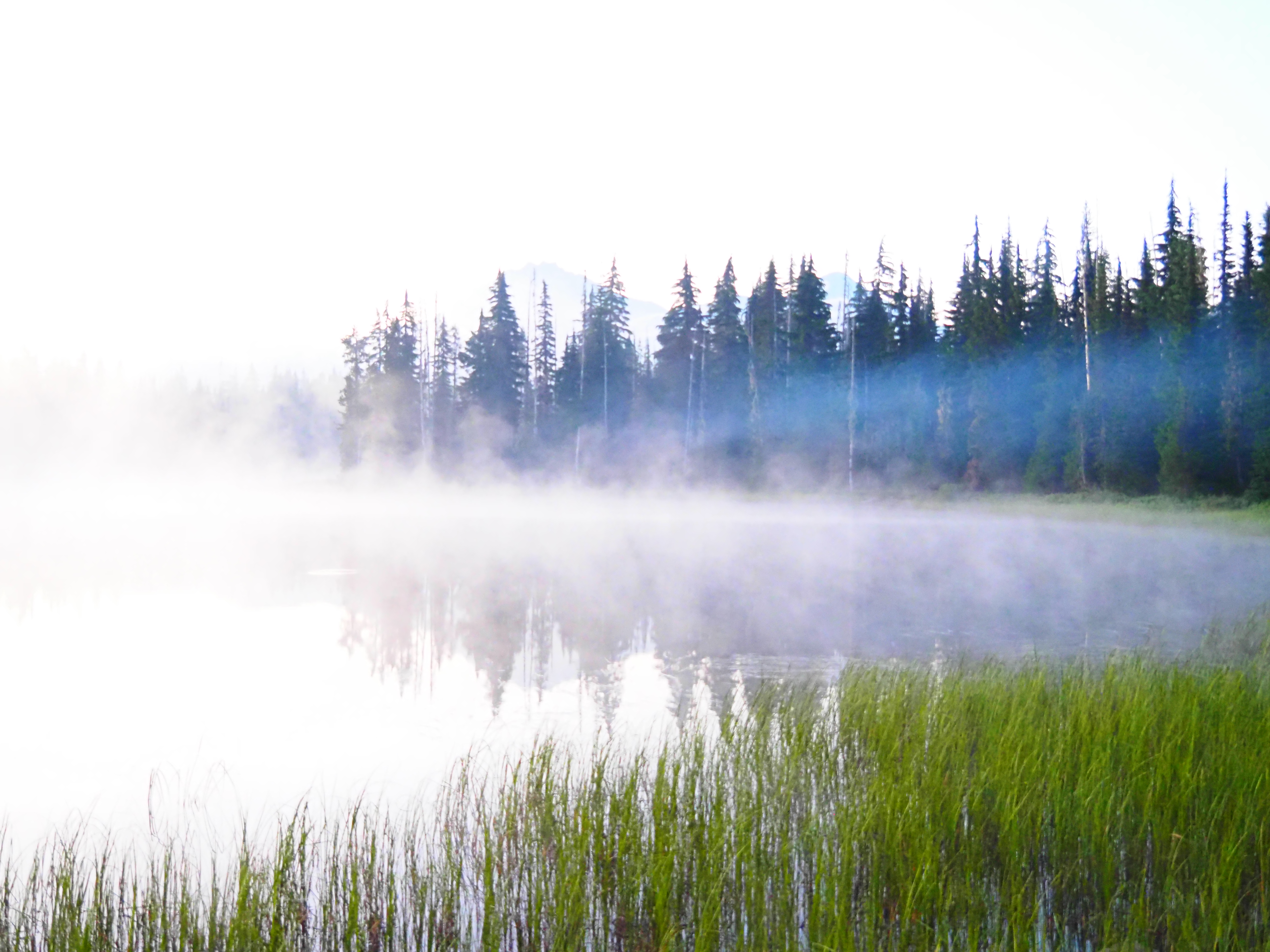
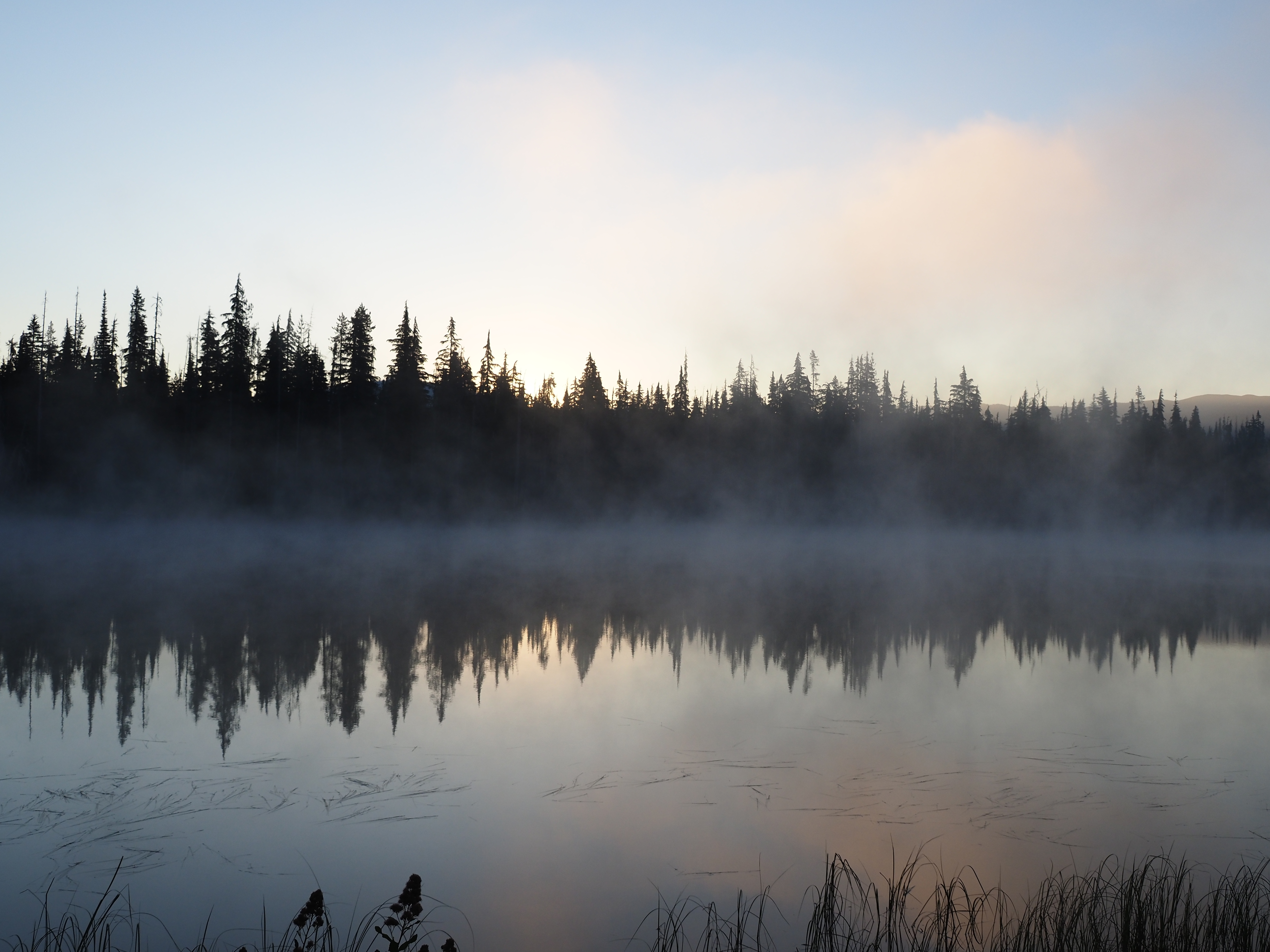
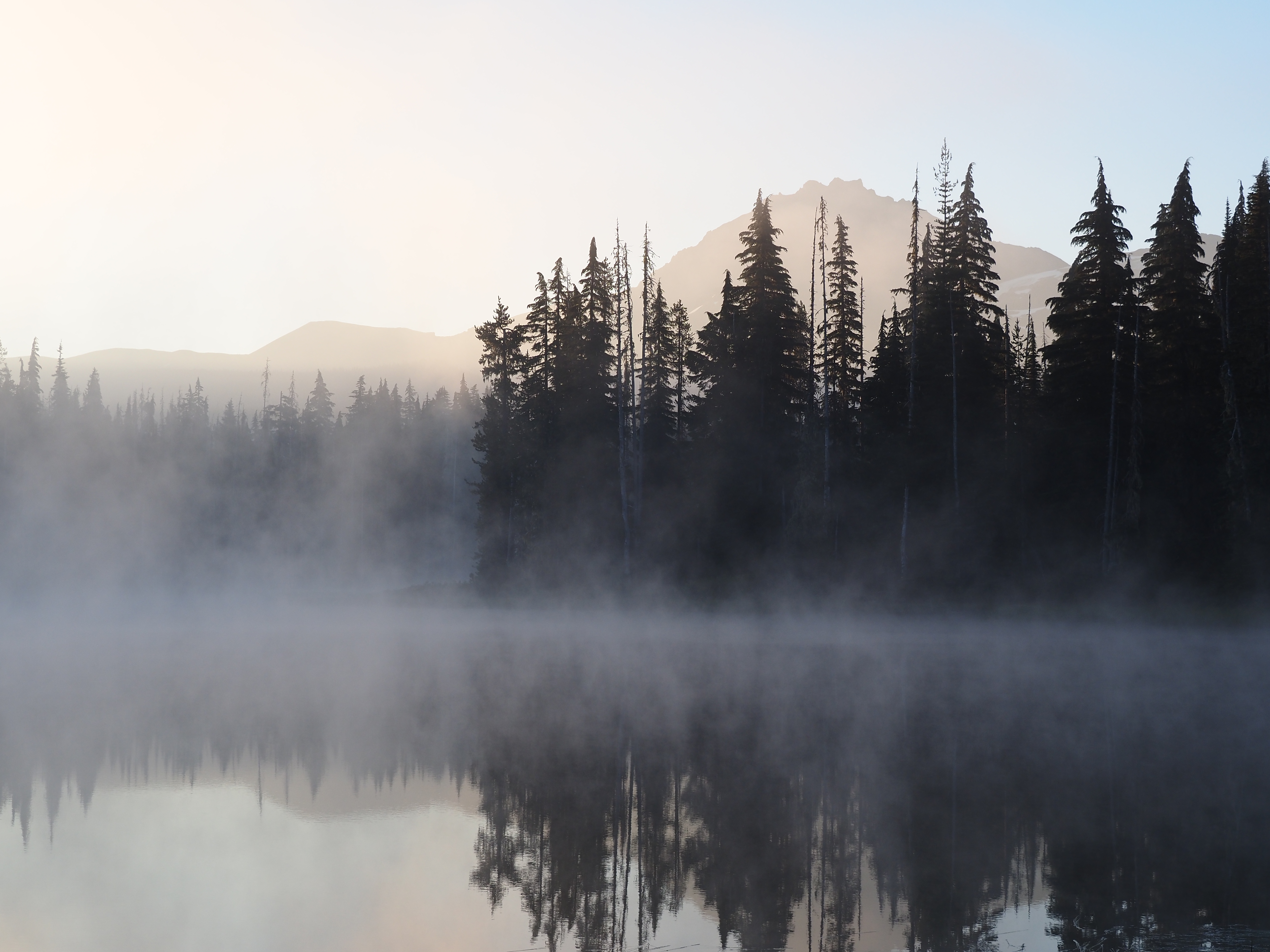
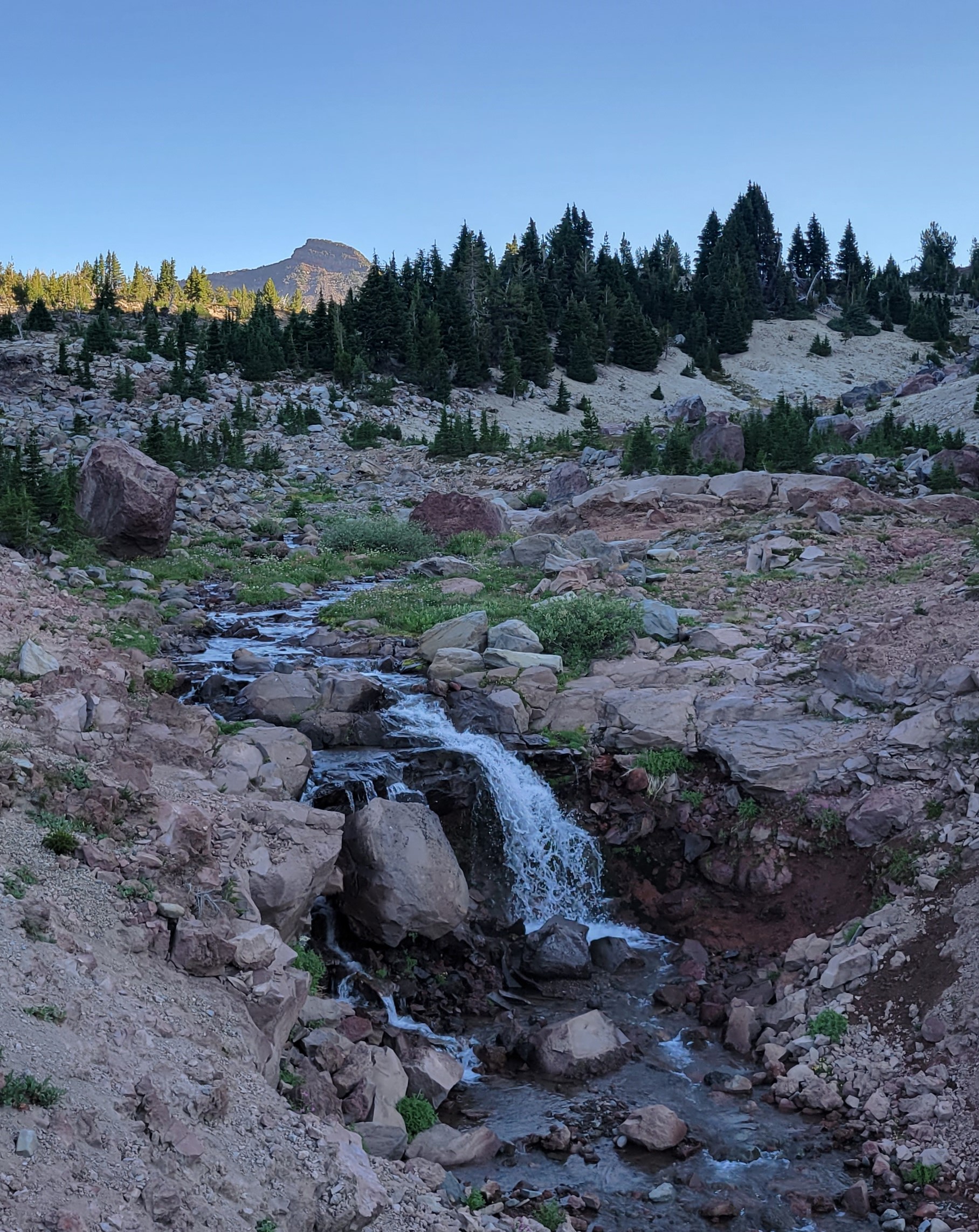
Below are pictures of the Three Sisters from both the east side and the west, along with some pictures of sunrise at Scott Lake, where I’ve been camping.

Day 3: Broken Top and No Name Lake

This was the first hike of the week. The trailhead starts at the end of the worst road I have ever been on (and not to suggest that bad roads and the developing world are synonymous, but the bad roads in Lesotho had absolutely nothing on bone jarring five miles the US Forest Service had stitched up the mountain).

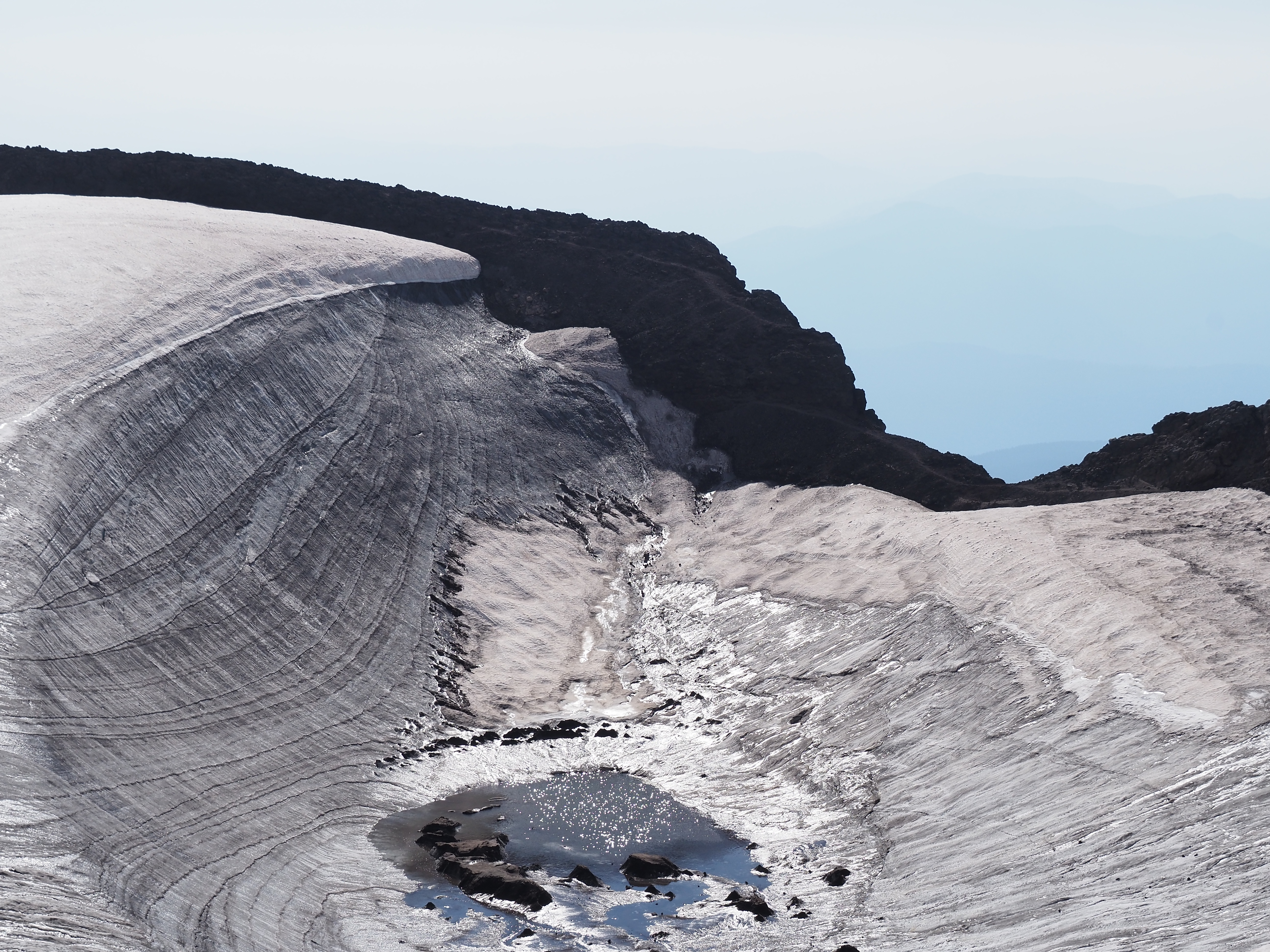
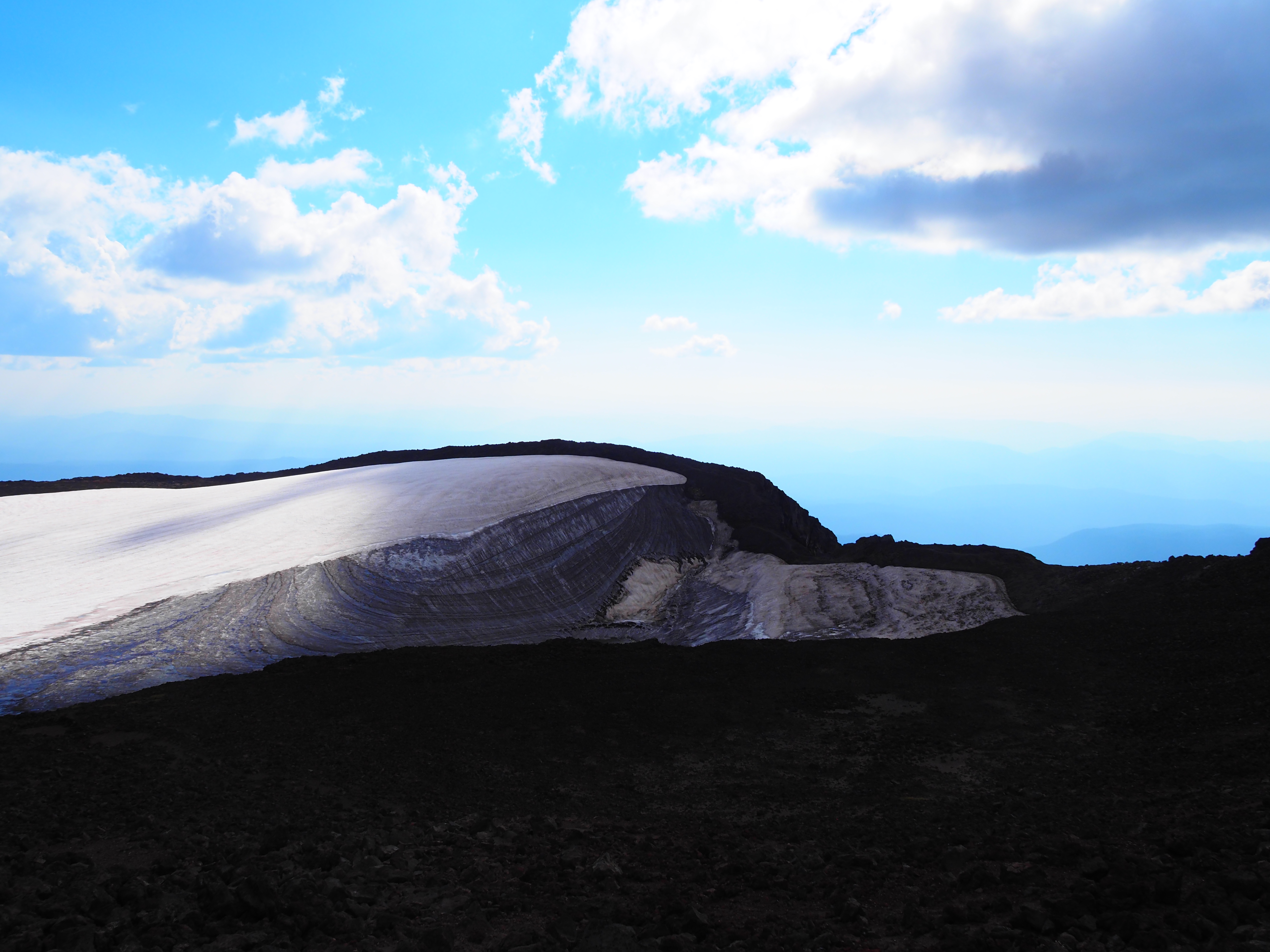
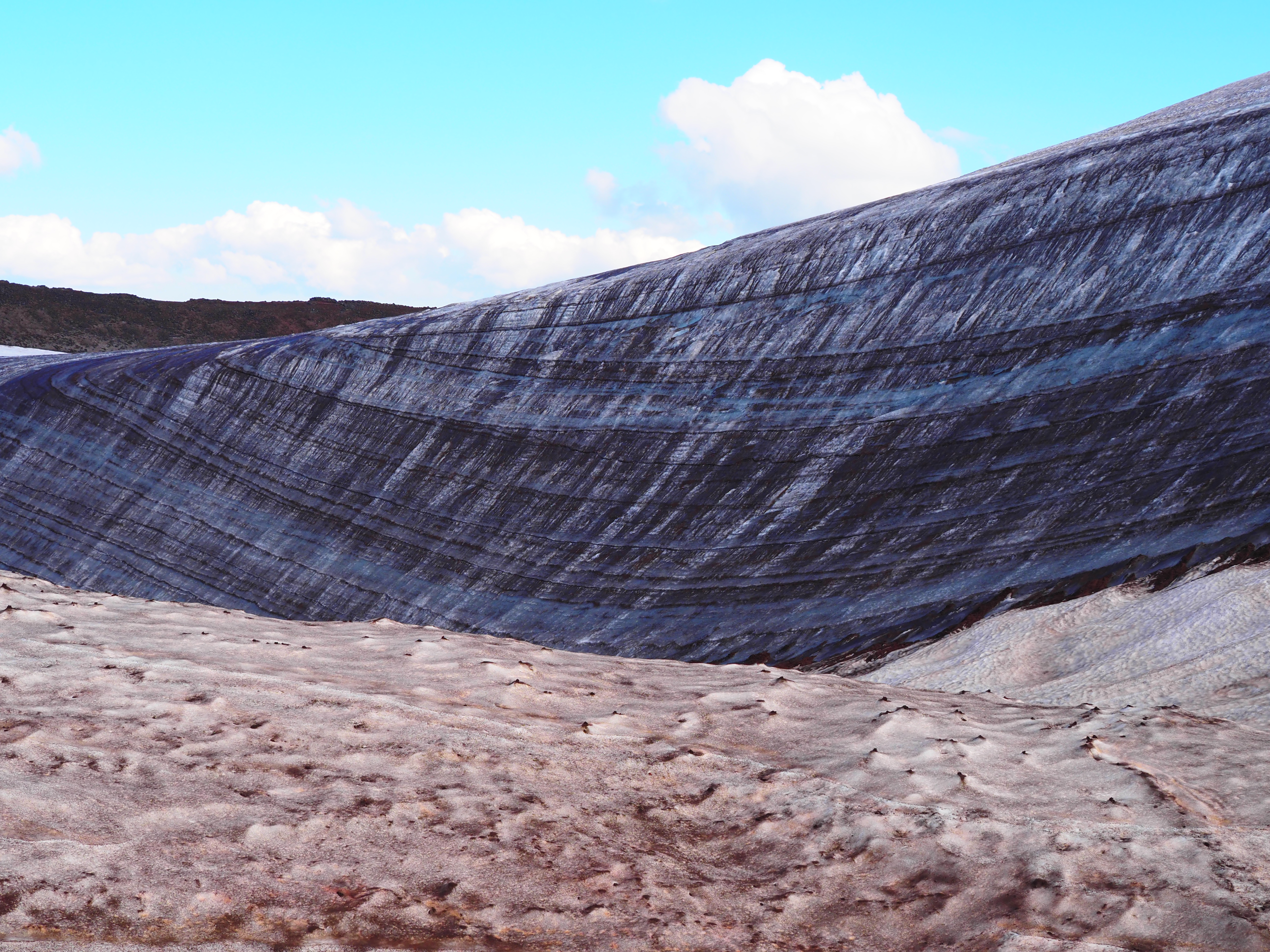
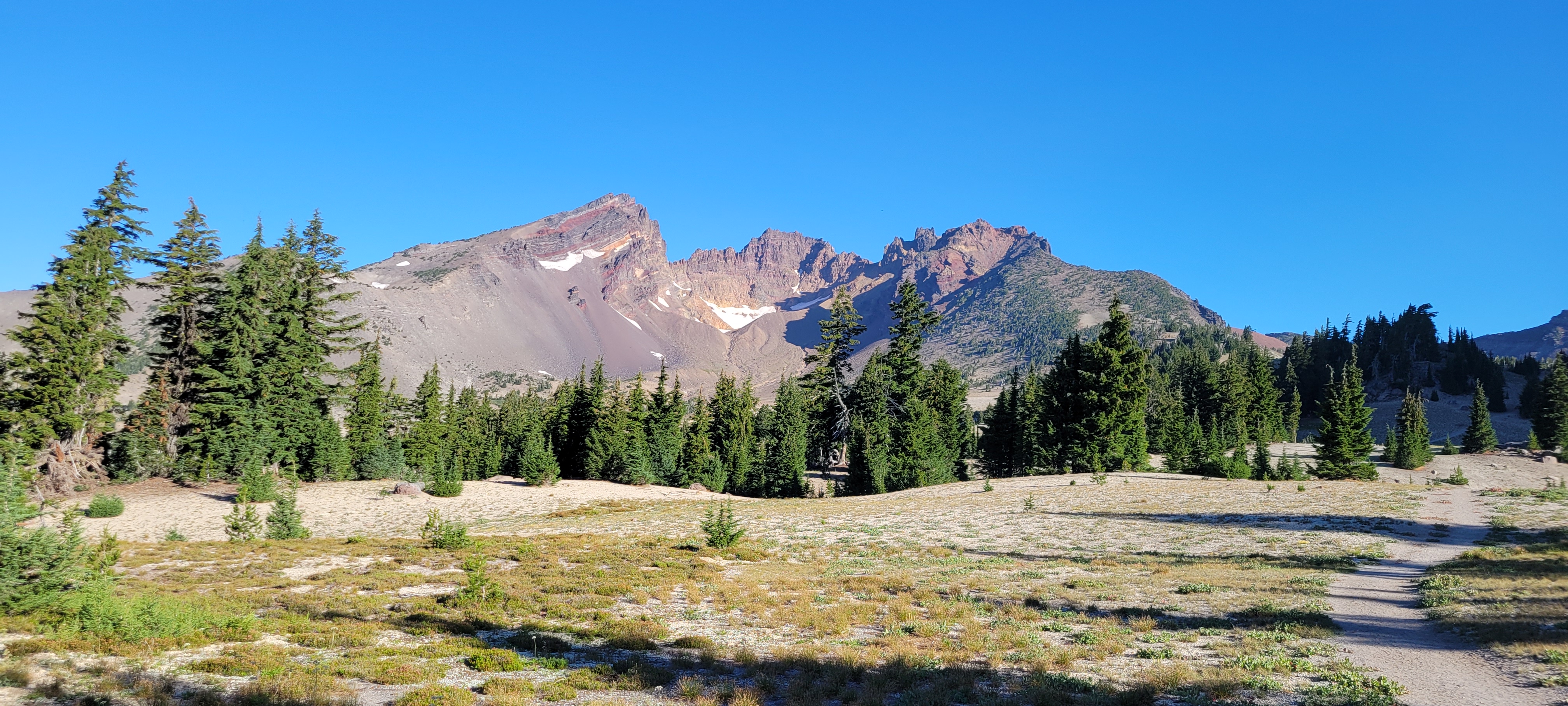
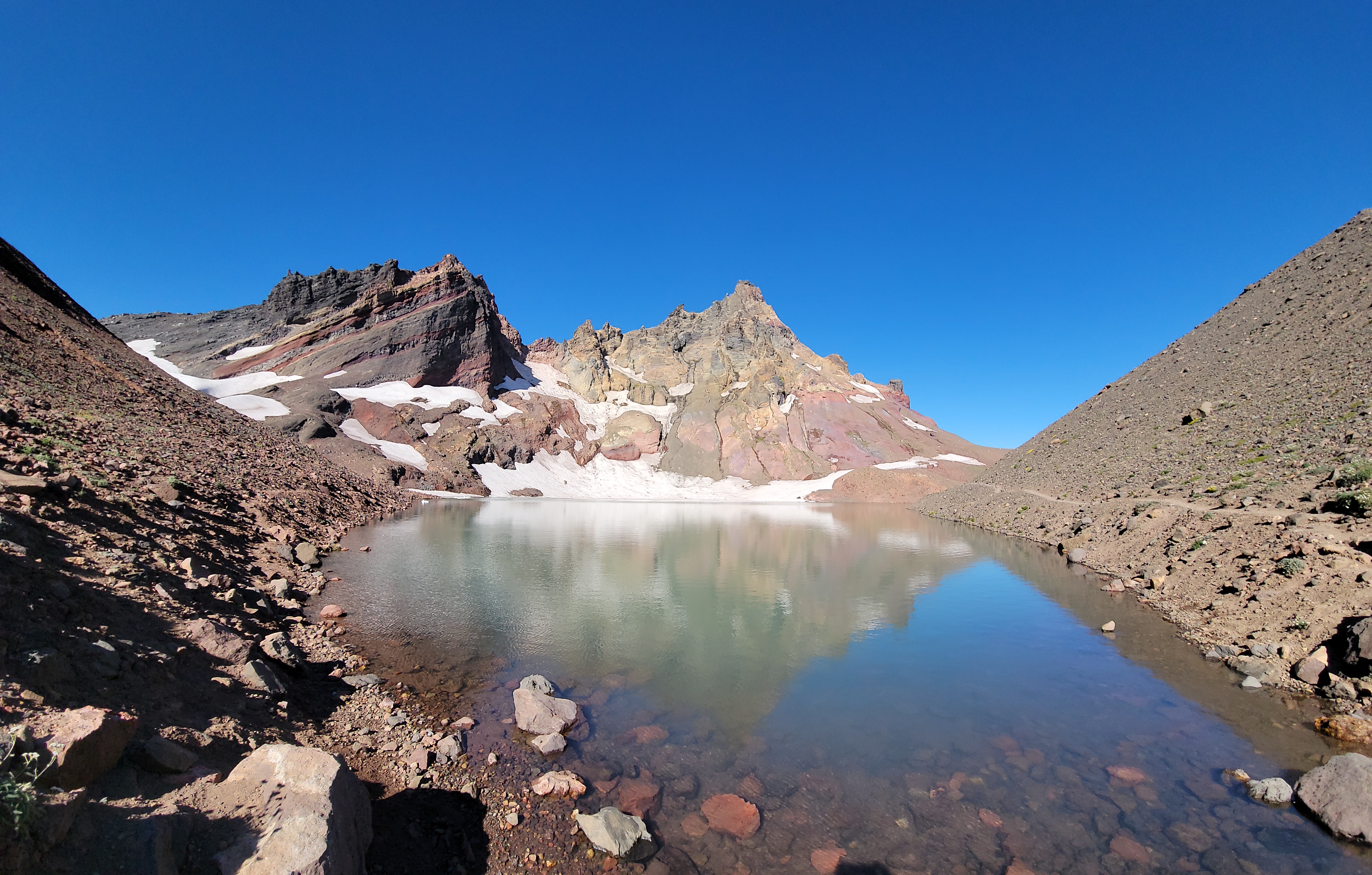
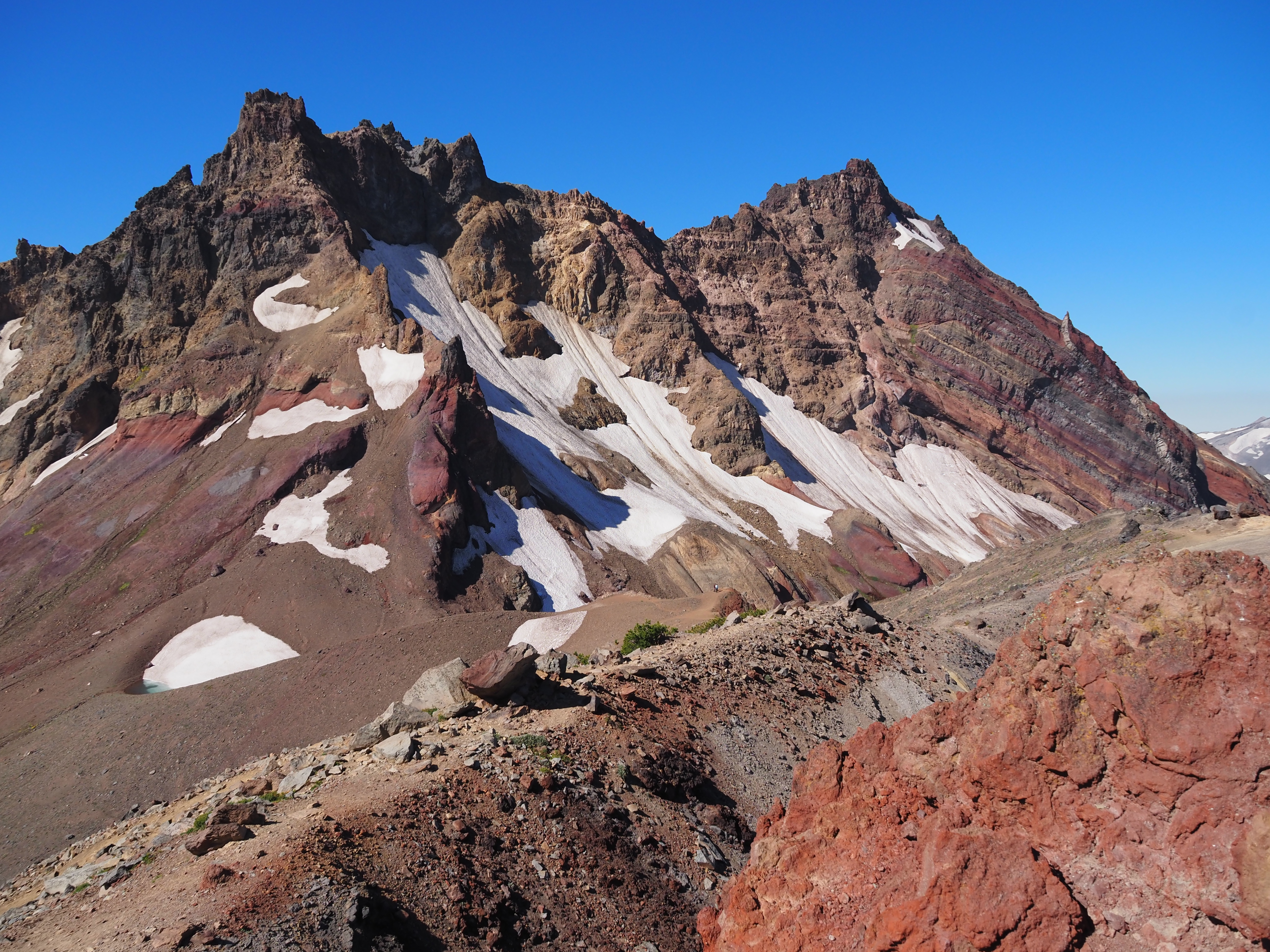
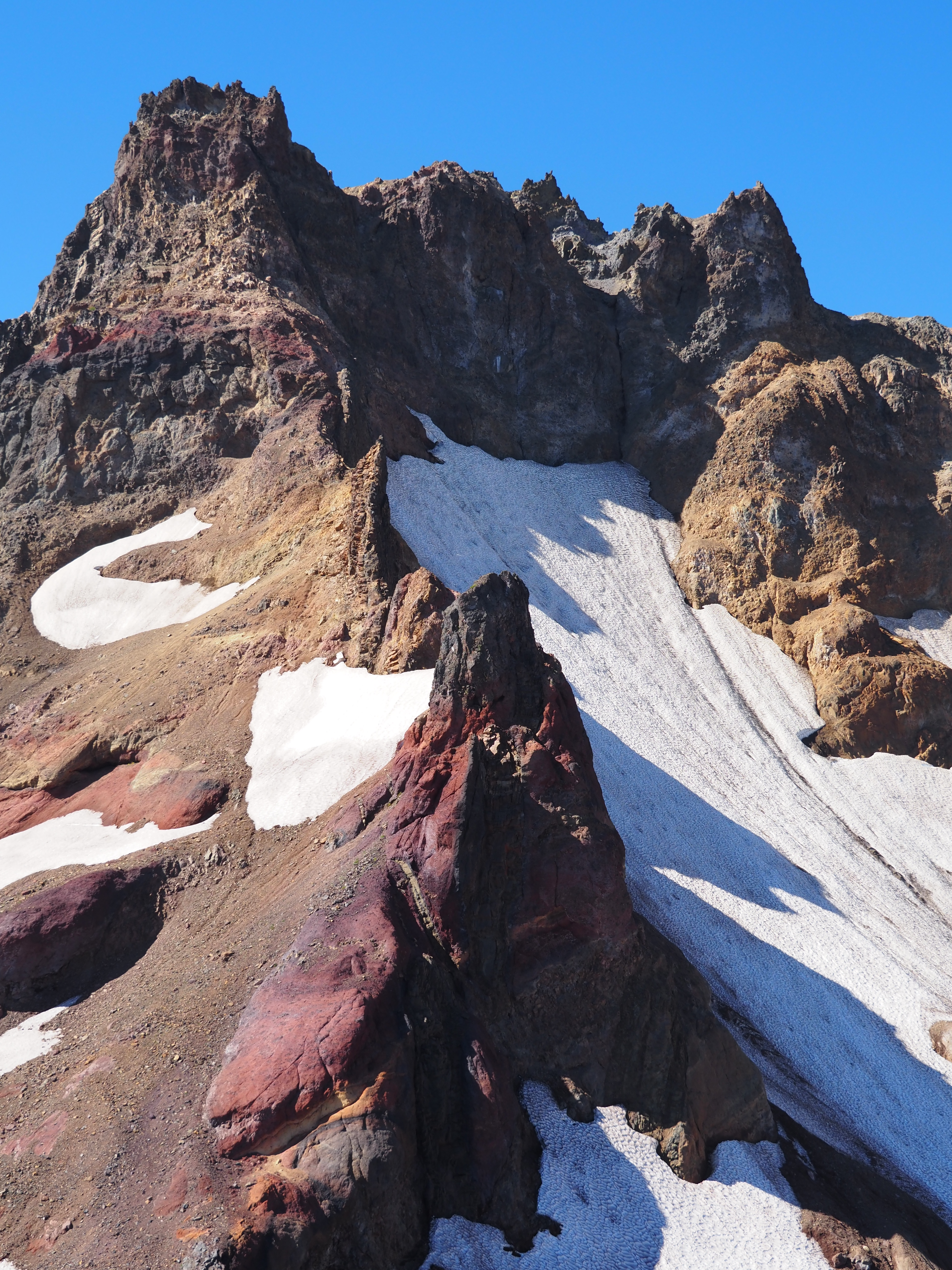
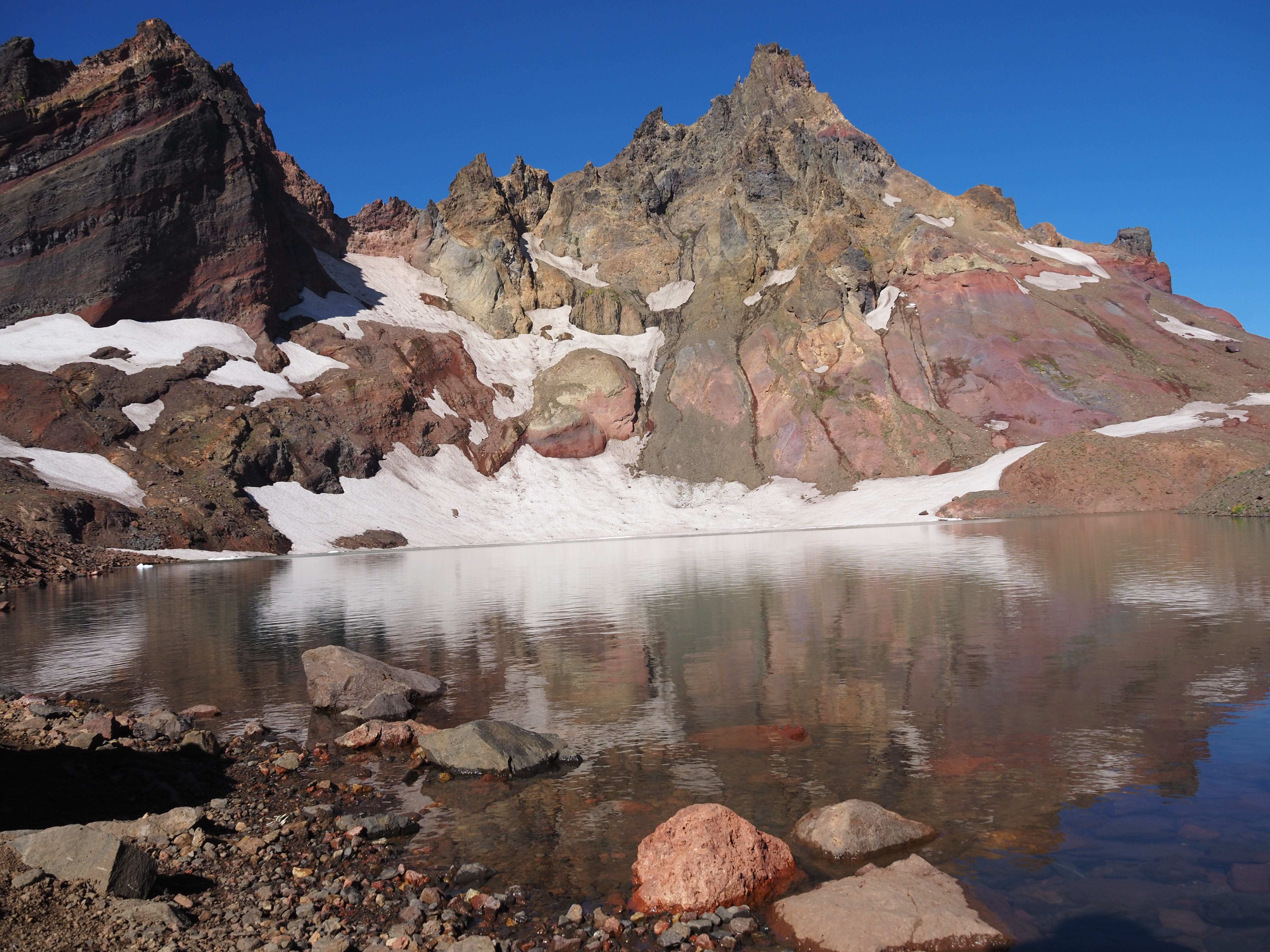
Anyway, it was a glorious hike. Broken Top is well-named. And the lake that sits below it is fed by a small glacier. At the far end of the lake, a trail leads up to the rim with views looking north to the Three Sisters range. The pictures below don’t really do it justice.

Day 4: Pacific Coast Trail & Belknap Crater

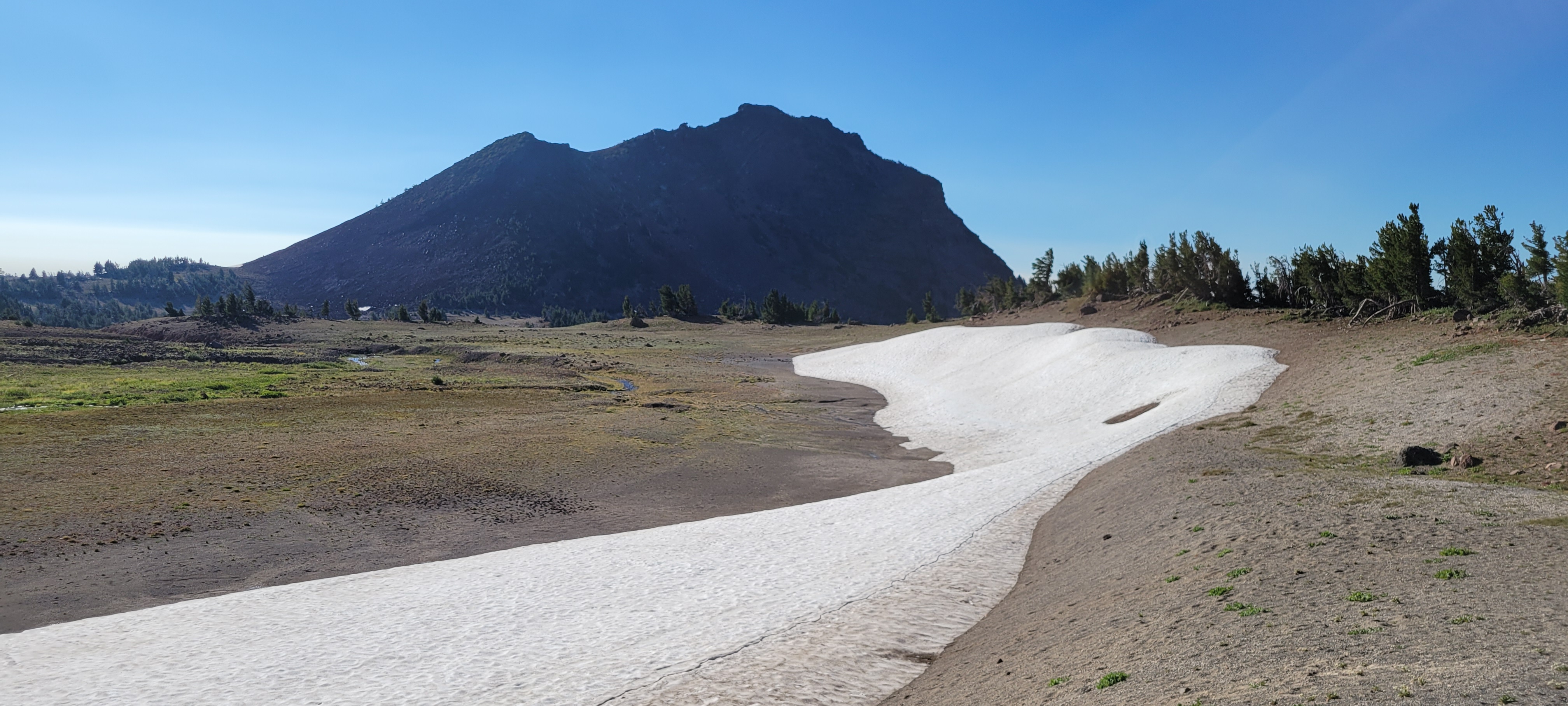
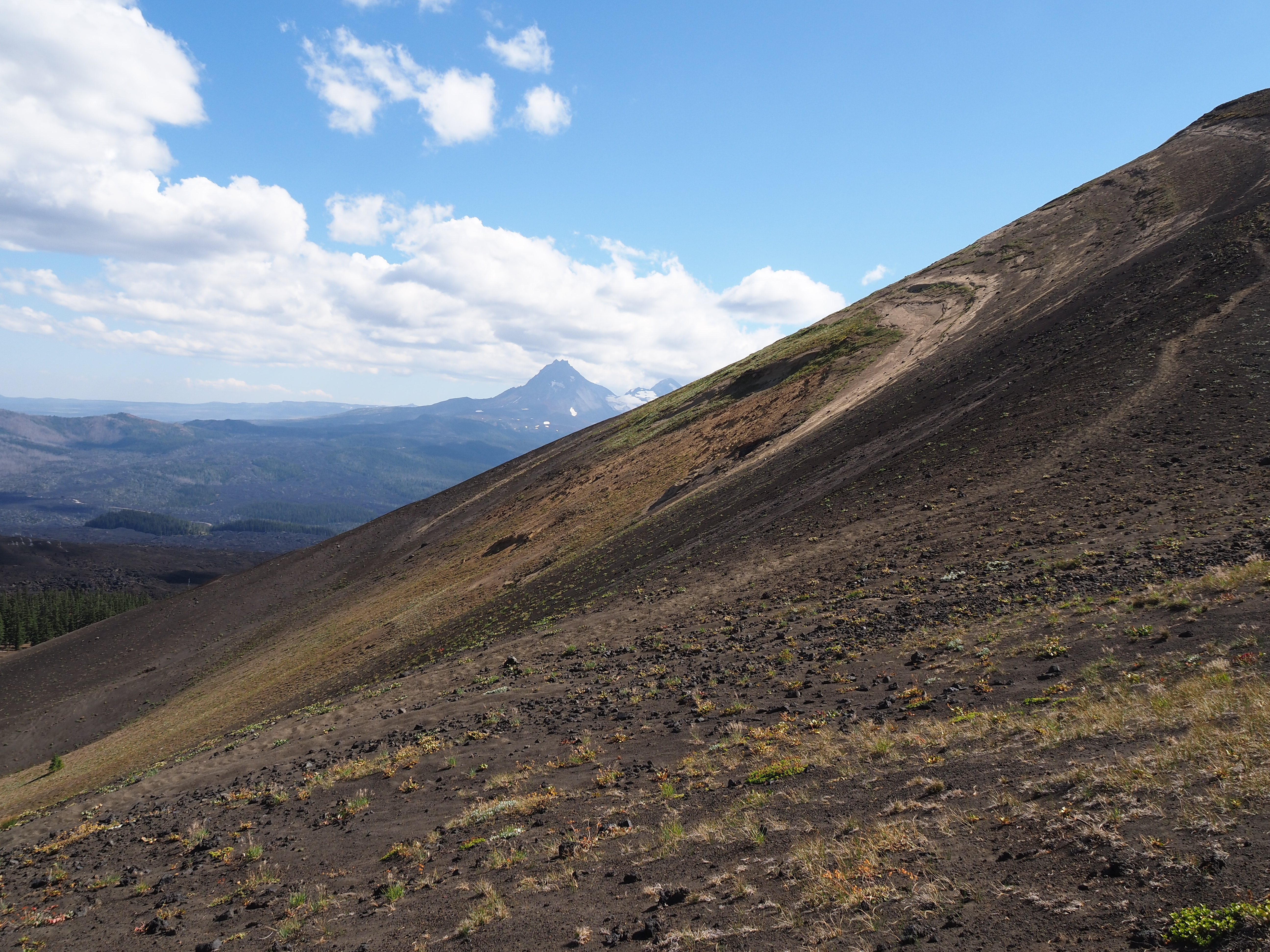
This hike began on the Pacific Coast Trail, just below McKenzie Pass. Again, it’s almost impossible to describe the landscape beyond saying it looks like an ocean of lava; or perhaps a river in flood might be better.

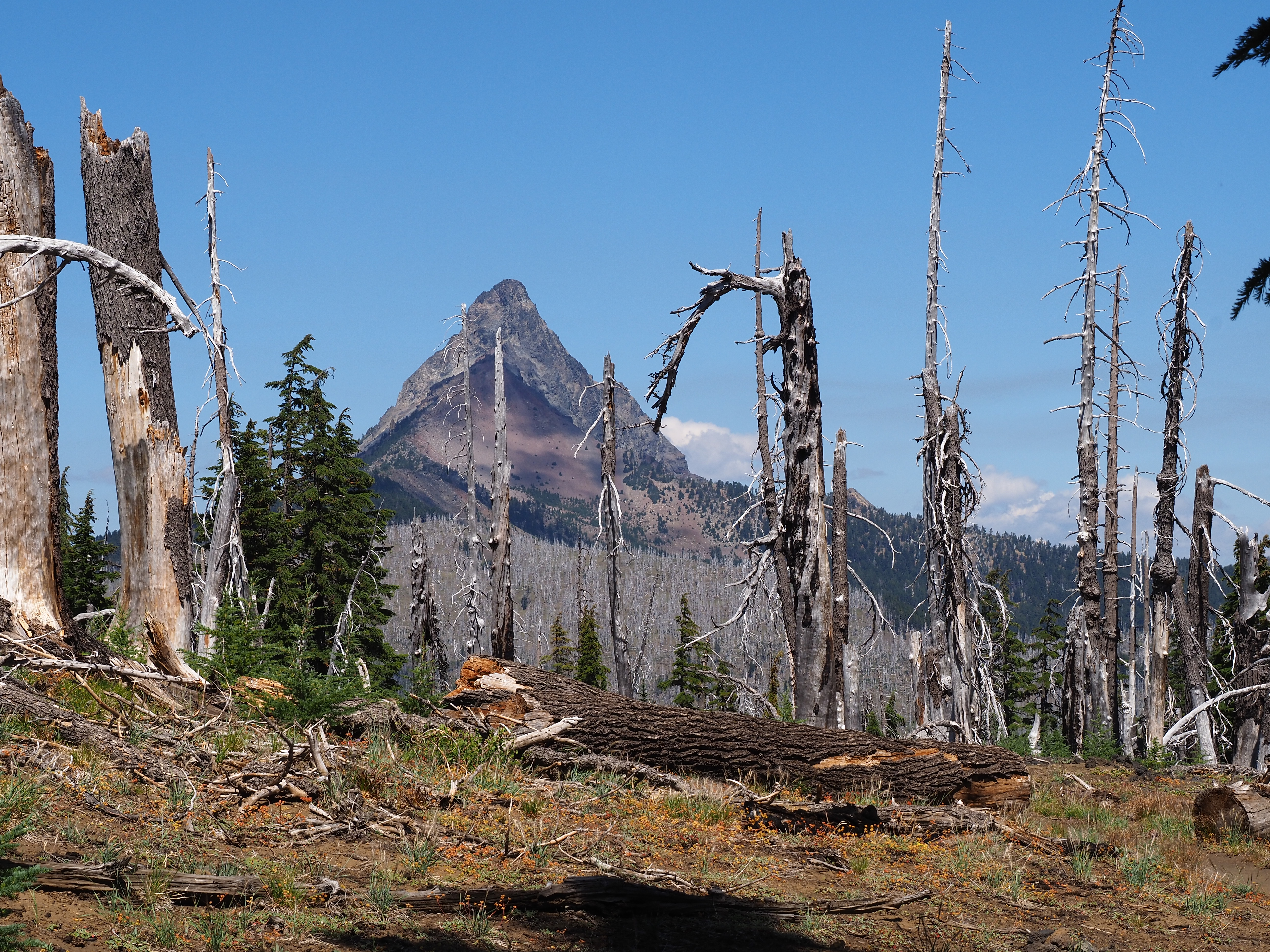
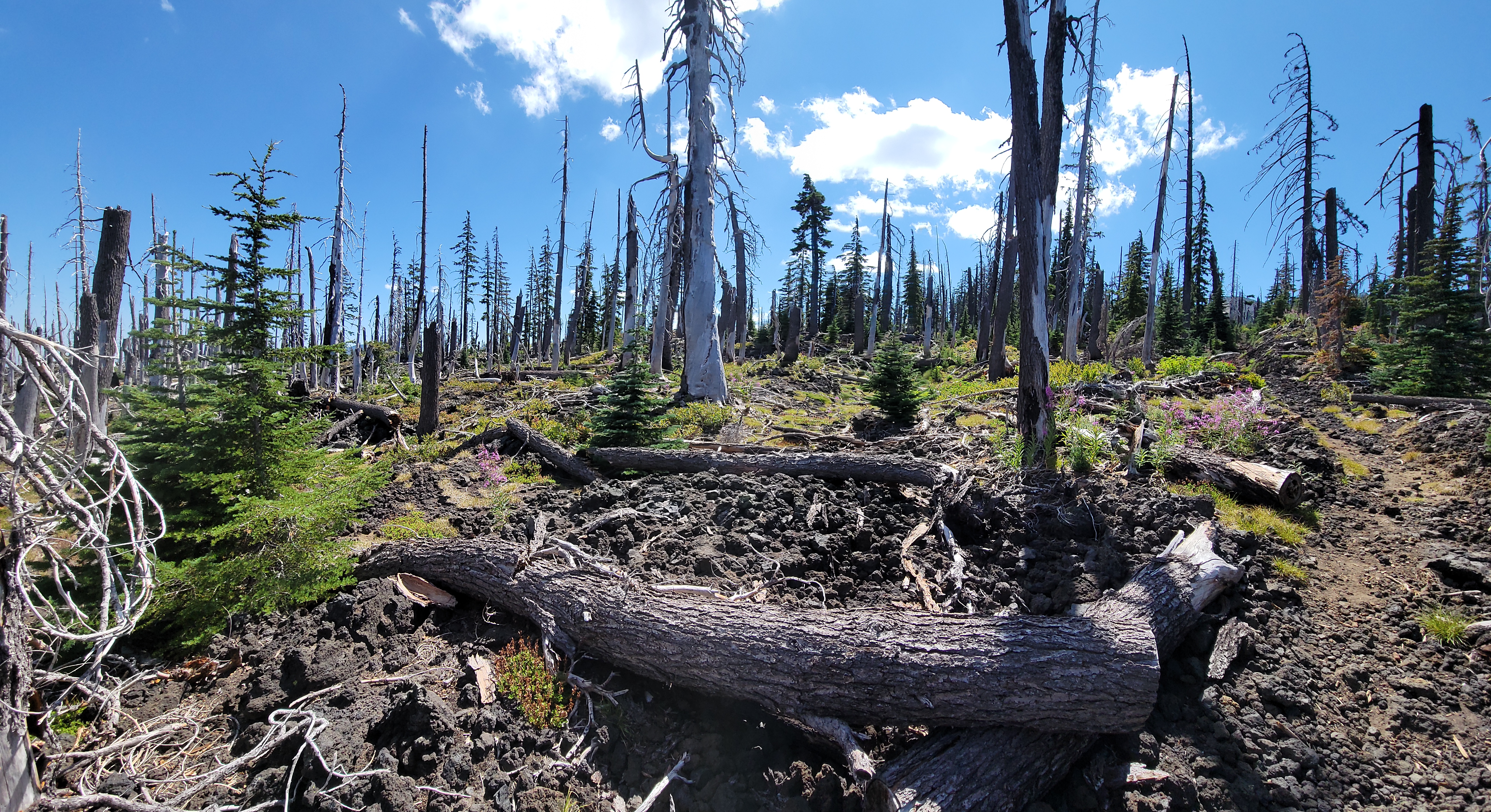
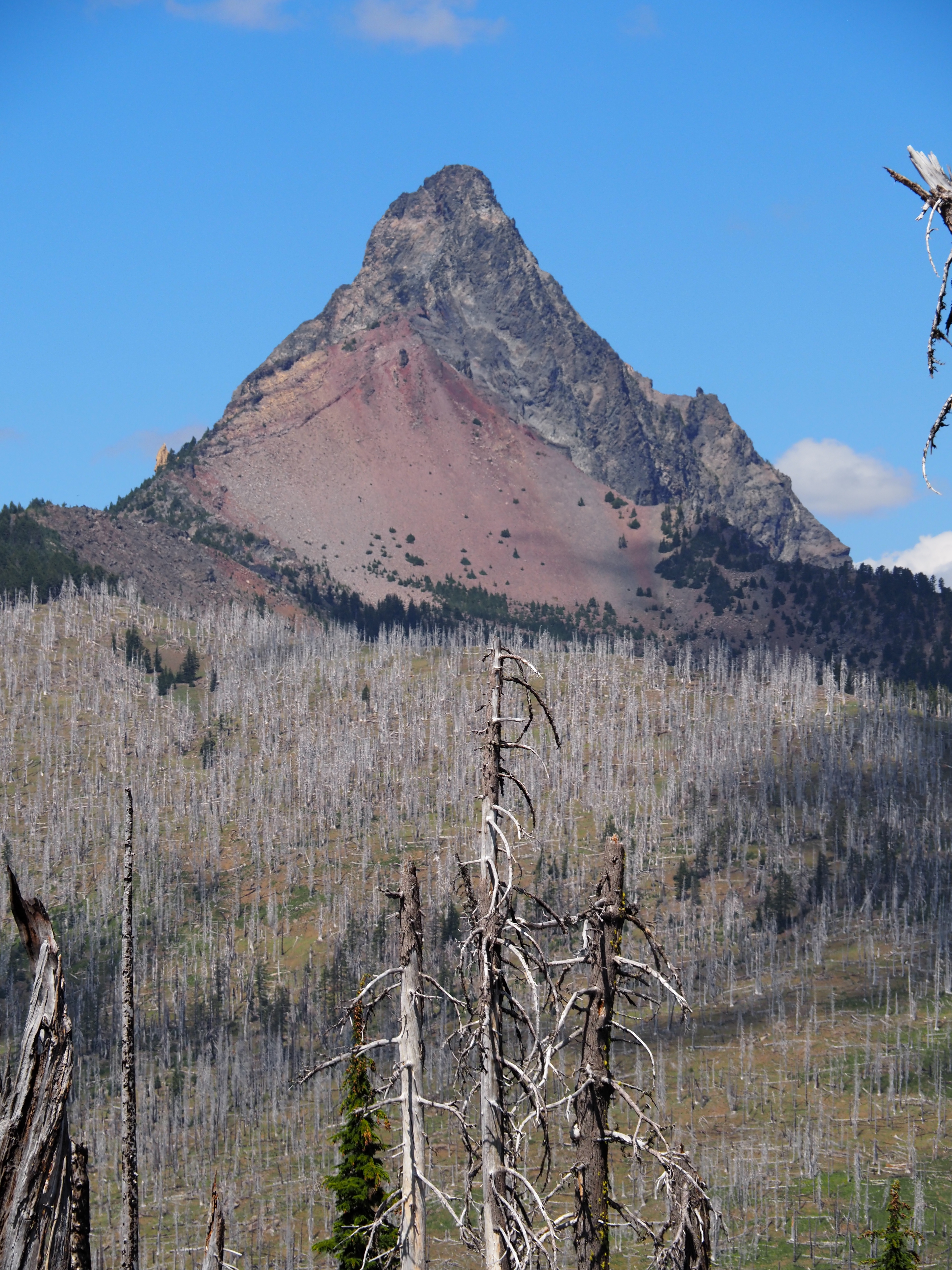
After walking a trail through the lava field for about an hour, you come out on a landscape wildflowers and pine forest. And then abruptly, the live trees give way to a vast area of forest recovering from extensive fire damage. The trail leads through this towards the Mount Washington Wilderness, which sort of looks like a less snowy Matterhorn.

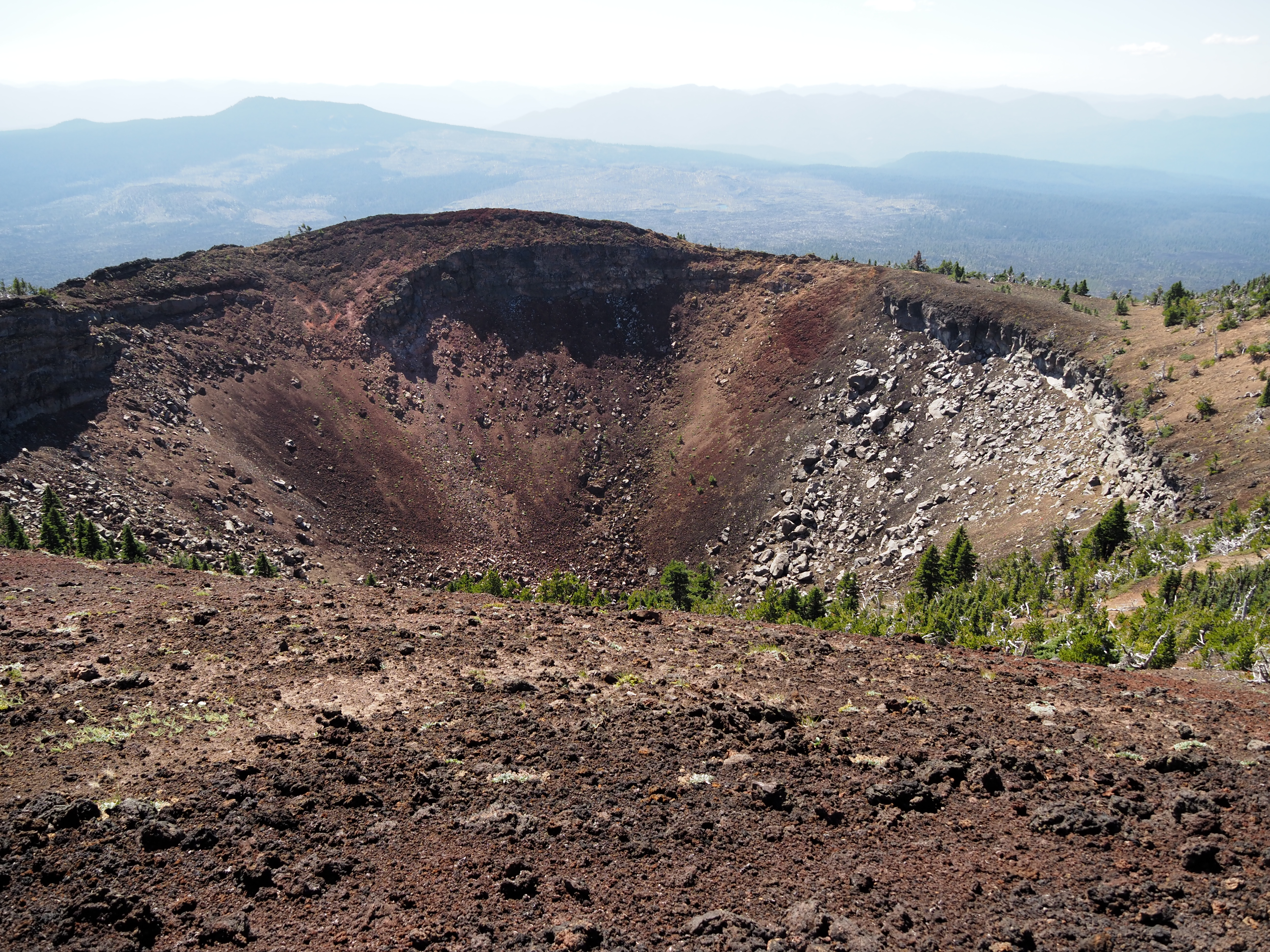
The Belknap Crater is an extinct volcano which rises a couple of thousand feet above the lava field, on the west side of McKenzie Pass outside the town of Sisters, Oregon.

Sabbatical News: Pictures from Ring Lake Ranch

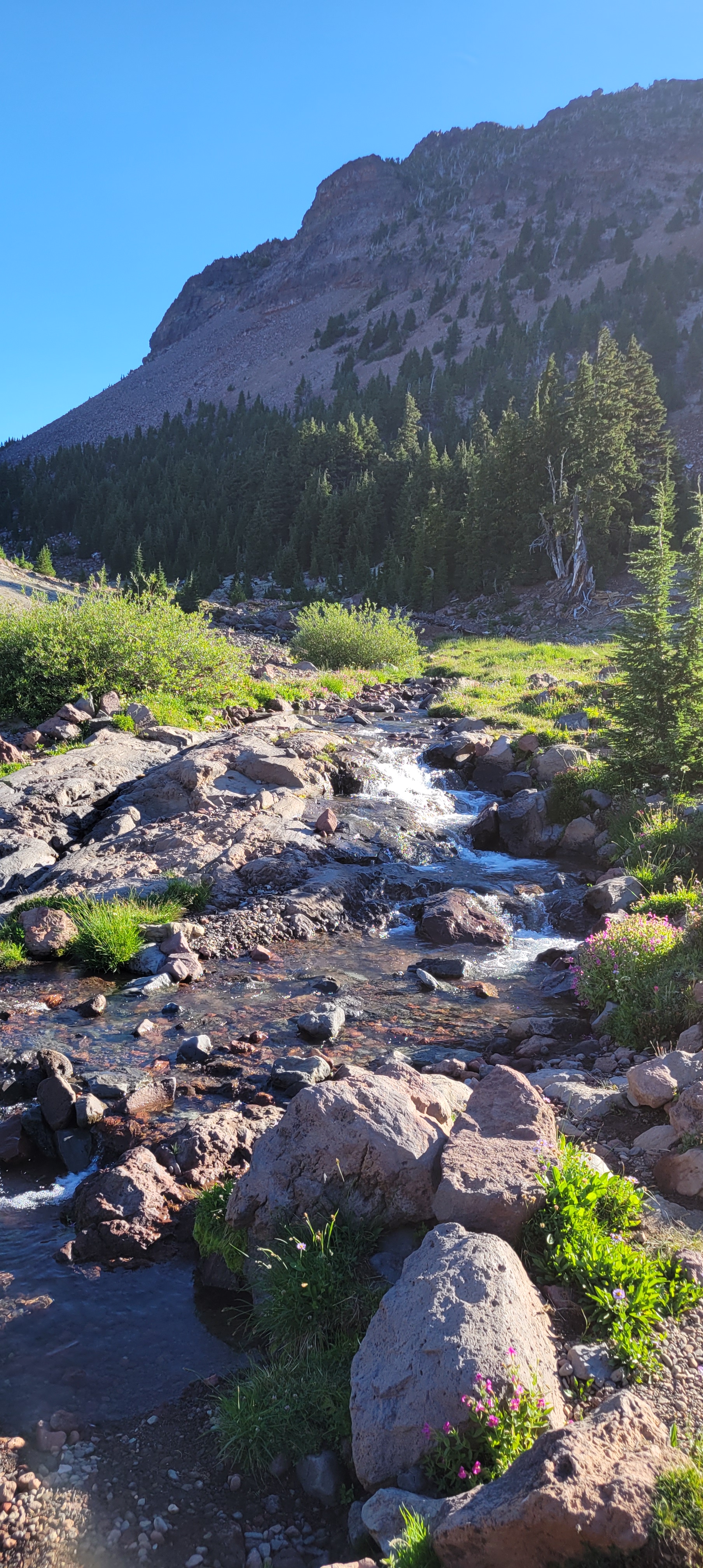
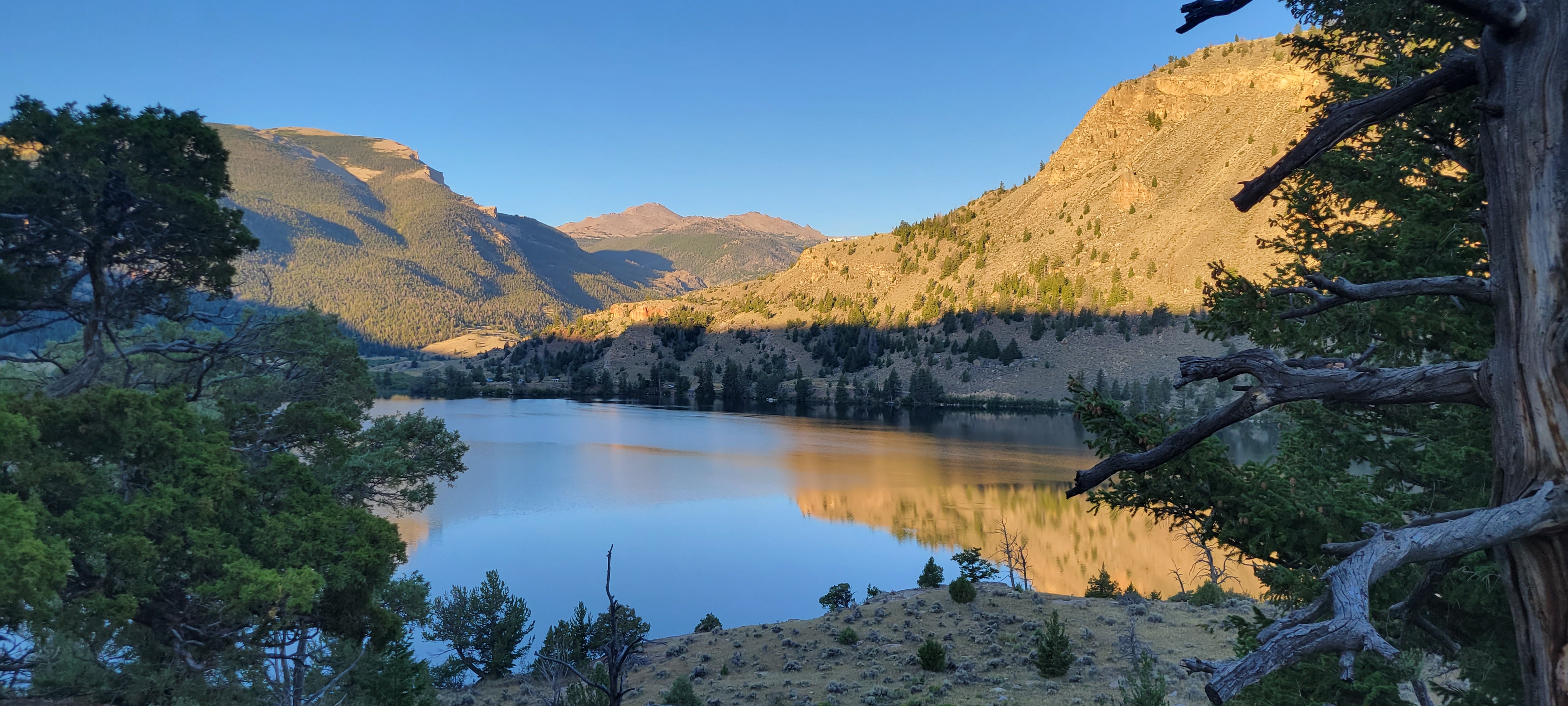
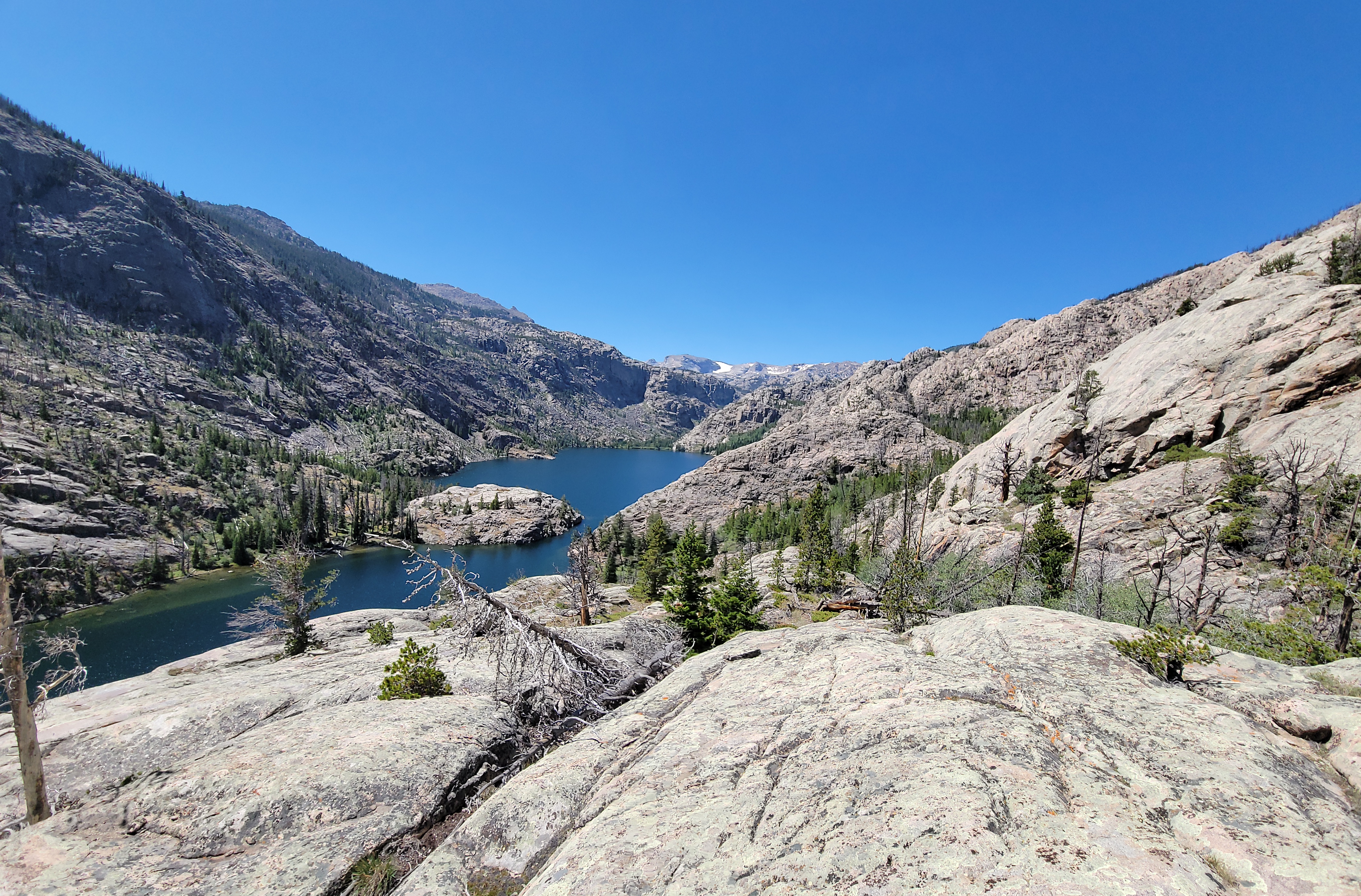
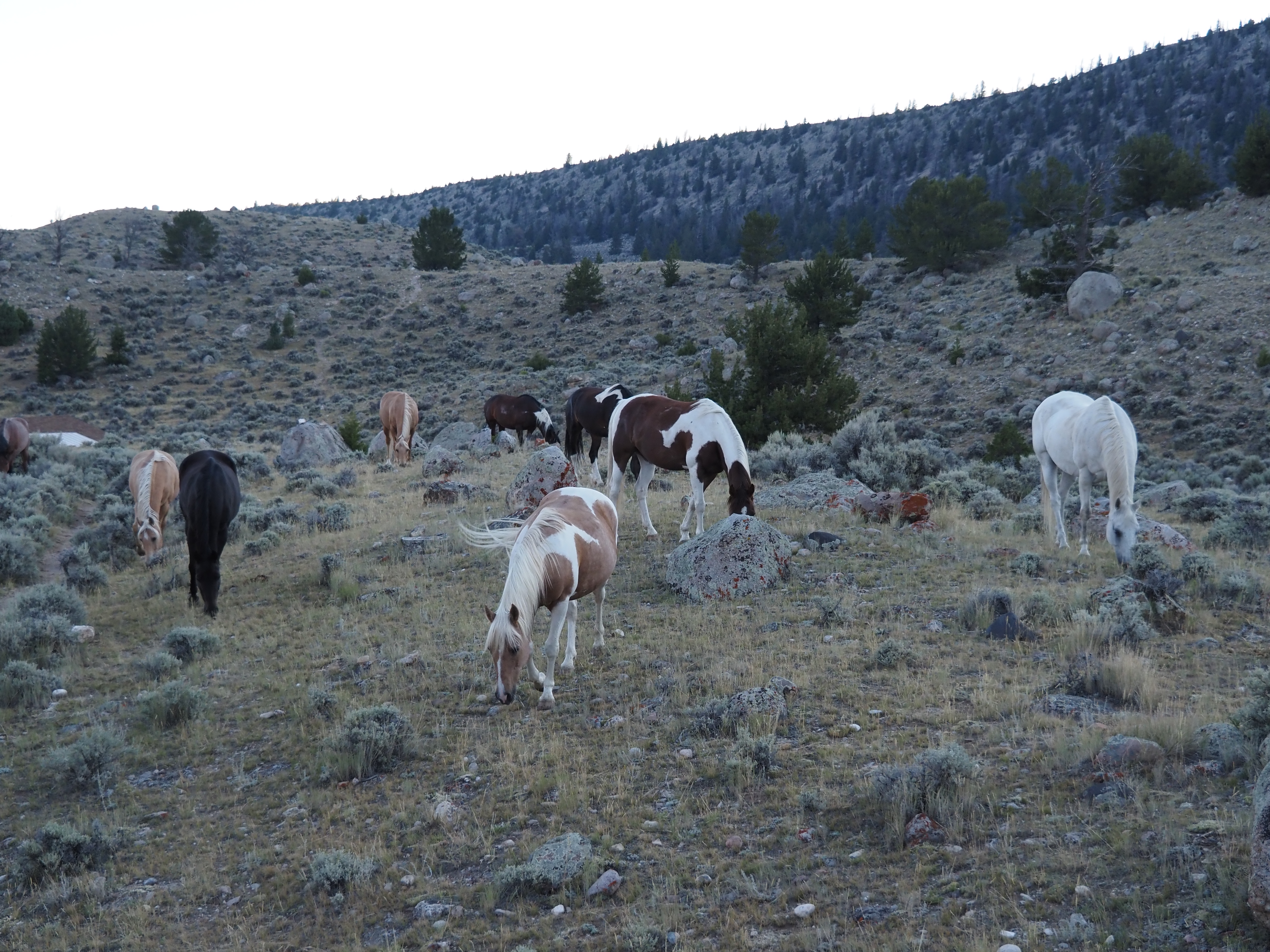
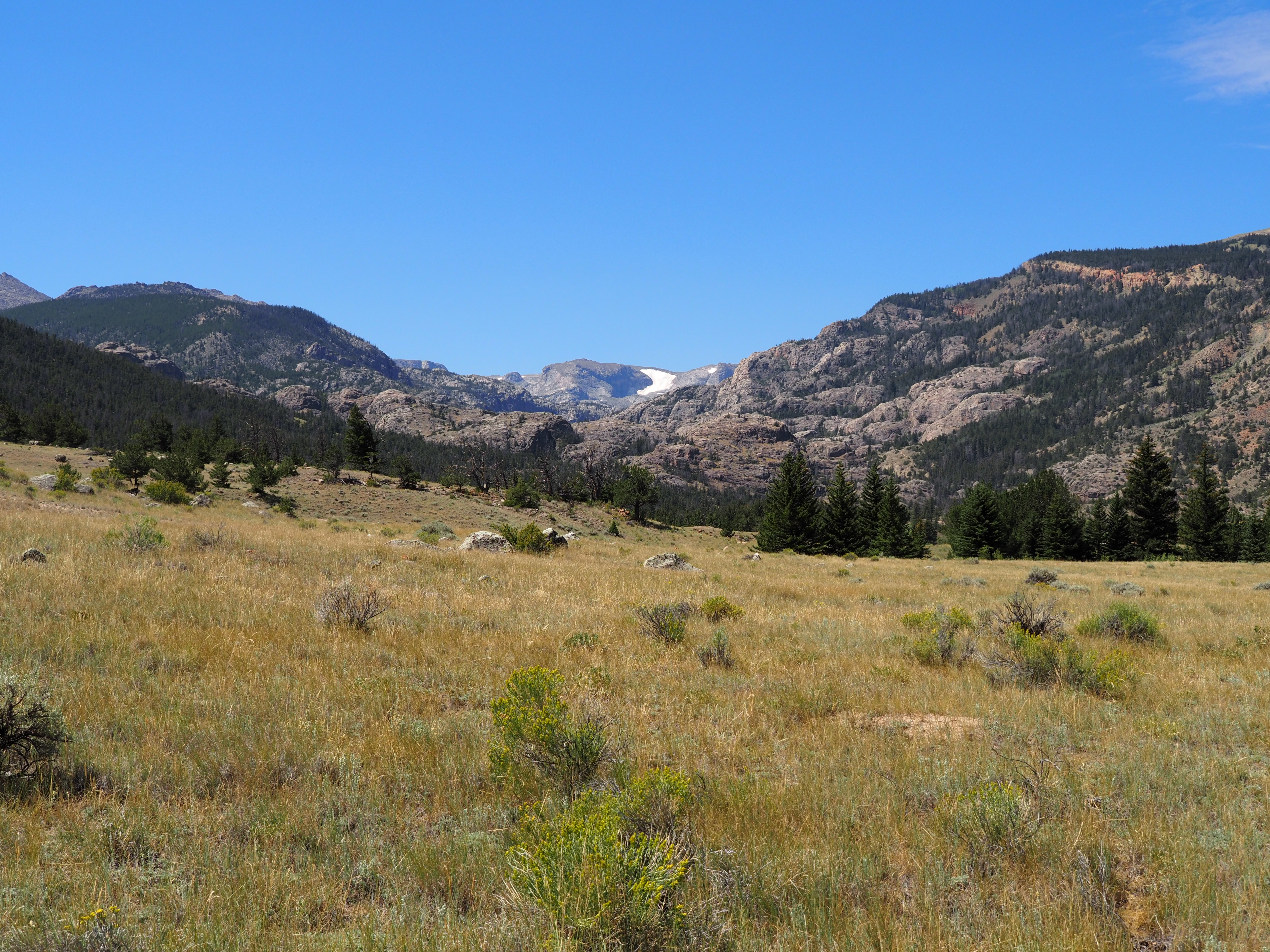
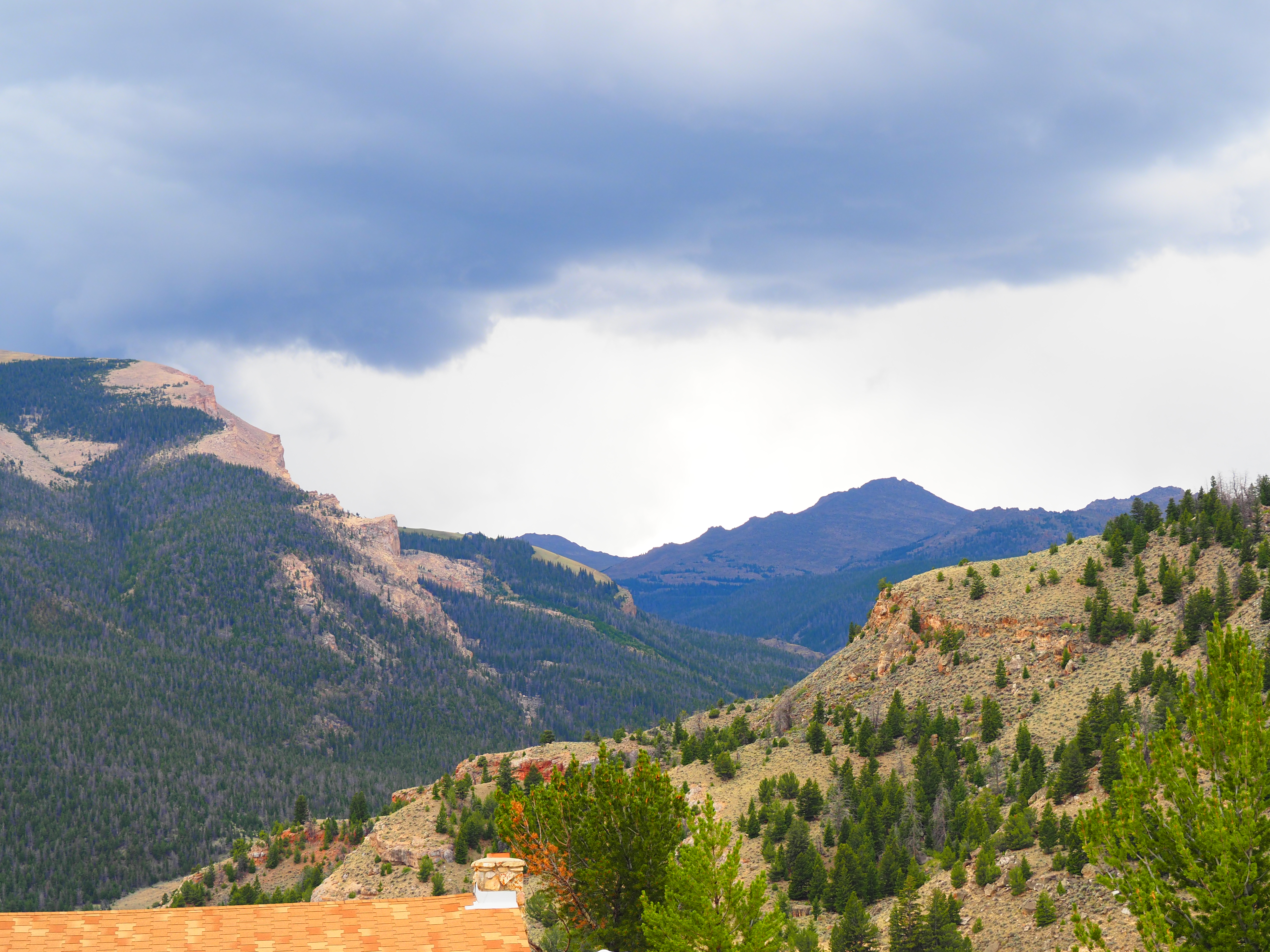
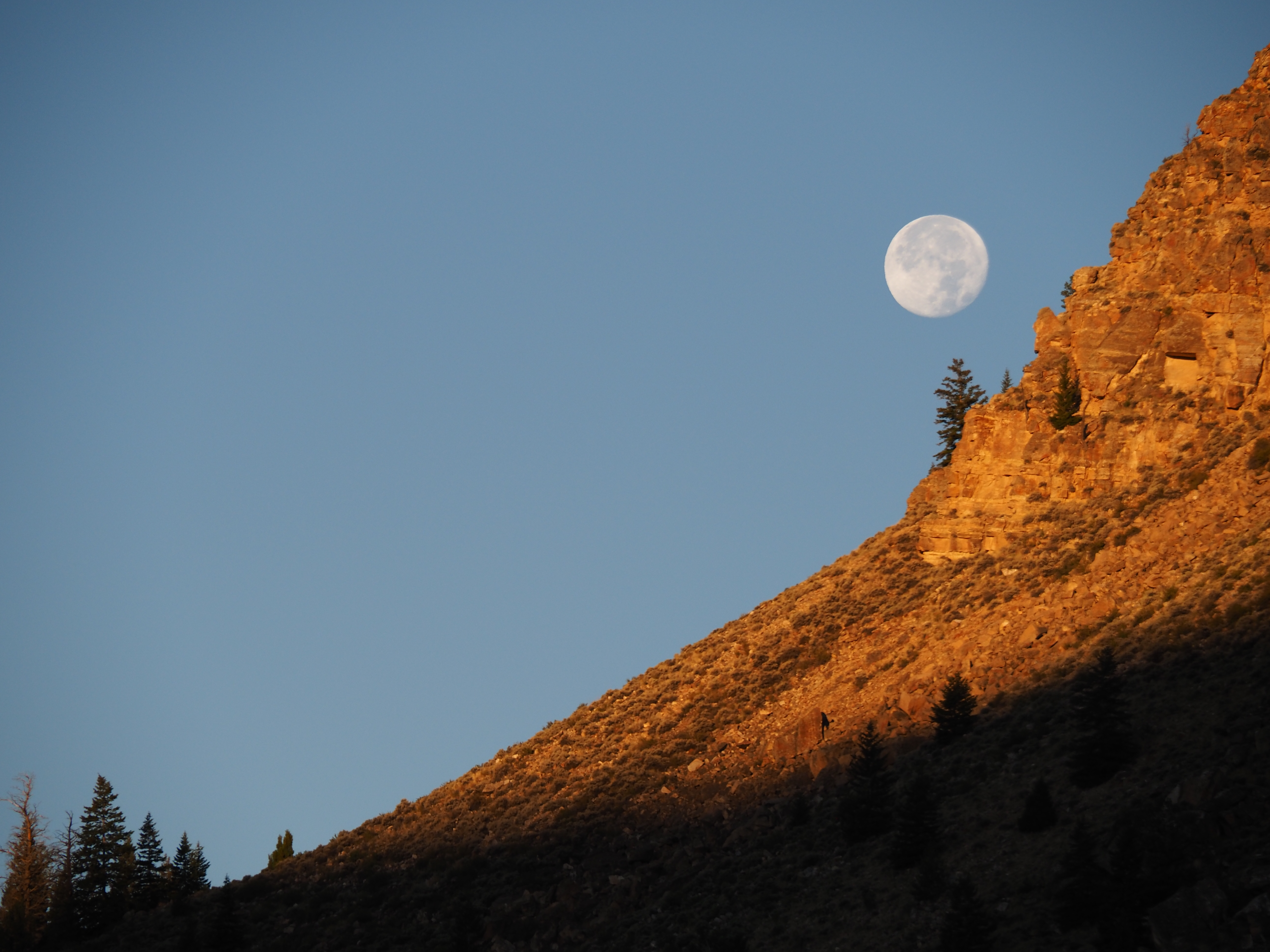
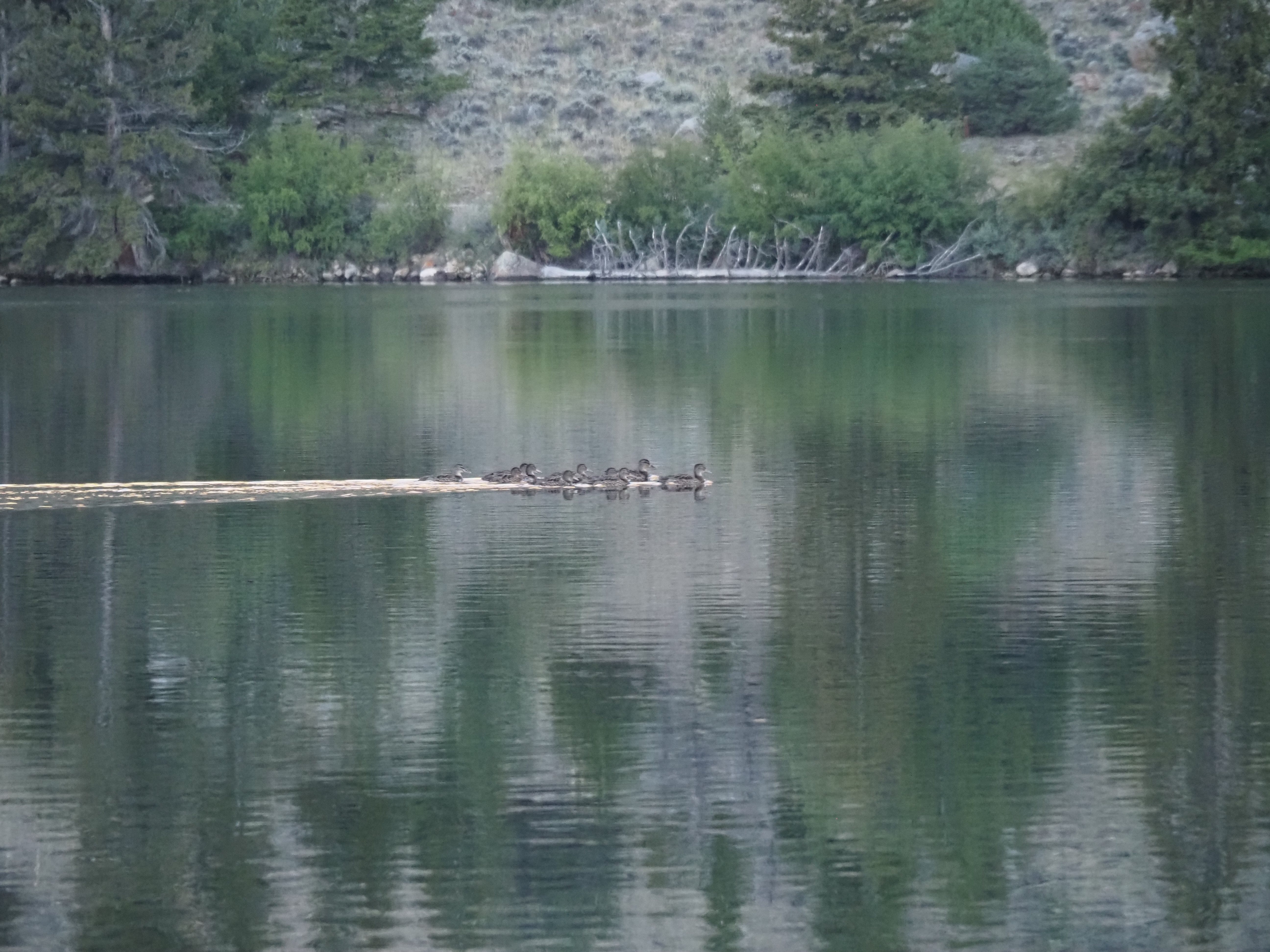
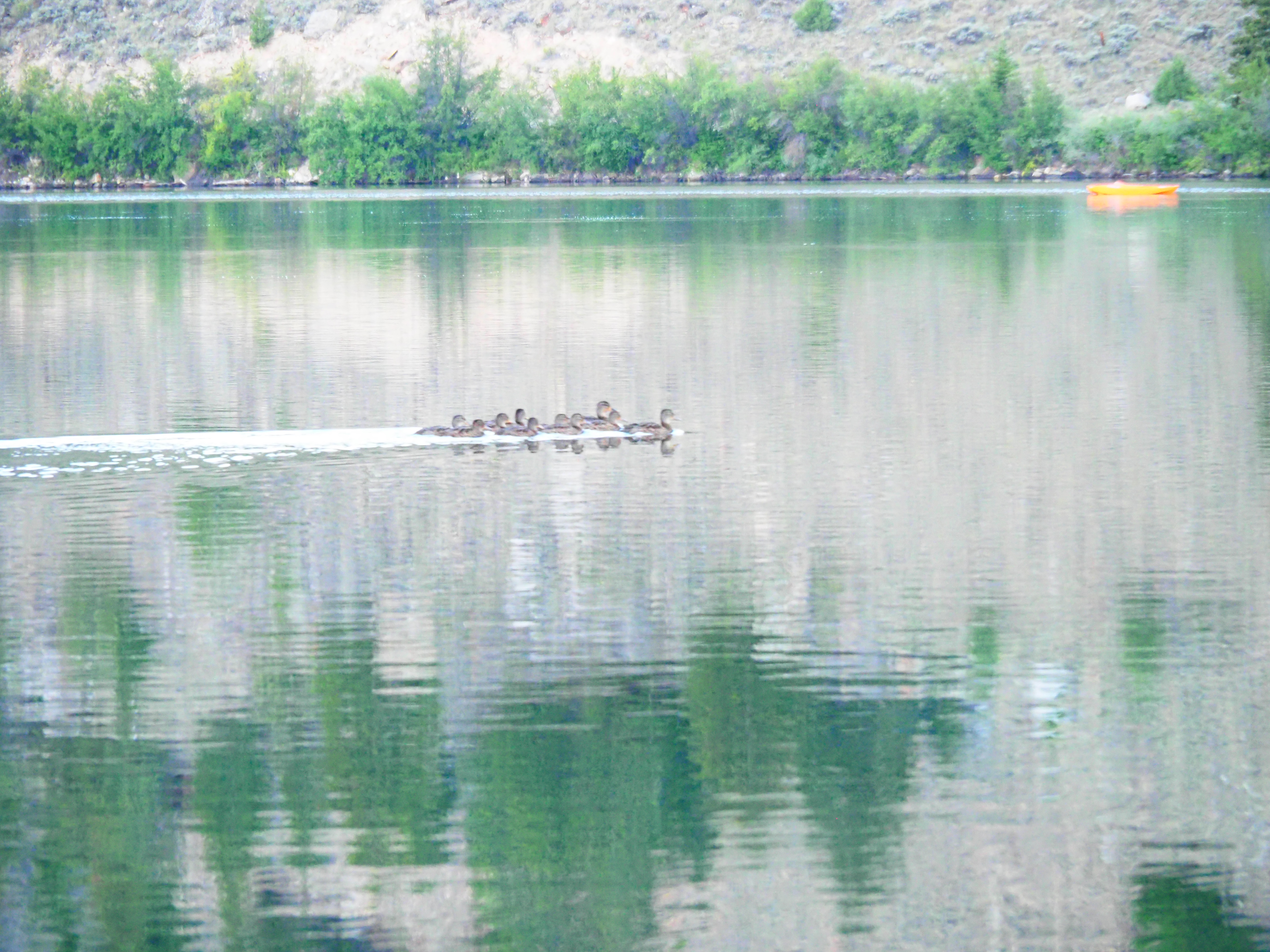
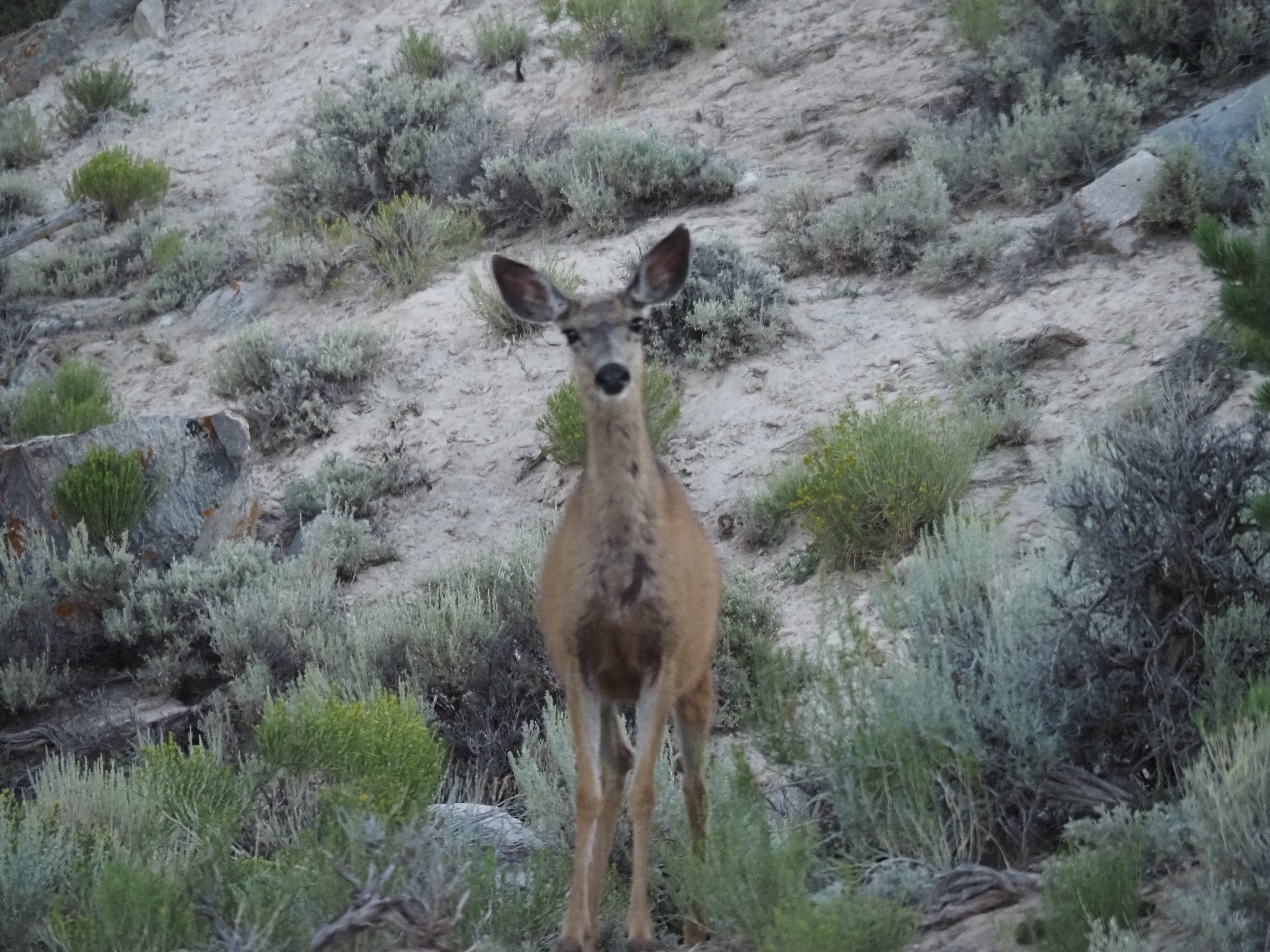
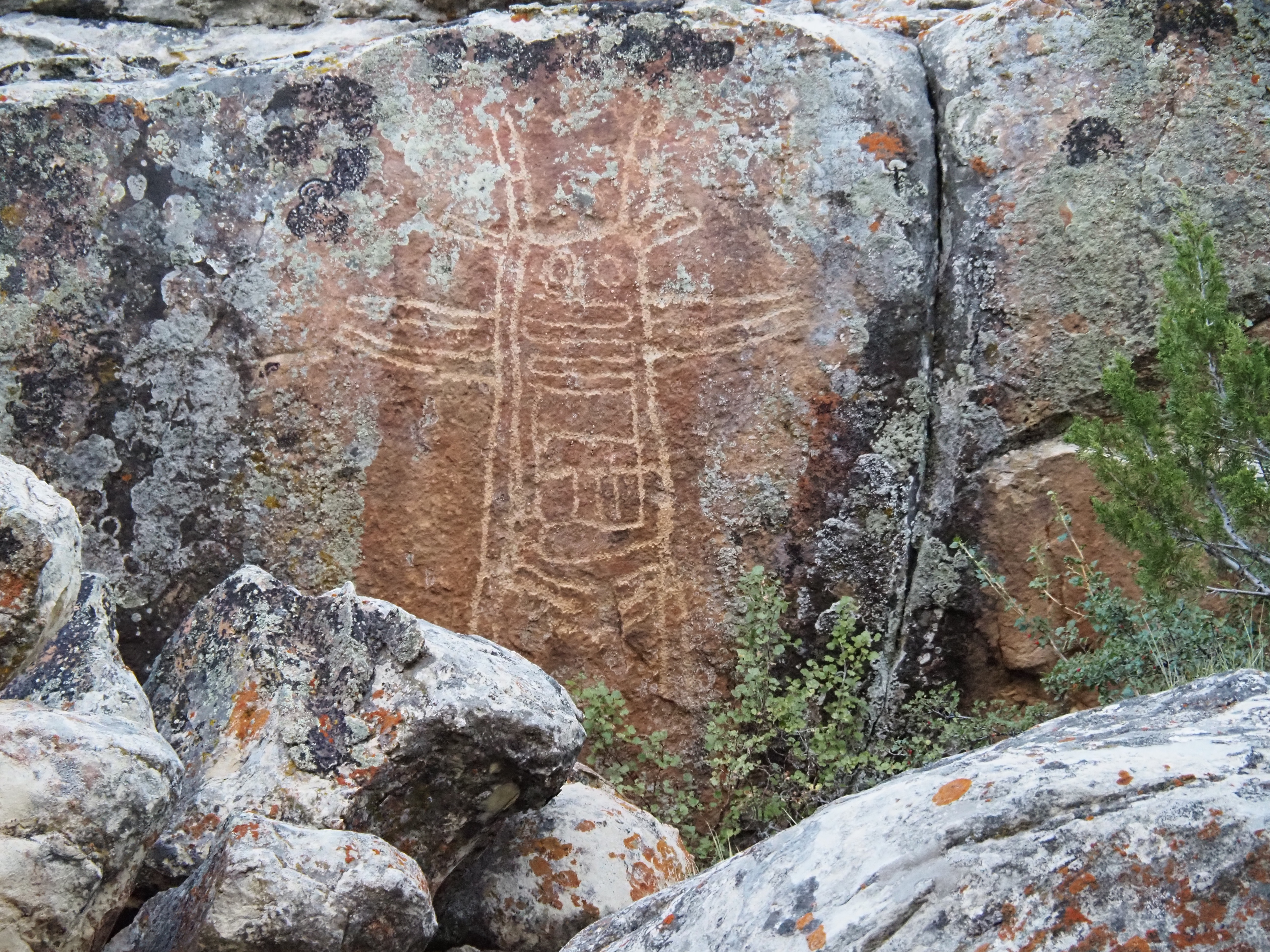
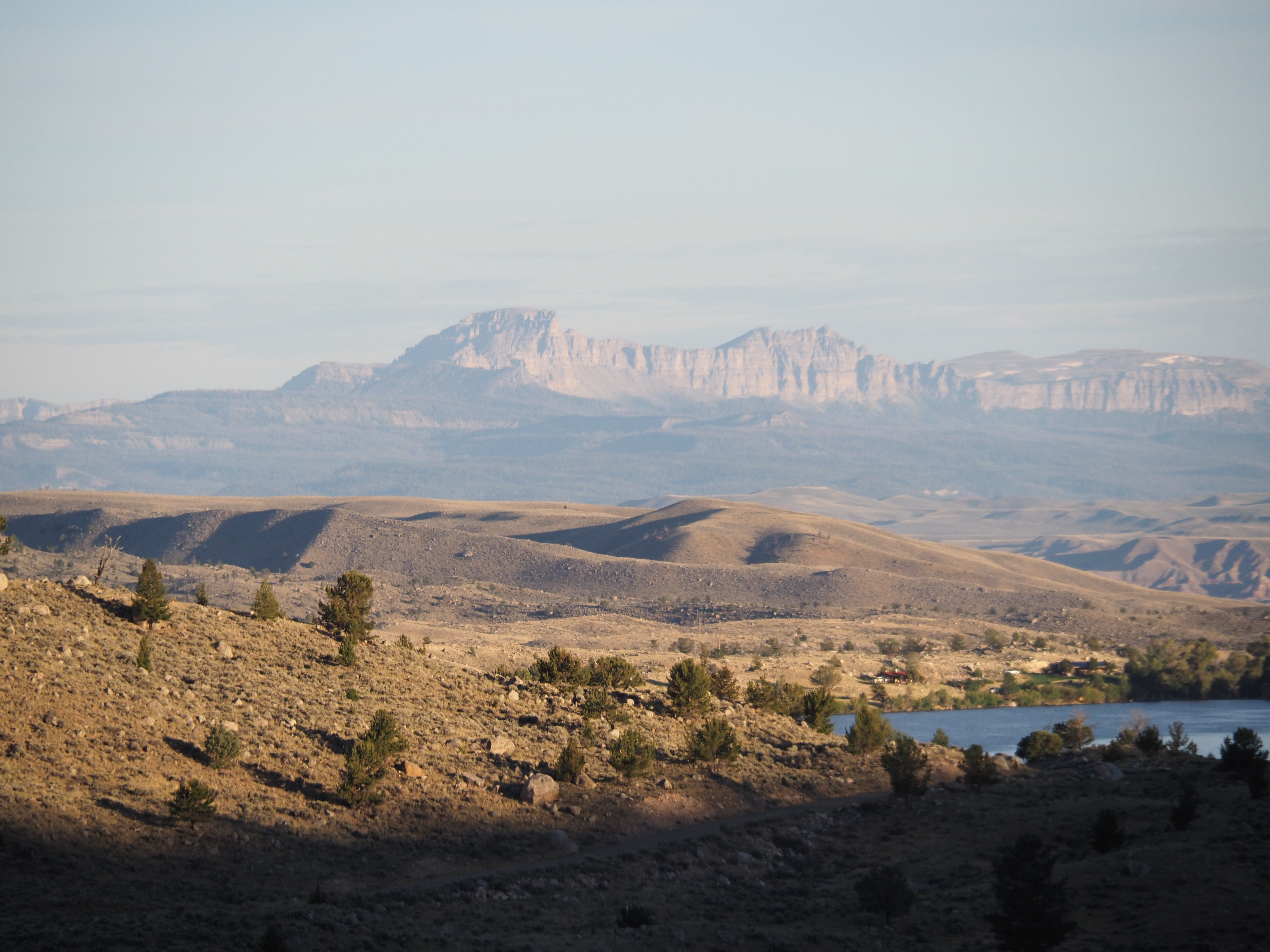
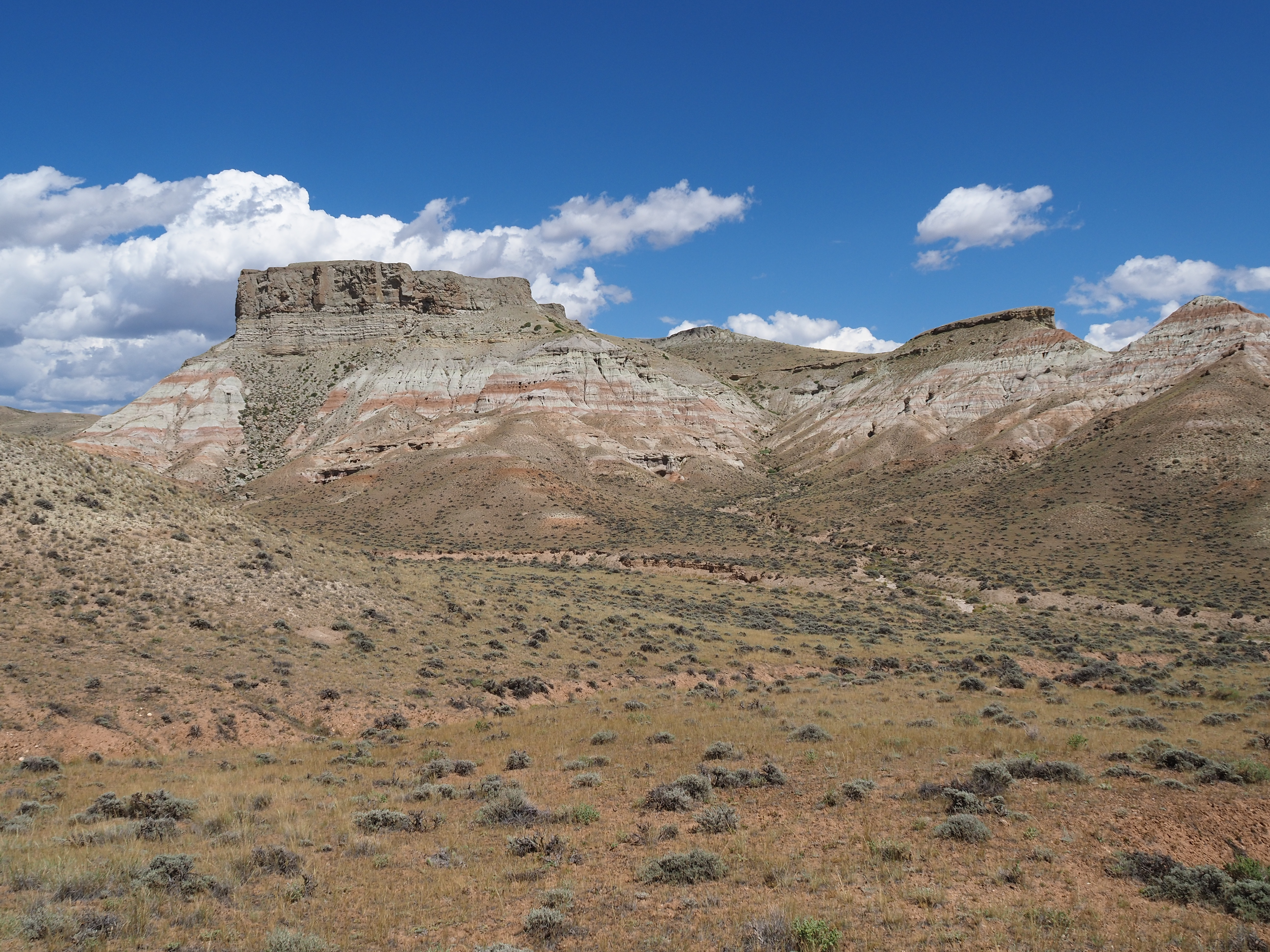
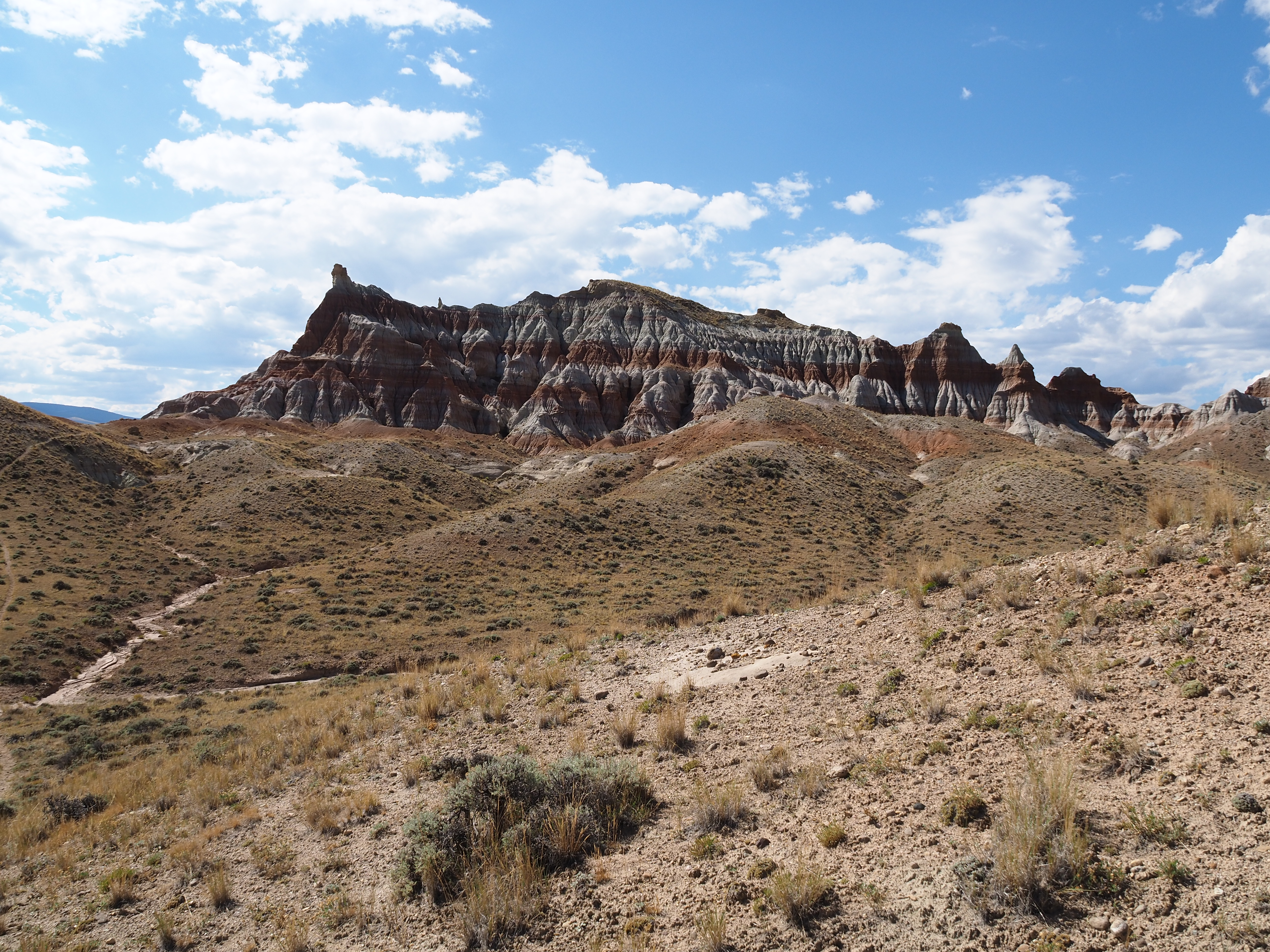
Good afternoon everyone. Again, my thanks for your interest in following along with my travels. Here are a selection of pictures from Ring Lake Ranch. Some of you will know Ring Lake from personal experience. Others will know it from Sarah and my mention of it. It is a jewel of a place, tucked into a small glacial valley in the bowl of the Wind River Mountains, just outside the small western Wyoming town of Dubois. A quick word here on Dubois. First of all, the pronunciation will come as surprise, and to French-speakers perhaps a whiff of scandal. It rhymes with ‘noise.’ My father was a a native of Wyoming, and as far as I can tell, they are a people ready and willing to make any word their own. And also, Dubois was a favorite haunt of the outlaw Butch Cassidy. Welty’s ‘Department’ store claims that he did his shopping with them. Sarah and I have been spending a couple of weeks at Ring Lake every summer for about seven years. It’s tagline is ‘Renewal in Sacred Wilderness,’ which reflects the vision of its founder, a Episcopal or Methodist minister (depending on who’s telling the story), who wanted to create a space in the wilderness for people to gather and form community around weekly programs led by visiting academics, theologians, artists and songwriters and a variety of other speakers. The land on which the Ranch sits is sacred in the sense that is dotted with a series of petroglyphs, ancient rock etchings created by the descendants of the Eastern Shoshone. The belief is that Shoshone youth of a certain age would pursue something like a vision quest, spending days alone among the rocks discerning a sense of purpose for their lives. The artwork is part of the result of that discernment.

Mary & Joseph from Alabama

Two people came to the church this afternoon. Michelle and Andrew. They were looking for help with gas, to get them back home to Alabama. Or maybe some help having a new tire put on their truck. Another church they stopped at had purchased the tire for them. This seemed to be the way they were hoping to get home. Moving from one church to another.

They had moved in the spring from Alabama to Maine. They didn’t offer a reason and I didn’t ask. It’s New England, after all. Michelle thought it would be a good idea. But Andrew admitted that they hadn’t really thought it out too much. She had cancer. The move hadn’t worked out to well. He hadn’t prepared really well. He repeated that twice, more for his own benefit than for mine, perhaps.

Andrew kept talking about how cold it was in Maine. This was December, I said. And Connecticut. You should be here in January or February. He kept going back to the cold, two or three times; but by the second it was clear he wasn’t talking about the temperature. It was another kind of coldness that had him stuck; one that seemed to have crept into the world while he wasn’t looking.

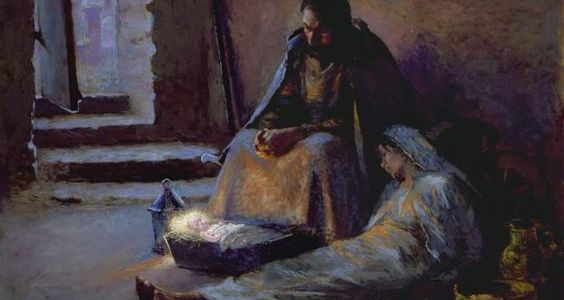
And for the brief time we visited, in the Church Parlor, designed for brides in the old days when the wedding chapel was still in use. So I couldn’t help but think of Mary and Joseph at the Inn. Which was not really an inn, probably; at least not in the sense we think of it. But it doesn’t matter, of course. Inn or house or stable. It was cold. They were exhausted. She was pregnant; not really the same as cancer, but in those days childbirth carried pretty much the same risk.

And Andrew and Michelle were just beat up enough and worn out enough and wanting so much to be home, in the warmth of the Gulf Coast sun. And they hoped that someone could get them a little closer to the sun, to the warmth, to home.

And so I got them some gas. It was all over in 15 or 20 minutes.

And then they were gone. And almost the moment after they left, I thought, ‘you should have visited longer with them. Kept them there in the Parlor and listened a little more; offered them coffee, hot chocolate, something; given them a chance to sit and get warm before going out for the gas.’

But there was a phone call to make. A family with COVID. And a note to finish: thank you for your pledge this year, or worshipping with us this past Sunday. And emails. And this and that. So just get them some gas and wish them well on their journey home.

And send them on their way.

And then I thought about the Innkeeper. Not a biblical figure, of course; a necessary fiction to fill out the cast of the Pageant. And not the plumb role, either. Sometimes the shy child, the one comfortable enough to emerge briefly from behind the curtain, give a quick jerk of the thumb to indicate something out back before retreating quickly to safety.

Still, it was the Innkeeper who gave them a place to stay, Mary and Joseph, who wandered into Bethlehem from the provinces, weary and looking for a room, for warmth. Bethlehem, Bet Lehem in Aramaic, ‘House of Bread’, apparently; sparking some connection to hospitality. And it was the Innkeeper, in our minds and memory, who gives Jesus a place to be born. Even if it is with the animals.

So that’s something. Right?

But I wonder if he or she could’ve done more. If only he wasn’t so quick to retreat behind the curtain, so quick to get back to work, so quick to worry about distractions, then maybe he would’ve seen something behind the grime and exhaustion, something that transcended the presumed order of things, something that would have reminded him that there was something here for him as well, a reminder of what it meant to human without distraction. I wonder now, if at some point in the night or the next day, he or she stopped and thought, “I wonder what I missed.”

There was something there, after all, in the lament over the cold, something yearning and hopeful for welcome. Something that while grateful for the gas, for the passing kindness, was looking for something more. For something humans can be for one another. For warmth.

Securing Welcome

Salt 2John said to him, ‘Teacher, we saw someone casting out demons in your name, and we tried to stop him<a, because he was not following us.’ But Jesus said, ‘Do not stop him; for no one who performs a miracle in my name will be able soon afterwards to speak evil of me.  

Mark 9.38-39

It is not always an easy or simply thing to look out at the world with a welcoming eye. We humans like the security we find in the familiar; in faces that resemble our own or places that reflect our own sense of ourselves. Perhaps it’s something written into our social DNA, a remnant of a time when we were surrounded by very real threats to our existence, like lions. So making our homes among the familiar calls up that ancient need to be safe.

And one way we humans believe we are being safe is to be very careful about who we welcome in the midst of our lives. That issue is very clearly on the mind of the writer of Mark’s gospel. So is the issue of security; especially given the precarious nature of life in his time, caught up as he was in the cataclysmic violence of the Jewish revolt against Rome, which lasted from 66-73CE. So perhaps we should not be surprised when we hear the disciples running to Jesus boasting of how they drove off someone healing in his name, even though he was not a part of their circle. The roots of denominational squabbles and church conflict are ancient, it seems; and they run deep.

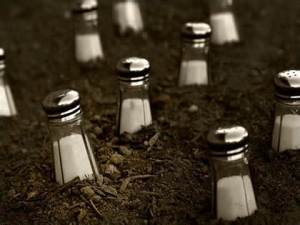
And it is not sufficient for faithful readers of the gospel to excuse ourselves from this sort of behavior; because the writer of Mark is not merely narrating an historical event in the life of Christ. He is commenting on the life of the church; and the chronic problem we Christians have of claiming the authority of the gospel for ourselves, to support our opinions, to endorse our claims. Jesus reminds us that our true lives, and our ultimate security actually lie in our sense of solidarity with the people around us. Only by being salt for he world, only through the welcoming embrace of others can we truly ensure our own well-being and faithfully live into the promise God holds out for all of us.

Scarcity & Hope

Feeding the 5000  When he looked up and saw a large crowd coming towards him, Jesus said to Philip, ‘Where are we to buy bread for these people to eat?’ He said this to test him, for he himself knew what he was going to do. Philip answered him, ‘Six months’ wages* would not buy enough bread for each of them to get a little.”                                             John 6.5-7

Why is it that the servants just don’t seem to get it? It always seems to be the case in scripture (whether the first testament or the last), that those closest to the workings of God in the world are the ones who repeatedly fail to get the word.

Perhaps like many people of faith today, they are ruled by personal expectations of who God should serve or welcome or love. Perhaps they just struggle to get out of their own way and allow God the freedom to operate as God would choose.

In the passage from John’s gospel that we will hear on Sunday, Jesus is surrounded by a waiting and expectant crowd, drawn to him by the great work he has done among the sick and suffering. As night falls, Jesus asks his disciple Philip, where are we going to find bread for these people? It is a test, of course; and of course, Philip doesn’t exactly ace it.
Half a year’s wages wouldn’t begin to provide enough for all these people, he warns. Another disciples chimes in that there’s a kid here with 5 loaves of bread and a couple of fish. You know the rest of the story: 5000 people are fed; and there were 12 baskets of leftovers. Everyone cries out, ‘there is a prophet among us,’ which really means that they have been in the presence of the word of God.
You need this prophetic voice to articulate a different way of looking at the world and the possibilities it contains. Philip isn’t really a failed disciple; he is merely a human being, and like all of us, he falls victim to the human inclination to see the world and his place in it as limited. The action of Jesus addresses a real, human need: hungry people are fed. But beyond addressing that immediate need, Jesus does something else that carries far beyond that hillside and that gathering: he invests the people of God with the capacity to see the world in a radically different way. Through the eye of God, we are invited to see the world as filled with promise and possibility bestowed by God’s creating and redeeming love, not as limited by our own notions of scarcity. This sense of promise and possibility, the Christian witness calls hope; and it reminds us always that we are children of God whose gaze is always on the promise of a future abundant in blessing.