Sabbatical Notes 5

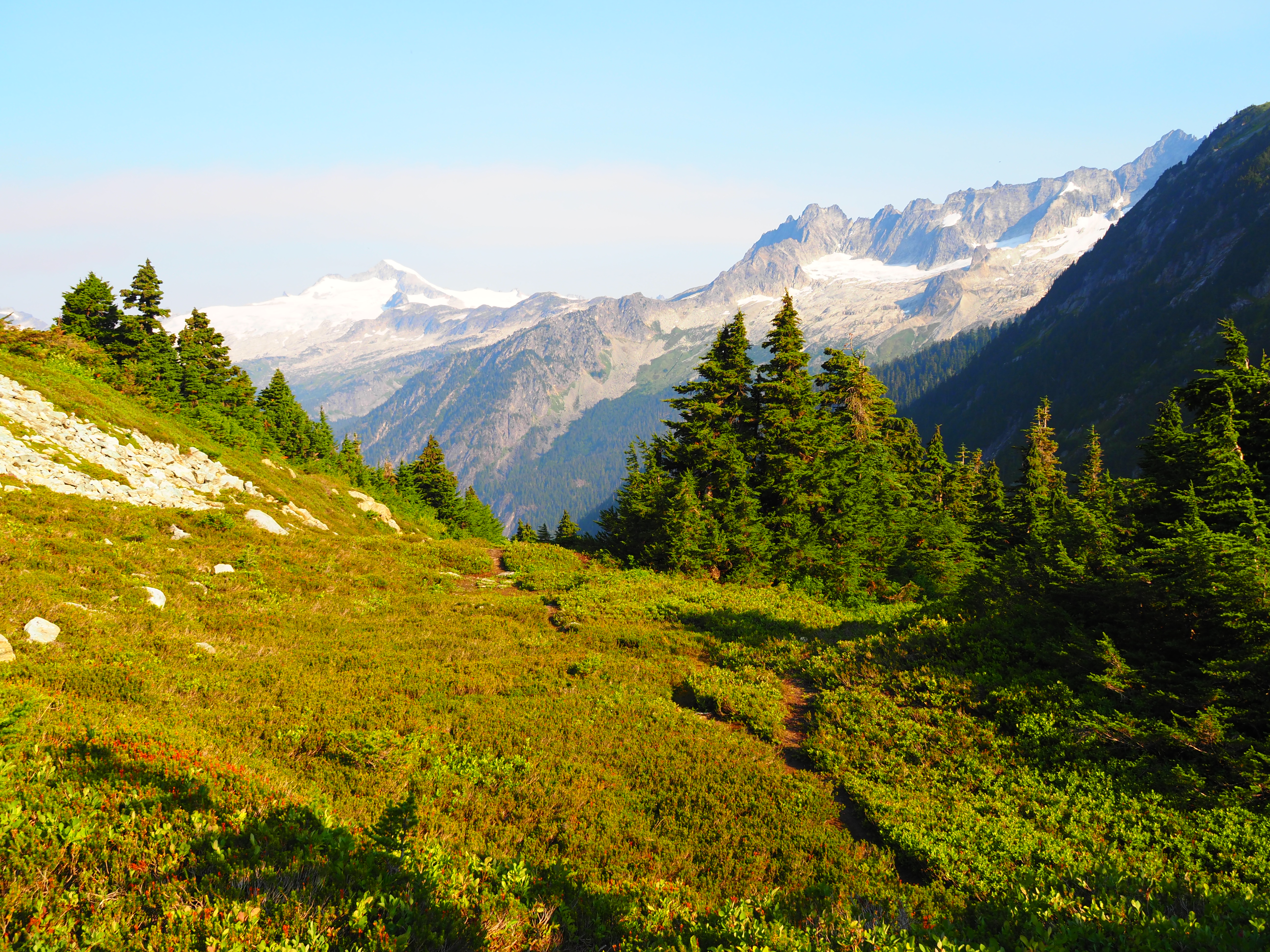
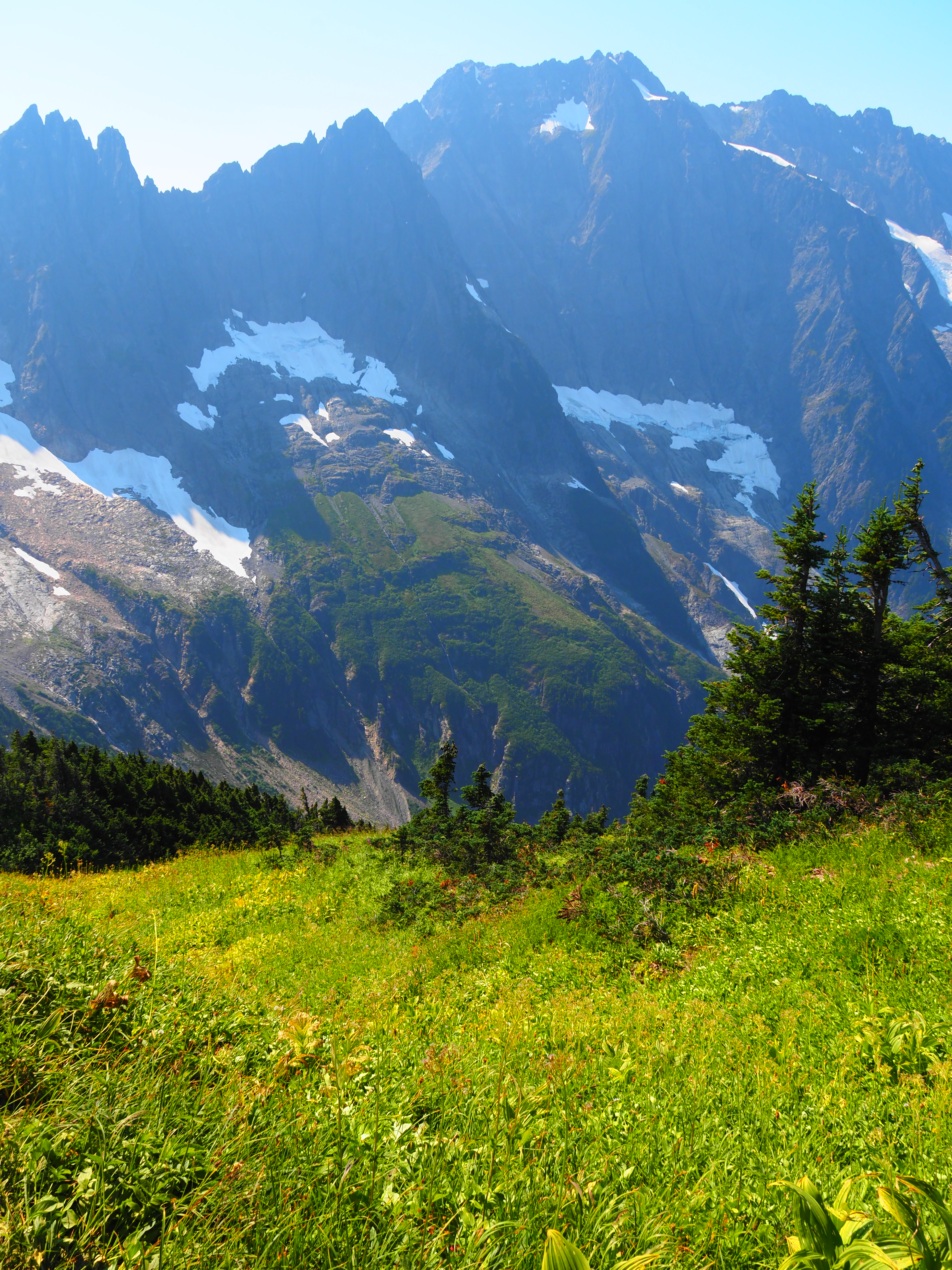
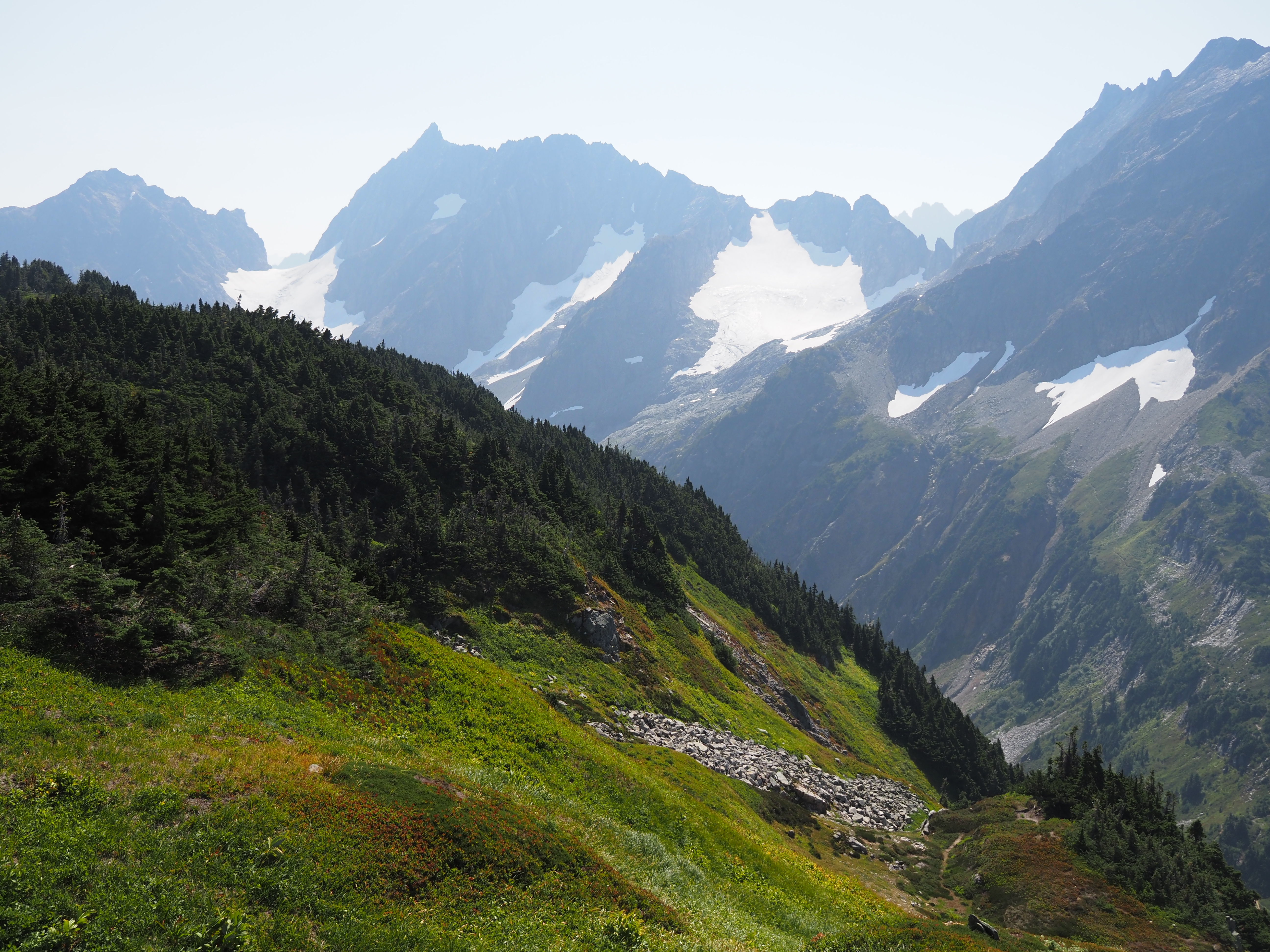
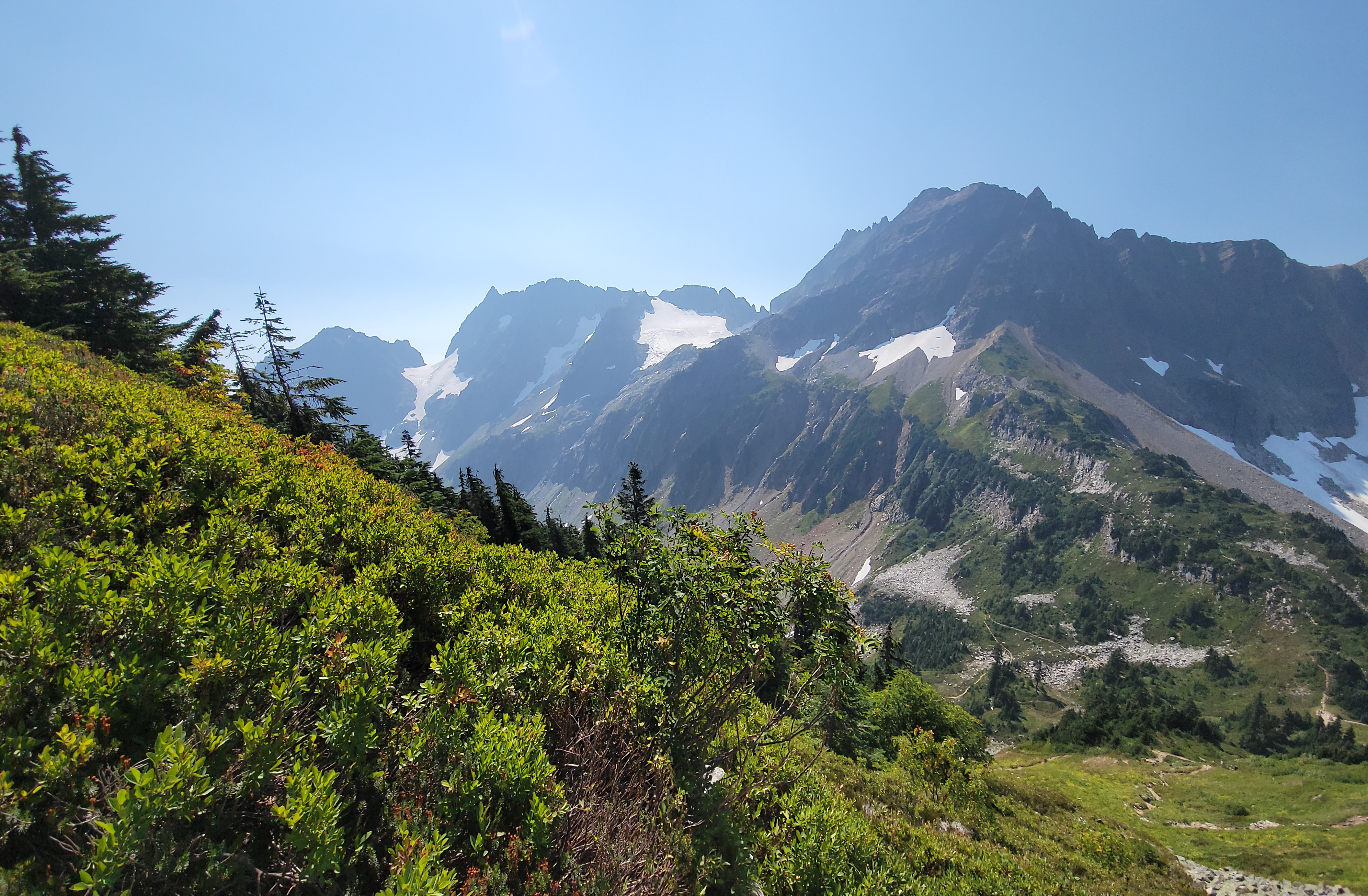
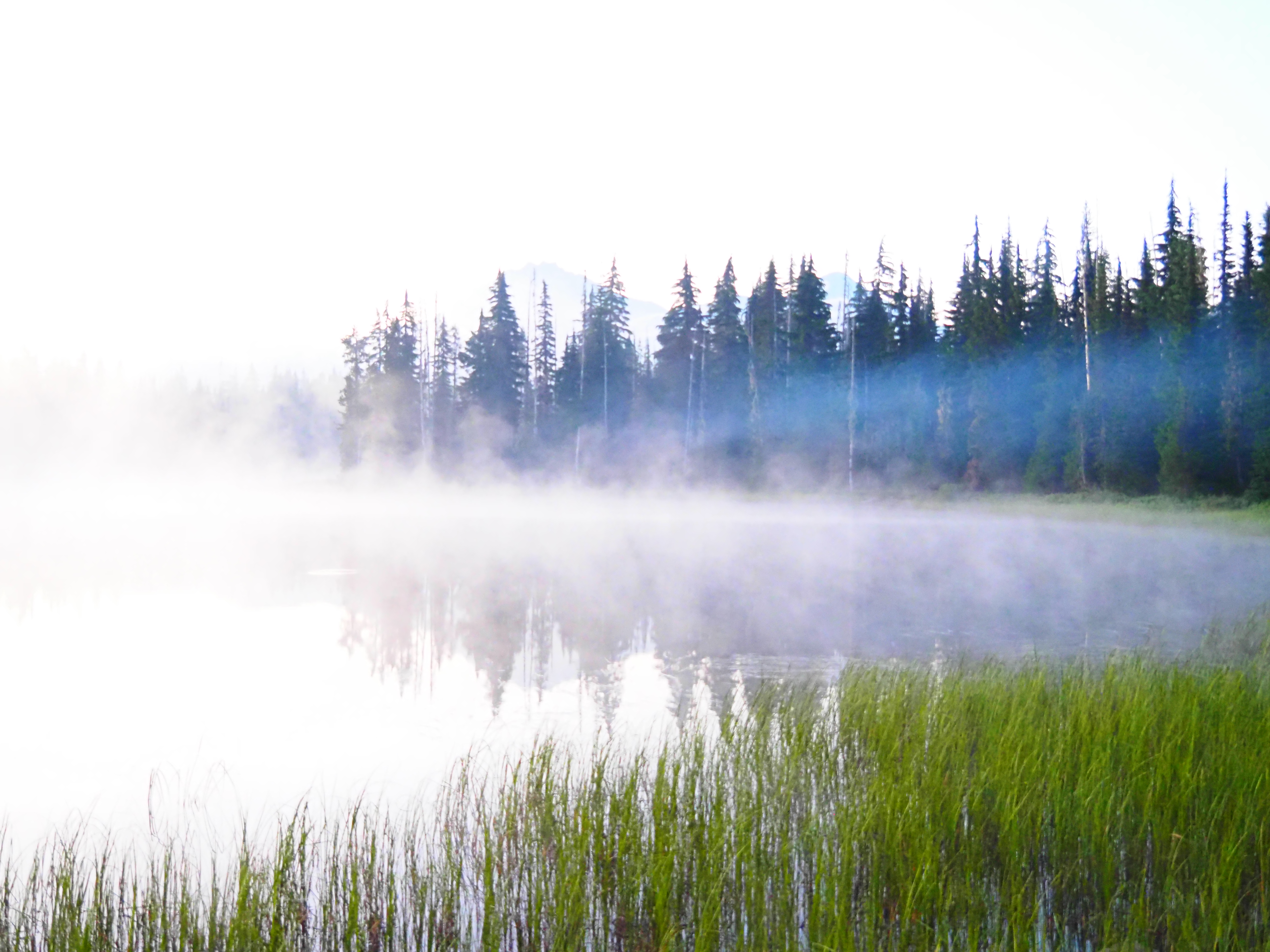
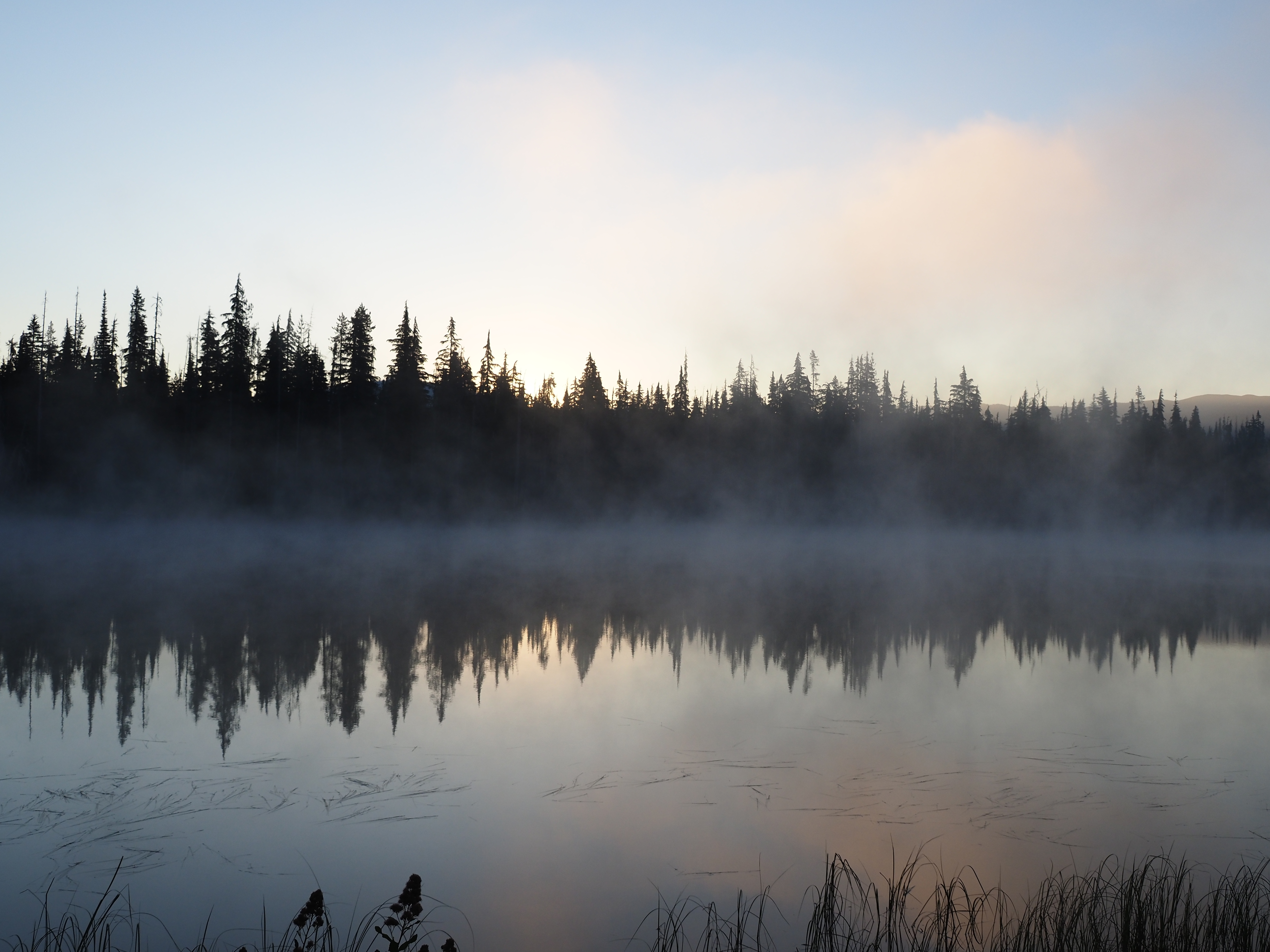
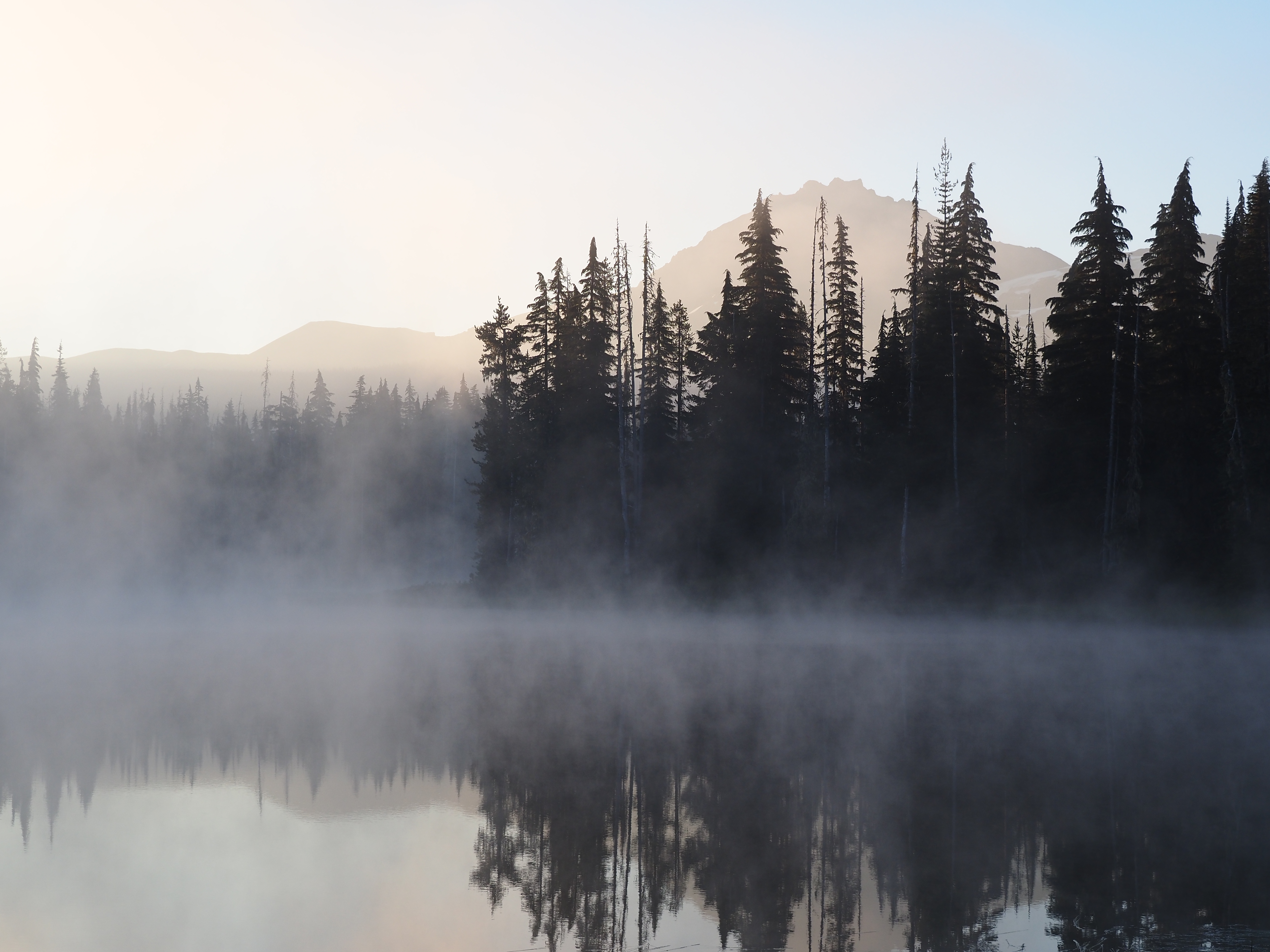
North Cascades National Park is located, as the name suggests, in the northern range of the Cascade Mountains, just east of Seattle, Washington. One look at the top of the Cascade Pass trail and it’s pretty obvious why they are called the American Alps.

Day One: Cascade Pass Trail to Pelton Campground

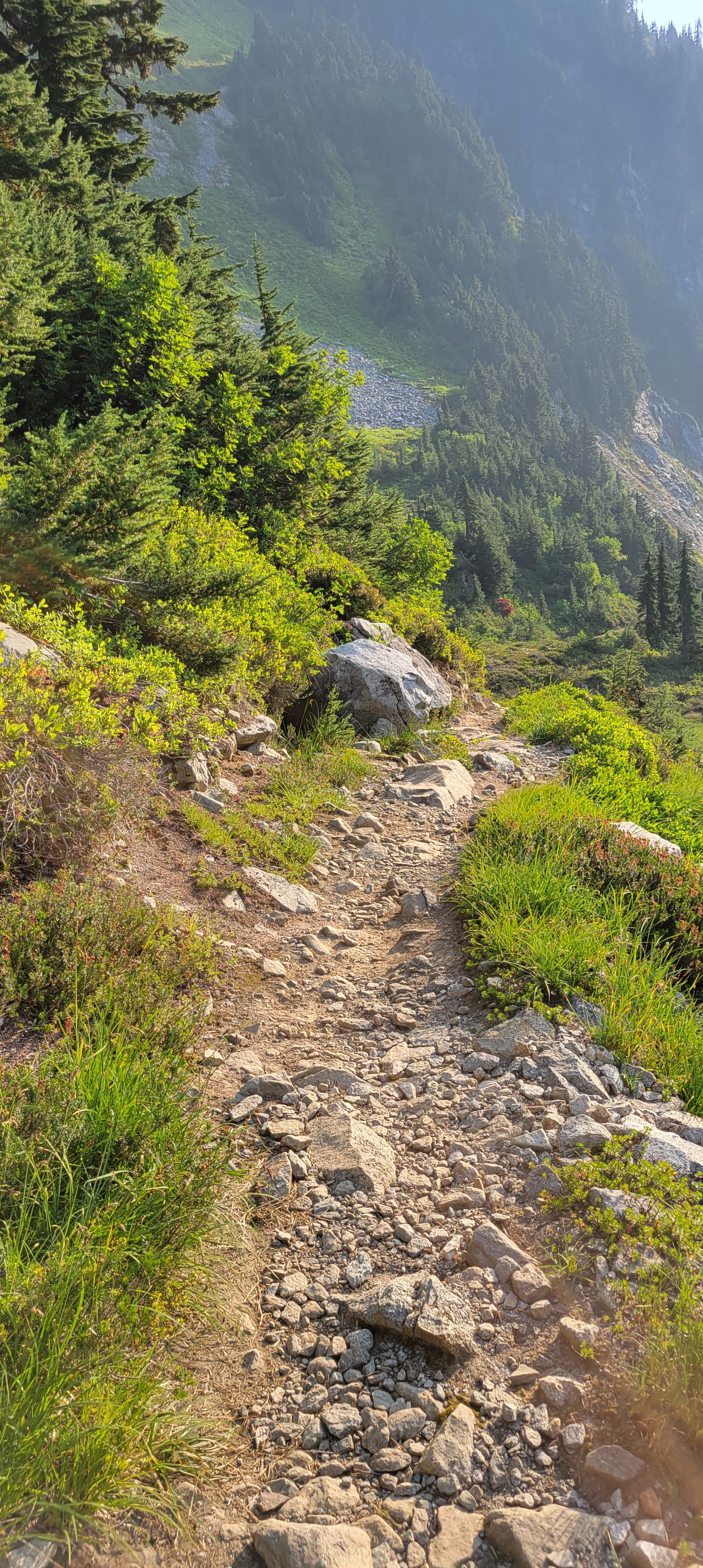
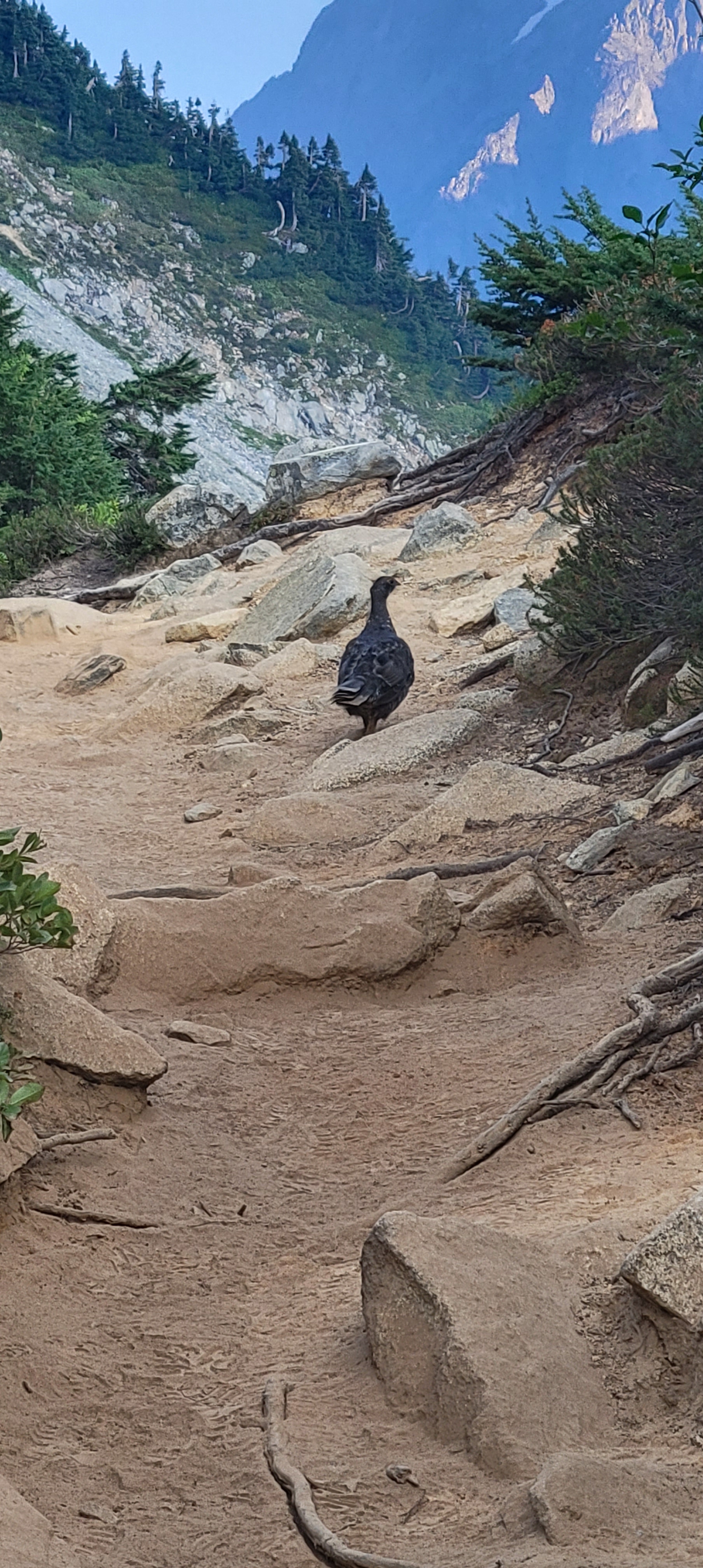
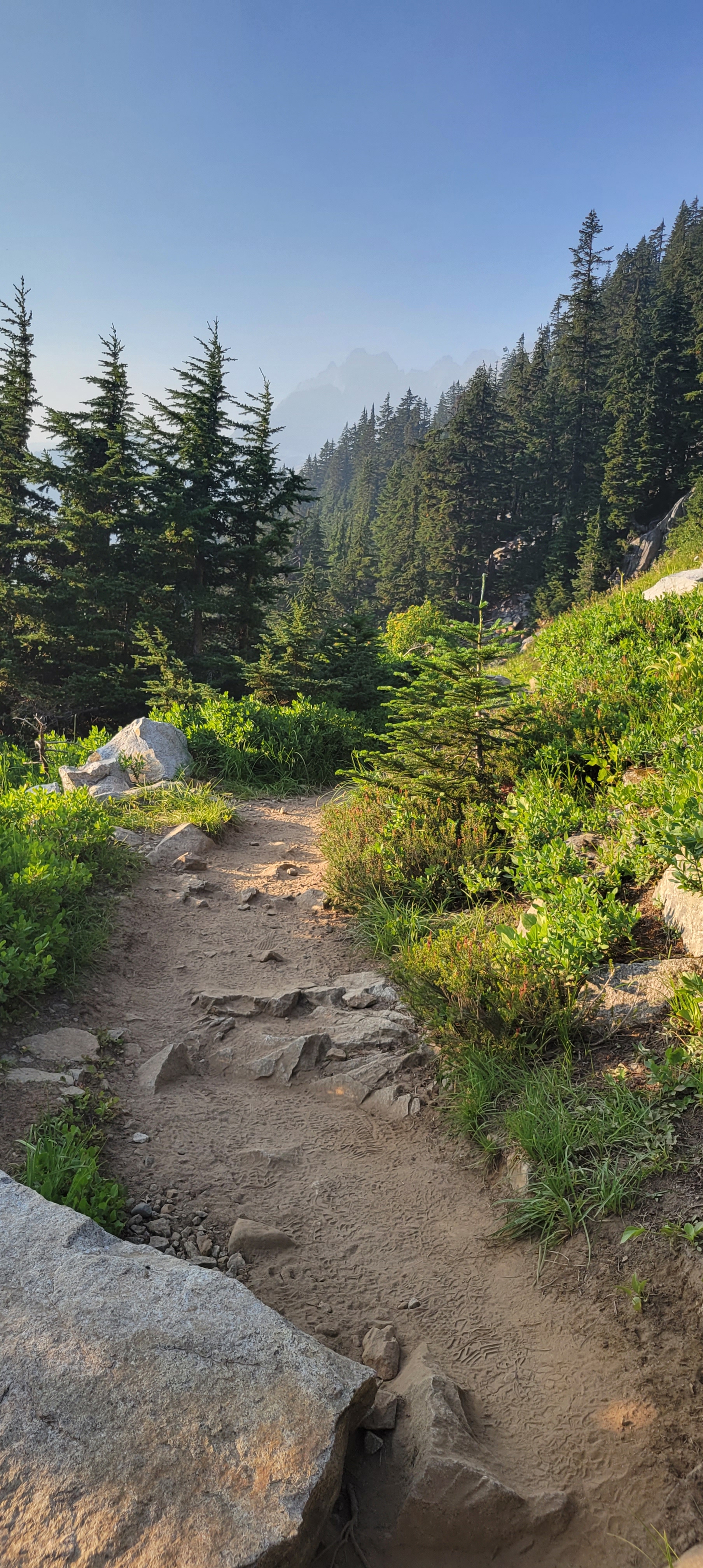
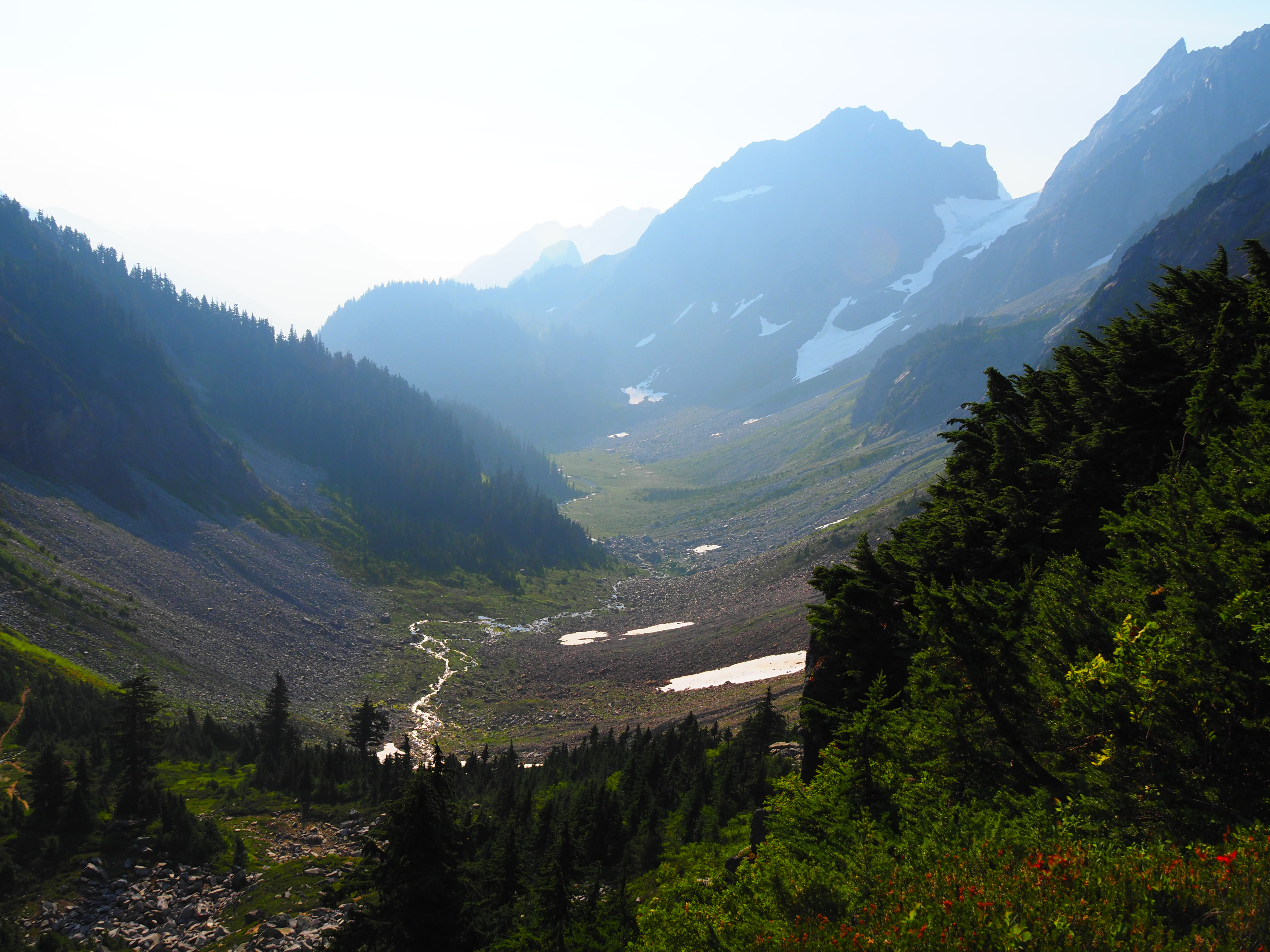
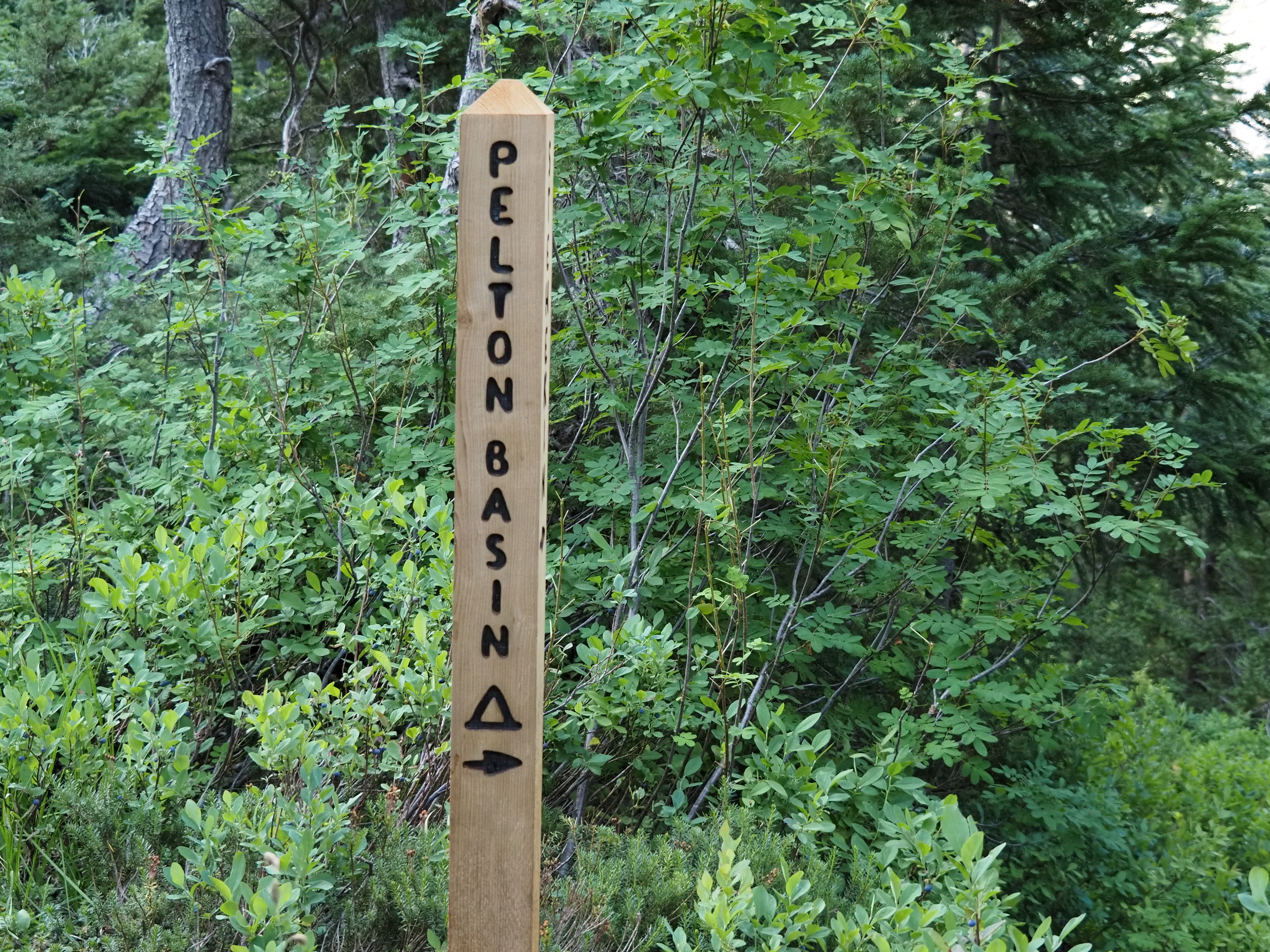
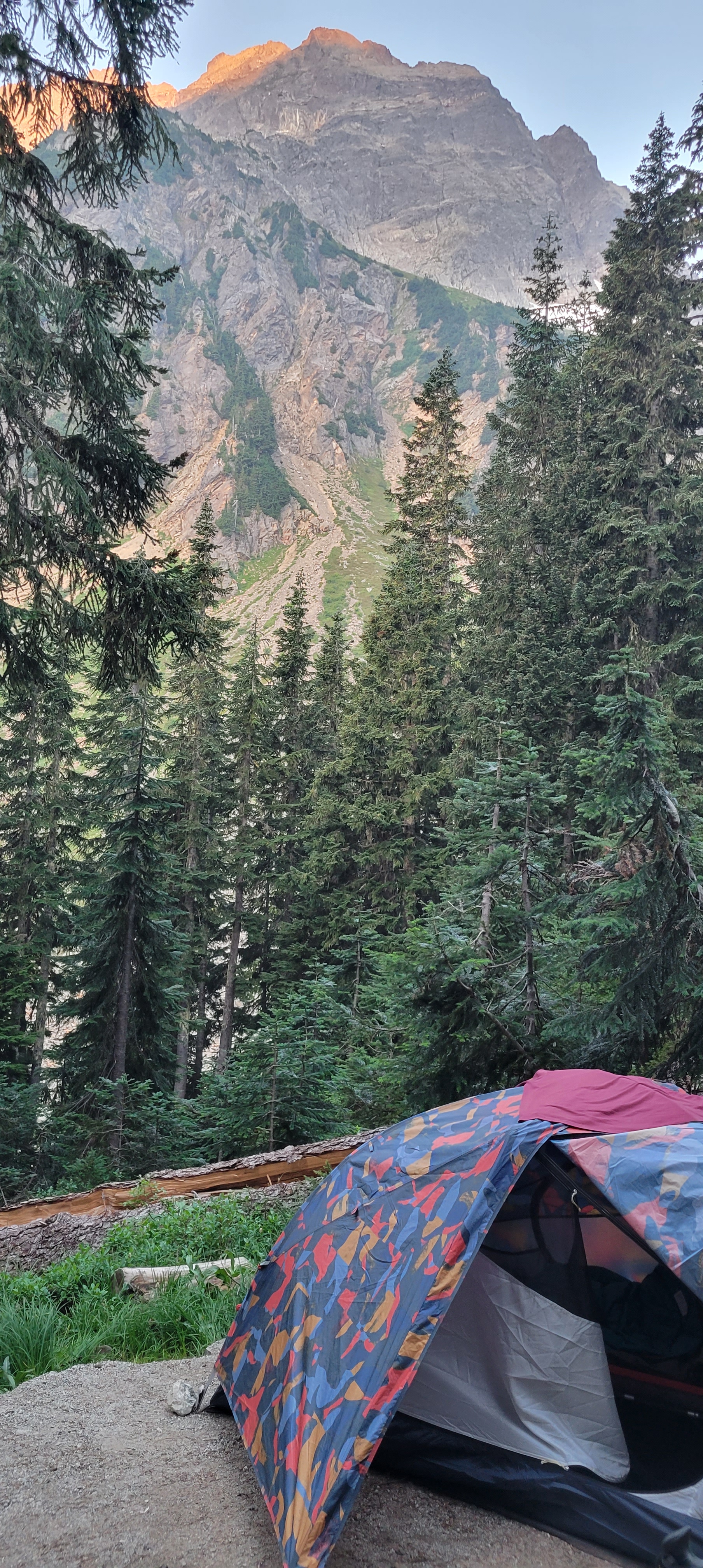
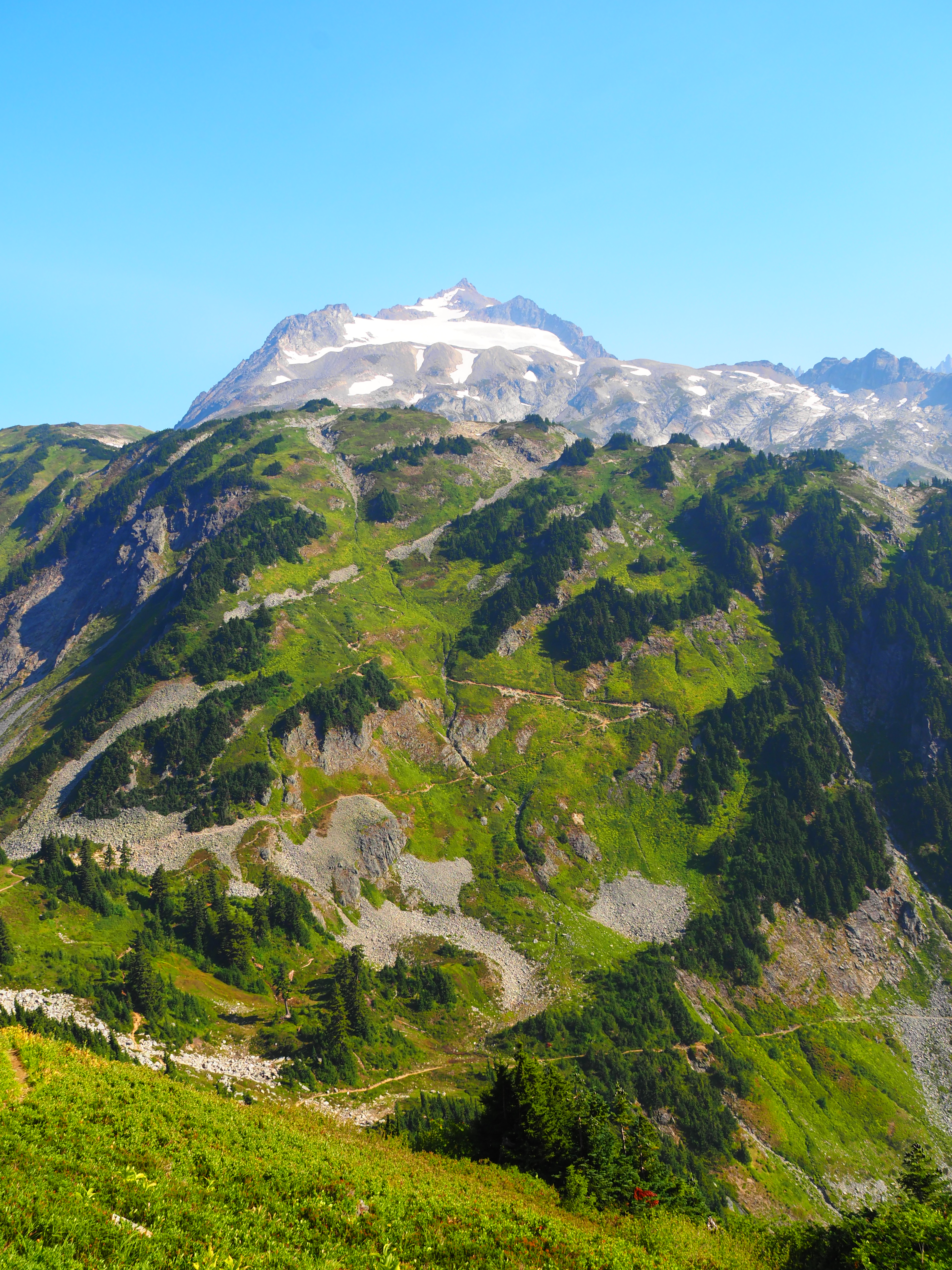
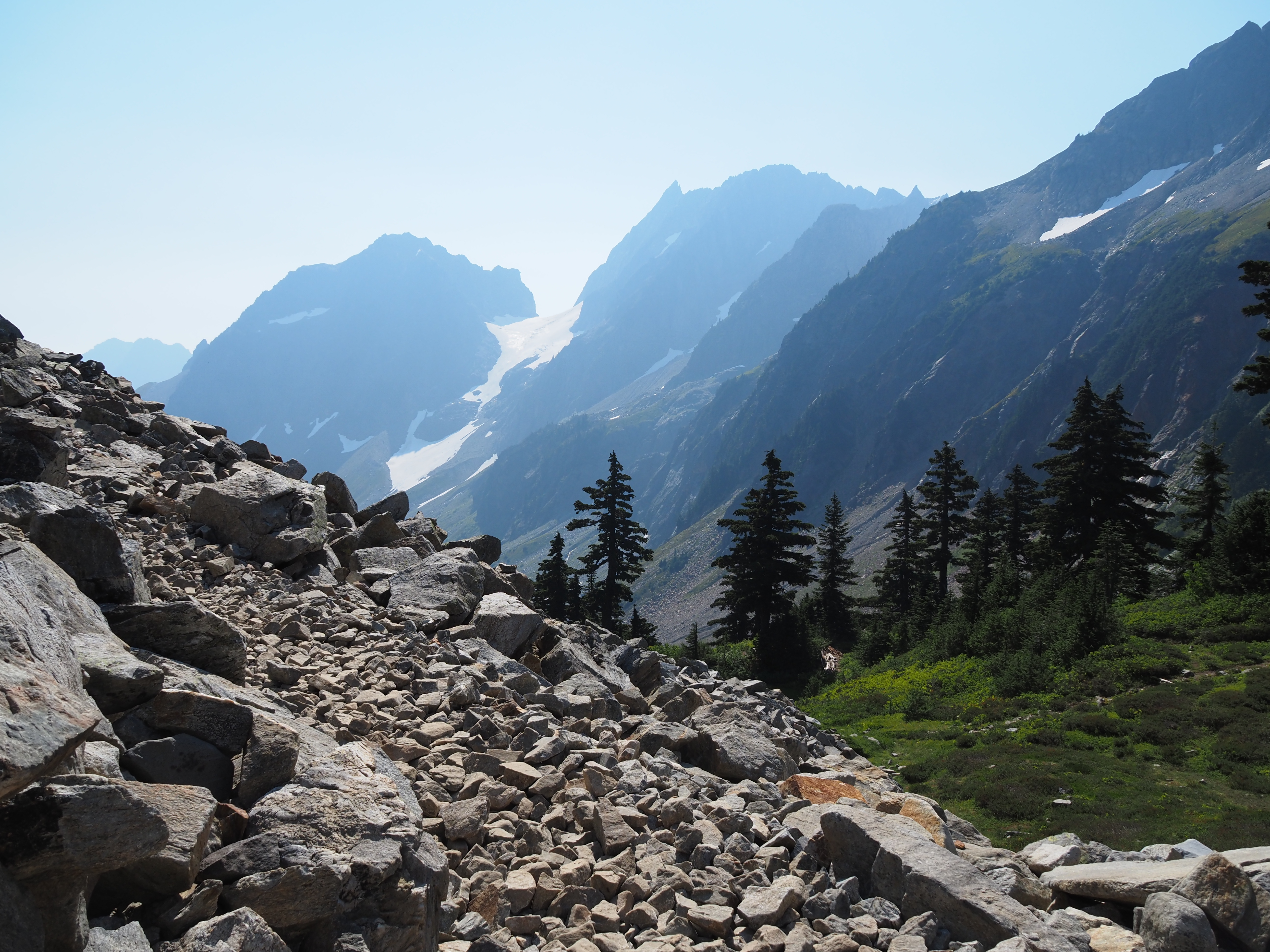
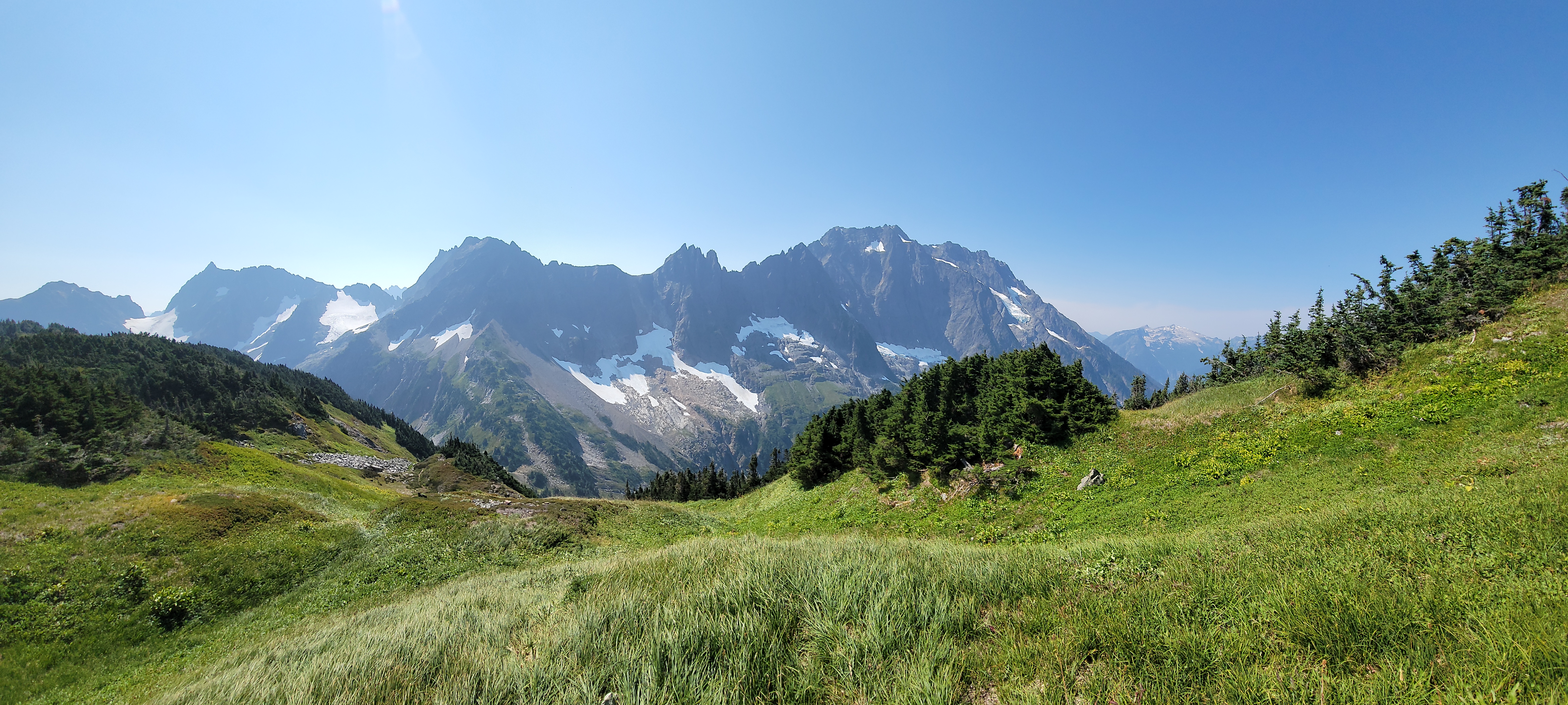
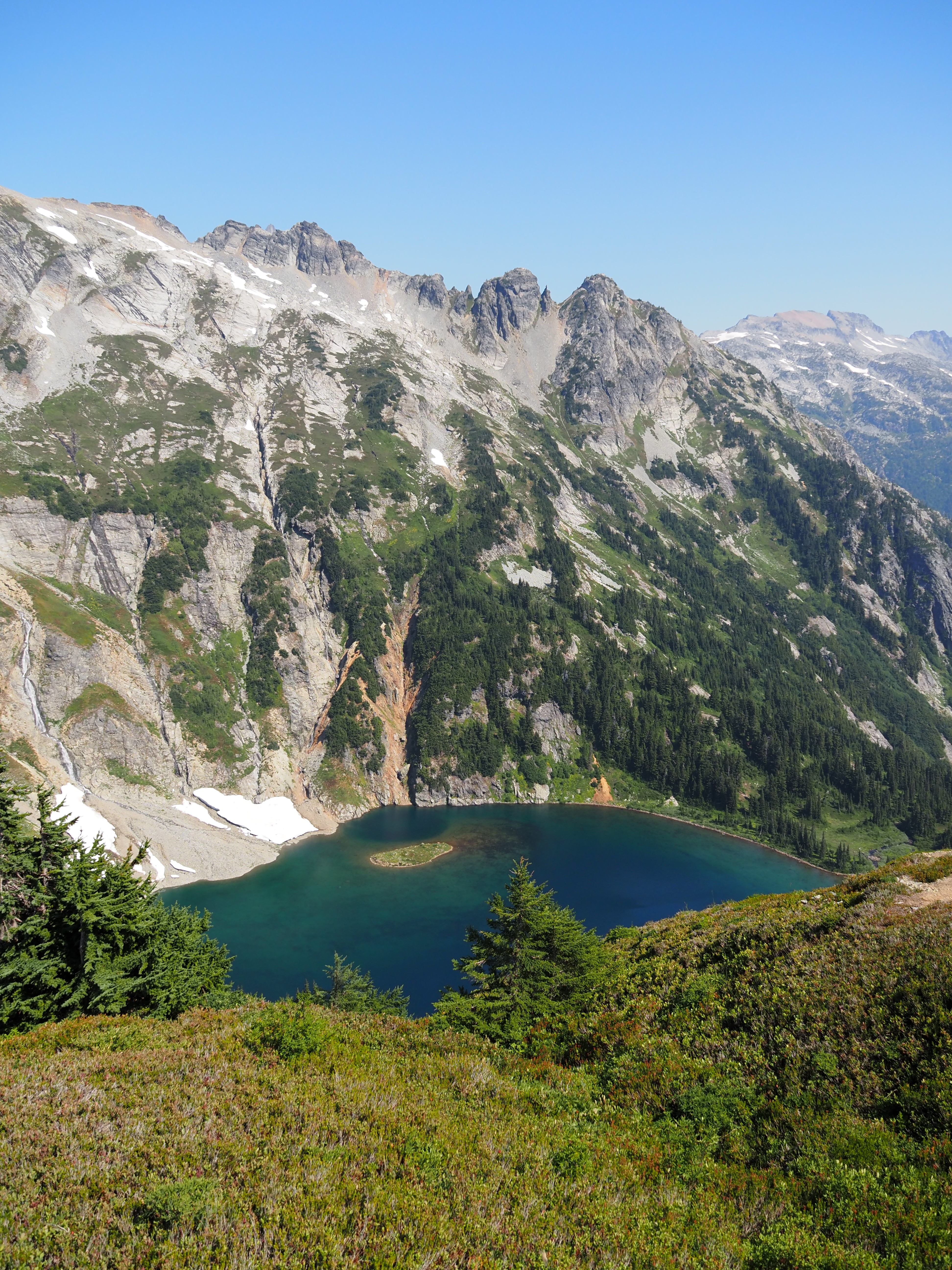
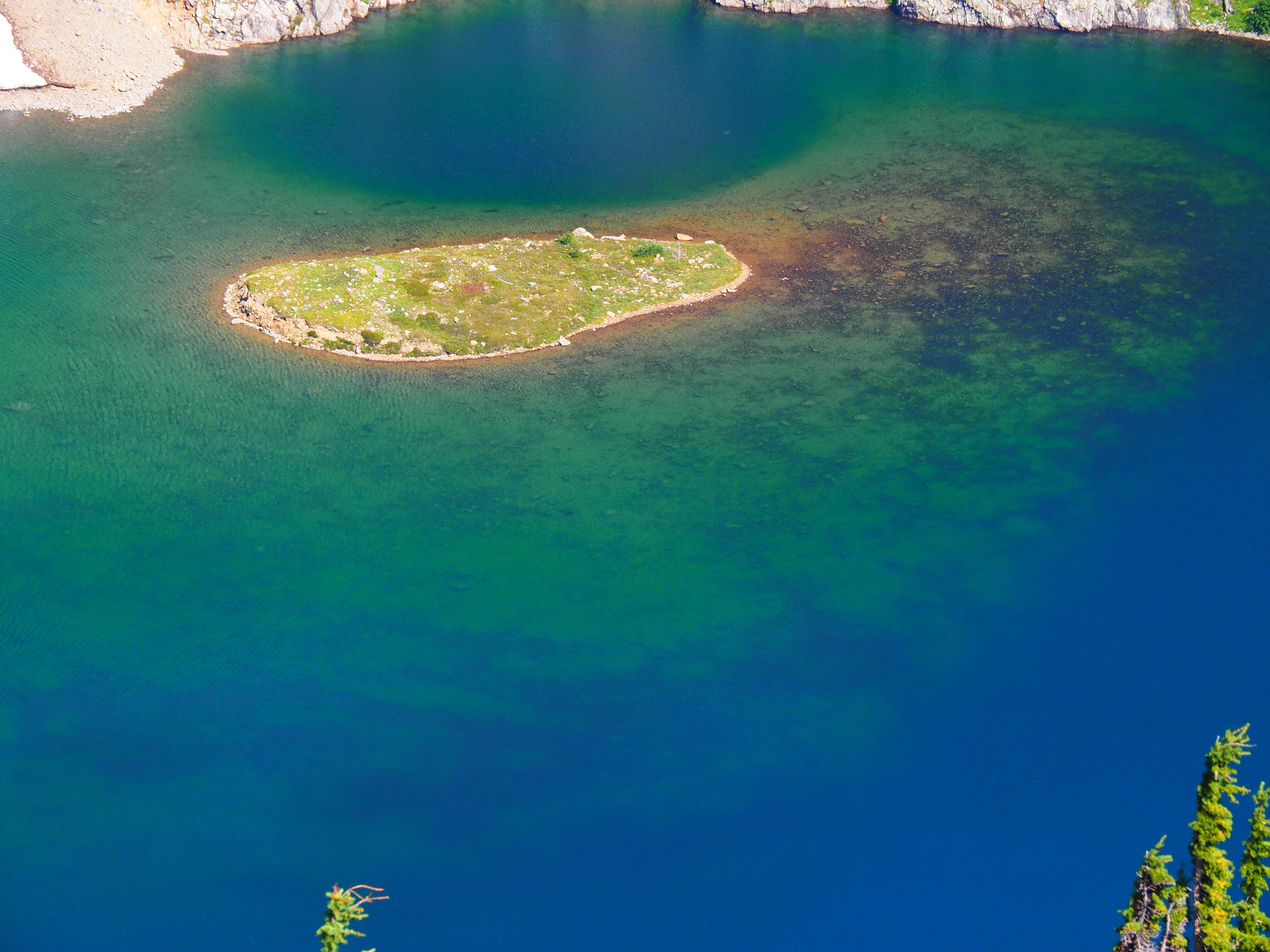
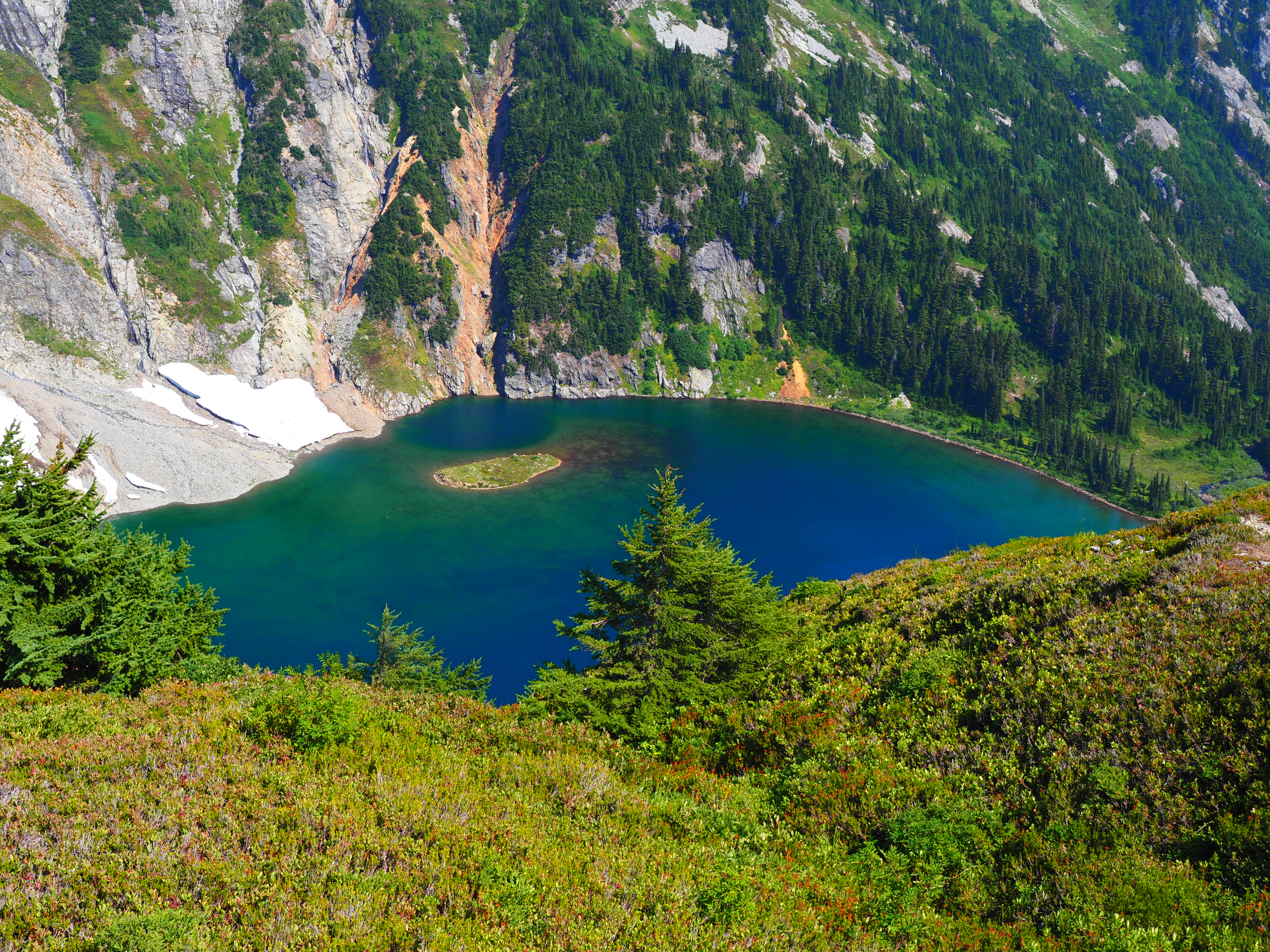
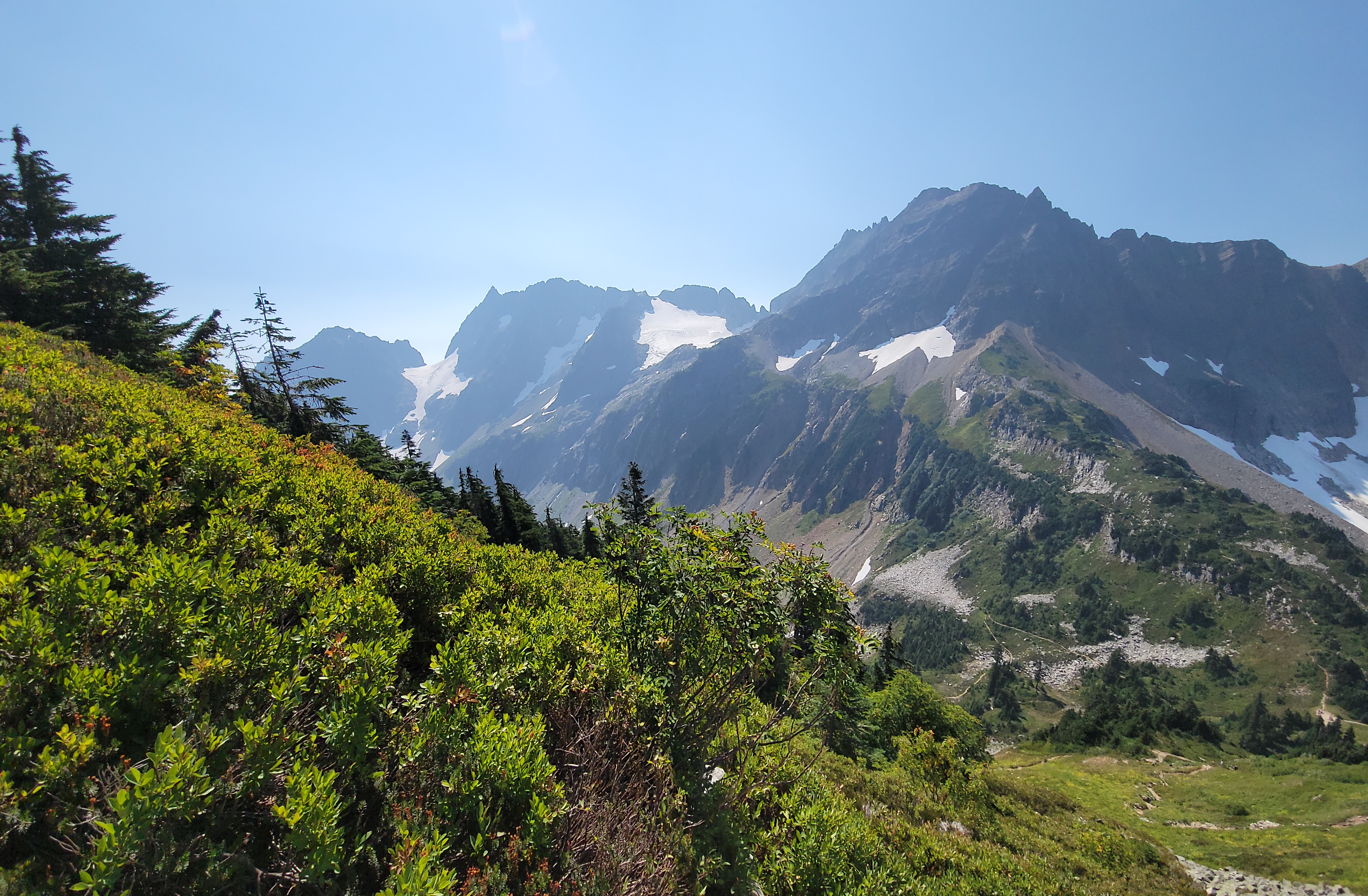
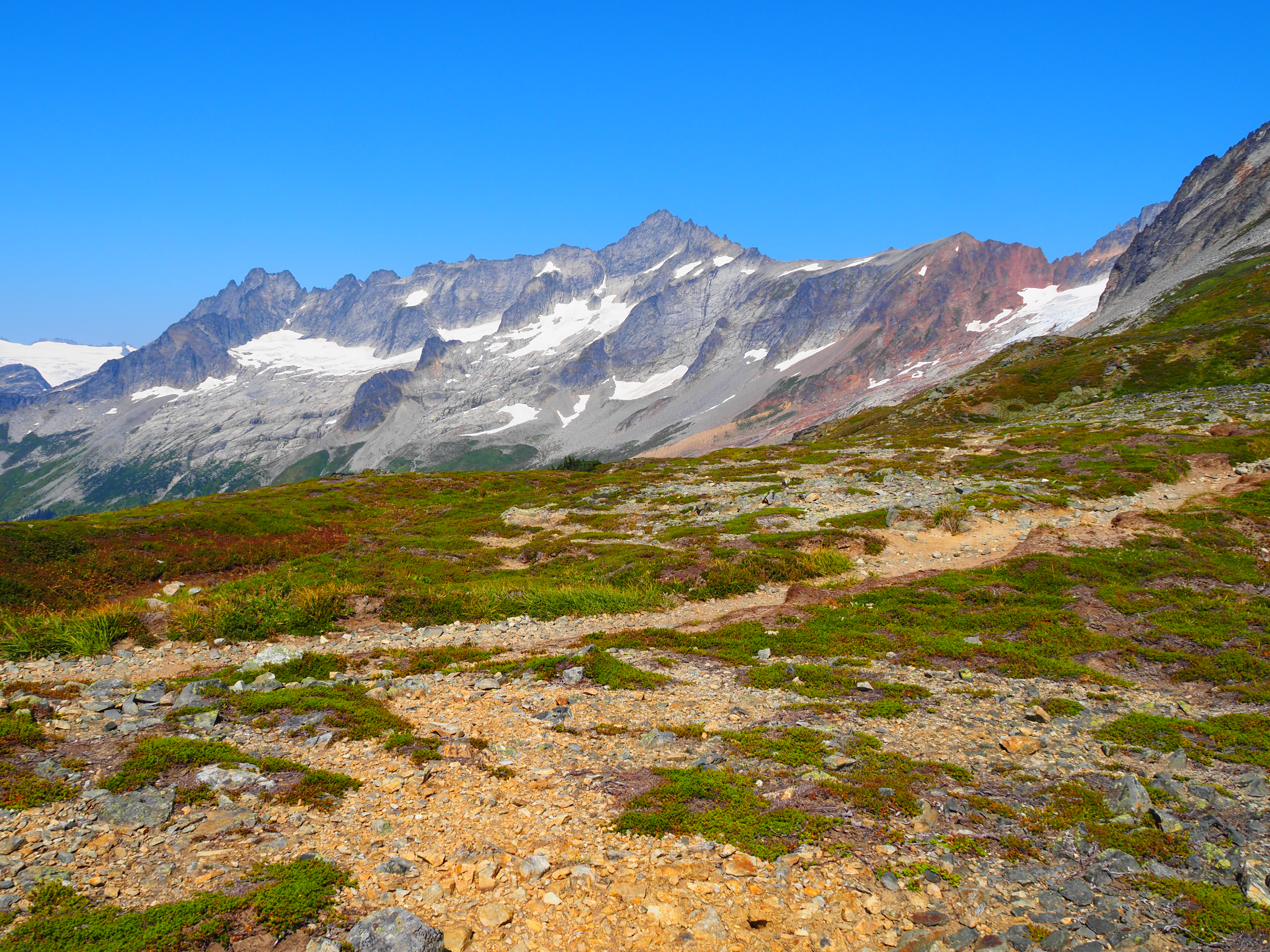
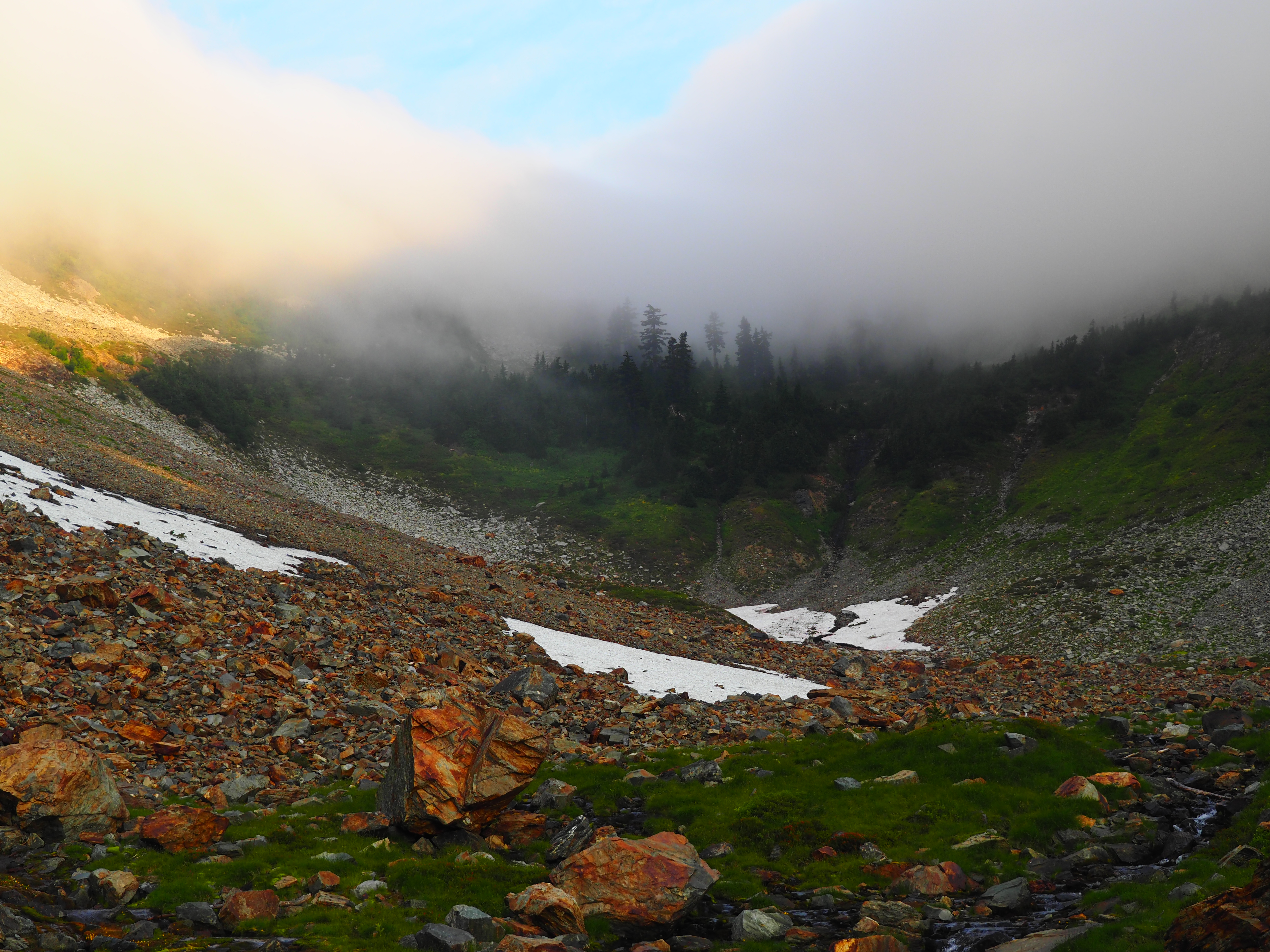
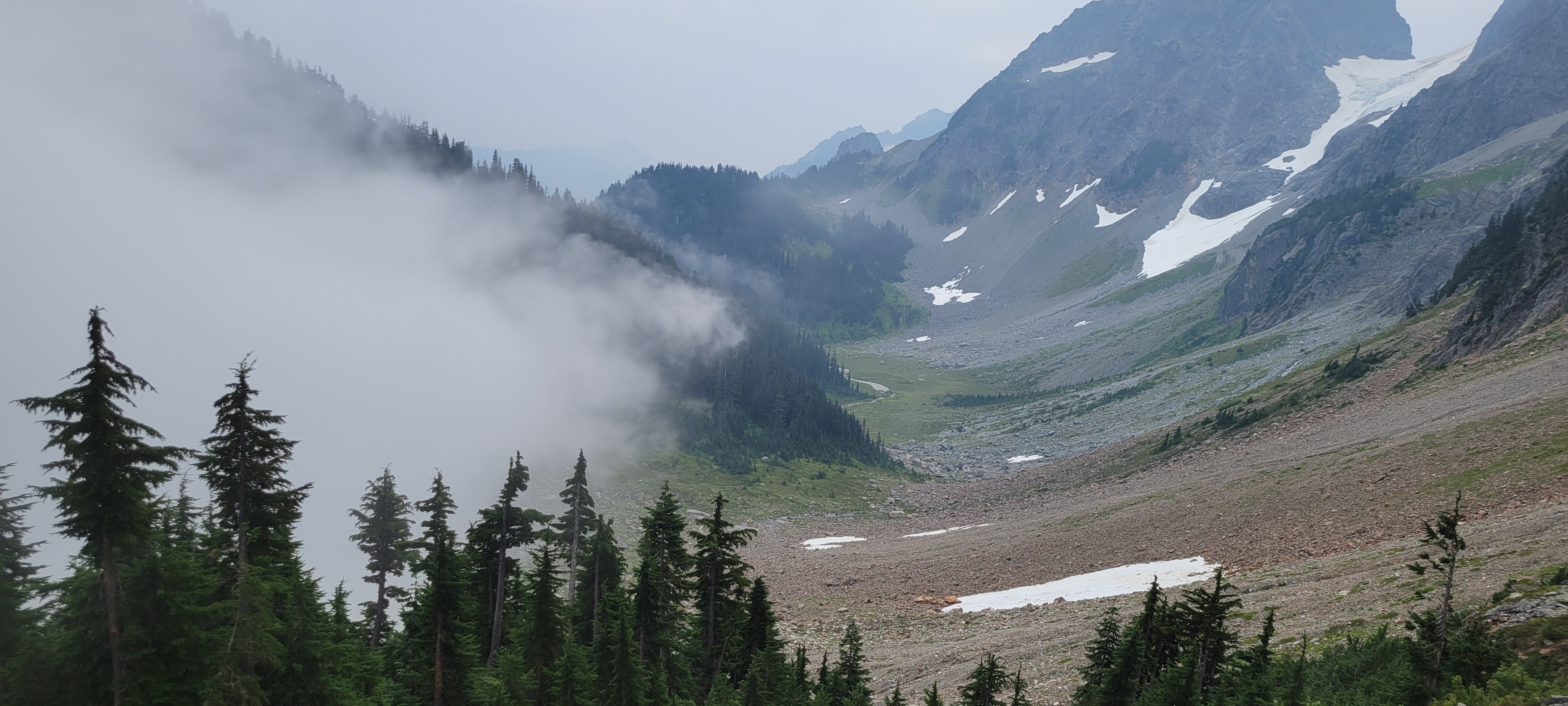
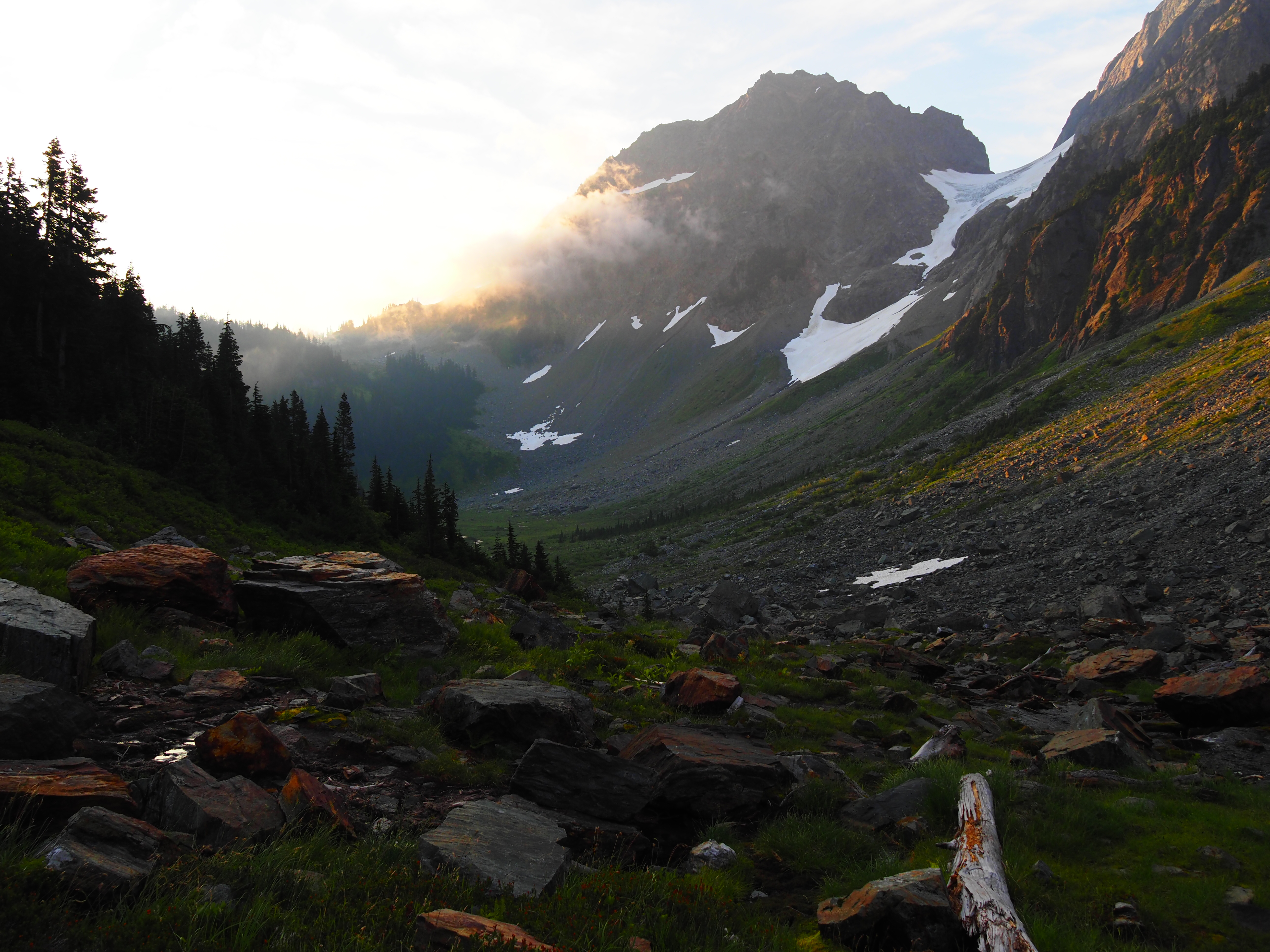
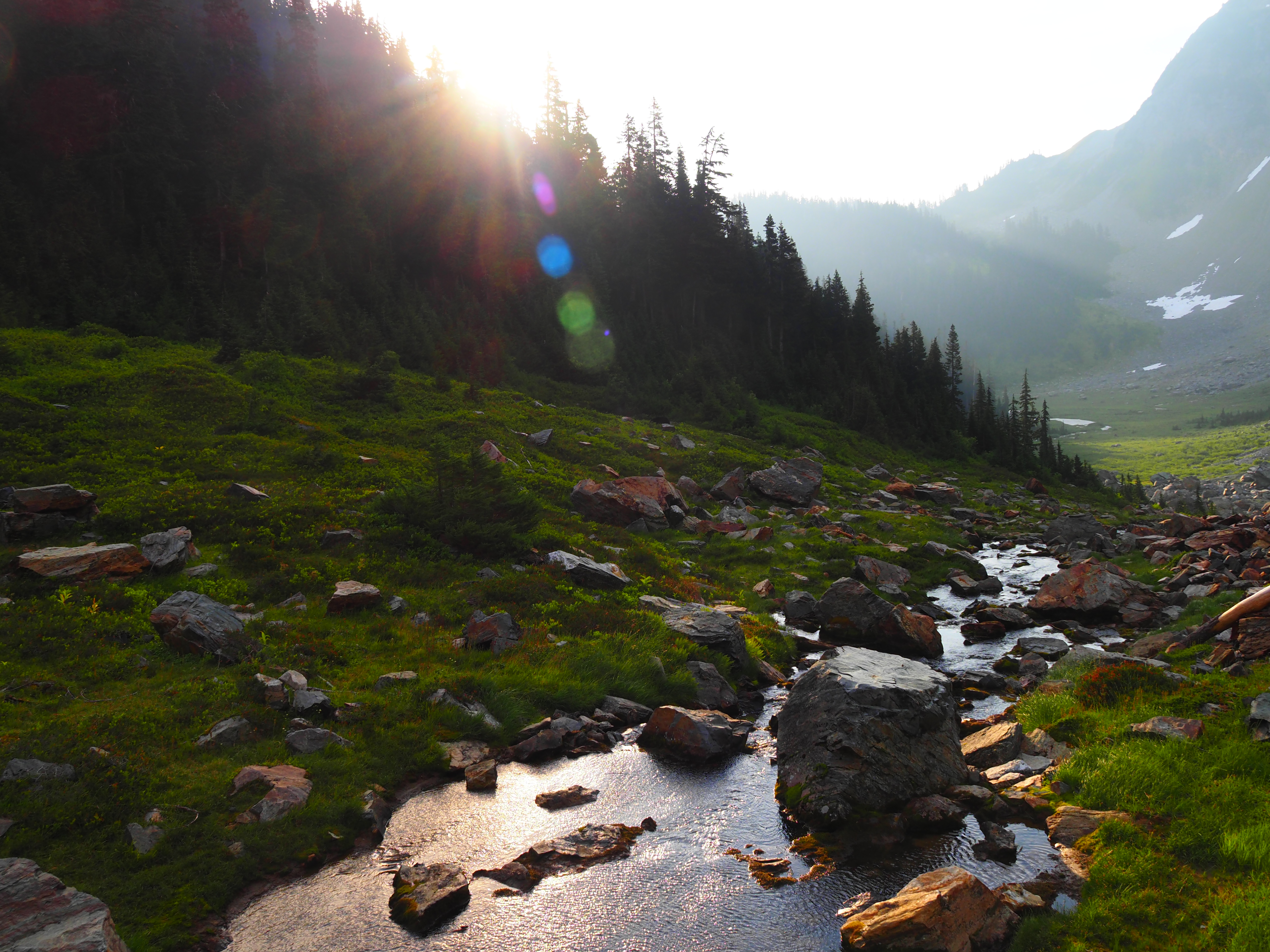
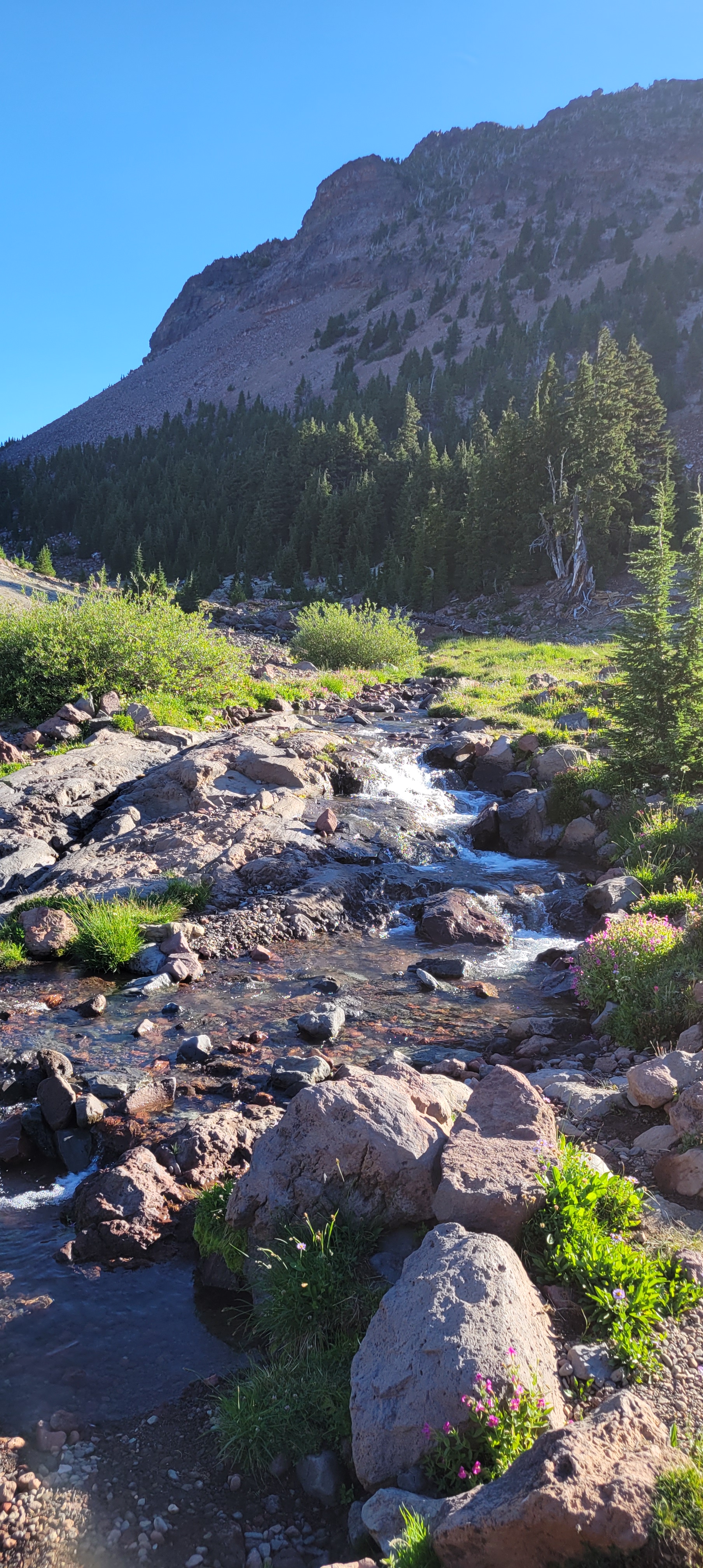
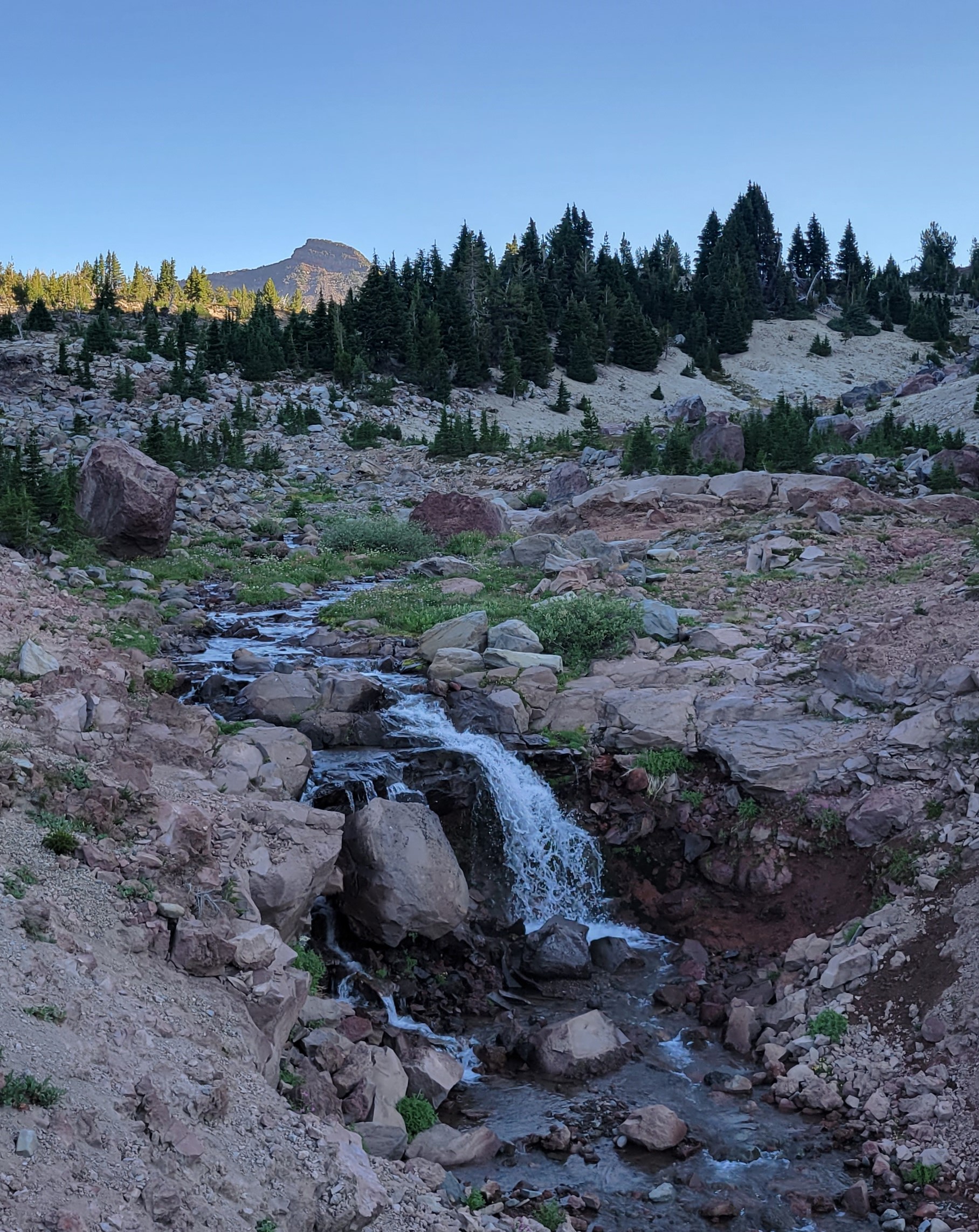
The pictures below were taken on the first day of my three days in North Cascade National Park. The hike up from the parking lot to the camp site at Pelton Basin took about 3 hours. The first few pictures below are from various parts along the trail. The fifth is the ‘basin’ itself, the valley that falls away from Cascade Pass. I’ve had occasion to say this before; the pictures fail to do justice to the sheer magnificence of the landscape.

Day Two: Ptarmigan Traverse Trail

The Ptarmigan Traverse is apparently a famous trail that involves crossing a glacier. It was admittedly a little too much of a climb for me; but I did manage to stumble along the trail for a mile or so. The views over the mountains were something to behold. But at the point where the trail dissolved into a field of loose rock, I gave up and turned back.

I’ve spent much of the week reading Belden Lane’s Solace of Fierce Places, this past week. Lane writes a good deal about apophatic theology, which is essentially the idea that we cannot give words or create images or even construct ideas that describe the fullness of God. God is simply too immense to be easily contained with the natural limits of human language, or even human experience. Except perhaps at the very boundaries of our experience, in those places or circumstances that force us to confront and acknowledge the limits of our capacity to control our environment, or to conform the landscapes we occupy to meet our needs or expectations.

Much of his thought revolves around his spiritual practice of spending time hiking and backpacking in the wilderness; and he calls upon the story of the Exodus to give shape to his own experience. The story of Israel’s forty years in the Sinai wilderness reveals a God who defies human expectations, who invites a spirituality rooted in the practice of relinquishing, of giving up the demands our ego places on us to exert our impulse to control the world around us. Only in giving up the demands our ego to control the world around us can we truly come into an authentic experience of God.

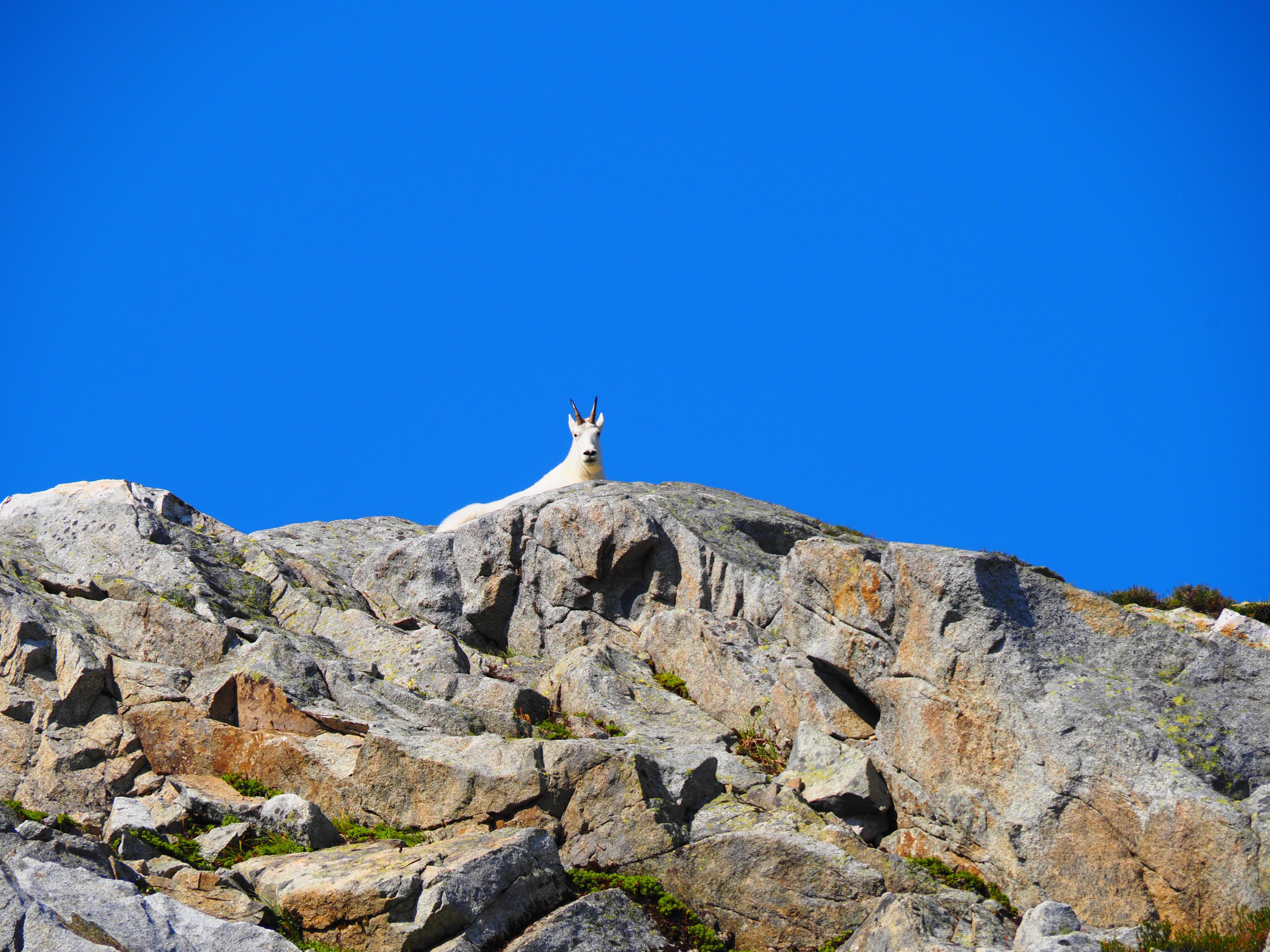
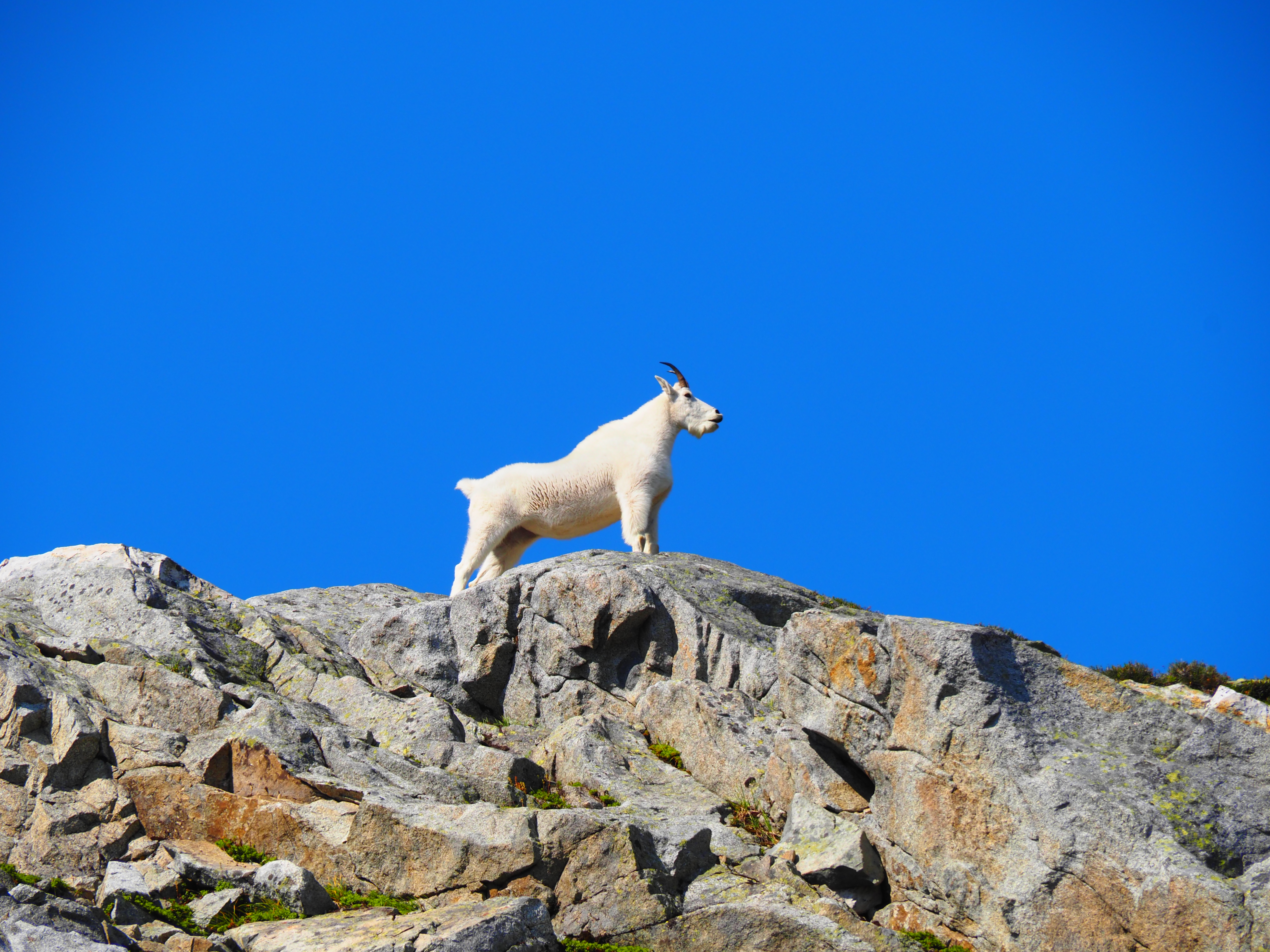
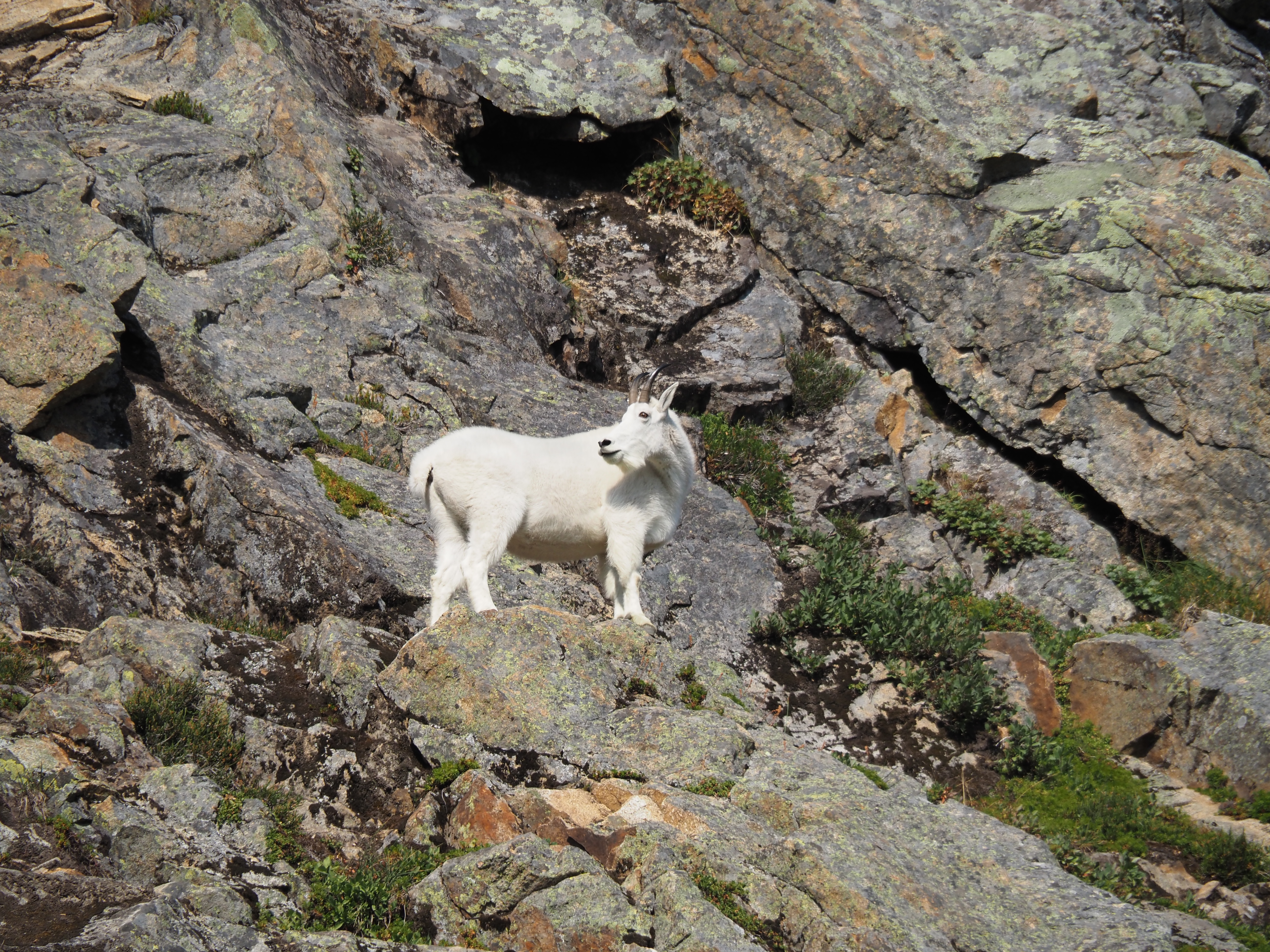
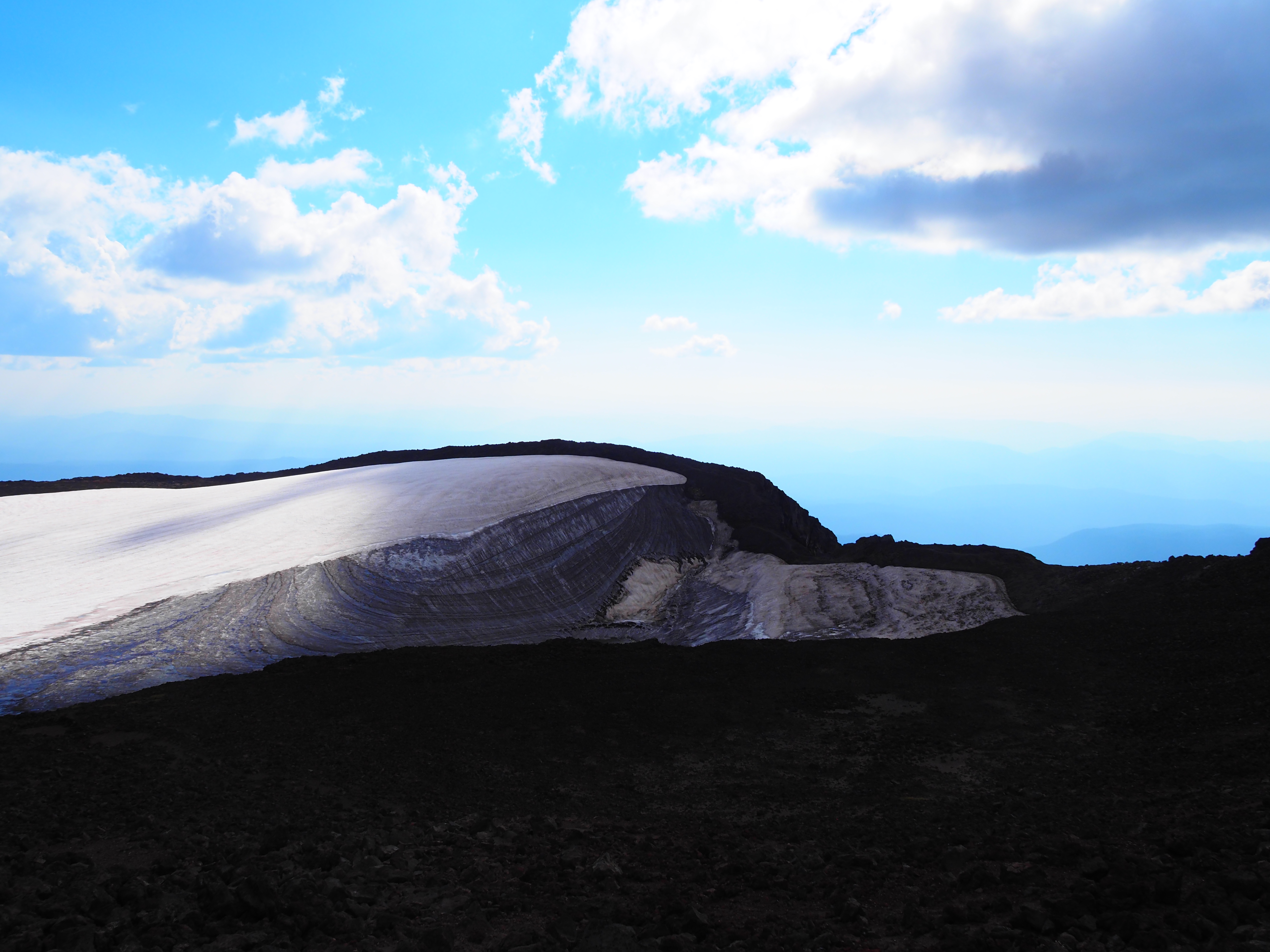
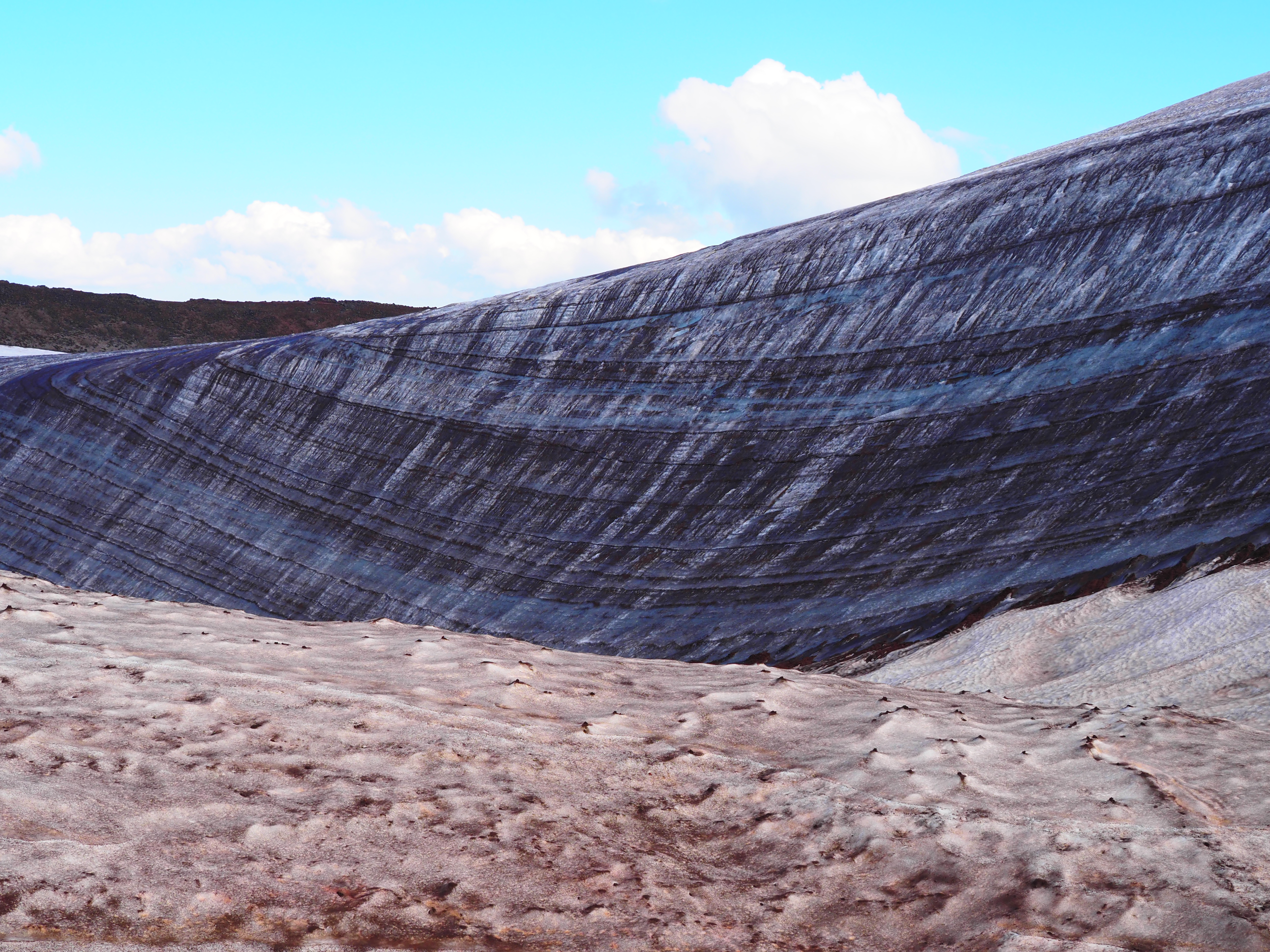
I was thinking about all of this along the trail back from Ptarmigan Traverse, as I listened to the cracking of the ice of multiple glaciers, as the reality of walking (and sometimes crawling) through a landscape that held me entirely in its control. The mountain goat staring down at me from his perch at the top of the ridge above the trail seemed to confirm all this.

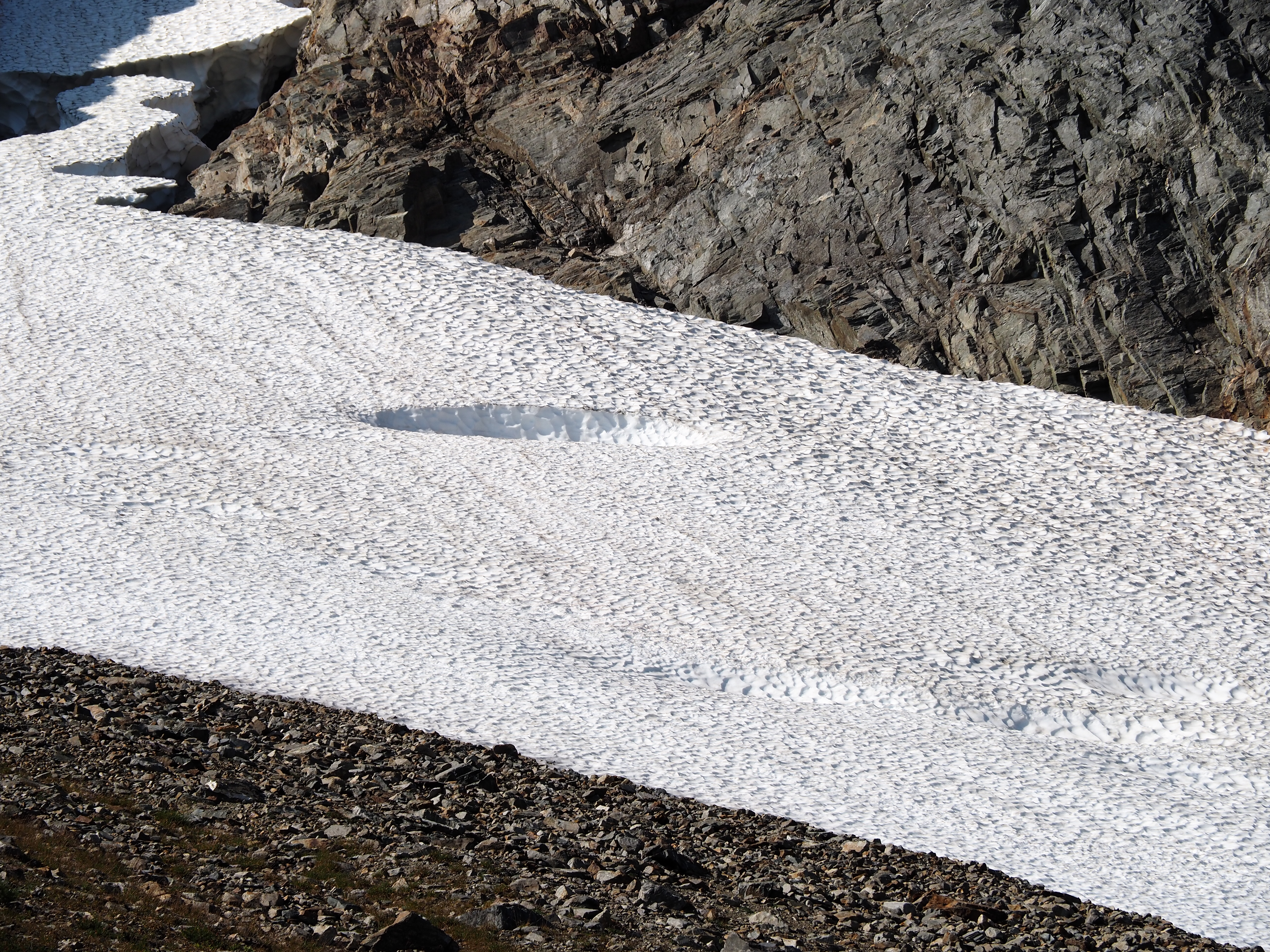
The pictures at the bottom show a glacial moulin, a roughly circular hole in glacial ice. Moulin is the French word for ‘mill,’ and they can run to hundreds of feet in depth. This was much smaller, only 10′ or so. They serve to carry meltwater from the surface to the drainage at the edge of the glacier; and to accelerate the movement of the glacier.

Day Three: Sahale Arm

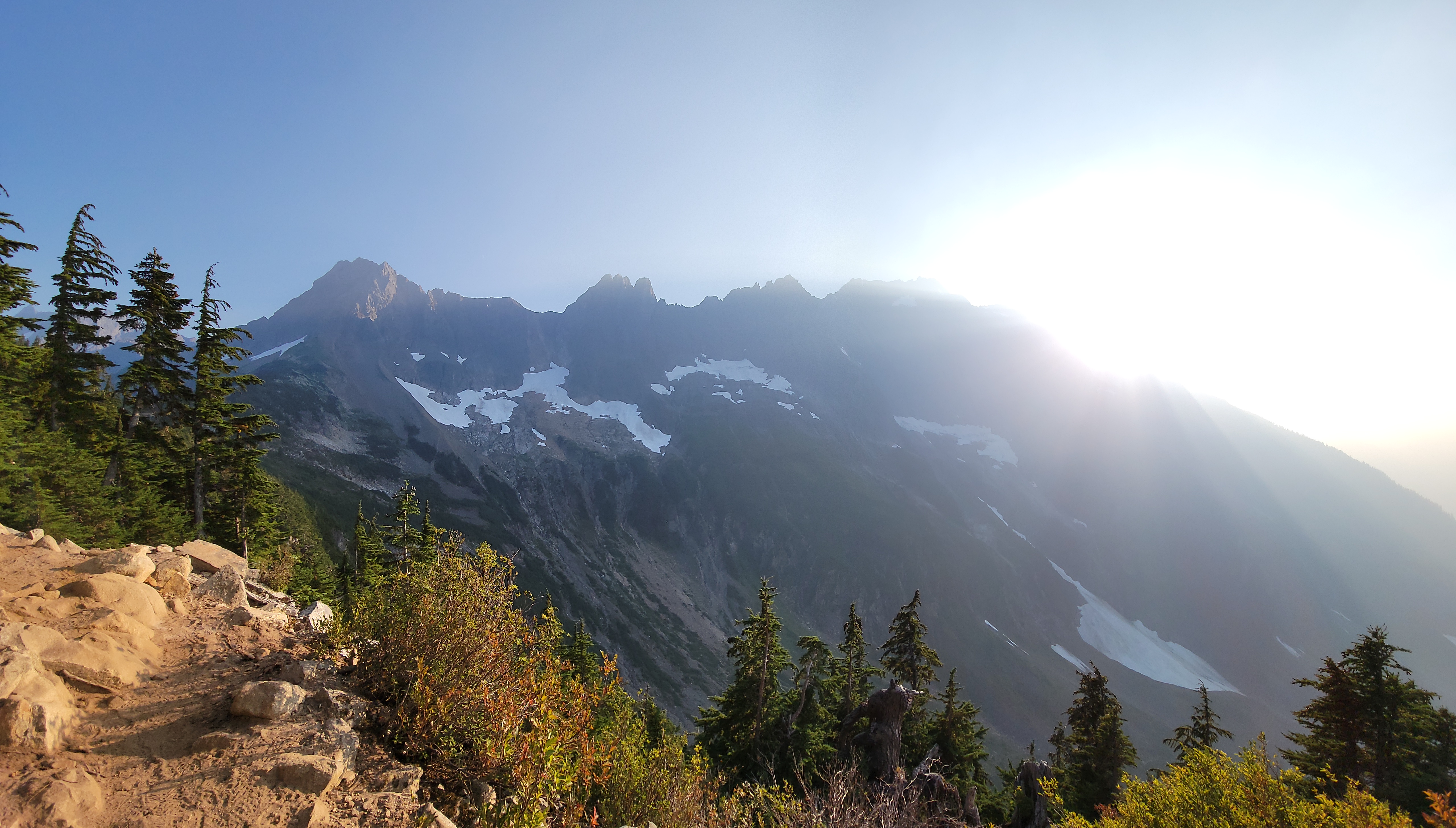
Sahale (Sa-ha-lee) is the most prominent high point in this part of the Cascade range, reaching up to about 8600 feet. I ran into a number of people (much younger than I am) who were planning on climbing to the top. It seemed prudent to me to walk to the start of the glacier (Sahale Peak can be seen in the last two pictures in this set).

Even without reaching the peak, the views from the top of the climb were spectacular. I don’t know that I’ve ever seen a range of mountains that seem to go on and on, without a visible end.

Day Four: Wind & Fog

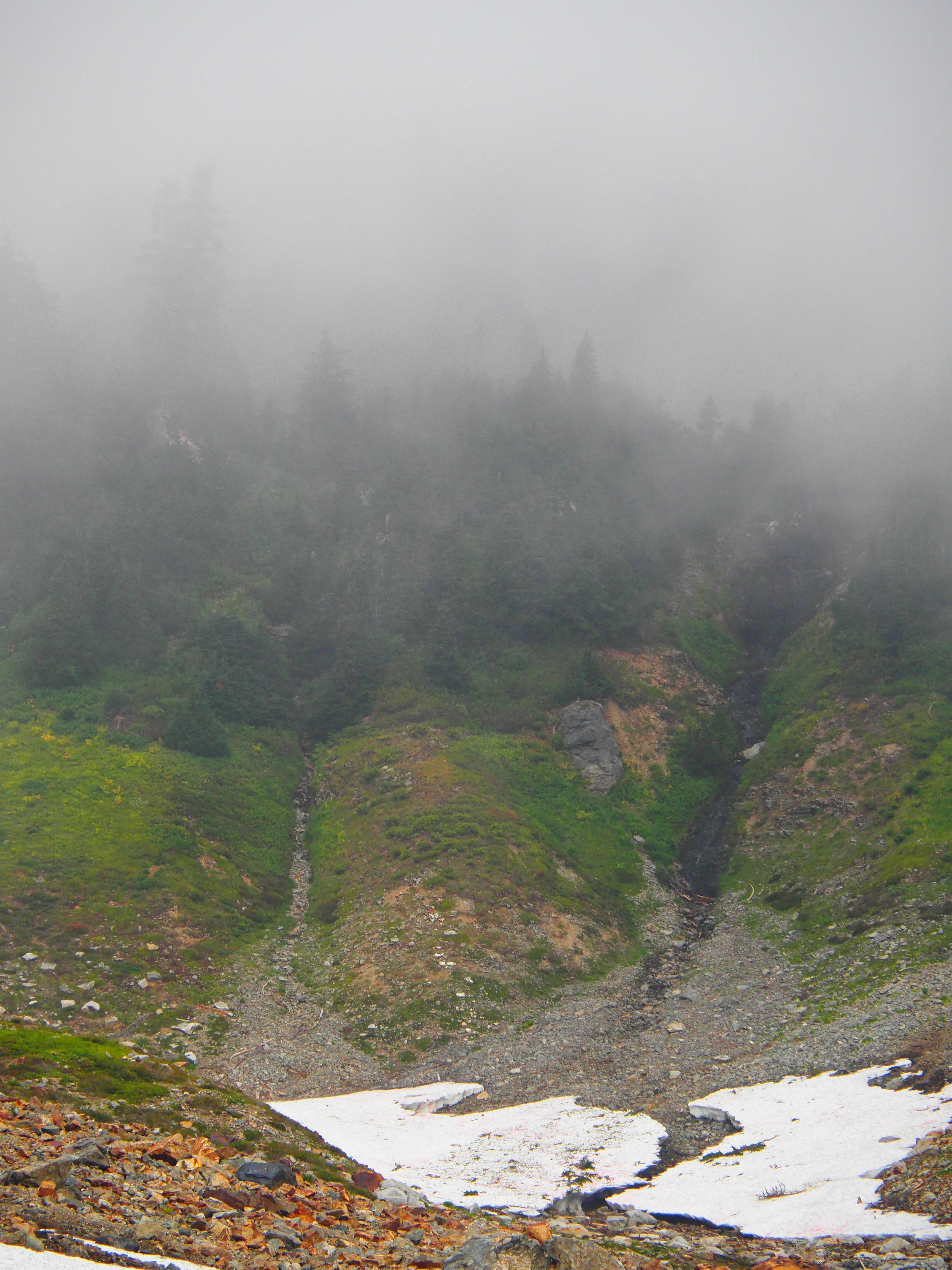
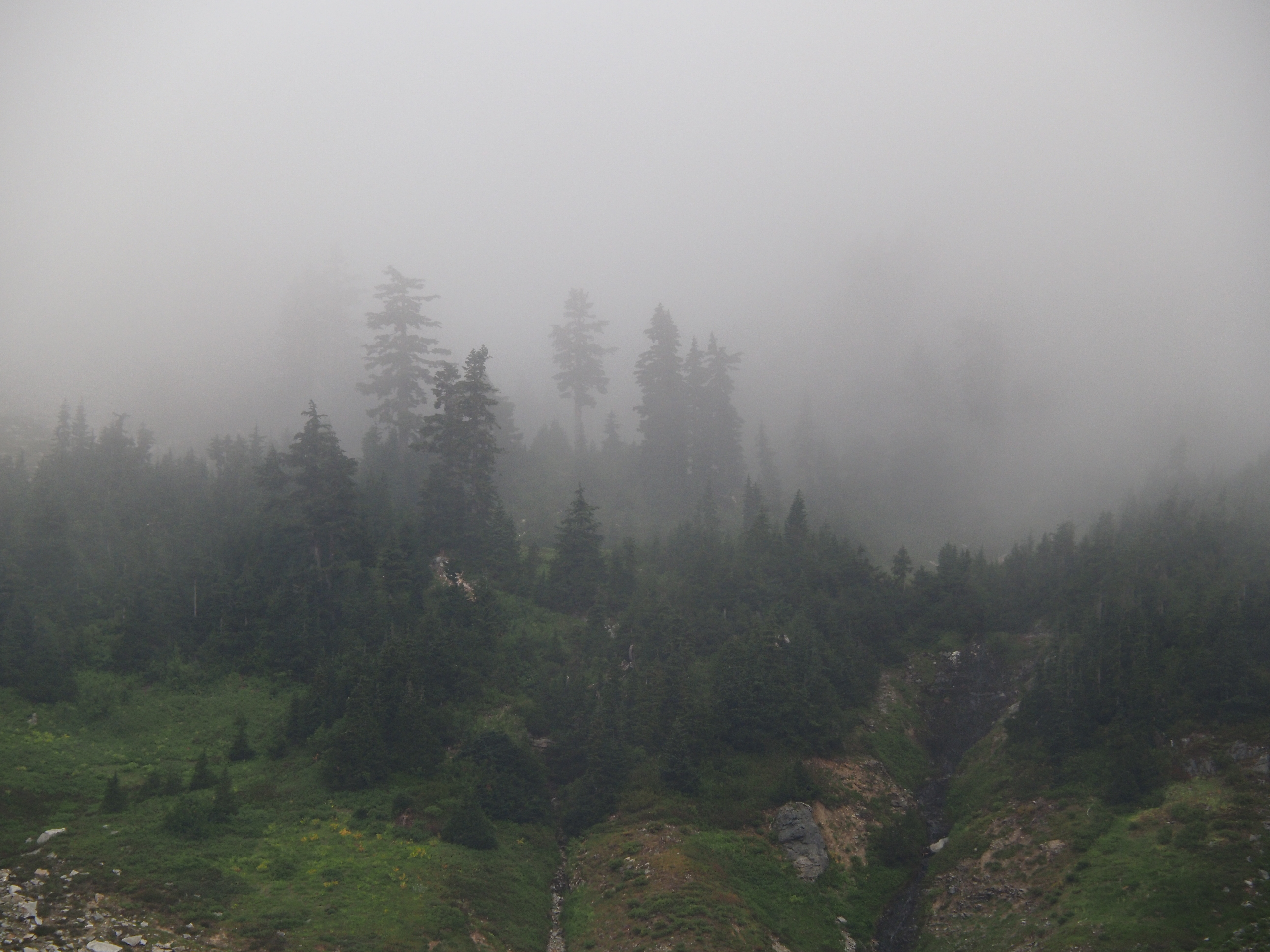
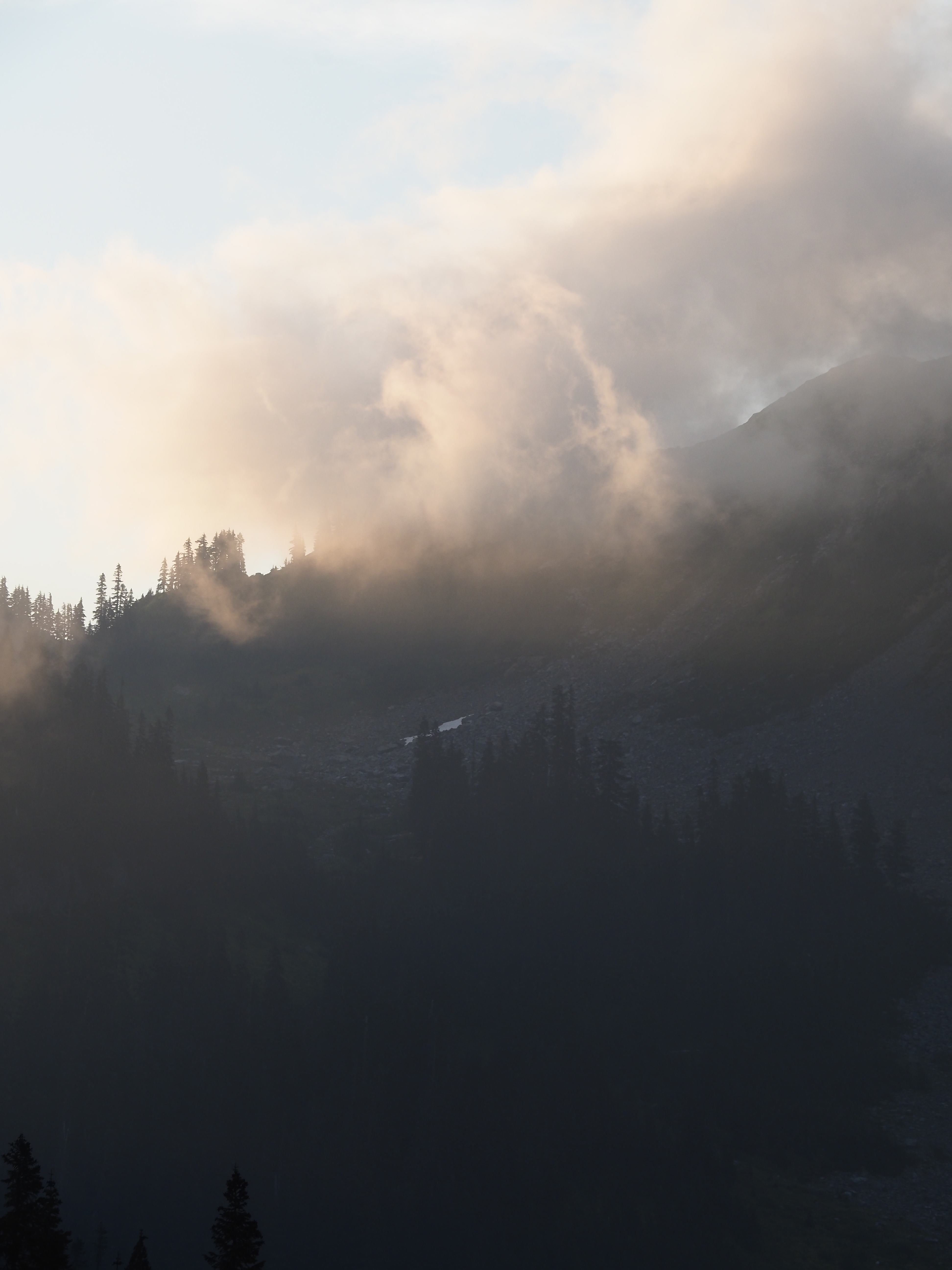
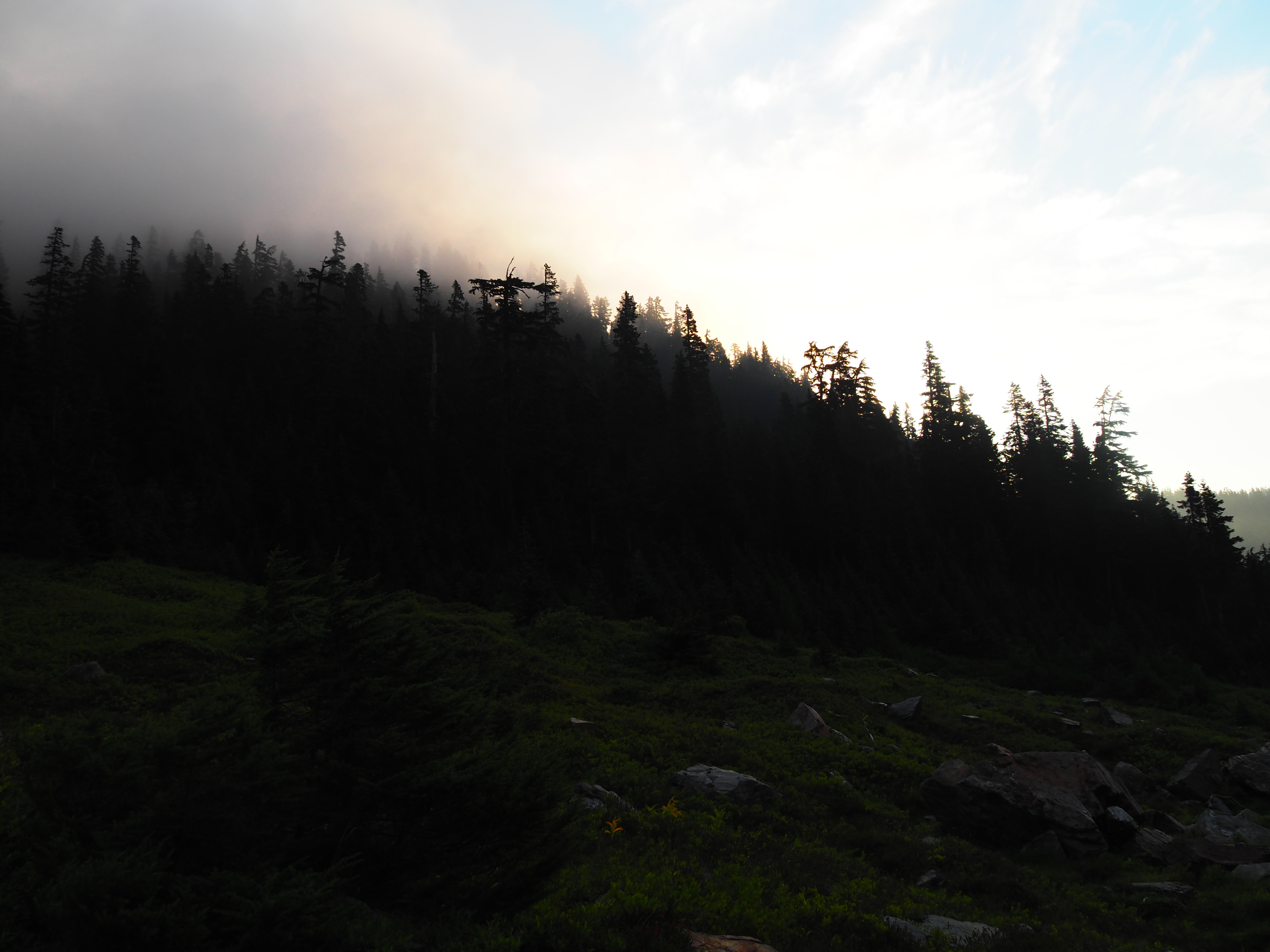
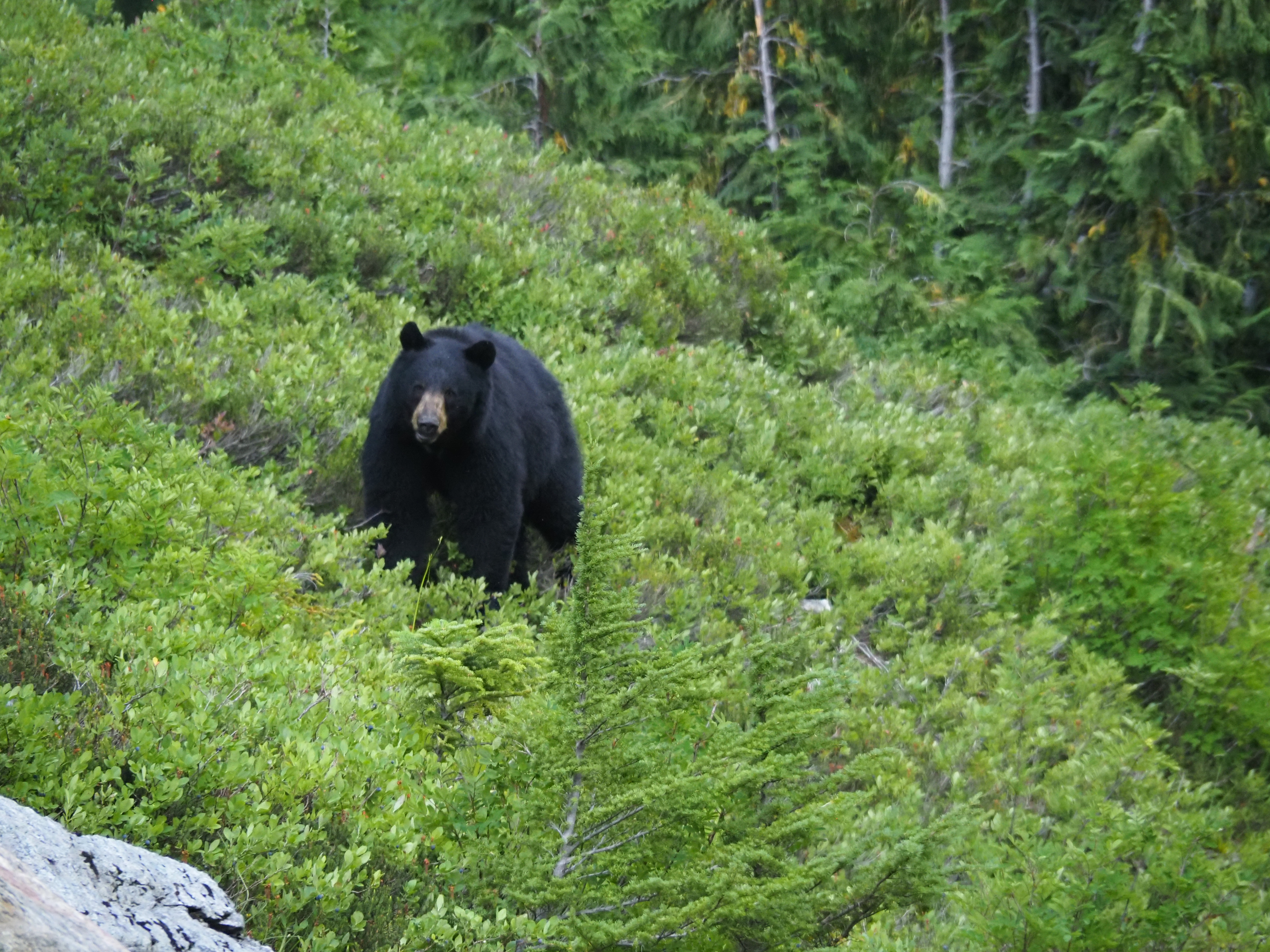
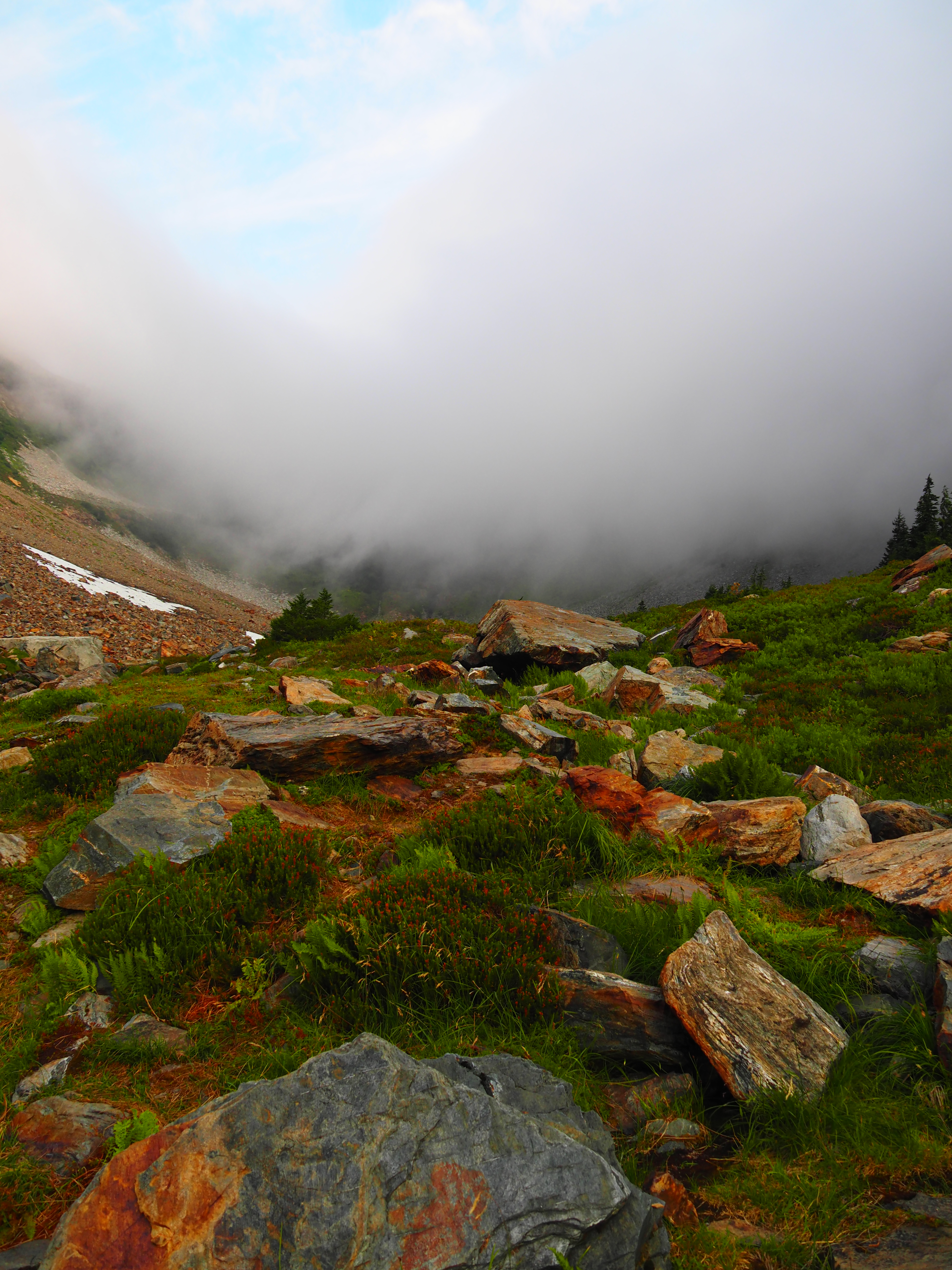
Weather can change quickly and dramatically in the Pacific Northwest. I woke up on my final day in the North Cascades to a biting wind and this immense fog bank drifting over the top of Cascade Pass on pushed down the valley by an almost constant wind. It didn’t keep our resident bear away, though. Apparently wild blueberries are great in any weather.

Sabbatical Notes: Animals

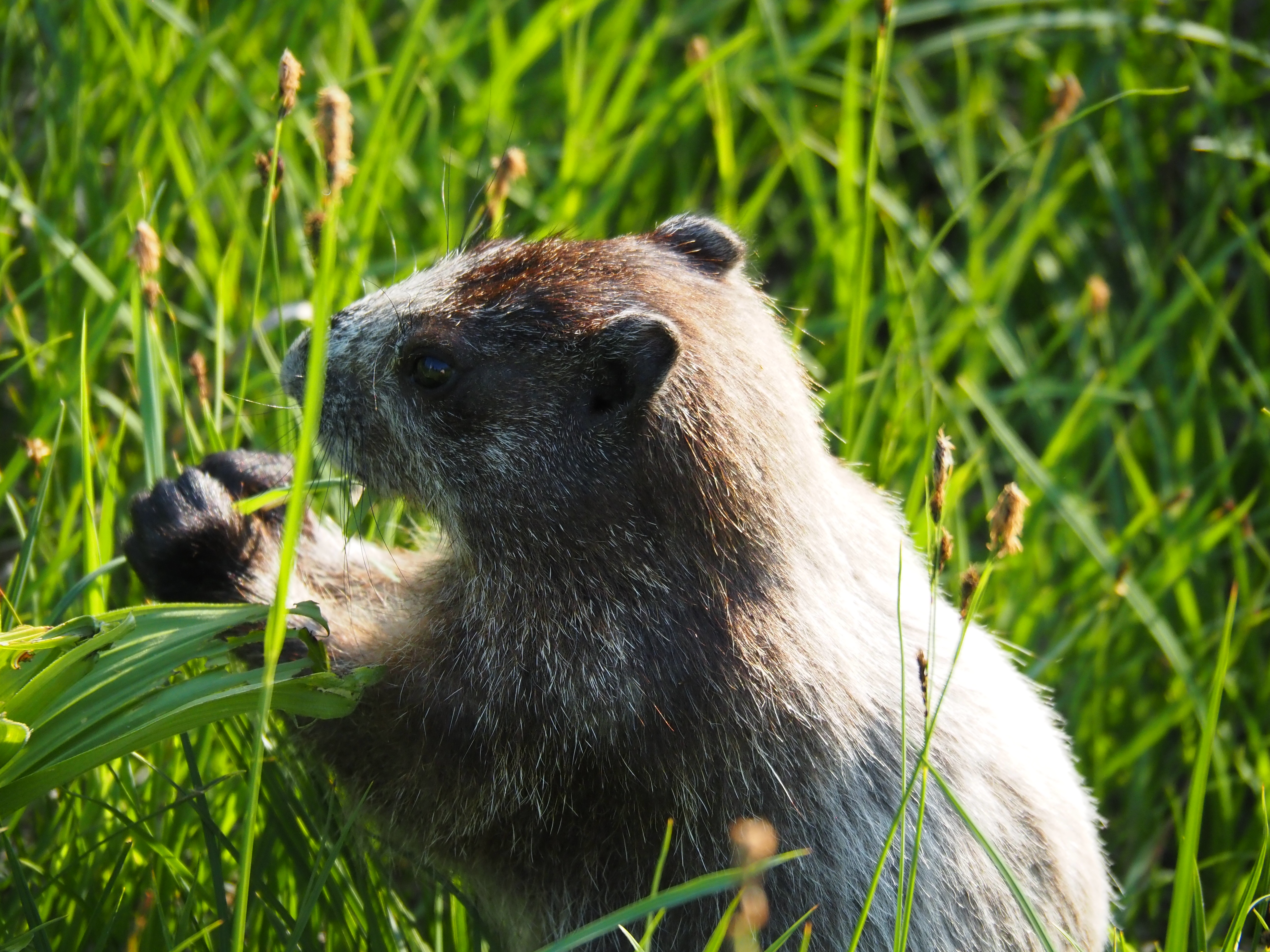
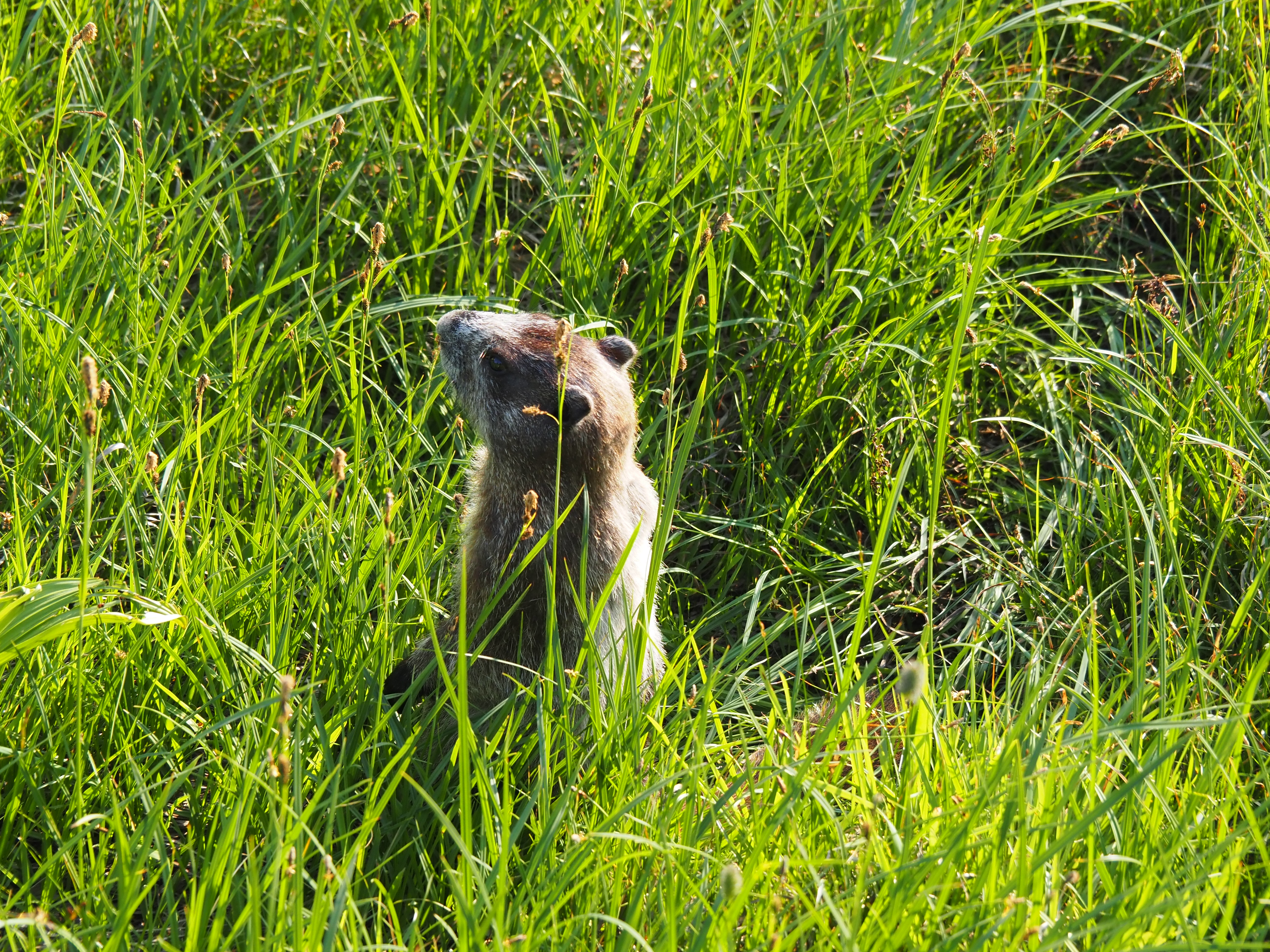
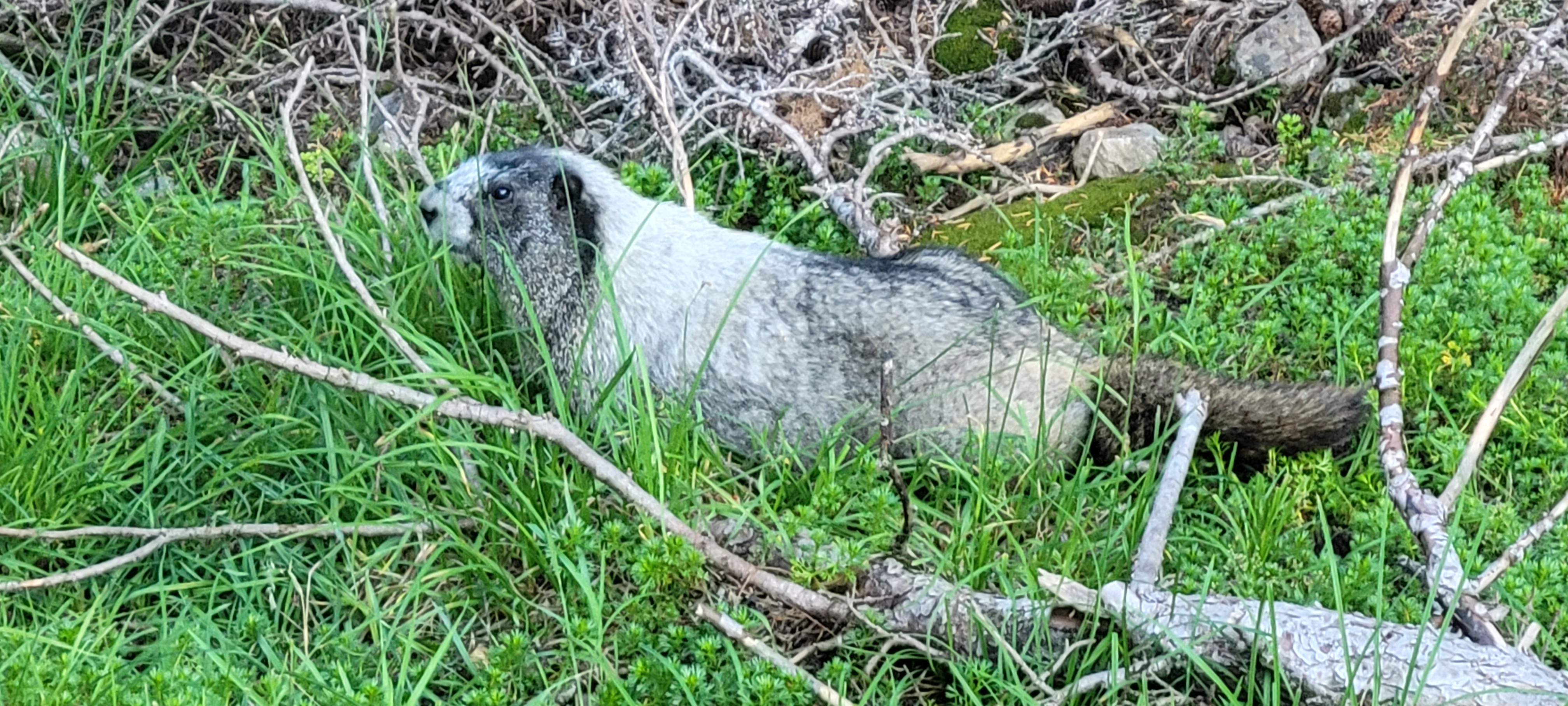
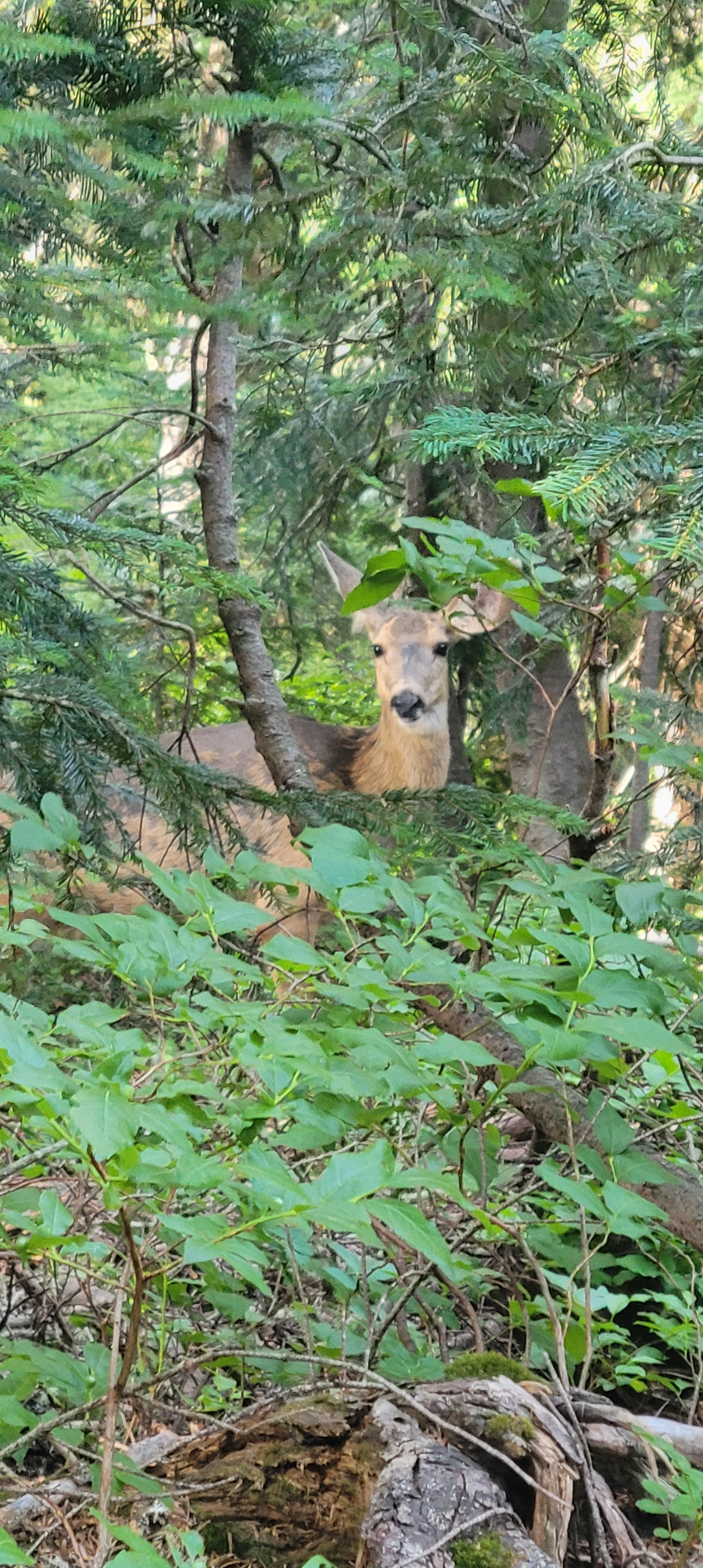
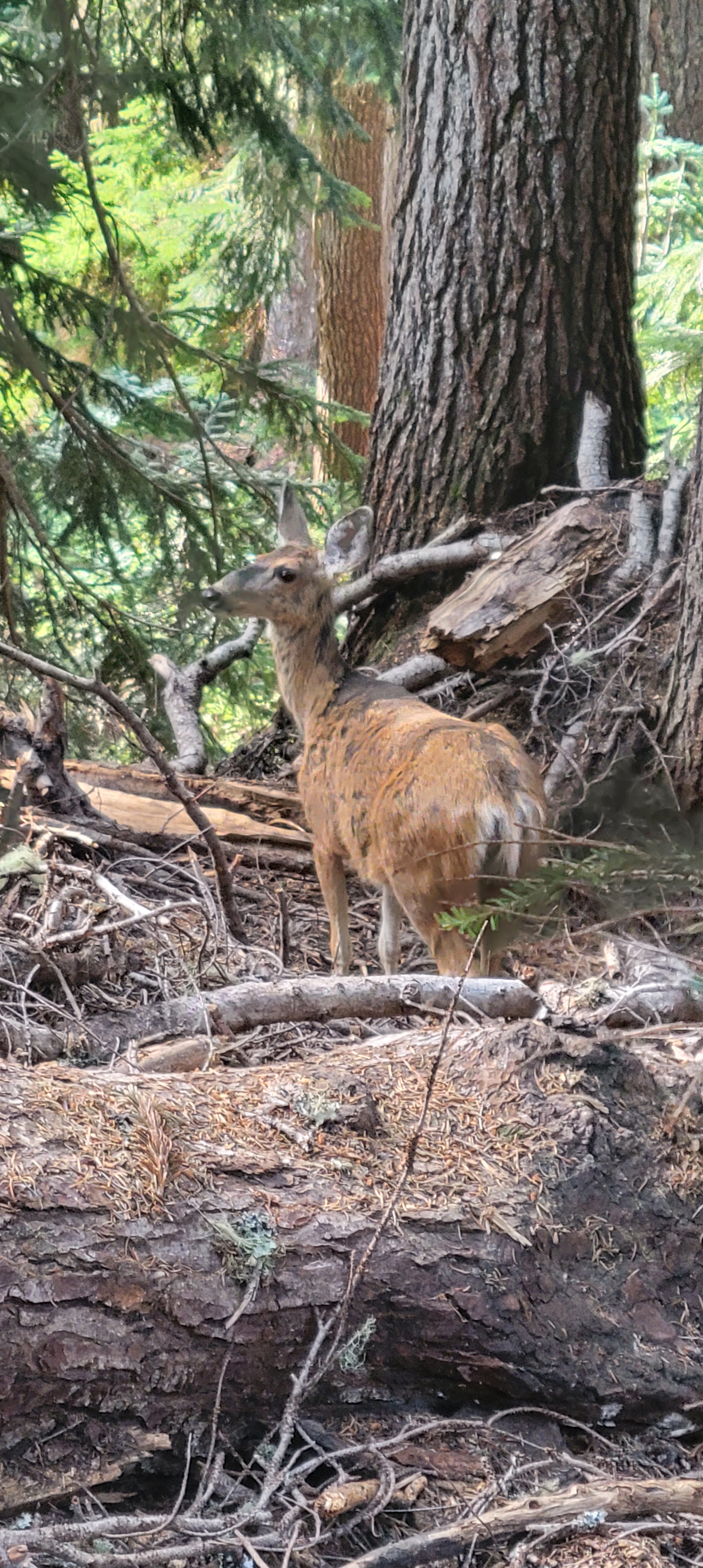
Animal sightings were pretty rare in the first few weeks of my sabbatical, but in Cascades National Park, there was a sudden abundance of encounters. I had never seen a Marmot before, but they seem a completely endearing little animal. I sat in a little glen with this one for about 15 minutes, as she grazed about five feet from me.

The Mountain Goat appeared along a ridge during the course of a morning hike, and drifted over a series of rock ledges as I walked along the trail below.

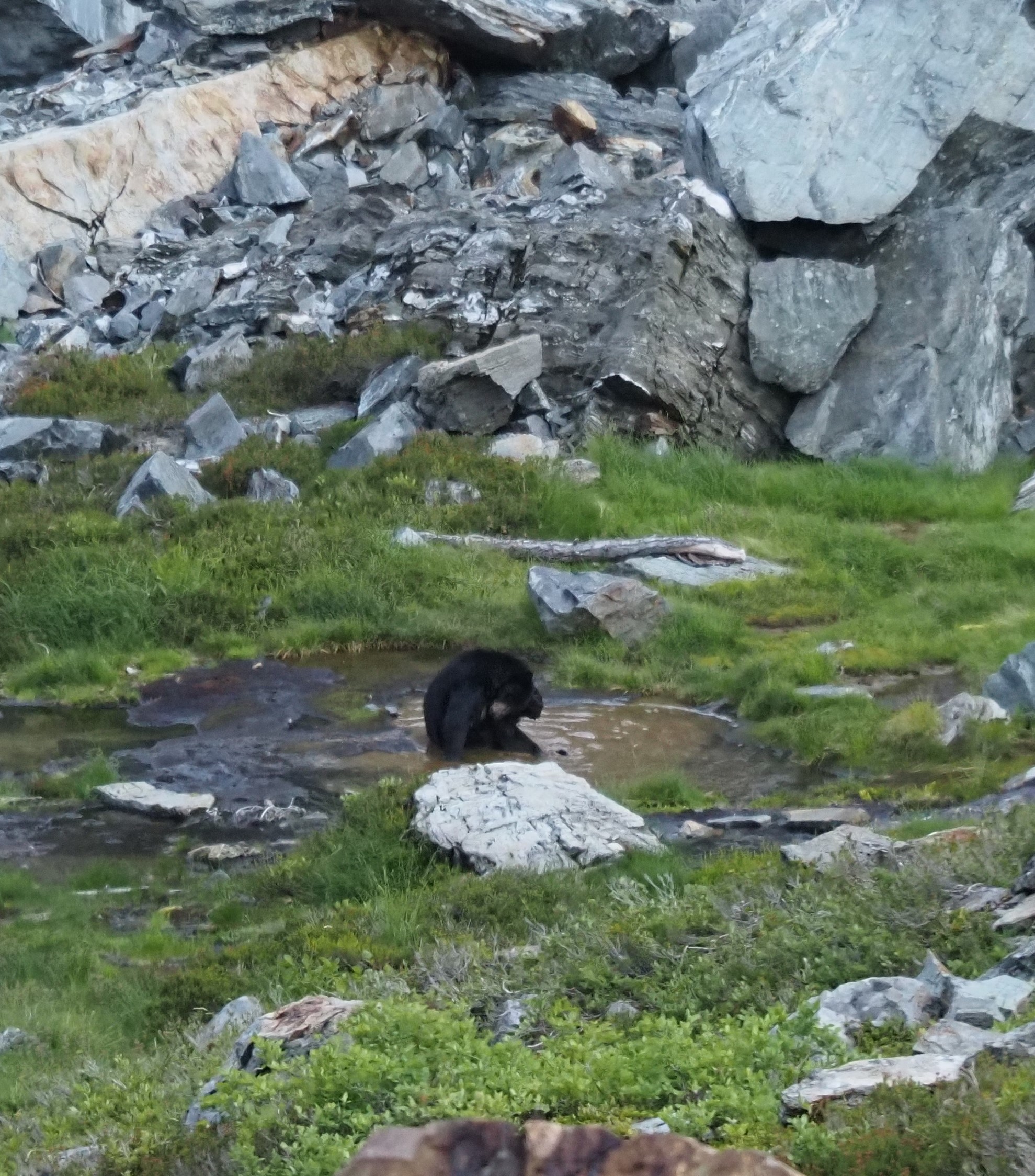
The Black Bear is one of a pair of siblings living in the valley adjacent to the campground at Pelton Basin. They spend much of the day grazing on the abundance of wild blueberries that thrive along the creek running down from the glaciers. This one was around for all three days, seemingly aware of the our presence and generally content to keep his distance. His brother or sister seemed a little more adventurous, wandering into the woods to look for food along the trails leading from the campground down to the creek. One morning, as I was coming up from the creek with water for breakfast, I came around a corner of the trail into a small glade to find her eating breakfast a few feet off the trail. It’s difficult to say for certain which of us was more startled; but she jumped quickly back into the woods and continued to graze (the last picture in the bear series).

Even armed with the knowledge that Black Bears are typically harmless unless threatened, coming so close to something this big was a fairly powerful reminder of how marginal our place is in wild places.

Sabbatical Notes 4 Wildflowers

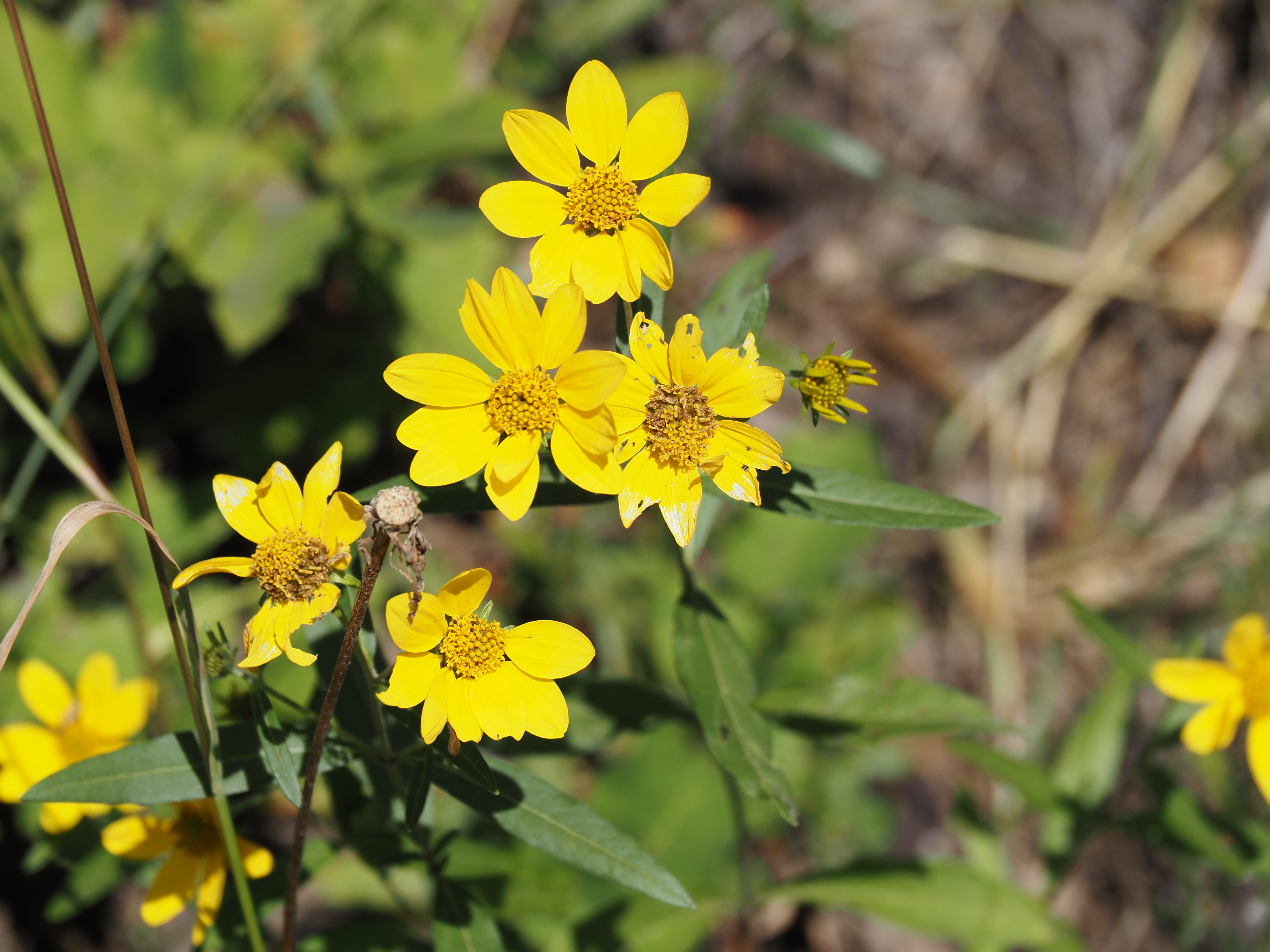
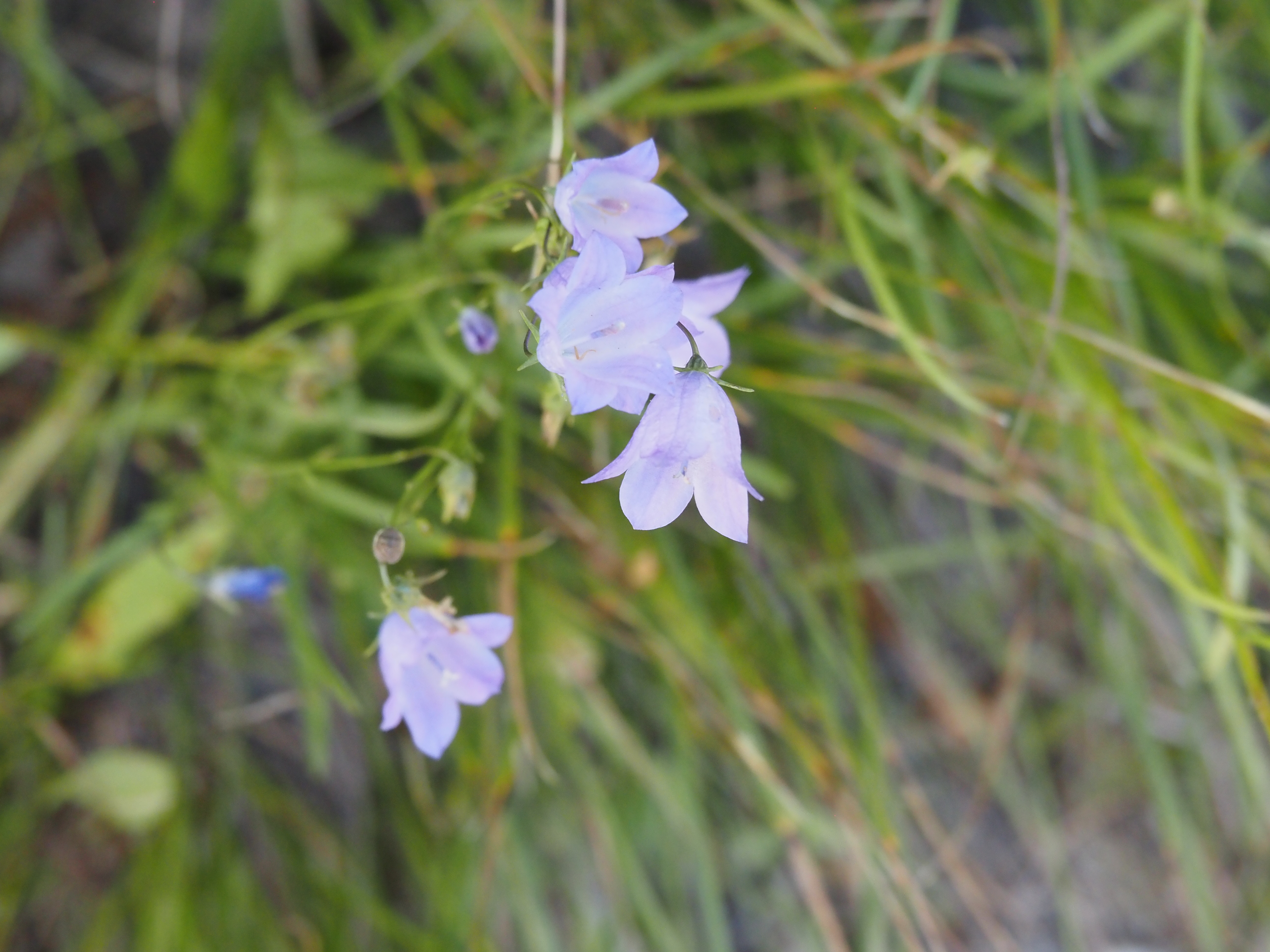
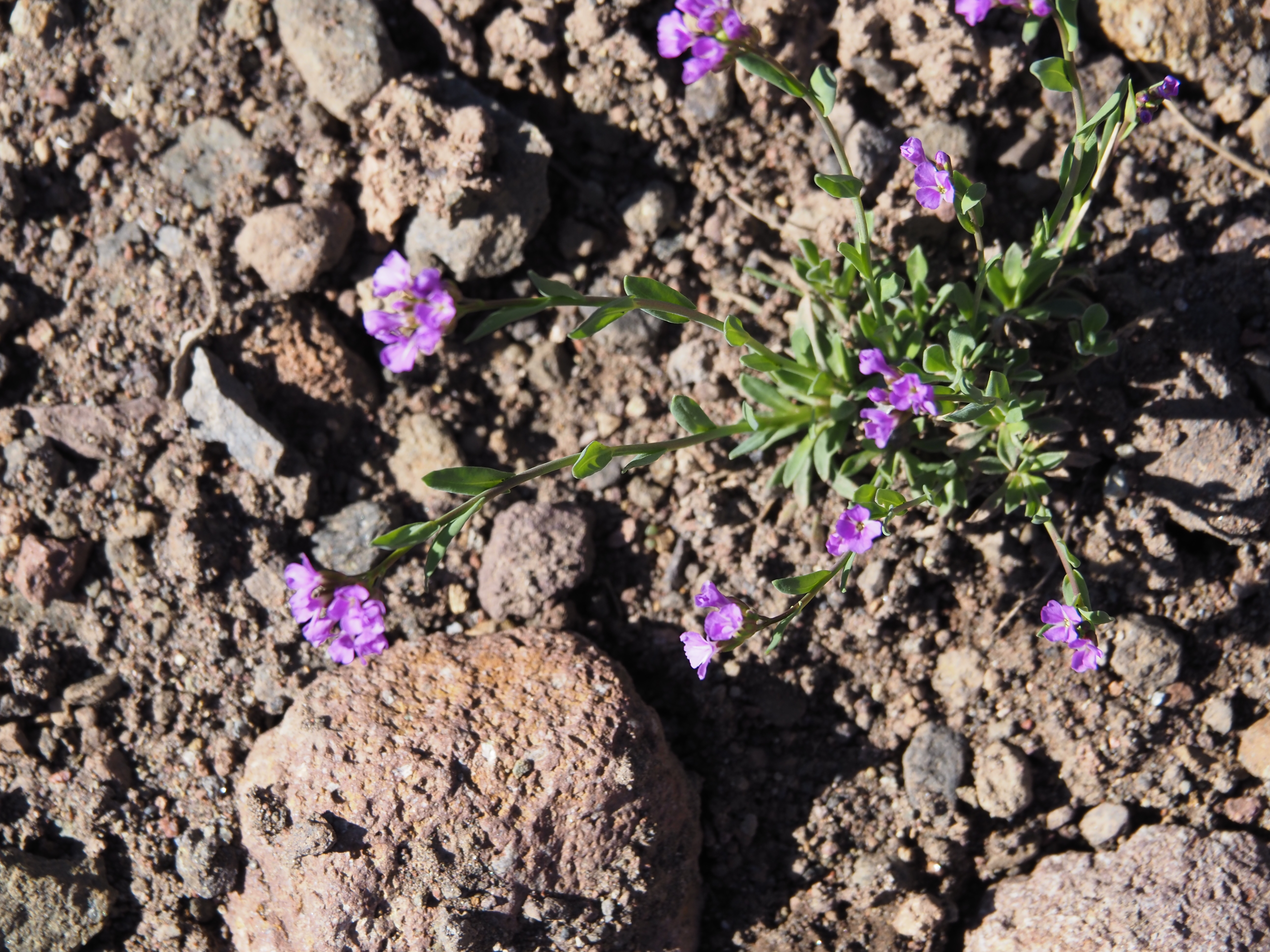
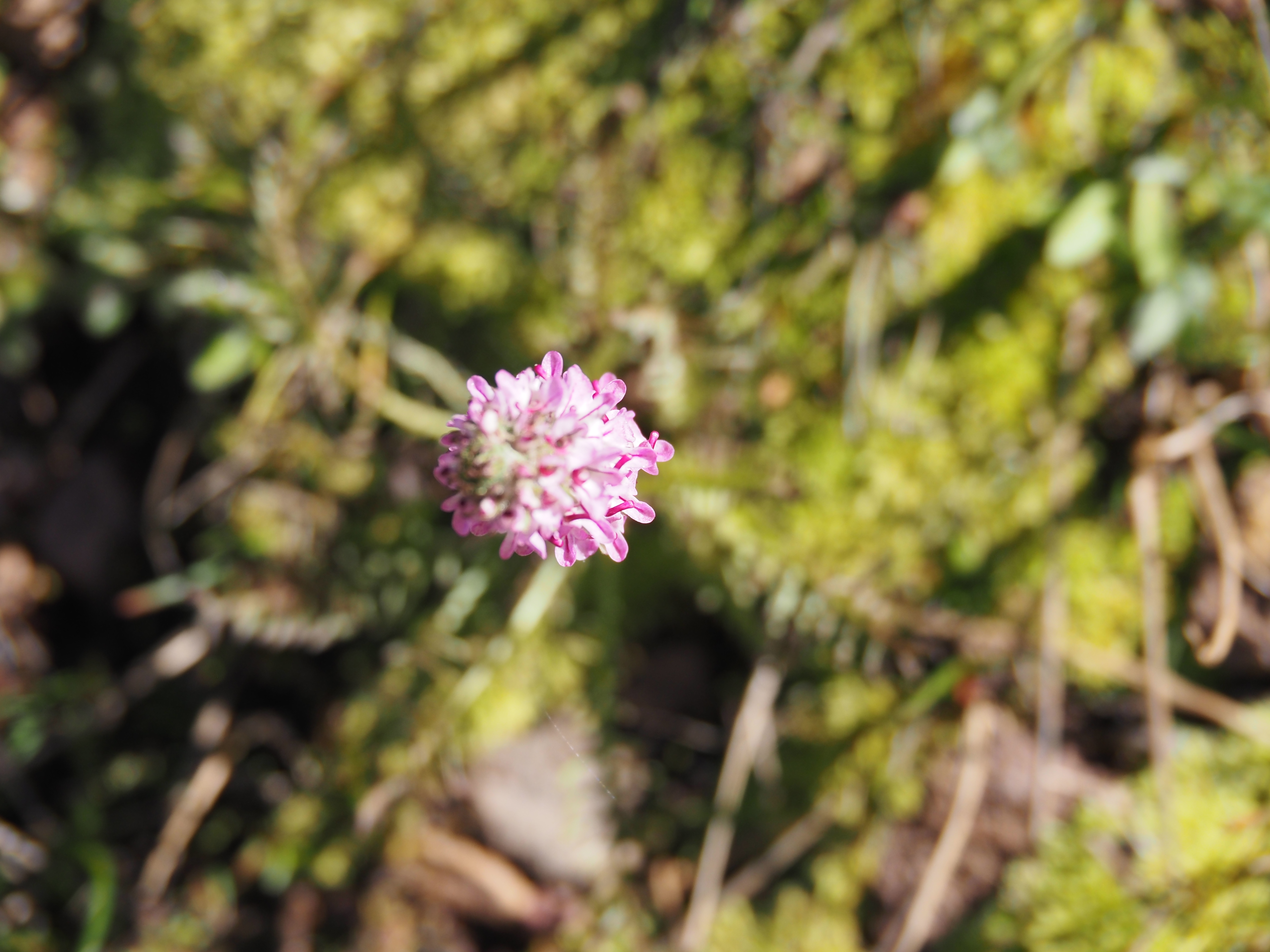
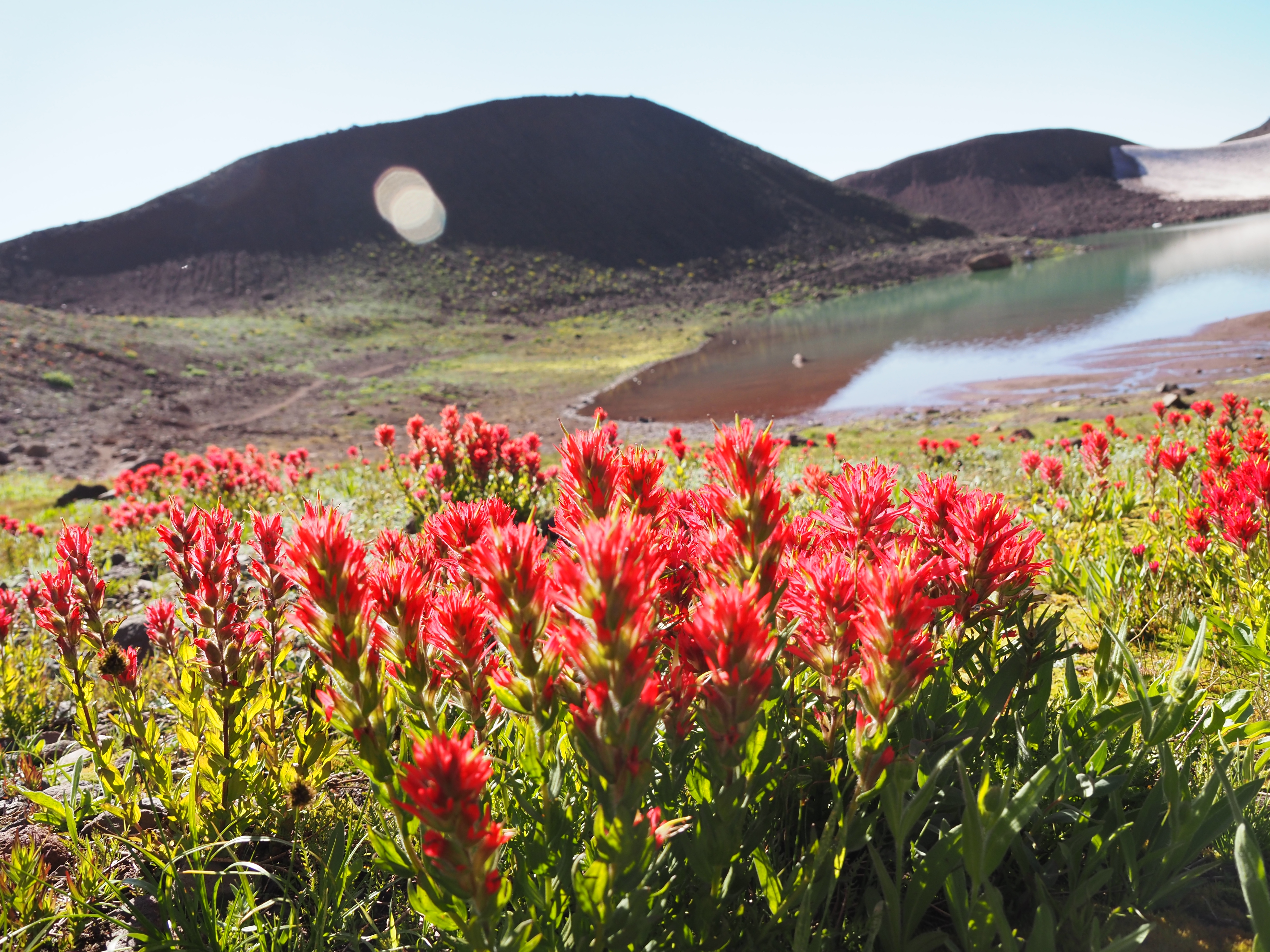
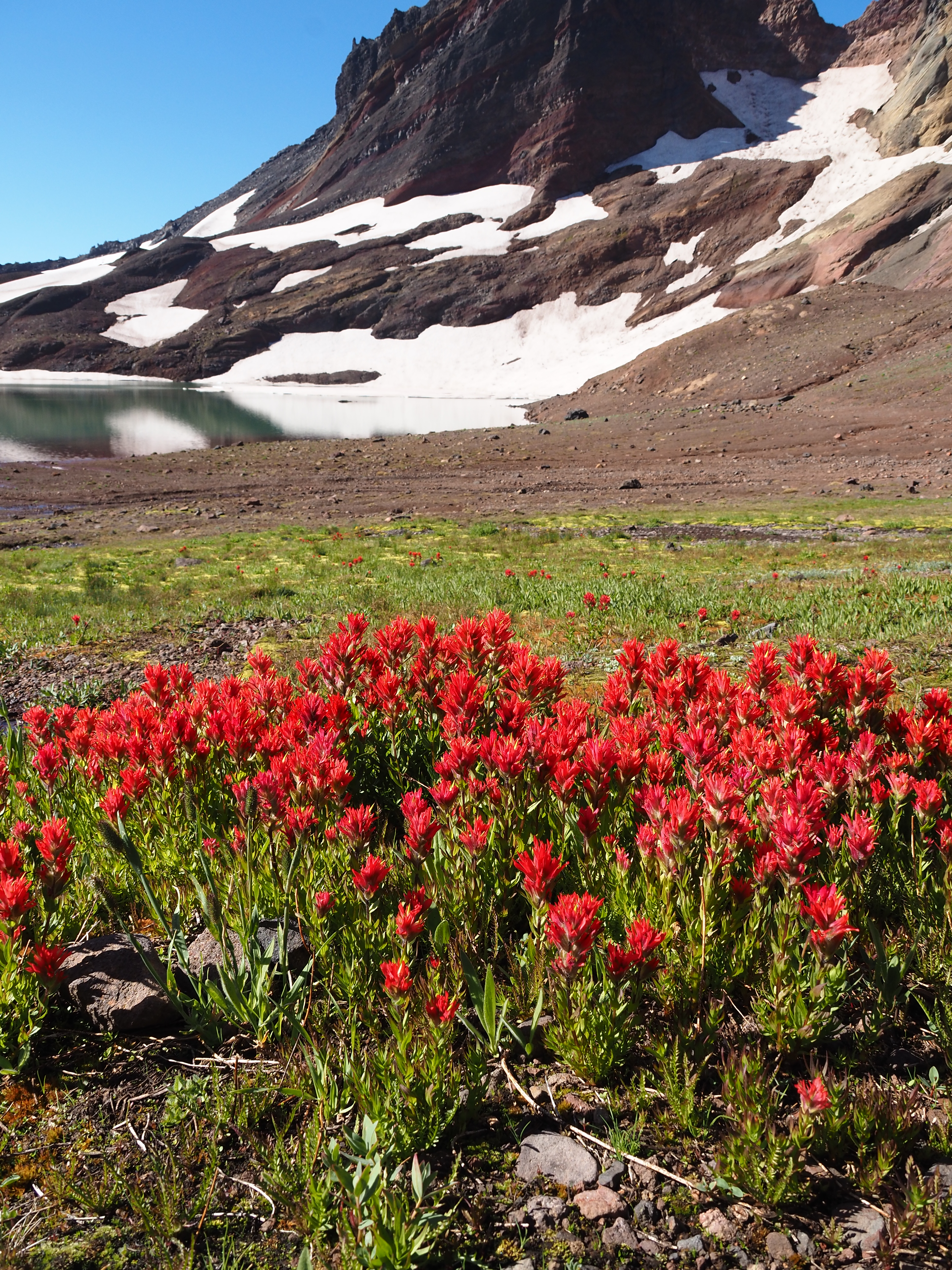
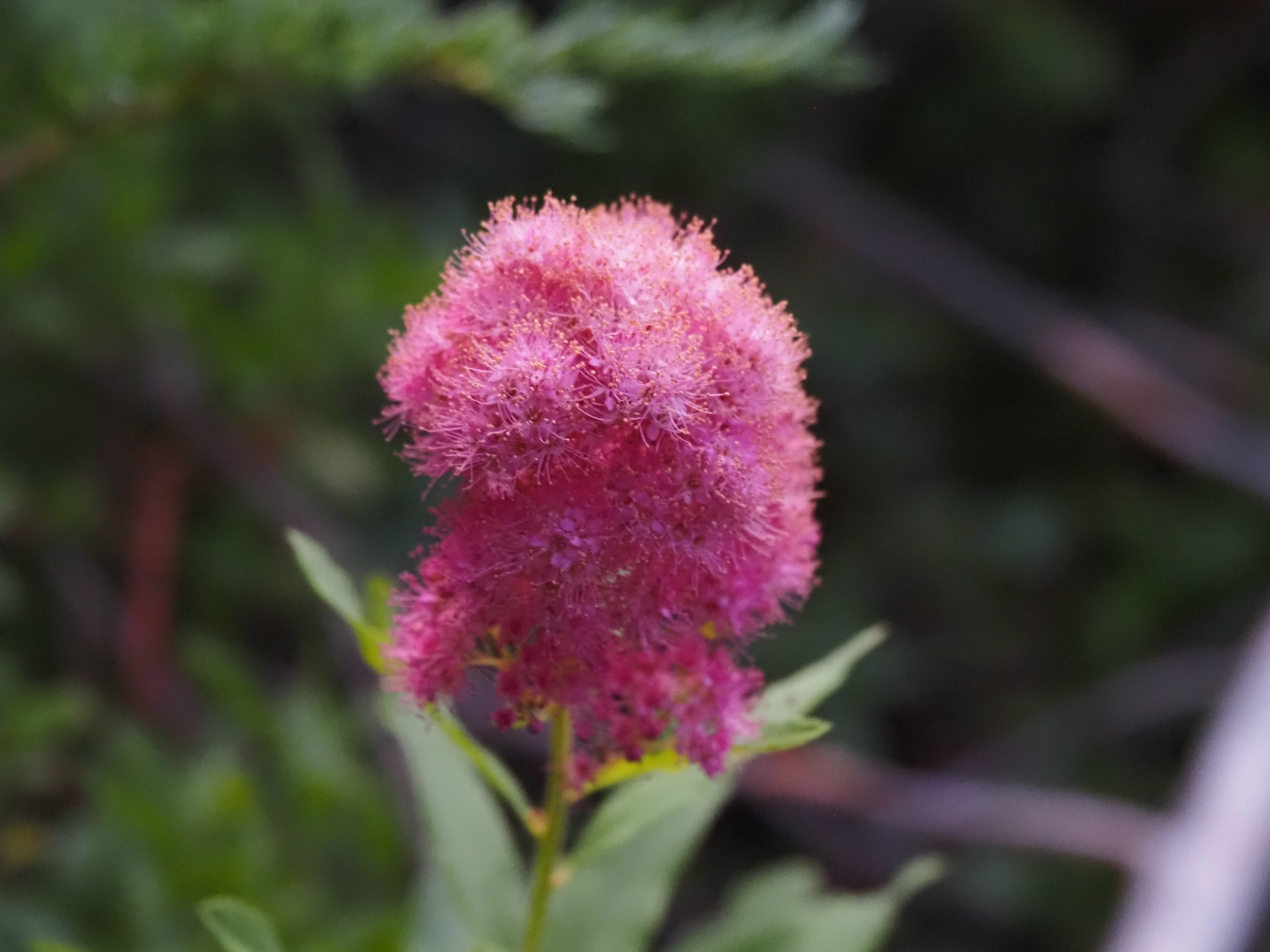
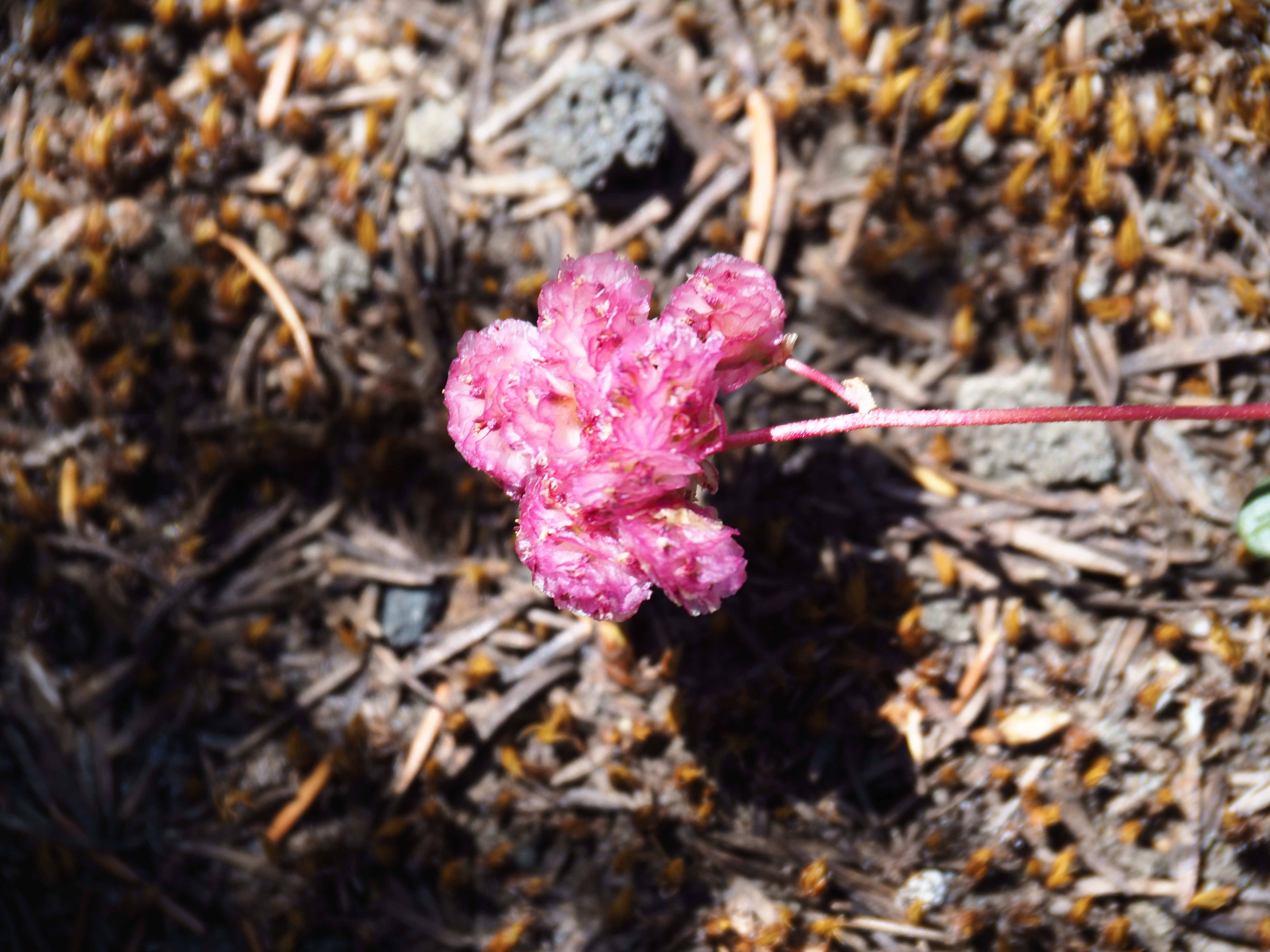
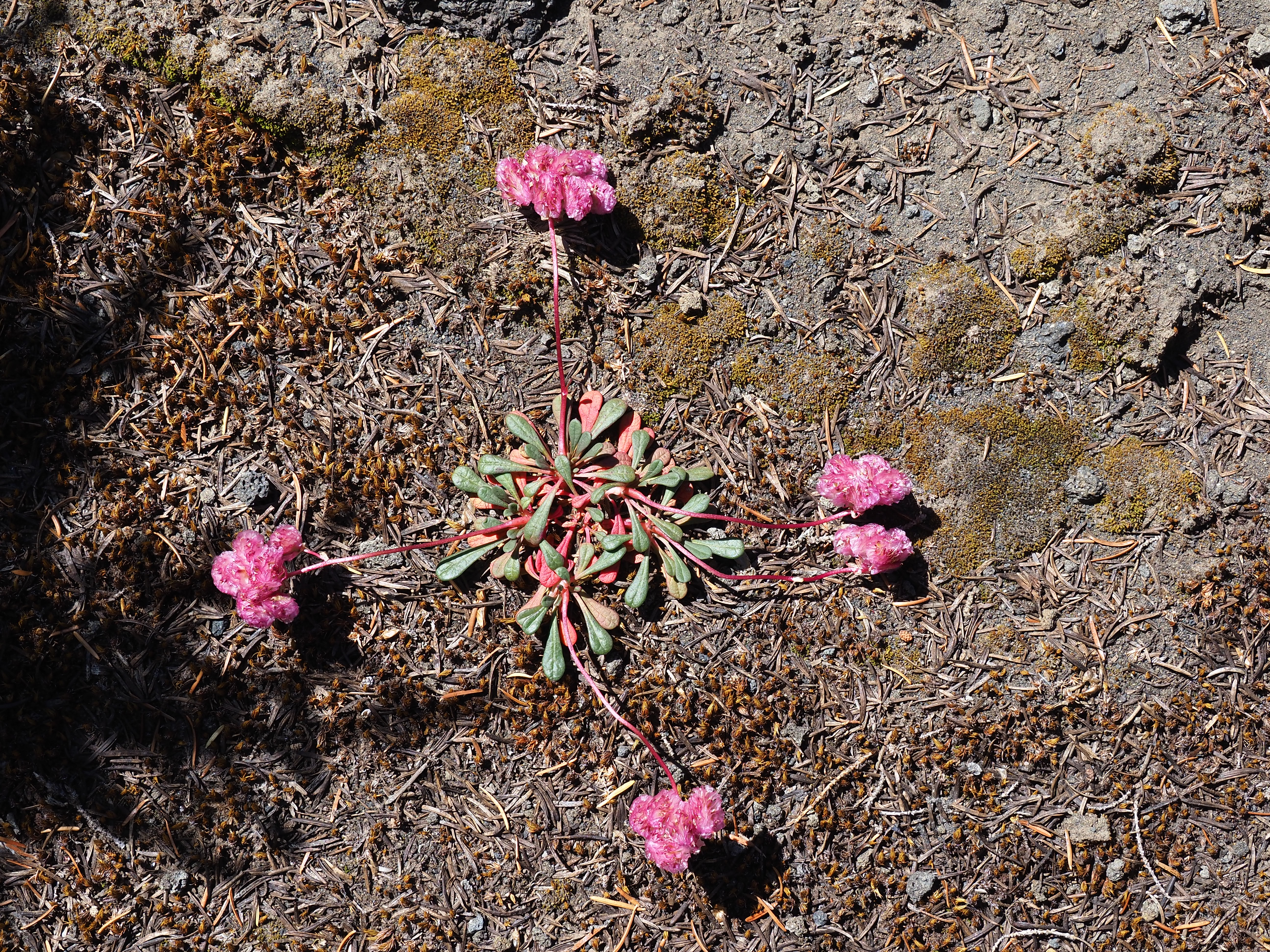
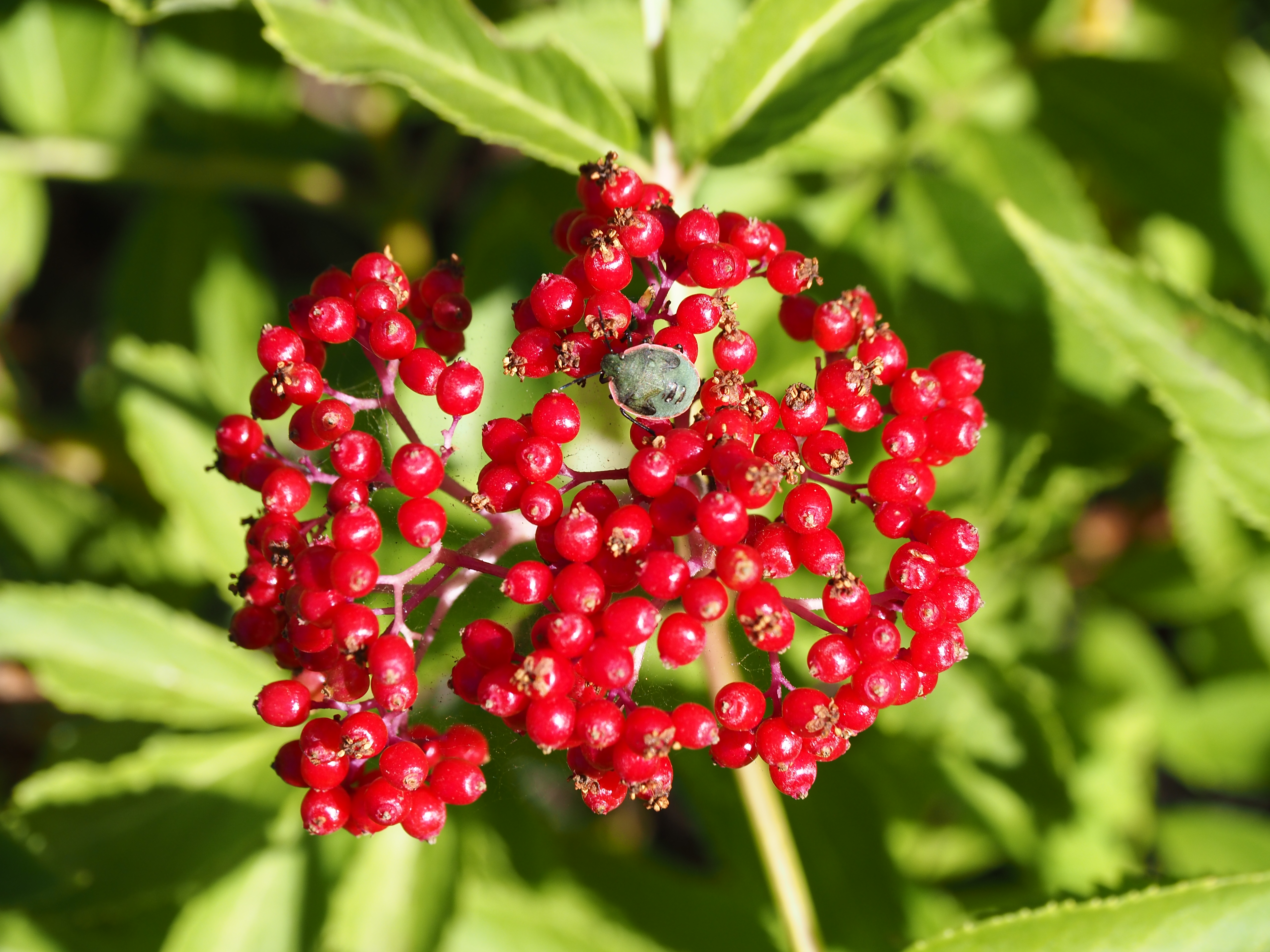
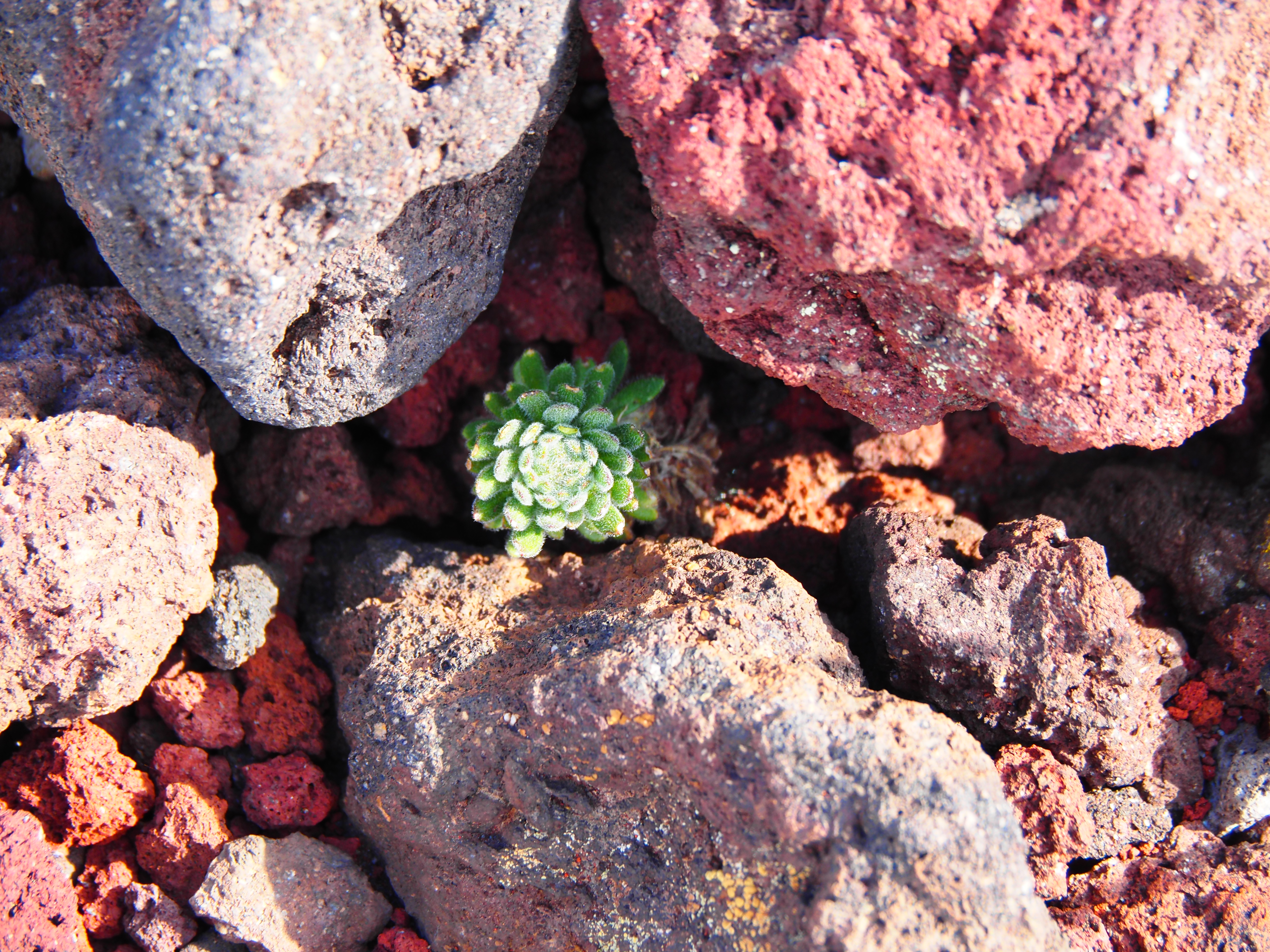
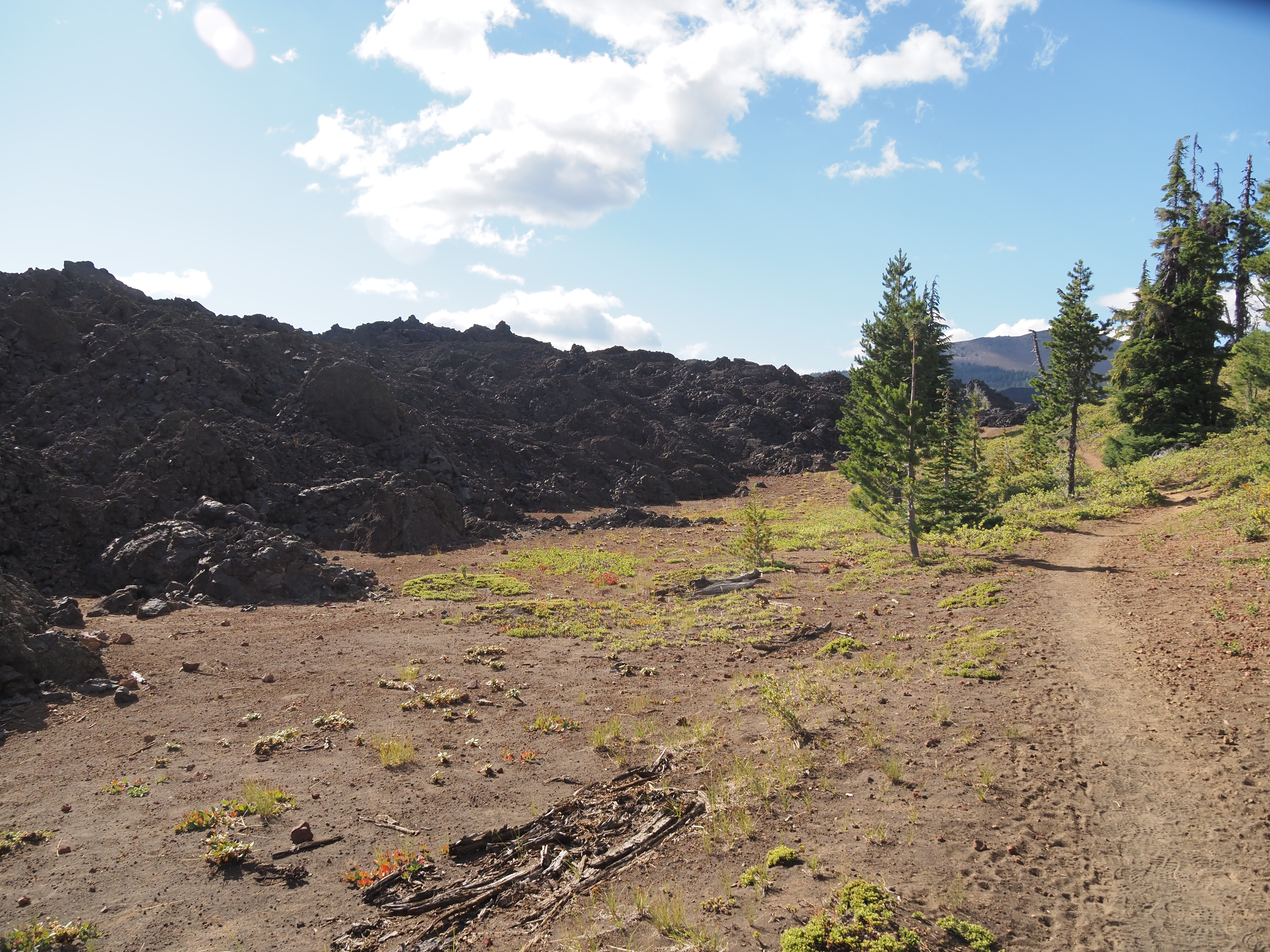
I was in Glacier National Park yesterday, and someone saw my license plate and asked where Connecticut was. I didn’t quite know how best to answer that one. But it got me thinking a little about the glories of the Nutmeg State. For one thing, I think, we find beauty and in the elegance and resilience of small things. That is perhaps why amid all the splendor of mountains and glaciers and lava fields and burned out forests, I find such wonder in the the wildflowers that grow and thrive in some pretty challenging landscapes. It’s one thing to stand in awe of the magnificence of Redwoods and Sequoia, but to feel reverence, pause for a moment at a patch of wildflowers growing out of a baked field of lava or the husk of a burned out Douglas Fir.

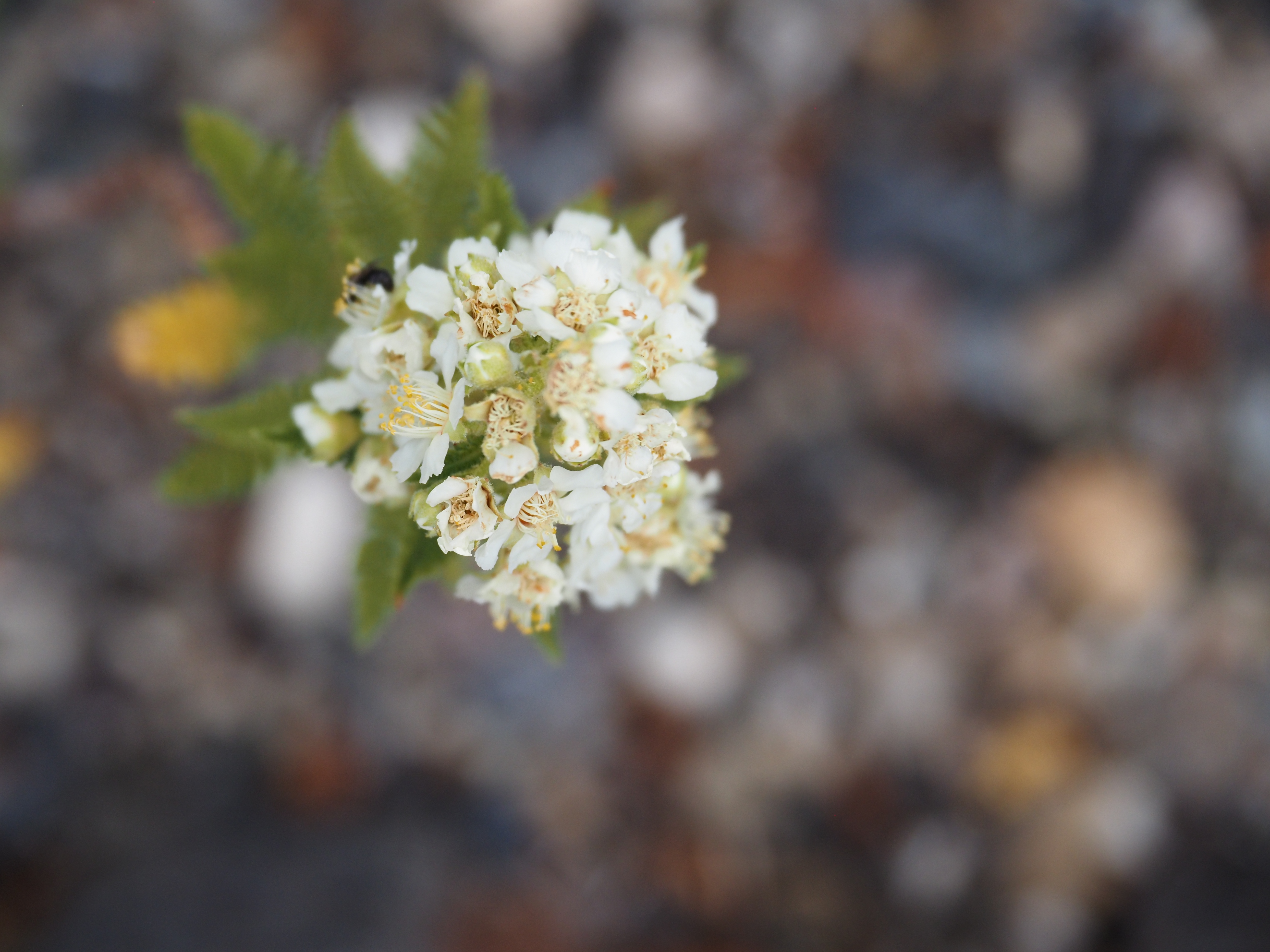
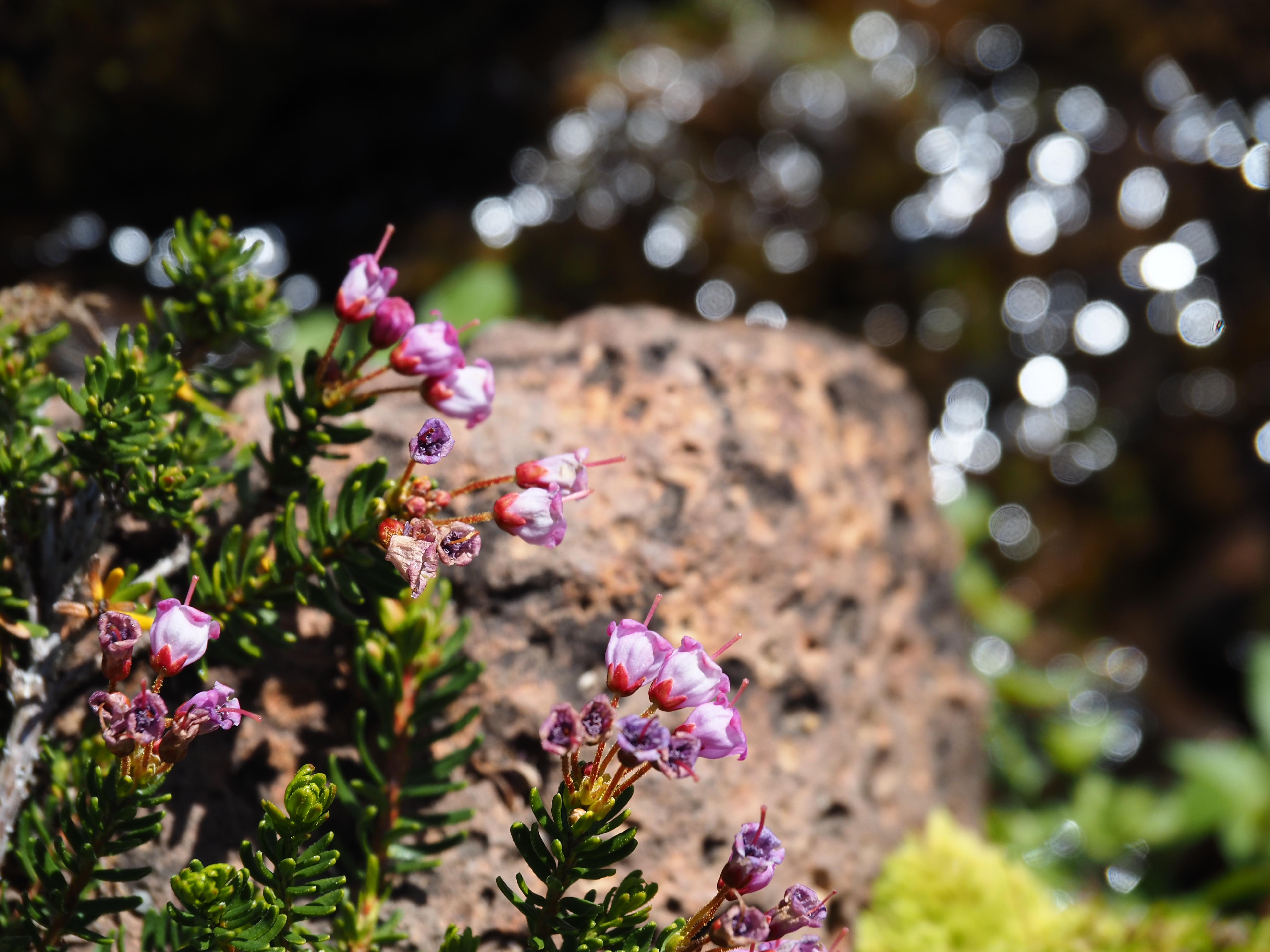
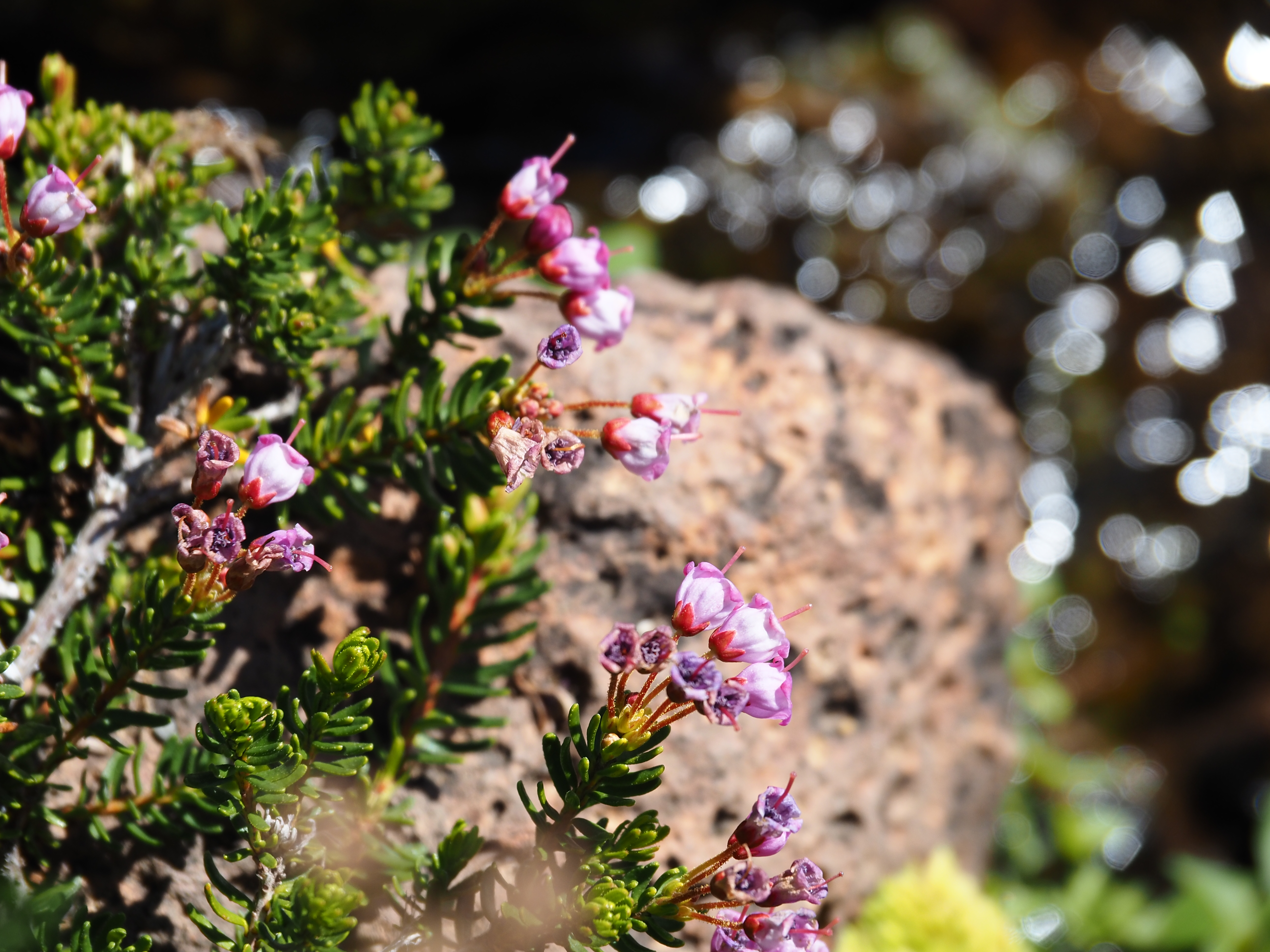
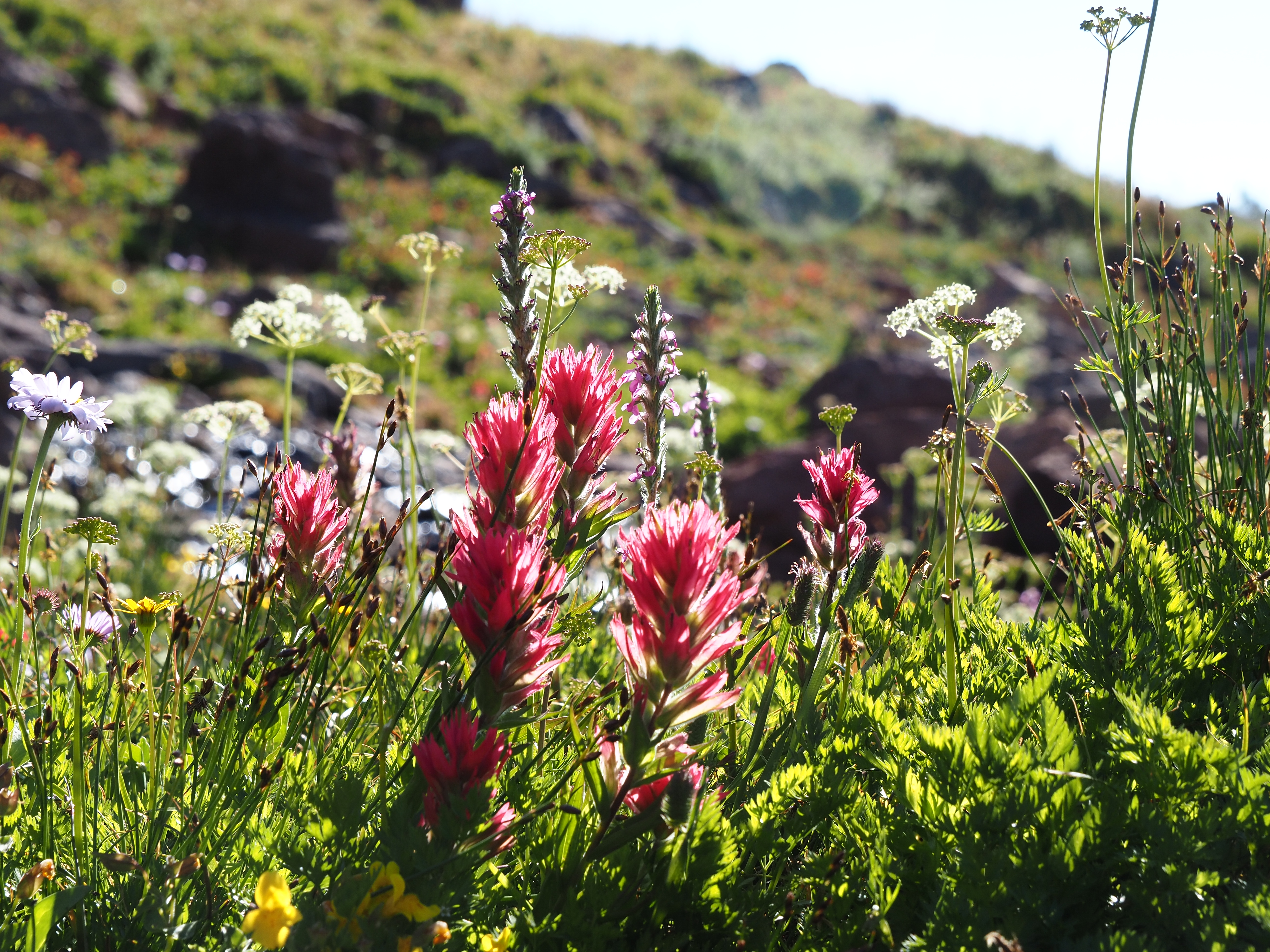
The pictures below come from various stops over the past four weeks: from Wyoming and Idaho, to the high desert of eastern Oregon and the volcanic soil of McKenzie Pass; and from the from the glacial valleys of northern Washington to the forests of Montana.

Sabbatical Notes 3

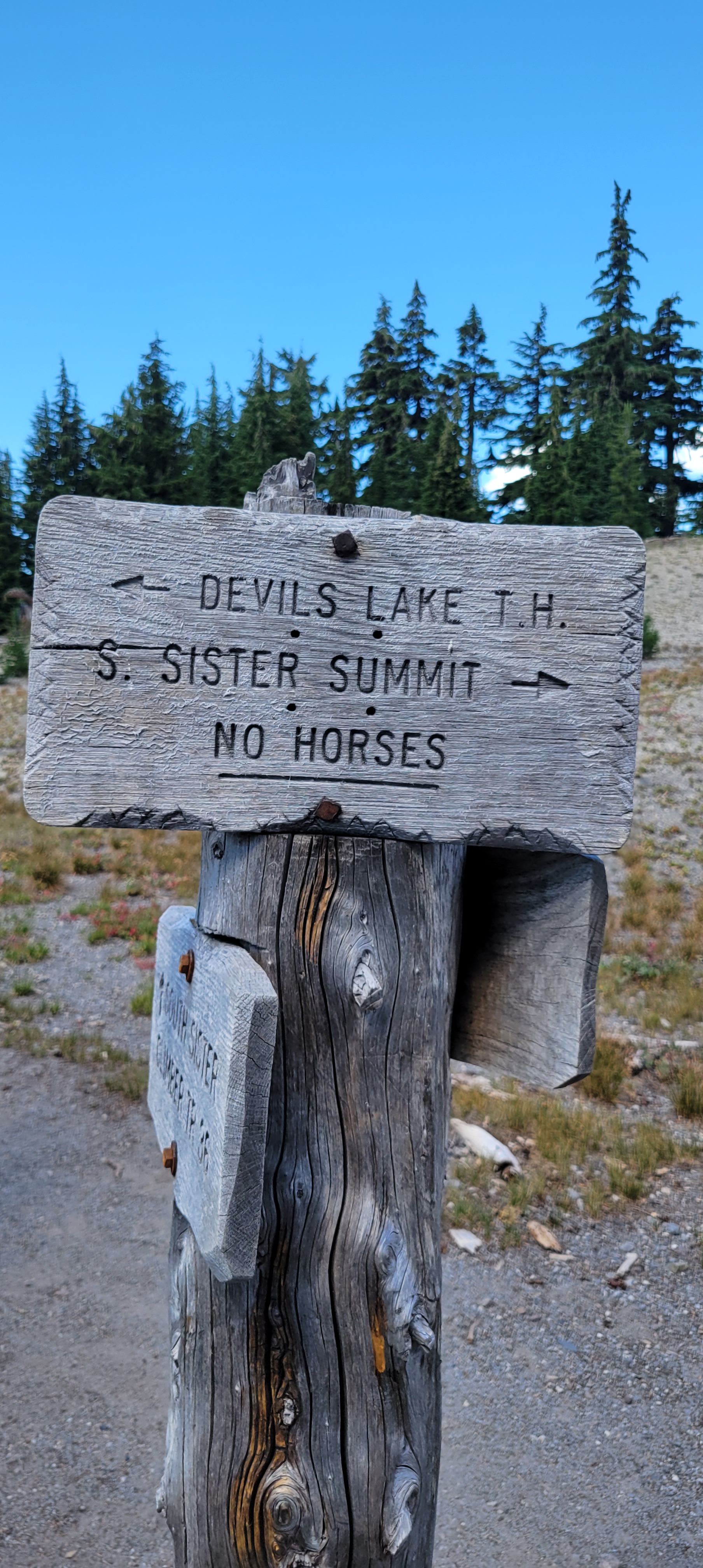
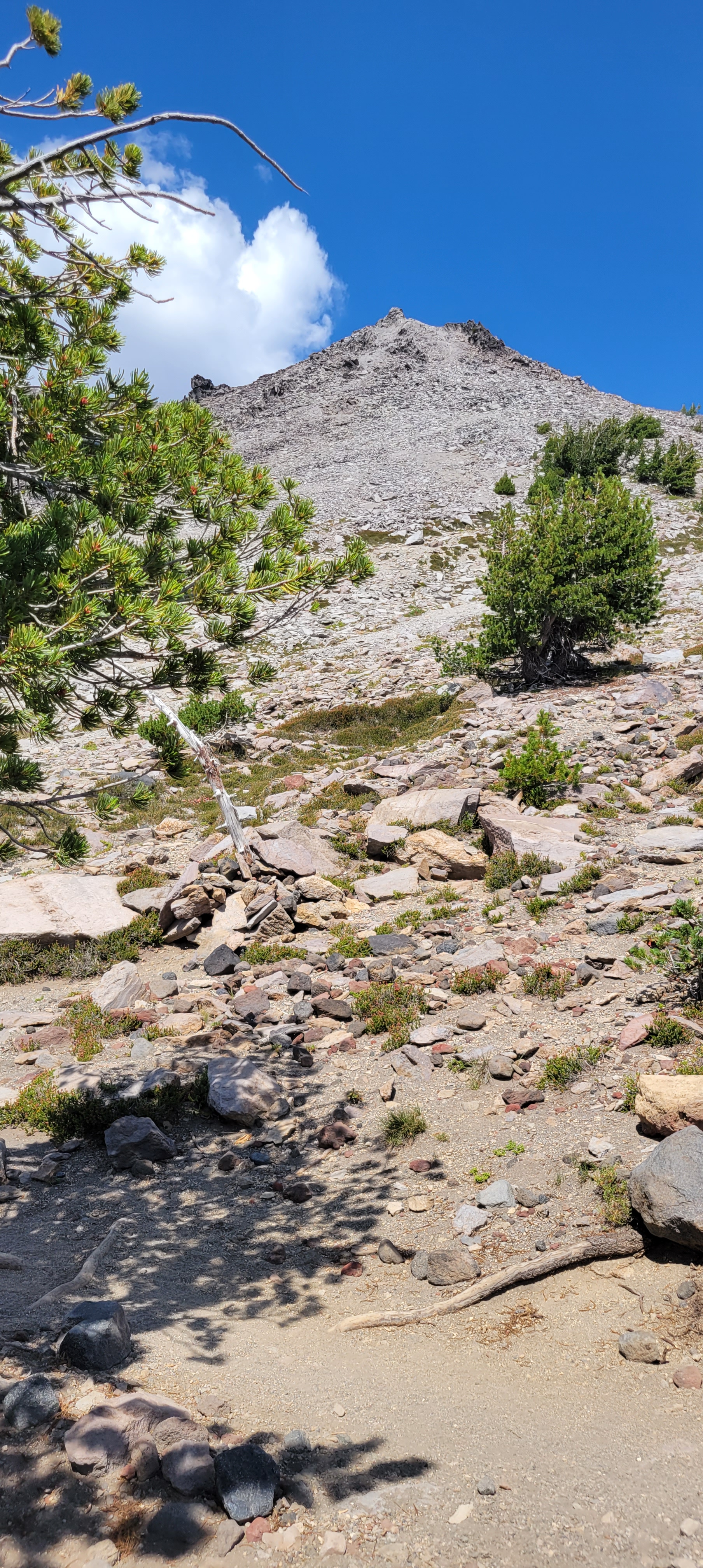
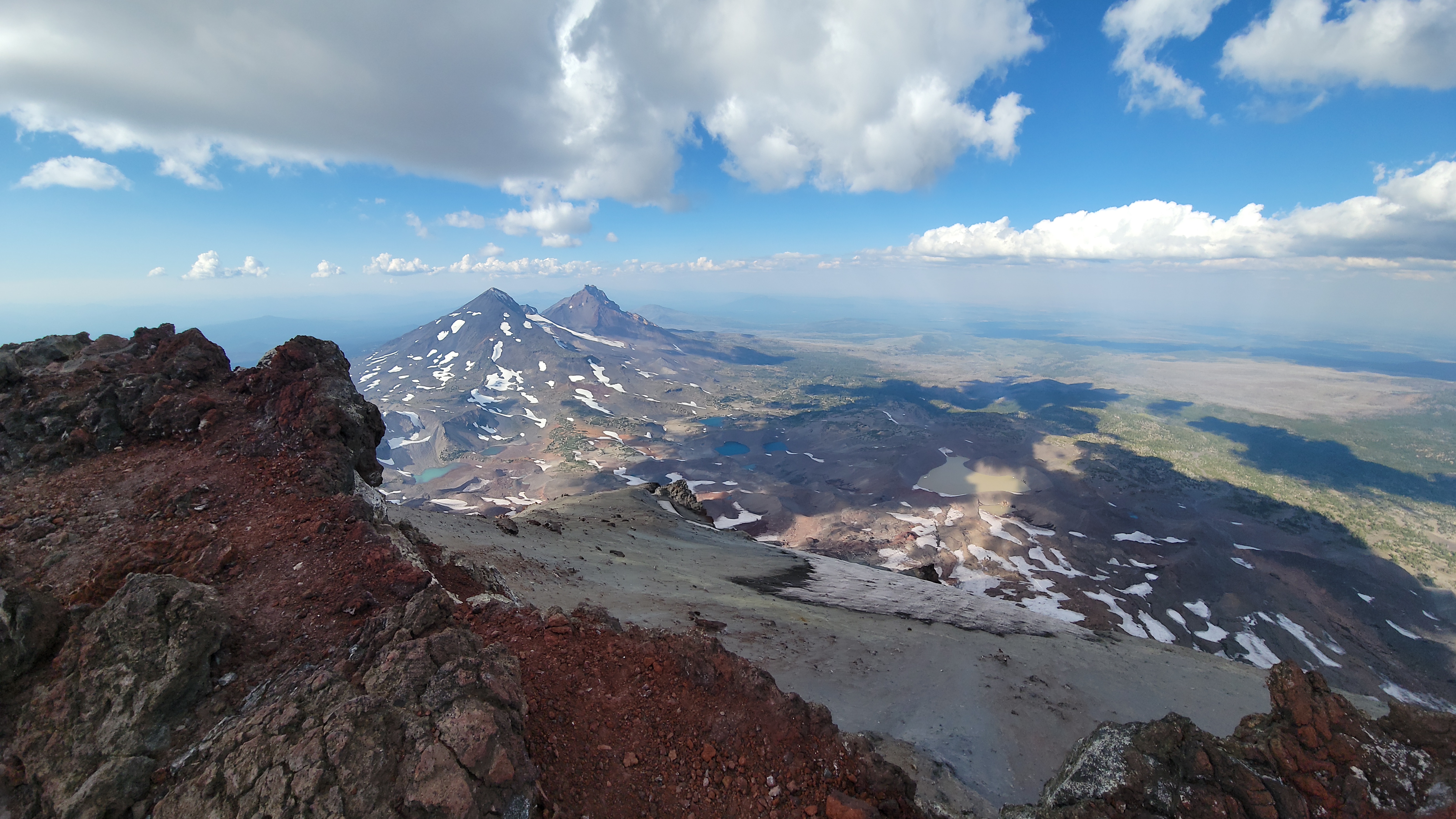
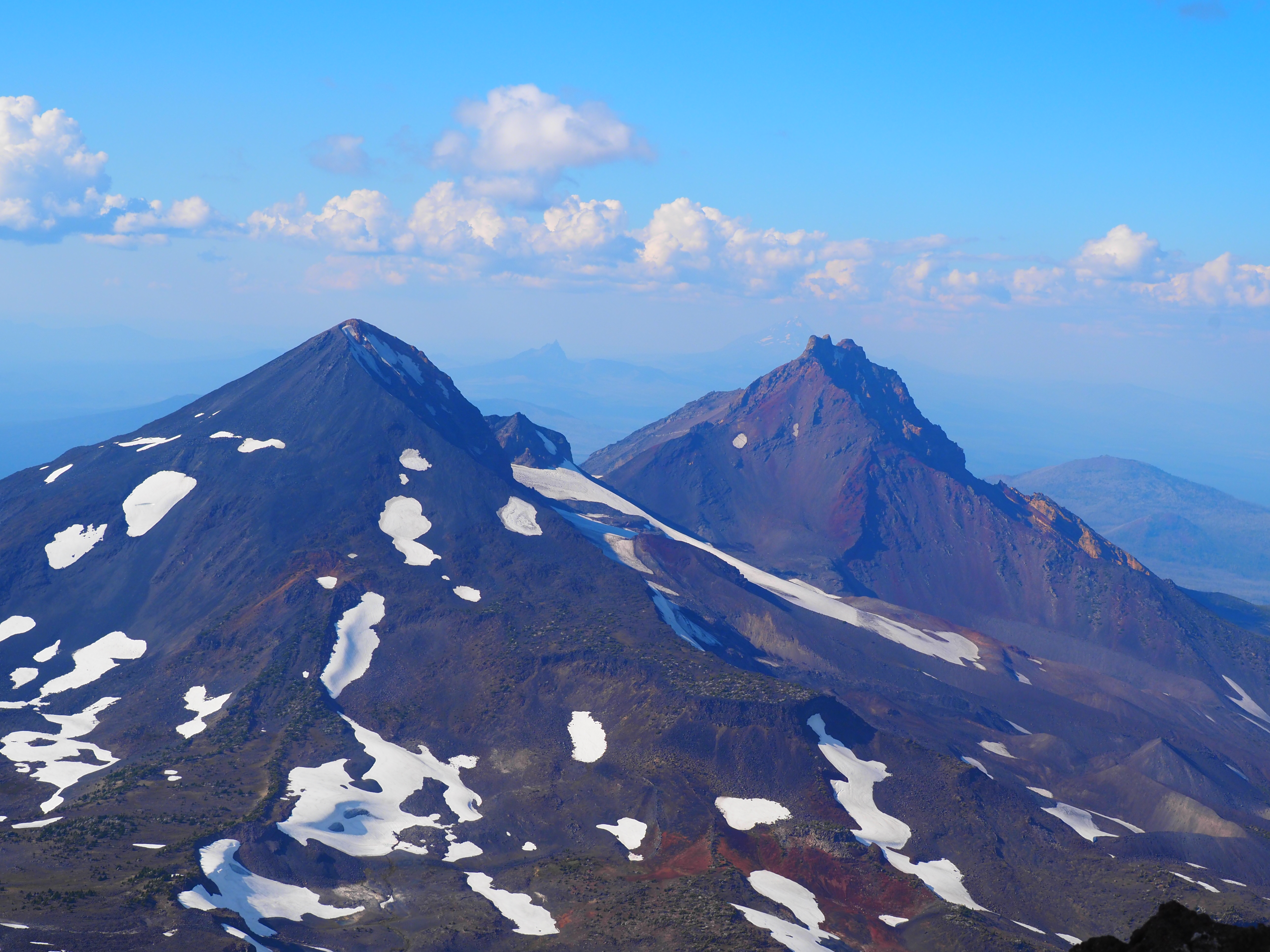
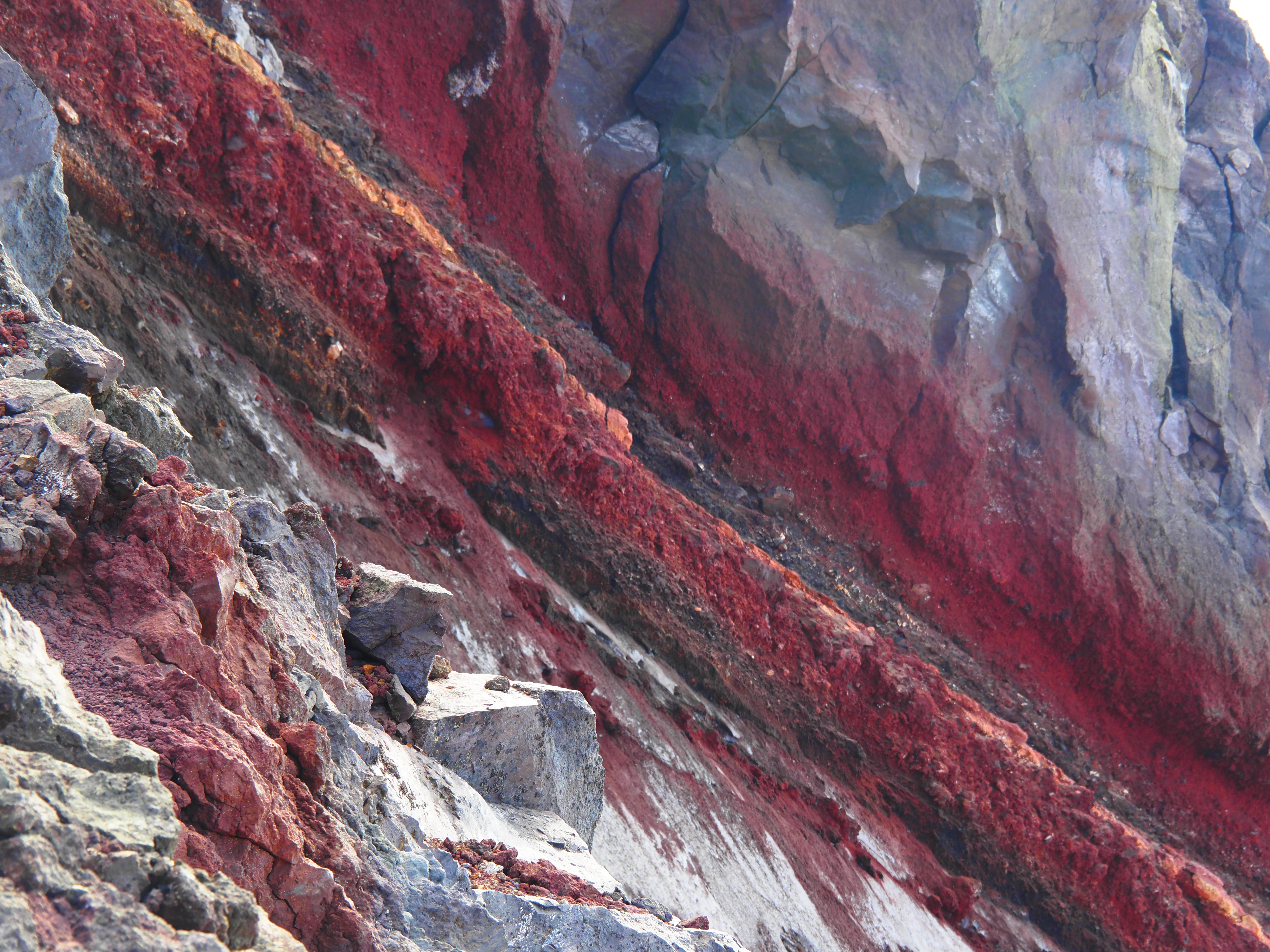
Jon Levenson, a professor of Hebrew Bible at Harvard School, said once that ‘geology is simply a visible form of theology.’ This came to me as I was making my way up the side of South Sister, a 10,358 foot peak in central Oregon. It was a tough climb Five hours straight up, through loose volcanic, rocky soil. And then four hours straight down. I did a lot of praying along the way.

All Trails is a cell phone app that offer guidance on thousands of hikes around the world. According to them, the South Sister climb takes an average of 11 hours. And they are very clear about the need to leave as early in the morning as possible; no later than 900am. I started at noon. And bring lots of water. And a flashlight. Yes on the water, but no on the flashlight, which left me wandering around in the dark at the bottom of the trail, desperately looking for the parking lot and frantically clicking our car’s key fob until I finally heard the faint beeping of the lock. But the stars were gorgeous.

The bible is full of mountain top experiences. Most famous perhaps is the revelation of God to Moses on Sinai (or perhaps it is more accurate to say the multiple revelations to Moses on Sinai). Out of this mysterious (and slightly terrifying) encounter comes the central act of formation of Israel as the people of God. The Sinai experience is certainly on the mind of the writer of Matthew’s gospel when he stitches together a compilation of Jesus’ teachings as Sermon on the Mount.

The theologian Belden Lane writes in his book, The Solace of Fierce Landscapes, that the pleasure in climbing a mountain does not always come in reaching the summit, but in ‘carrying on the task (of climbing) in the face of doubt’ about whether the summit will actually be reached or will ‘prove unattainable.’ The ‘human spirit,’ he concludes, ‘delights in the exercise of uncertainty.’ I think there’s something in that. There’s also something gracious in the company that is formed along the way. I was one of a number of people making their way up the mountain alone, and throughout the climb we would stop to rest and convince each other that we could do it, that we could reach the top.

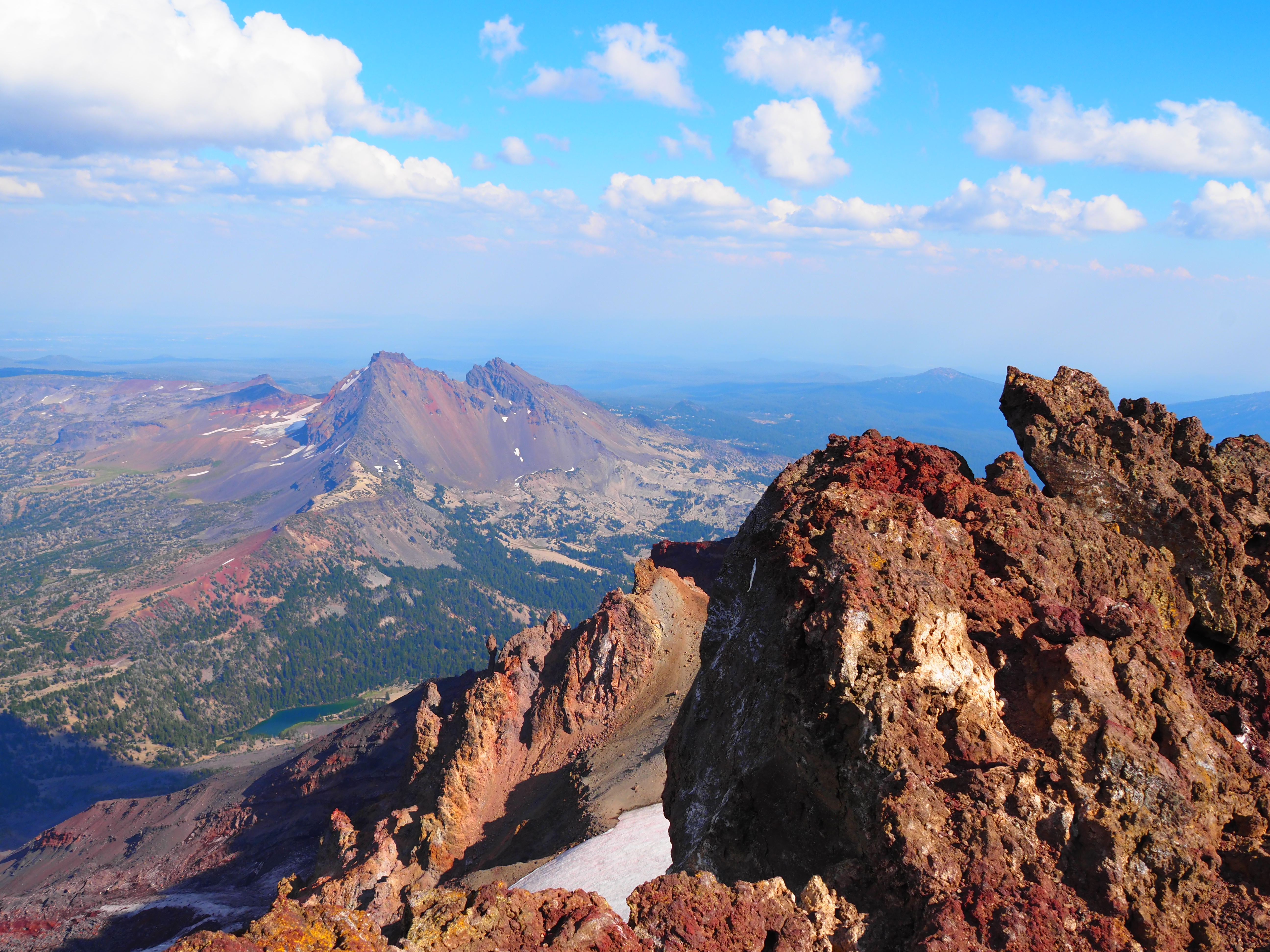
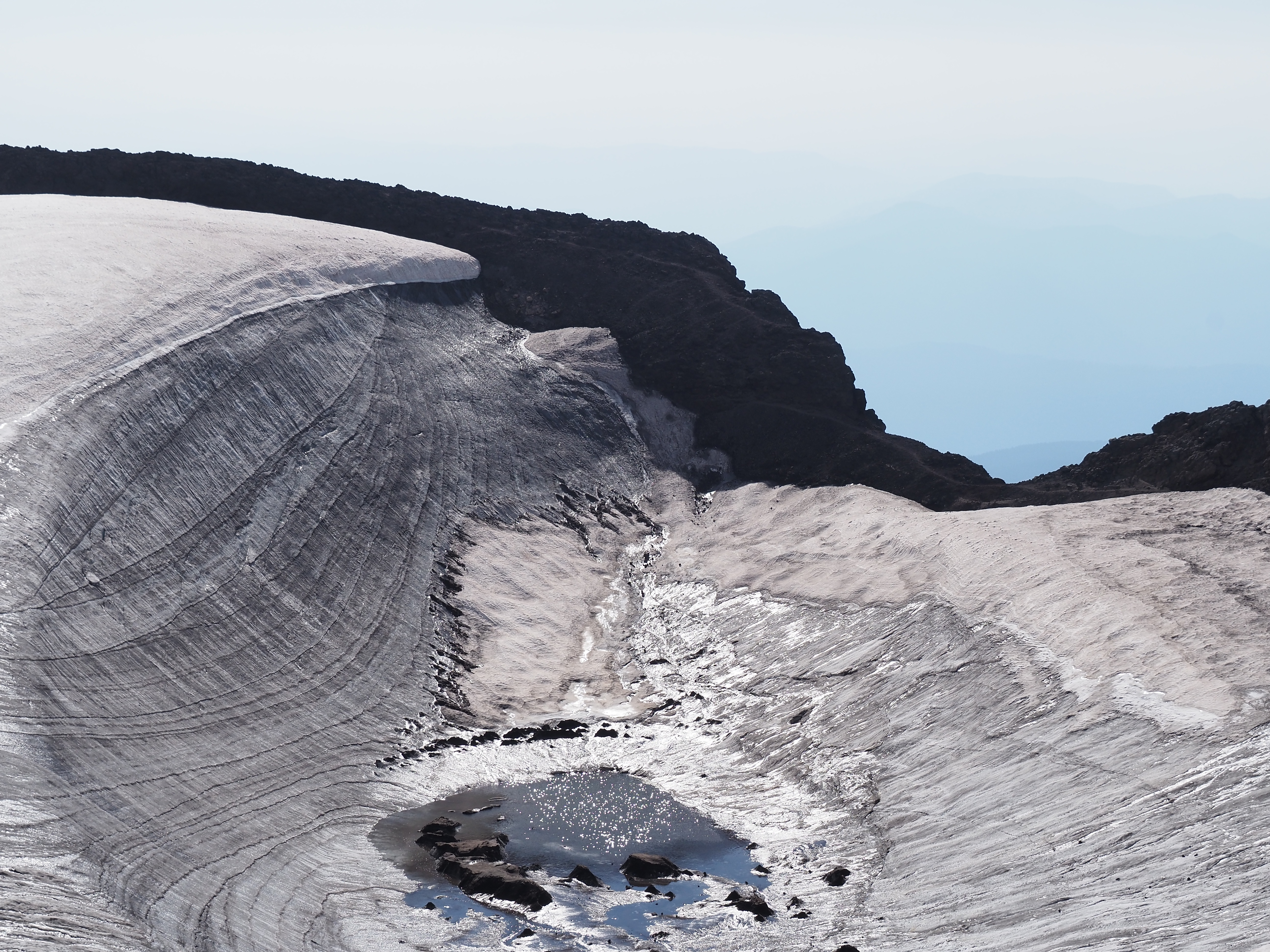
The climb was awful, but as the pictures below hopefully show, the view from the top was worth the effort.

Sabbatical Notes 2

I am indebted to Paula Page for the gift of John Steinbeck’s Travels with Charley. It’s a great book, even the dated parts. Steinbeck, towards the end of his life, determined to learn what he could about America, commissioned a special camper van (by writing directly to the chairman of General Motors or Ford), and took along as a traveling companion his French Poodle Charley.

At the start, Steinbeck reflects on the nature of the journey, writing “When I was very young and the urge to be someplace else was on me, I was assured by mature people that maturity would cure this itch. When years described me as mature, the remedy prescribed was middle age. In middle age I was assured that greater age would calm my fever and now that I am fifty-eight perhaps senility will do the job.”

It is impossible to escape notice that I am now fifty-eight myself, and much of the decision to spend this summer traveling from wilderness to wilderness amounts to what Steinbeck calls ‘the ancient shudder’ to be motion. For as long as I can remember, I would look out at some landscape, see a place on the horizon and think, ‘I want to go there.’ It amounts to a virus of restlessness (Steinbeck again).

Finally, here is Steinbeck’s reflection on the nature of the journey itself: “It has personality, temperament, and individuality. [It] is a person in itself. We find after years of struggle that we do not take the trip; a trips takes us.”

I can’t speculate on the truth of this for everyone; but it seems right to me. After two weeks at Ring Lake with Sarah and Holly, I dropped off at the airport in Jackson, Wyoming, and headed west through southern Idaho and then through eastern Oregon to camp for a few days in the Three Sisters Wilderness.

The pictures below are snapshots of the trip. The first is a picture of the Grand Tetons just before dawn. Below that is a picture of US highway 26, just before the John Day Fossil Beds in central Oregon. And then two pictures from the area around the Malheur Reservoir near Unity, Oregon. It is almost completely dried up now, a casualty of severe drought. Years ago, my parents would drive down from their home in Portland to watch migrating water fowl rest there. All that remains are abandoned public toilets, the ruins of boat ramps and swimming floats. And abandoned ranches. The whole landscape has a haunted feeling to it.

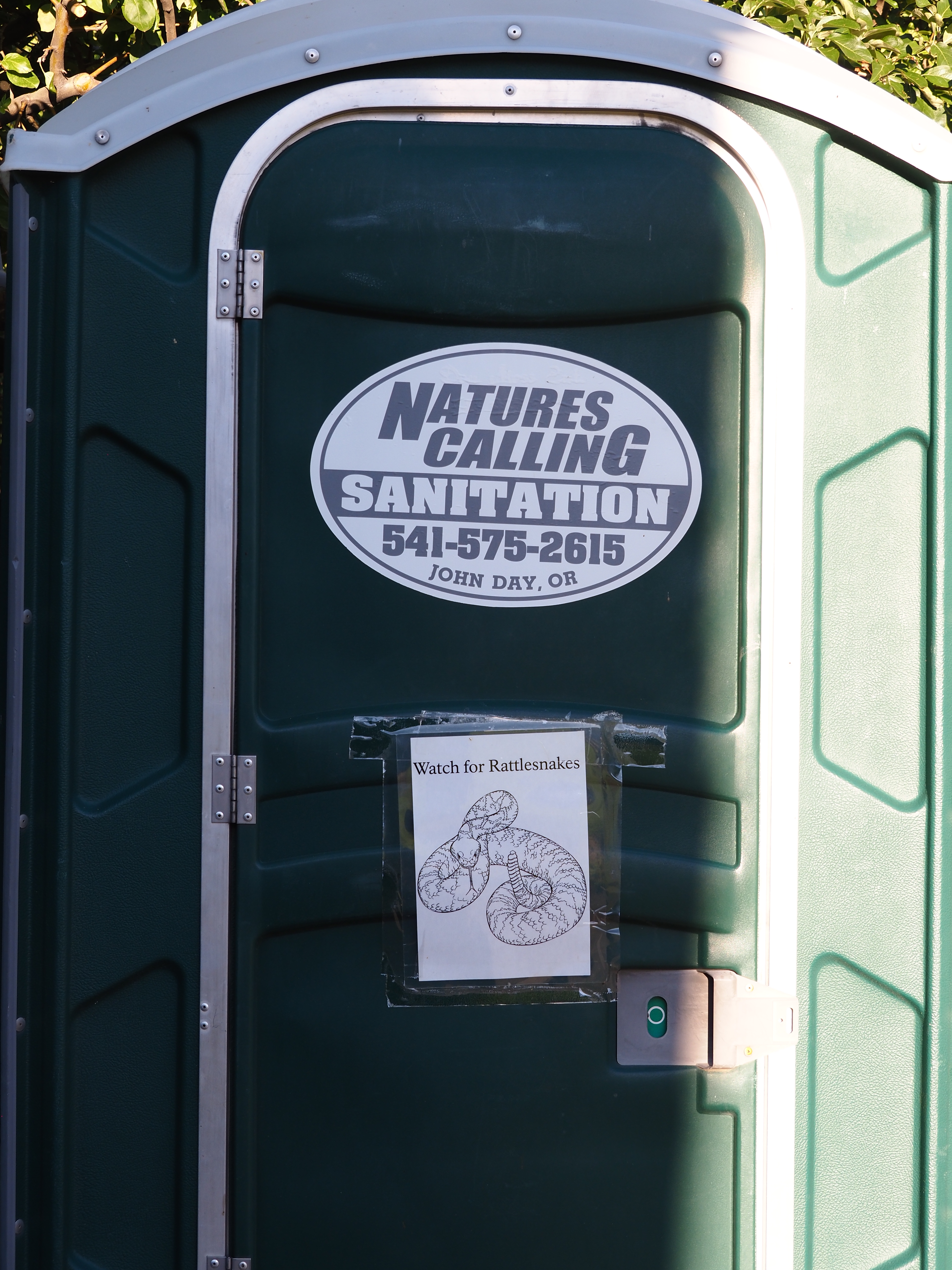
As something of an antidote to Malheur was the welcoming sign on an outhouse at the National Park Service’s Cant Farm in the John Day Fossil Beds National Park.

Day 2: The Three Sisters Wilderness

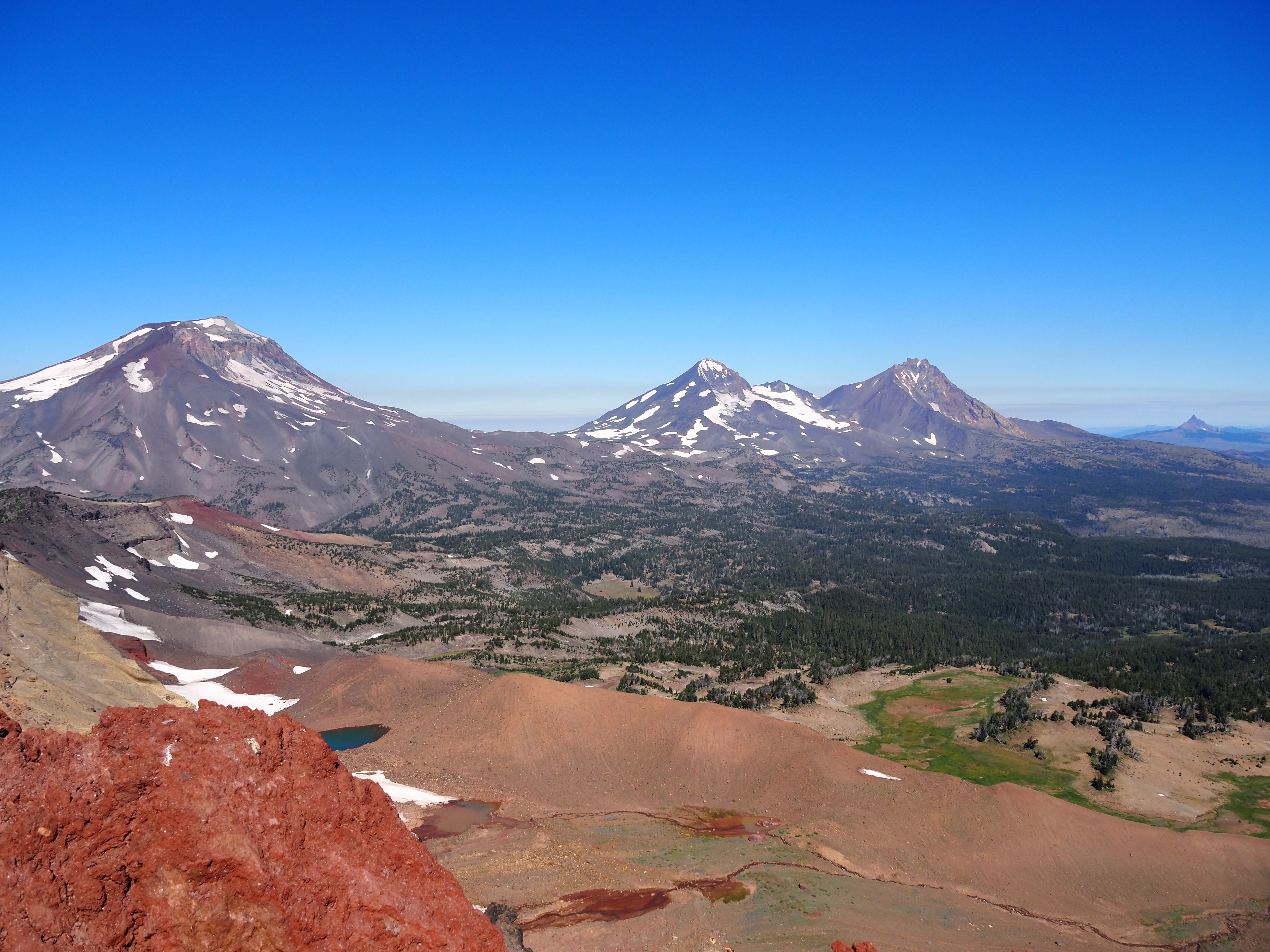
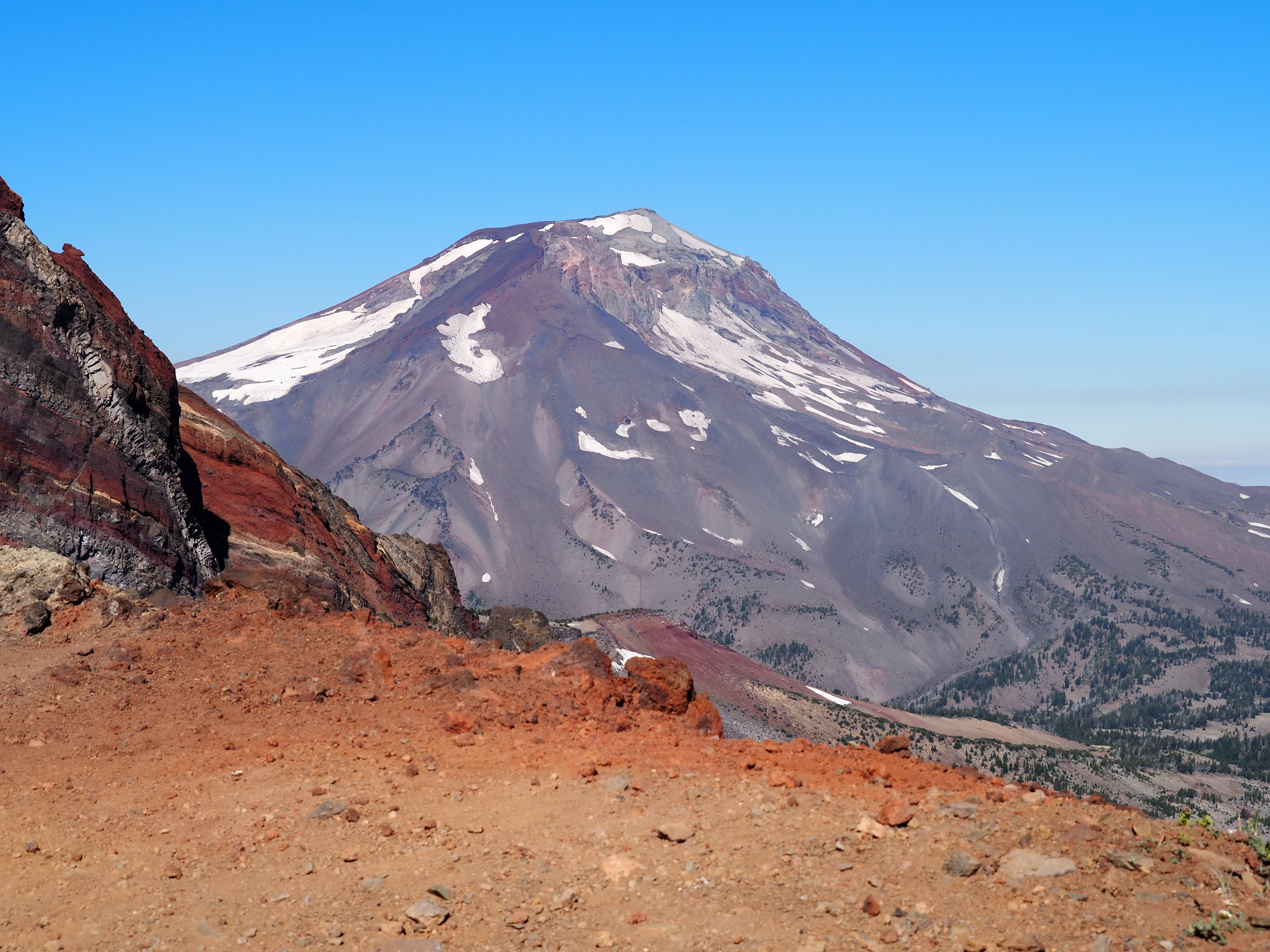
If you’re not familiar with the central and northern Cascades, they are a range of active, dormant and extinct volcanos that run from northern Washington through southern Oregon, meeting there the southern Cascades of California. For reference, Mount St. Helens of famous memory is a member of the central Cascade range. So are a range of extinct volcanos just west of the city of Bend, Oregon, called the Three Sisters – named with no particular thought to imagination, North, Middle and South (there’s also a peak named the Husband and one named the Boyfriend, but being considerably smaller and less majestic don’t typically warrant much attention).

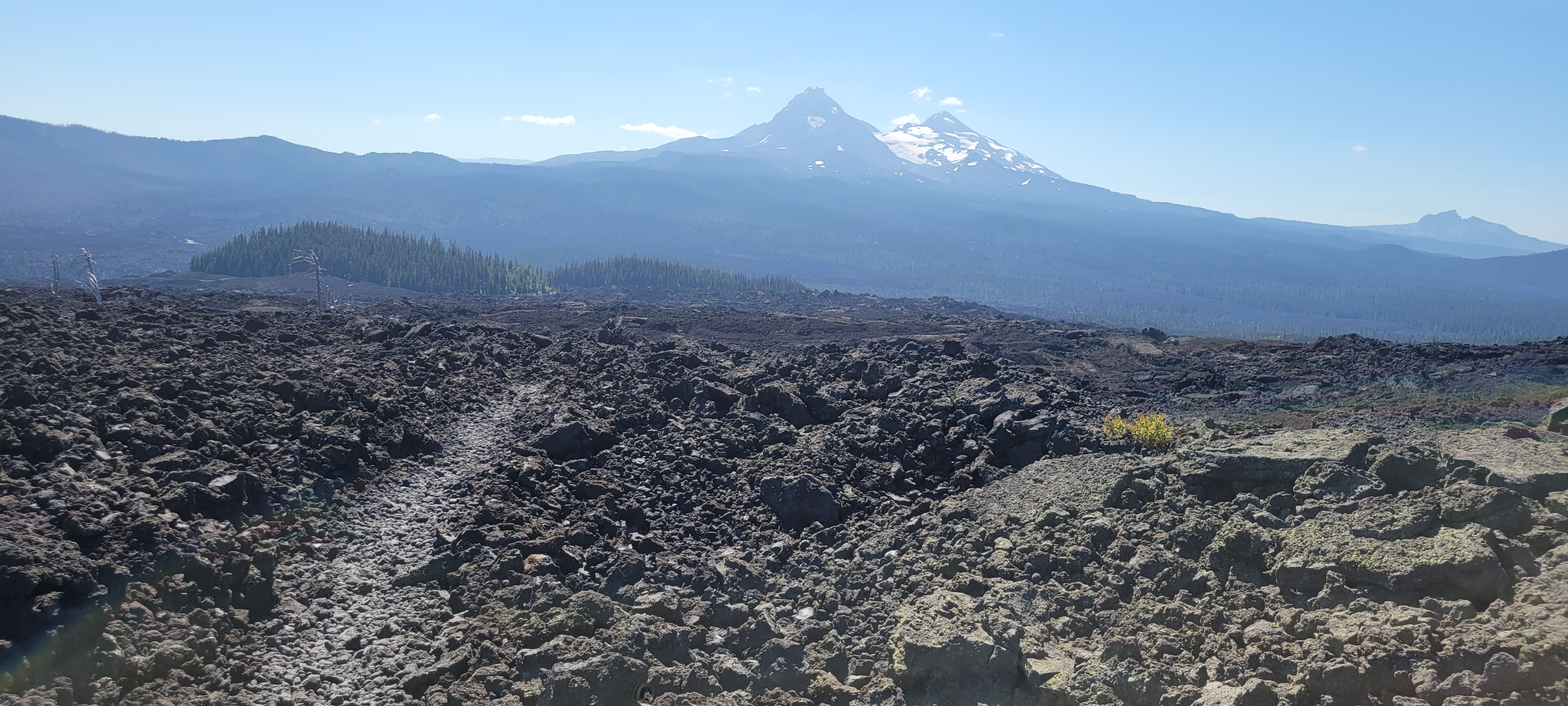
The Sisters rule over a landscape that has to be seen to be believed. The remnants of past eruptions have left rivers of lava covering acres and acres of ground. Truly astonishing is the fact that early settlers traveling the Oregon Trail made their way over what is now called McKenzie Pass into the Willamette Valley. It impoverishes the imagination to consider the feat of engineering required to carve out a road through miles of lava flow.

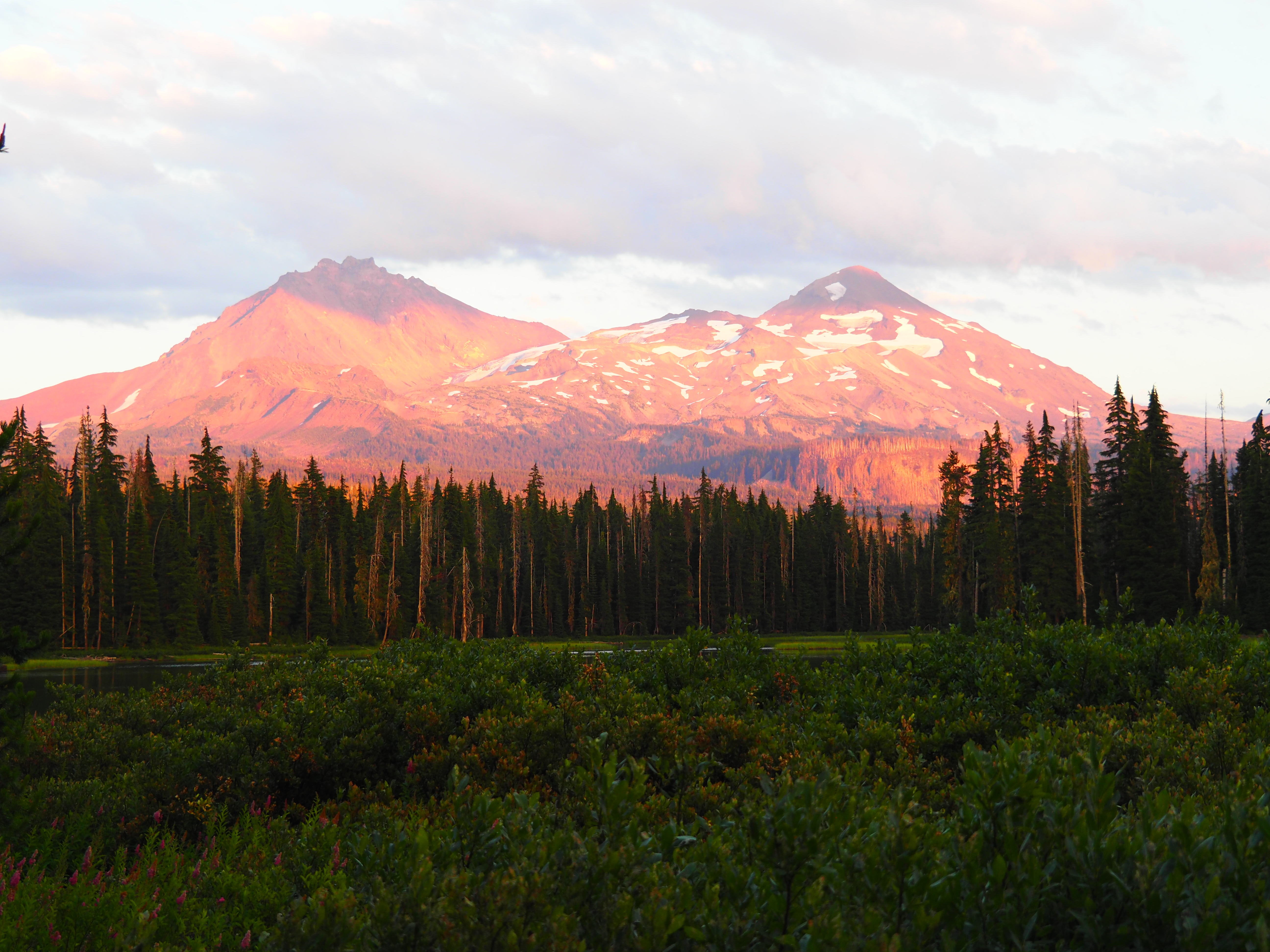
Below are pictures of the Three Sisters from both the east side and the west, along with some pictures of sunrise at Scott Lake, where I’ve been camping.

Day 3: Broken Top and No Name Lake

This was the first hike of the week. The trailhead starts at the end of the worst road I have ever been on (and not to suggest that bad roads and the developing world are synonymous, but the bad roads in Lesotho had absolutely nothing on bone jarring five miles the US Forest Service had stitched up the mountain).

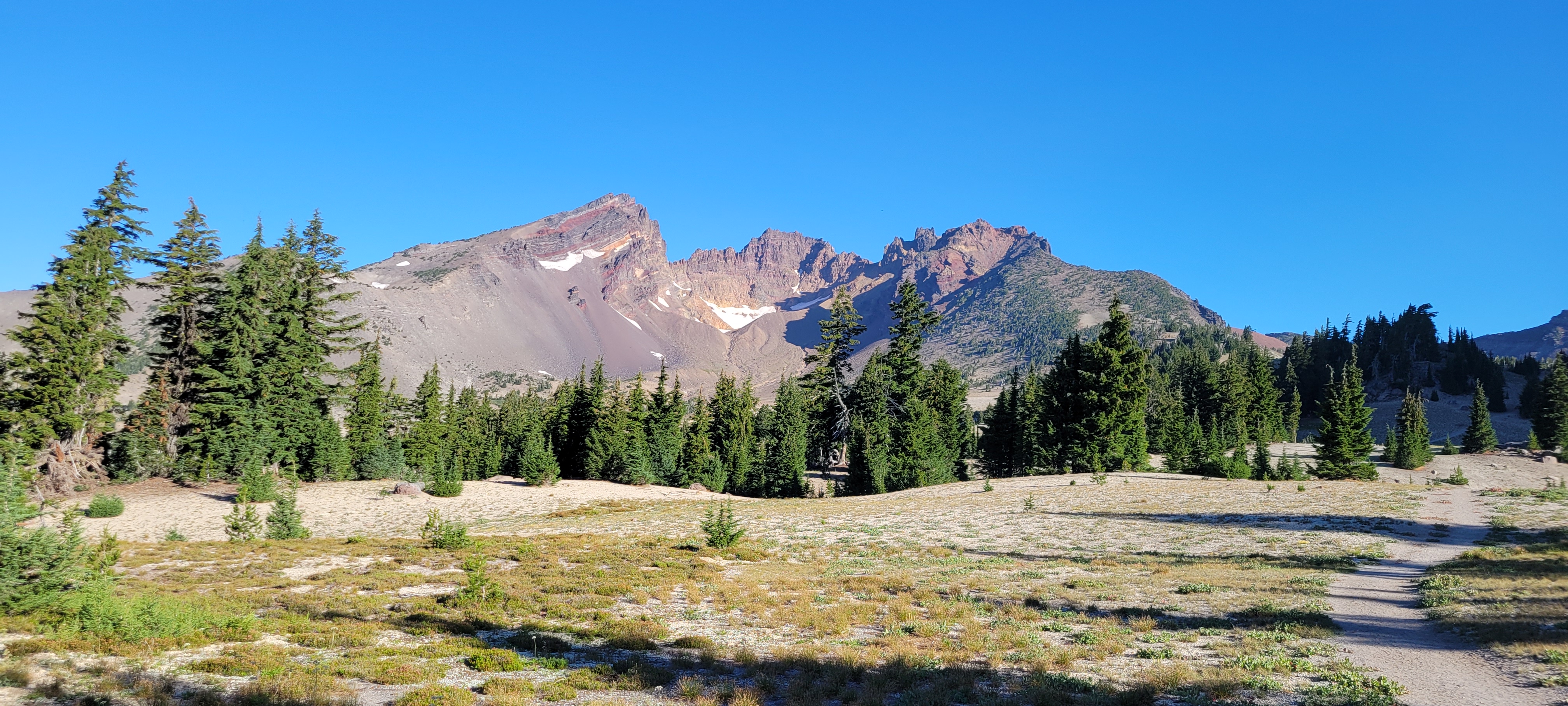
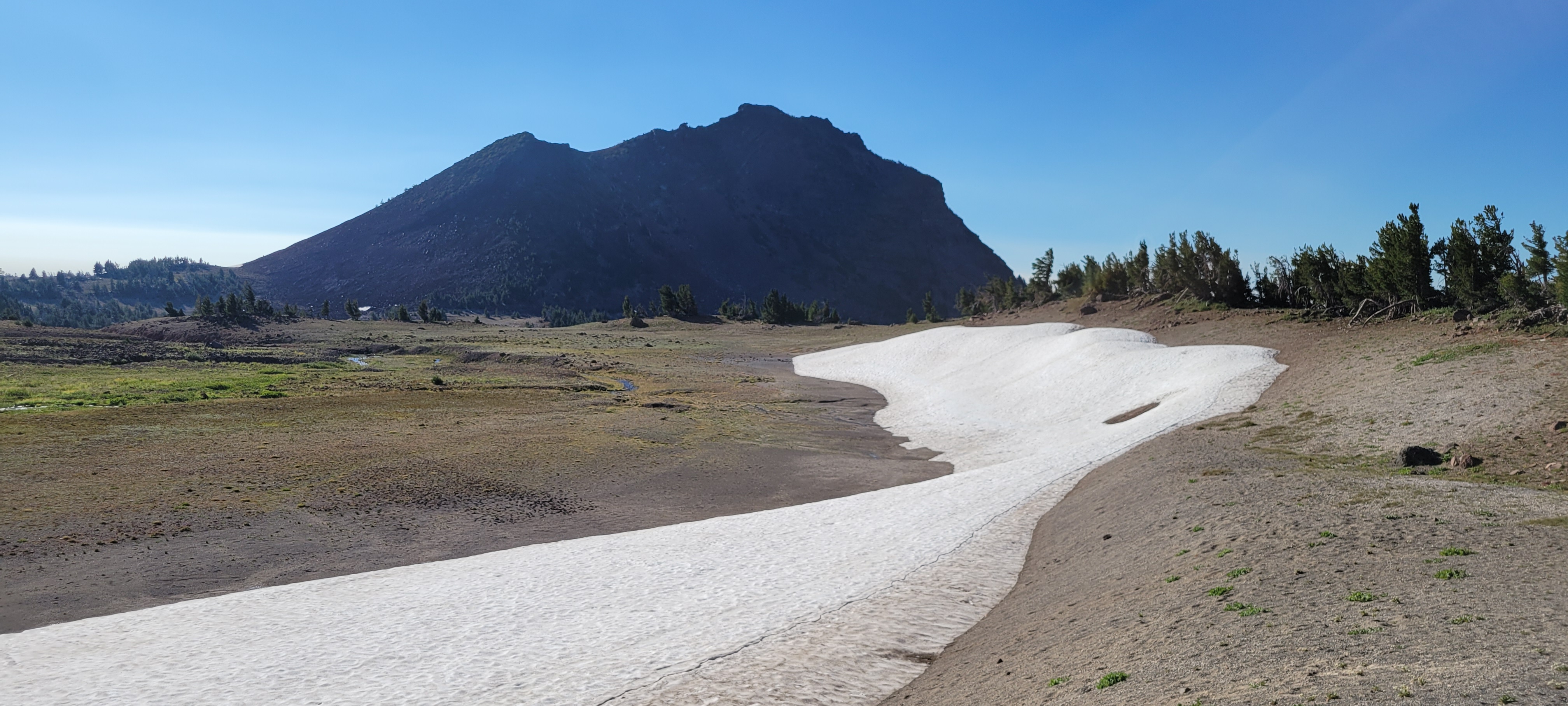
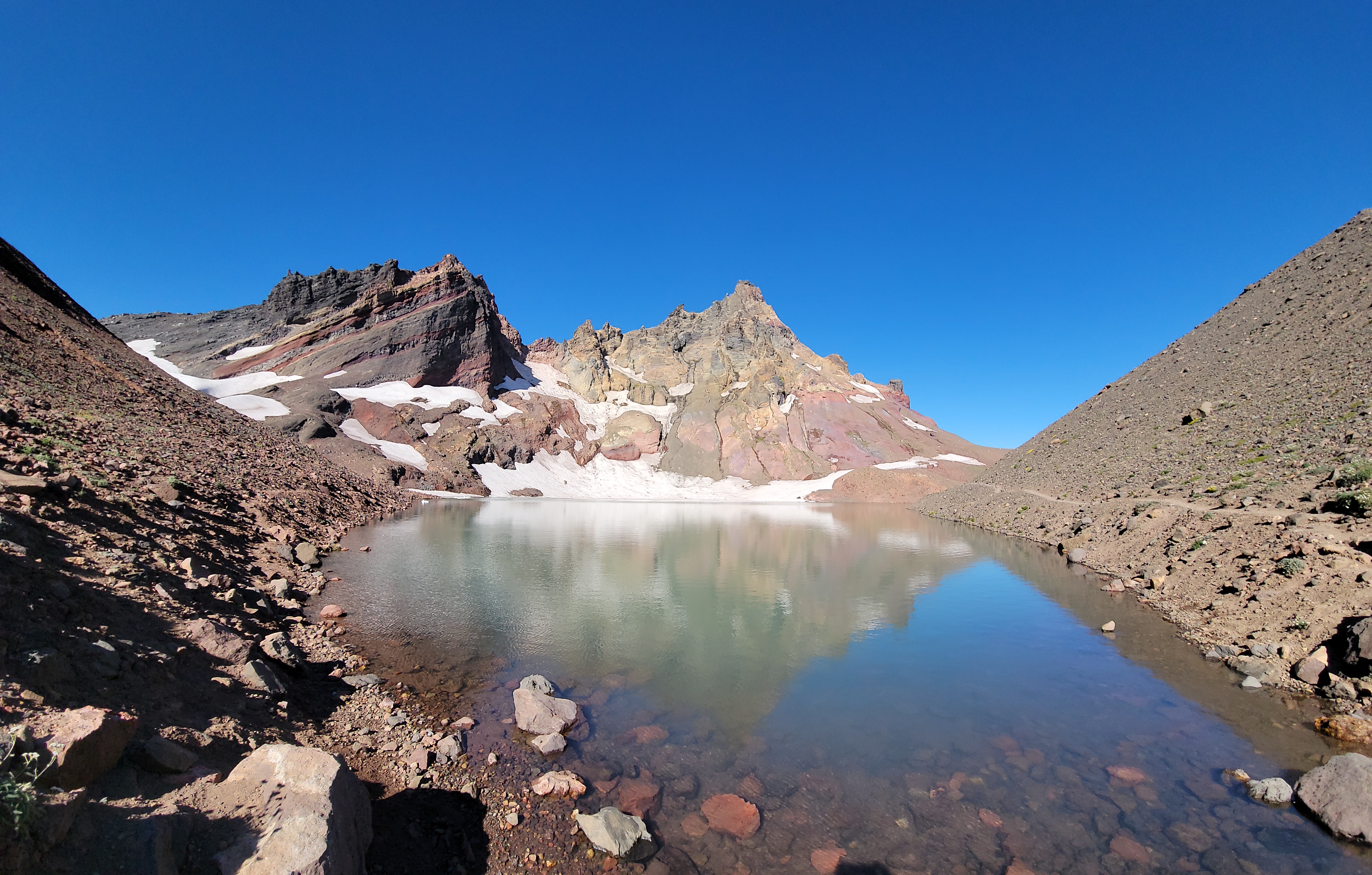
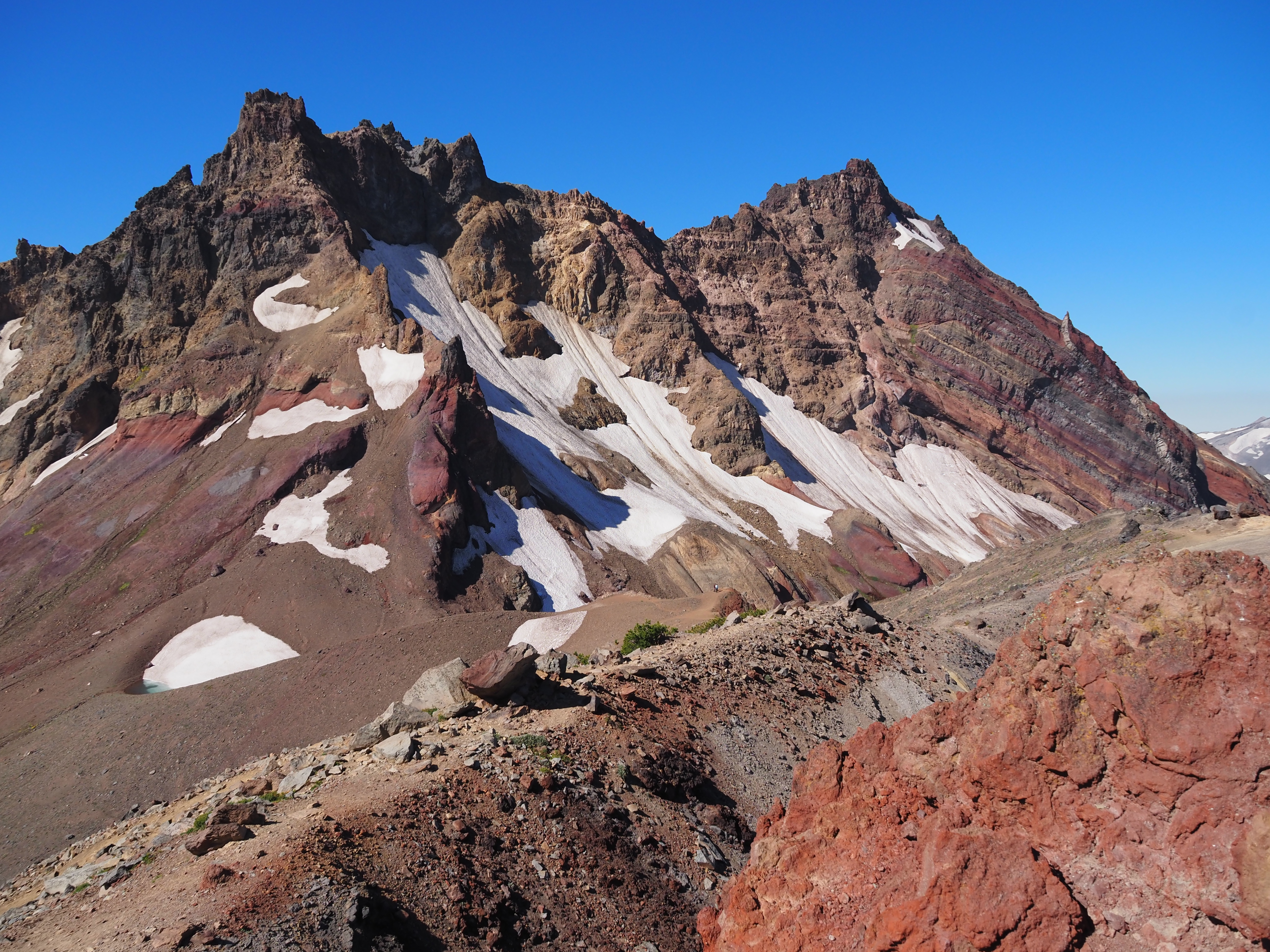
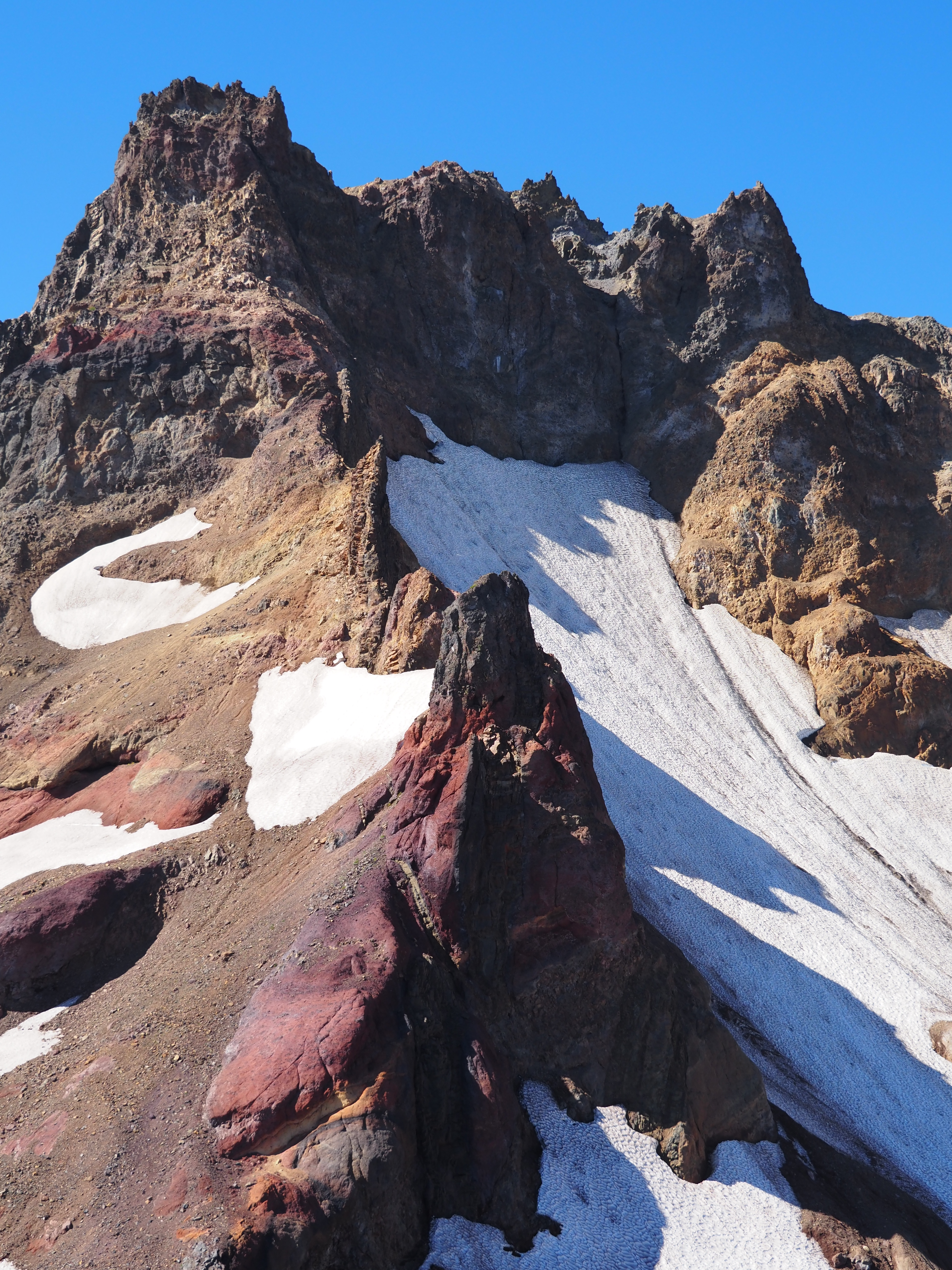
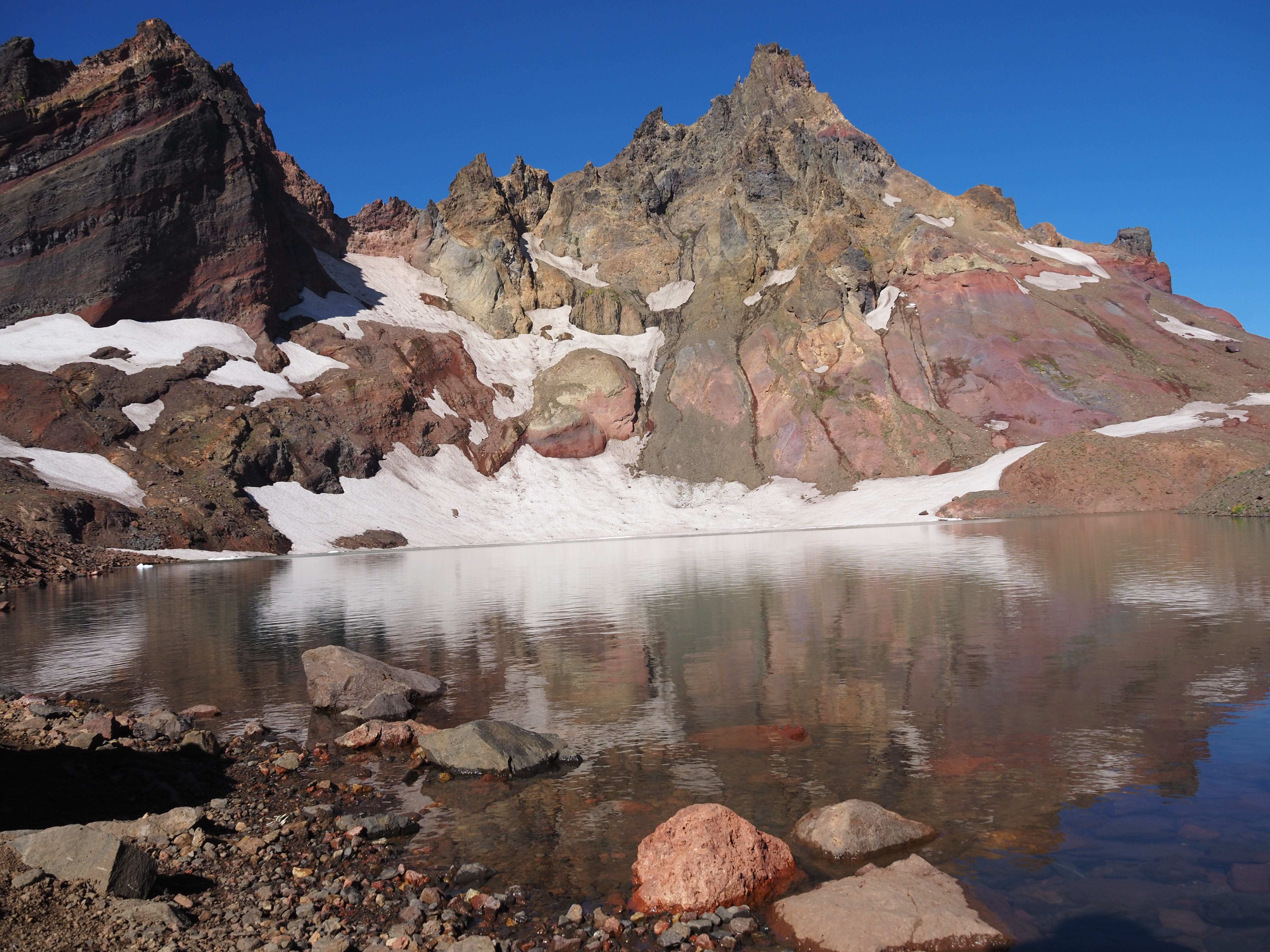
Anyway, it was a glorious hike. Broken Top is well-named. And the lake that sits below it is fed by a small glacier. At the far end of the lake, a trail leads up to the rim with views looking north to the Three Sisters range. The pictures below don’t really do it justice.

Day 4: Pacific Coast Trail & Belknap Crater

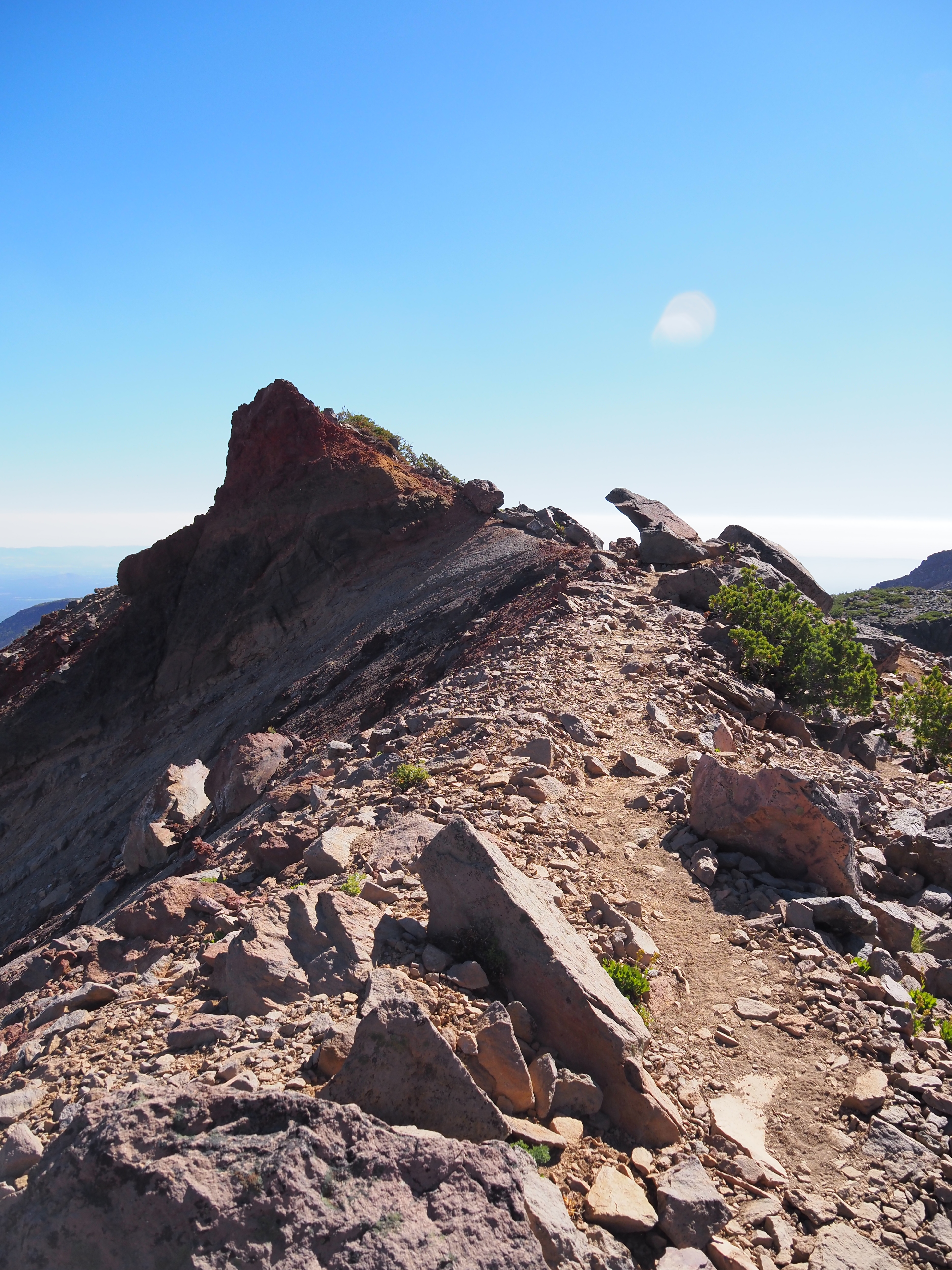
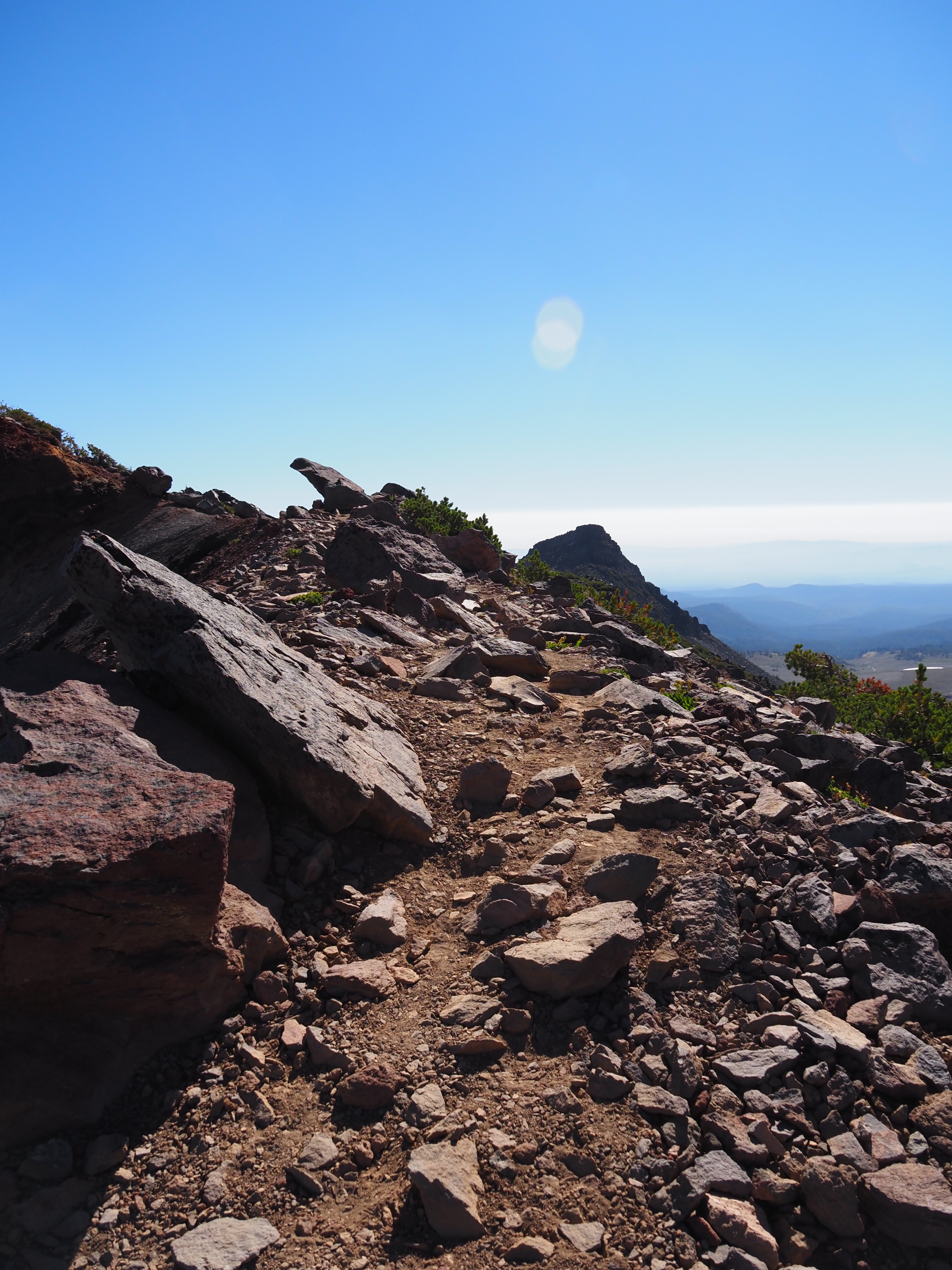
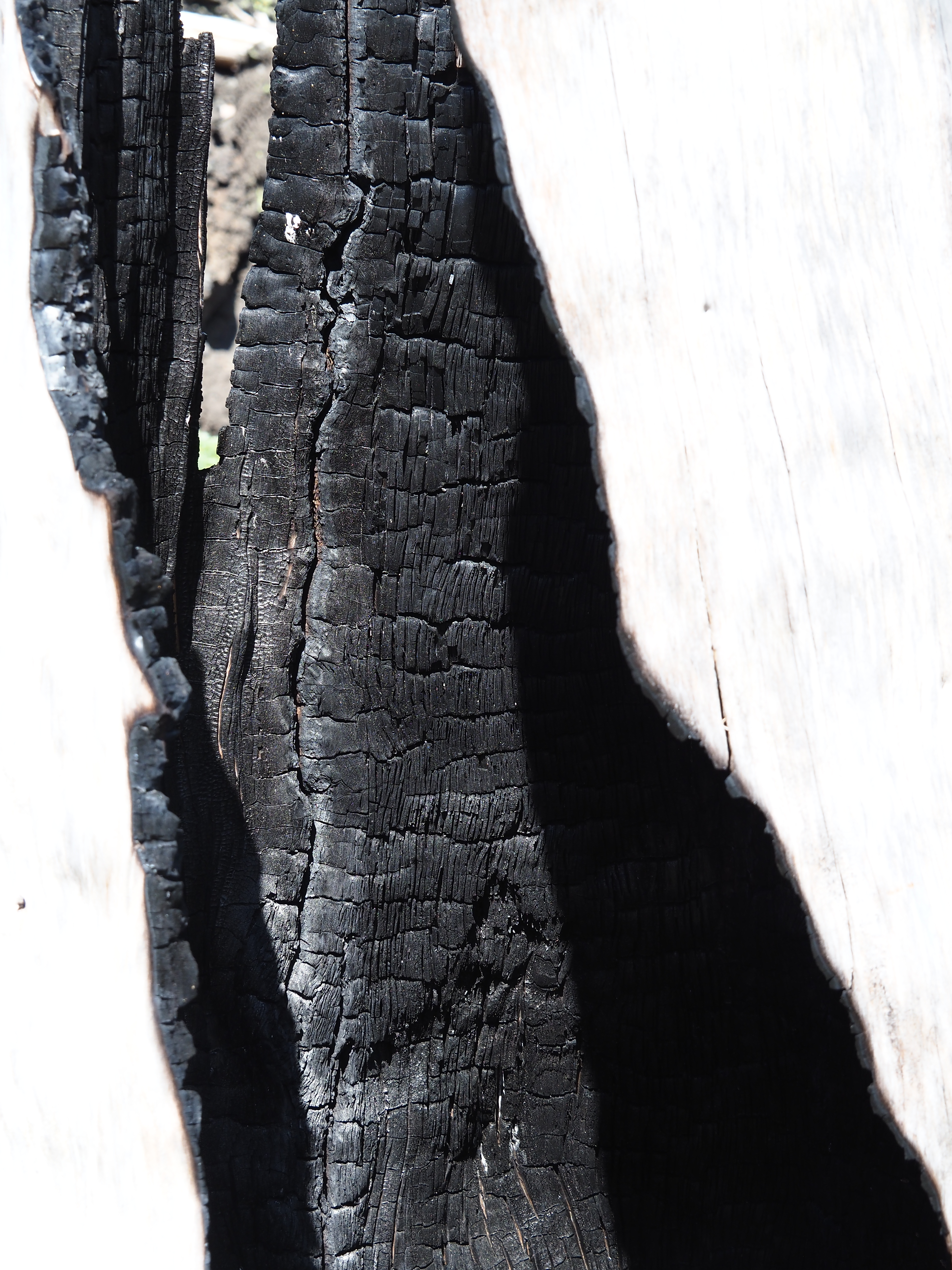
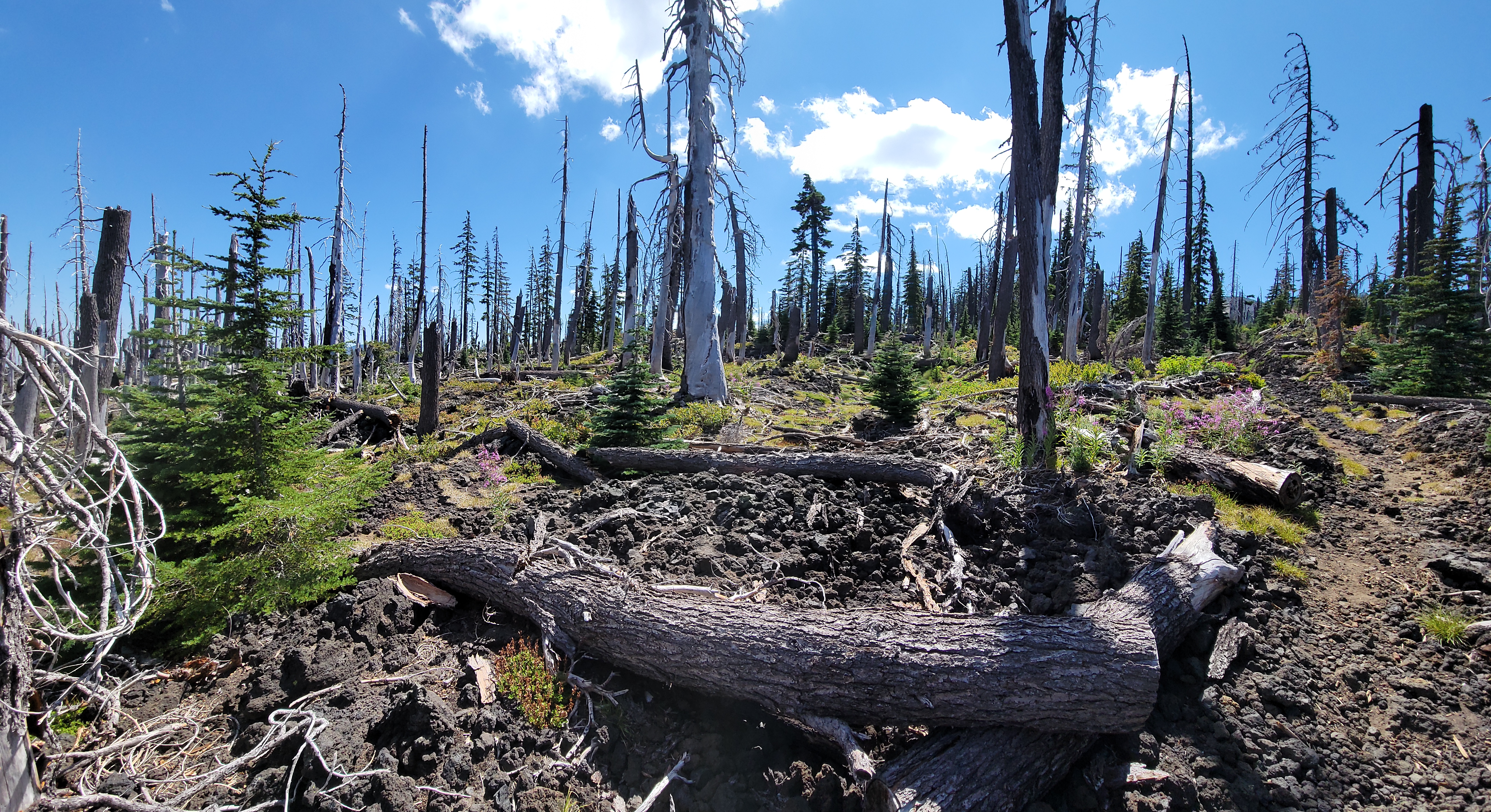
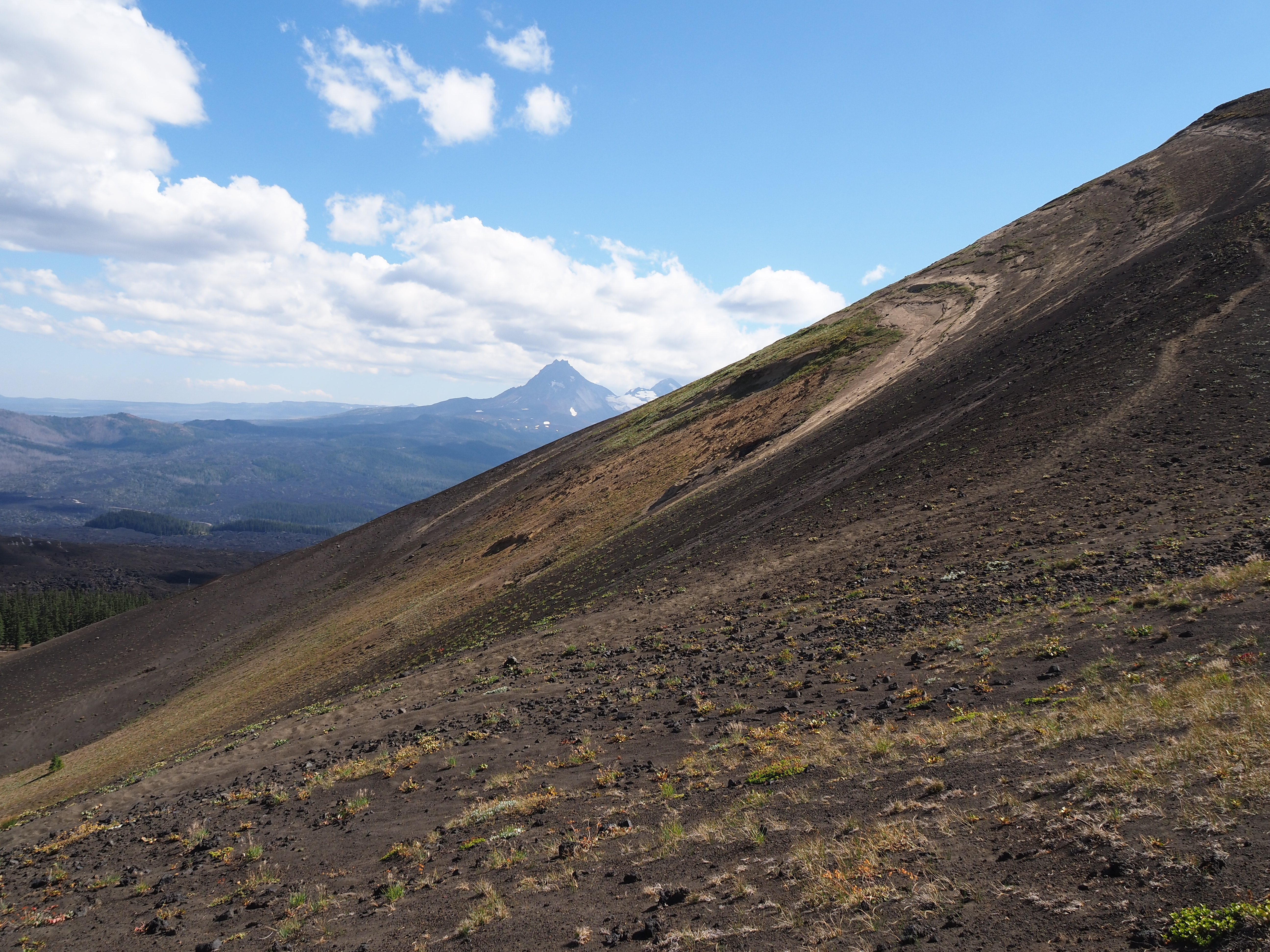
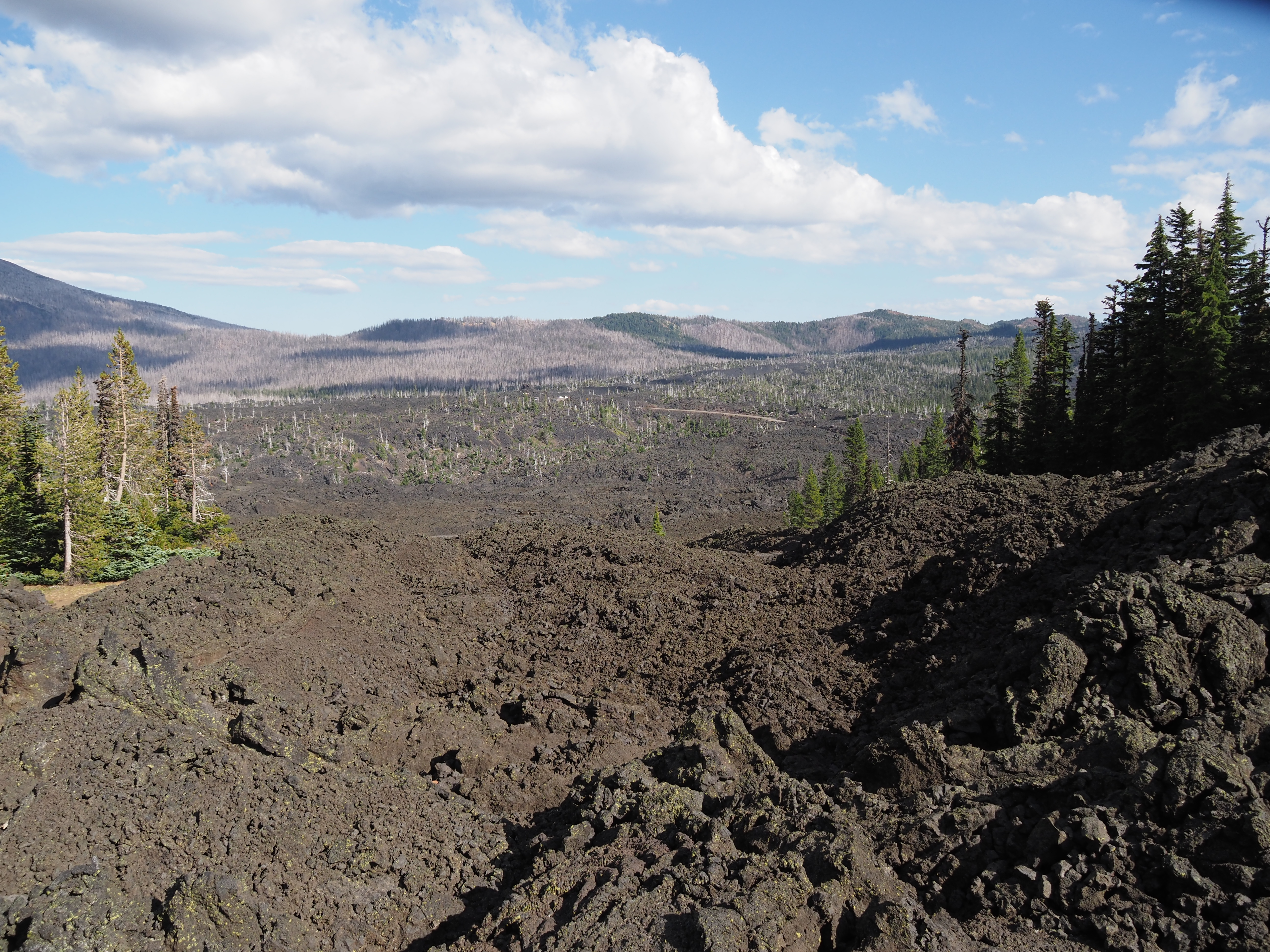
This hike began on the Pacific Coast Trail, just below McKenzie Pass. Again, it’s almost impossible to describe the landscape beyond saying it looks like an ocean of lava; or perhaps a river in flood might be better.

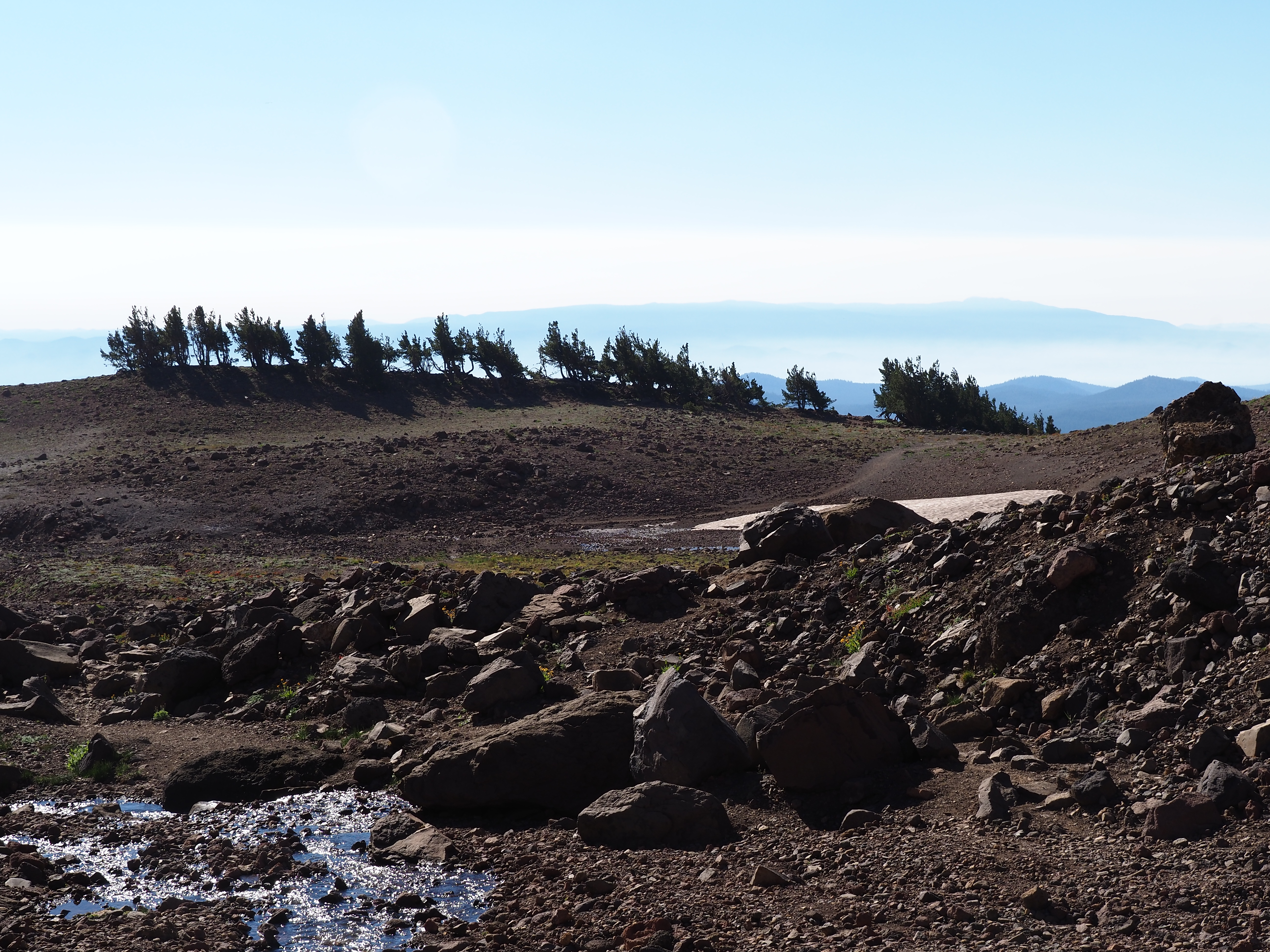
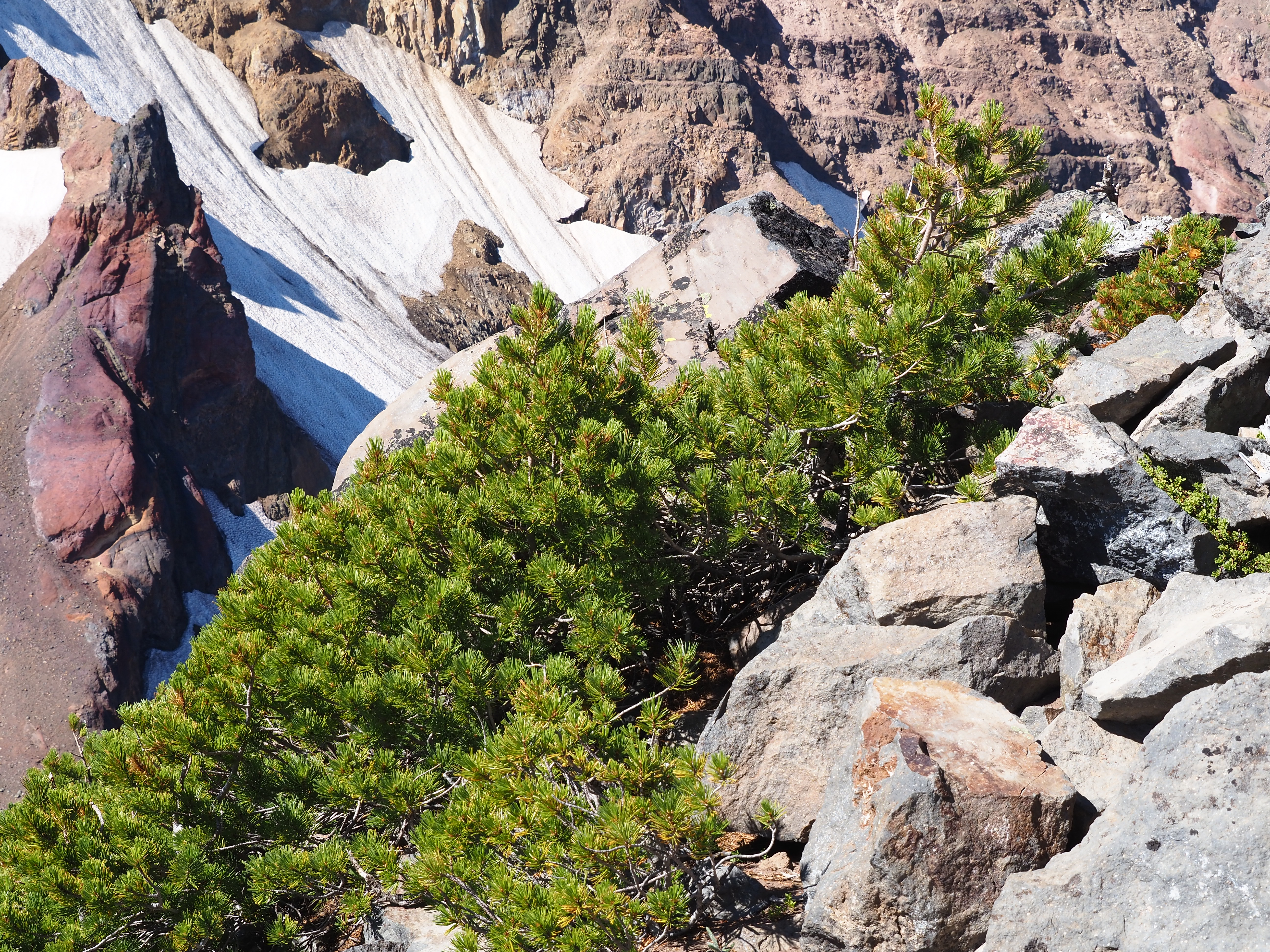
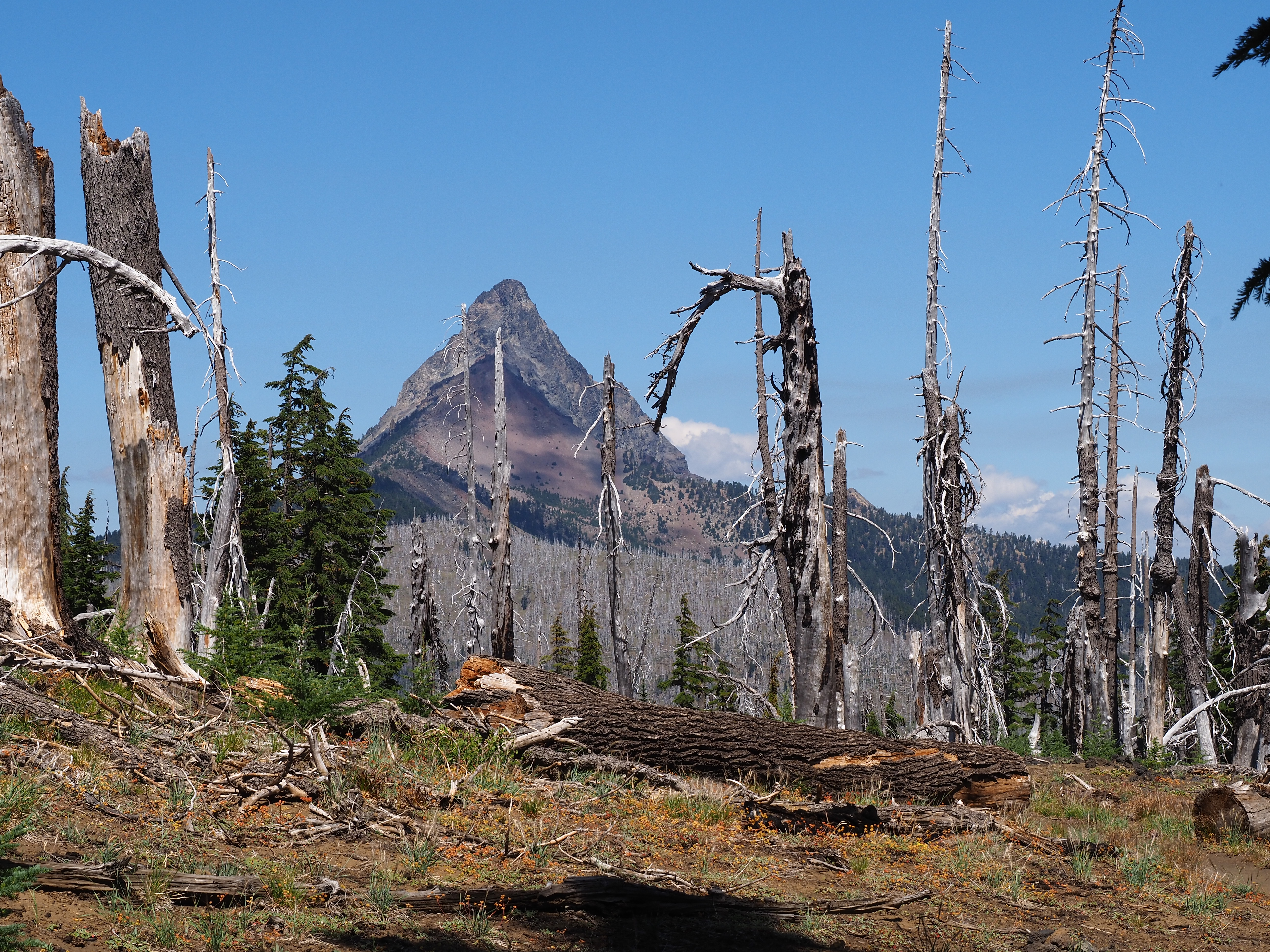
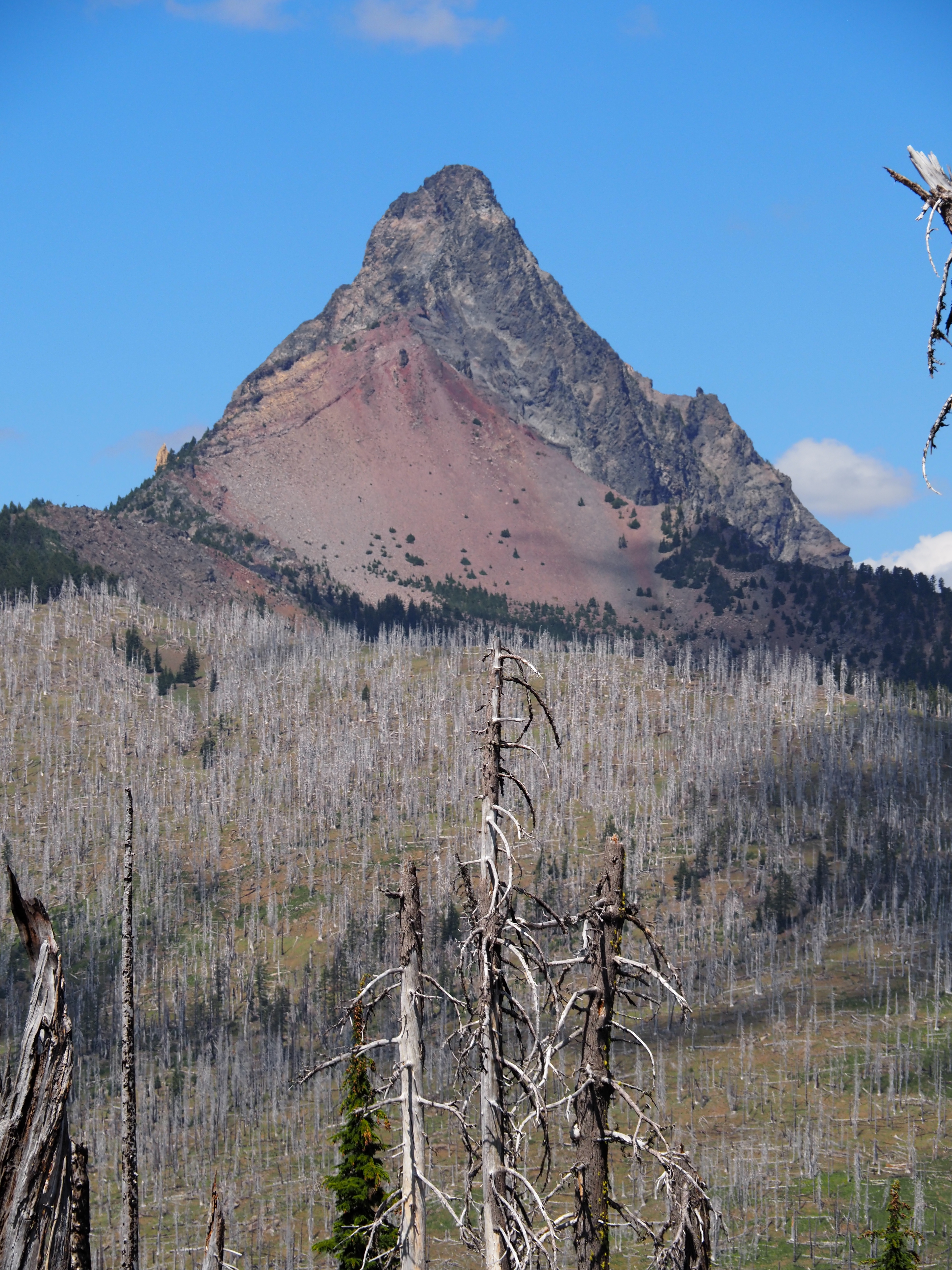
After walking a trail through the lava field for about an hour, you come out on a landscape wildflowers and pine forest. And then abruptly, the live trees give way to a vast area of forest recovering from extensive fire damage. The trail leads through this towards the Mount Washington Wilderness, which sort of looks like a less snowy Matterhorn.

The Belknap Crater is an extinct volcano which rises a couple of thousand feet above the lava field, on the west side of McKenzie Pass outside the town of Sisters, Oregon.

Mary & Joseph from Alabama

Two people came to the church this afternoon. Michelle and Andrew. They were looking for help with gas, to get them back home to Alabama. Or maybe some help having a new tire put on their truck. Another church they stopped at had purchased the tire for them. This seemed to be the way they were hoping to get home. Moving from one church to another.

They had moved in the spring from Alabama to Maine. They didn’t offer a reason and I didn’t ask. It’s New England, after all. Michelle thought it would be a good idea. But Andrew admitted that they hadn’t really thought it out too much. She had cancer. The move hadn’t worked out to well. He hadn’t prepared really well. He repeated that twice, more for his own benefit than for mine, perhaps.

Andrew kept talking about how cold it was in Maine. This was December, I said. And Connecticut. You should be here in January or February. He kept going back to the cold, two or three times; but by the second it was clear he wasn’t talking about the temperature. It was another kind of coldness that had him stuck; one that seemed to have crept into the world while he wasn’t looking.

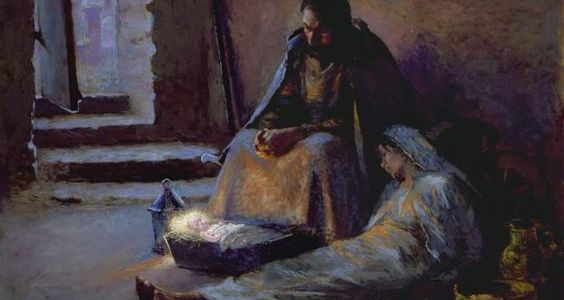
And for the brief time we visited, in the Church Parlor, designed for brides in the old days when the wedding chapel was still in use. So I couldn’t help but think of Mary and Joseph at the Inn. Which was not really an inn, probably; at least not in the sense we think of it. But it doesn’t matter, of course. Inn or house or stable. It was cold. They were exhausted. She was pregnant; not really the same as cancer, but in those days childbirth carried pretty much the same risk.

And Andrew and Michelle were just beat up enough and worn out enough and wanting so much to be home, in the warmth of the Gulf Coast sun. And they hoped that someone could get them a little closer to the sun, to the warmth, to home.

And so I got them some gas. It was all over in 15 or 20 minutes.

And then they were gone. And almost the moment after they left, I thought, ‘you should have visited longer with them. Kept them there in the Parlor and listened a little more; offered them coffee, hot chocolate, something; given them a chance to sit and get warm before going out for the gas.’

But there was a phone call to make. A family with COVID. And a note to finish: thank you for your pledge this year, or worshipping with us this past Sunday. And emails. And this and that. So just get them some gas and wish them well on their journey home.

And send them on their way.

And then I thought about the Innkeeper. Not a biblical figure, of course; a necessary fiction to fill out the cast of the Pageant. And not the plumb role, either. Sometimes the shy child, the one comfortable enough to emerge briefly from behind the curtain, give a quick jerk of the thumb to indicate something out back before retreating quickly to safety.

Still, it was the Innkeeper who gave them a place to stay, Mary and Joseph, who wandered into Bethlehem from the provinces, weary and looking for a room, for warmth. Bethlehem, Bet Lehem in Aramaic, ‘House of Bread’, apparently; sparking some connection to hospitality. And it was the Innkeeper, in our minds and memory, who gives Jesus a place to be born. Even if it is with the animals.

So that’s something. Right?

But I wonder if he or she could’ve done more. If only he wasn’t so quick to retreat behind the curtain, so quick to get back to work, so quick to worry about distractions, then maybe he would’ve seen something behind the grime and exhaustion, something that transcended the presumed order of things, something that would have reminded him that there was something here for him as well, a reminder of what it meant to human without distraction. I wonder now, if at some point in the night or the next day, he or she stopped and thought, “I wonder what I missed.”

There was something there, after all, in the lament over the cold, something yearning and hopeful for welcome. Something that while grateful for the gas, for the passing kindness, was looking for something more. For something humans can be for one another. For warmth.

Securing Welcome

Salt 2John said to him, ‘Teacher, we saw someone casting out demons in your name, and we tried to stop him<a, because he was not following us.’ But Jesus said, ‘Do not stop him; for no one who performs a miracle in my name will be able soon afterwards to speak evil of me.  

Mark 9.38-39

It is not always an easy or simply thing to look out at the world with a welcoming eye. We humans like the security we find in the familiar; in faces that resemble our own or places that reflect our own sense of ourselves. Perhaps it’s something written into our social DNA, a remnant of a time when we were surrounded by very real threats to our existence, like lions. So making our homes among the familiar calls up that ancient need to be safe.

And one way we humans believe we are being safe is to be very careful about who we welcome in the midst of our lives. That issue is very clearly on the mind of the writer of Mark’s gospel. So is the issue of security; especially given the precarious nature of life in his time, caught up as he was in the cataclysmic violence of the Jewish revolt against Rome, which lasted from 66-73CE. So perhaps we should not be surprised when we hear the disciples running to Jesus boasting of how they drove off someone healing in his name, even though he was not a part of their circle. The roots of denominational squabbles and church conflict are ancient, it seems; and they run deep.

And it is not sufficient for faithful readers of the gospel to excuse ourselves from this sort of behavior; because the writer of Mark is not merely narrating an historical event in the life of Christ. He is commenting on the life of the church; and the chronic problem we Christians have of claiming the authority of the gospel for ourselves, to support our opinions, to endorse our claims. Jesus reminds us that our true lives, and our ultimate security actually lie in our sense of solidarity with the people around us. Only by being salt for he world, only through the welcoming embrace of others can we truly ensure our own well-being and faithfully live into the promise God holds out for all of us.

Scarcity & Hope

Feeding the 5000  When he looked up and saw a large crowd coming towards him, Jesus said to Philip, ‘Where are we to buy bread for these people to eat?’ He said this to test him, for he himself knew what he was going to do. Philip answered him, ‘Six months’ wages* would not buy enough bread for each of them to get a little.”                                             John 6.5-7

Why is it that the servants just don’t seem to get it? It always seems to be the case in scripture (whether the first testament or the last), that those closest to the workings of God in the world are the ones who repeatedly fail to get the word.

Perhaps like many people of faith today, they are ruled by personal expectations of who God should serve or welcome or love. Perhaps they just struggle to get out of their own way and allow God the freedom to operate as God would choose.

In the passage from John’s gospel that we will hear on Sunday, Jesus is surrounded by a waiting and expectant crowd, drawn to him by the great work he has done among the sick and suffering. As night falls, Jesus asks his disciple Philip, where are we going to find bread for these people? It is a test, of course; and of course, Philip doesn’t exactly ace it.

Half a year’s wages wouldn’t begin to provide enough for all these people, he warns. Another disciples chimes in that there’s a kid here with 5 loaves of bread and a couple of fish. You know the rest of the story: 5000 people are fed; and there were 12 baskets of leftovers. Everyone cries out, ‘there is a prophet among us,’ which really means that they have been in the presence of the word of God.

You need this prophetic voice to articulate a different way of looking at the world and the possibilities it contains. Philip isn’t really a failed disciple; he is merely a human being, and like all of us, he falls victim to the human inclination to see the world and his place in it as limited. The action of Jesus addresses a real, human need: hungry people are fed. But beyond addressing that immediate need, Jesus does something else that carries far beyond that hillside and that gathering: he invests the people of God with the capacity to see the world in a radically different way. Through the eye of God, we are invited to see the world as filled with promise and possibility bestowed by God’s creating and redeeming love, not as limited by our own notions of scarcity. This sense of promise and possibility, the Christian witness calls hope; and it reminds us always that we are children of God whose gaze is always on the promise of a future abundant in blessing.

Range of Motion

II Samuel 7.1-7

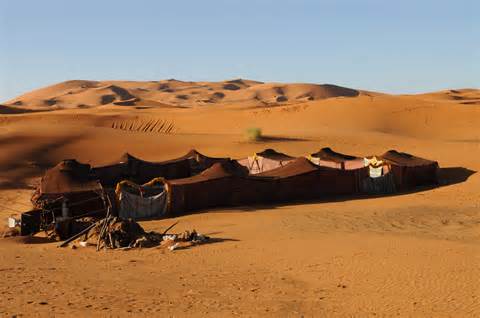
   Now when the king was settled in his palace, and the LORD had given him rest from all his enemies around him, the king said to the prophet Nathan, ‘See now, I am living in a house of cedar, but the ark of God stays in a tent within curtains.’ Nathan said to the king, ‘Go, do all that you have in mind; for the LORD is with you.’  Tent in the Wilderness 1

    But that same night the word of the LORD came to Nathan: Go and tell my servant David: ‘Thus says the LORD: Are you the one to build me a house to live in? I have not lived in a house since the day I brought up the people of Israel from Egypt to this day, but I have been moving about in a tent and a tabernacle. ‘Wherever I have moved about among all the people of Israel, did I ever speak a word with any of the tribal leaders of Israel, whom I commanded to shepherd my people Israel, saying, “Why have you not built me a house of cedar?”

Freedom

I have been thinking a great deal over the past week or so about the nature of freedom and autonomy, specifically as it relates to our understanding of God. In part because of this wonderful story from the life of King David; but also because for the last week or so, we’ve been reading C.S. Lewis’ ‘The Lion, the Witch and the Wardrobe’ at what we optimistically call ‘bedtime’ in our household.

As freedom and choice and responsibility is very much at the heart of Lewis’ story, it makes a great deal of sense for Sarah and I to be reading it with our children at that time of the day when freedom (in their minds) seems most under threat.

The whole process begins around 700pm, when we make what seems to our adult minds the rational request to start cleaning up, putting on pajamas, brushing teeth; all of which present a dire threat to their much cherished freedom, especially during summer vacation. But the process proceeds and finally we settle down to read for a few minutes. After which the negotiations begin in earnest. Can I stay up longer? I’m afraid of the clown under my bed. I’m not tired (my personal favorite, generally spoken through a deep yawn). We can’t help but be impressed by the inventiveness.

The struggle notwithstanding, our children display that commendable restlessness of creatures that still have so much of the world to explore, so much to learn, so much to wrap their lives around. They rage against the close of day, I suspect, because it seems to them that night robs them of some invaluable opportunity, some freedom of movement that cannot be claimed the following day.

It’s the glory of youth, of course, to exult in freedom; and perhaps it is what we have yet to learn from our children: that the world still has more to offer us, that there is always another chapter left to write, if only we would give our minds room to receive it.

Which is why stories like ‘The Lion, the Witch and the Wardrobe’ are so wonderful. 4 children sent away to live with an eccentric uncle in a rambling country estate find an old wardrobe, through which they find an entrance into the land of Narnia, over which good and evil, freedom and oppression contend for supremacy.

Good theologian that he was, C.S. Lewis places children at the heart of his story. They are, it seems, in necessary in possession of that essential quality of imagination that allows them to walk into another world and negotiate its wonders and its dangers with any hope of success.

Jesus seems to suggest the same thing when the disciples ask him who will be the greatest in the kingdom of heaven: ‘unless you change and become like children, you will never enter the kingdom of heaven (Matthew 18.3).’[1] C.S. Lewis knew very well the quality of a child’s faith in the world, that it does require imagination, as well an expansive sense of wonder to be fully open to all the surprising ways God works in the world.

David & Nathan: Confining God

The gospel’s admonition to nurture a childlike faith speaks to our adult impulse to control and manage the world around us, rather than simply explore and find wonder in it. It also speaks a warning about our need to confine and limit the actions of God to those places where we feel God ought to go.

It is a condition as ancient as our species, I suspect.

Consider the story of King David and his prophet Nathan from this morning’s reading from II Samuel.

In the biblical narrative of David’s rise from youngest son and herder of sheep to King of Israel, God has constantly opened up possibilities for him; in a sense, paved the road to Jerusalem. Enemies have been defeated, rivals vanquished, moral excess and ethical shortcomings have been overlooked or forgiven. Now he is in Jerusalem as king, residing in a splendid new palace. And he looks out from his balcony and sees the arc of the covenant, the resting place of God’s very presence residing in a tent.

And he thinks to himself, here I am in a nice house; shouldn’t the presence of God also reside in a nice house, too? You know what? I should build a temple.

Of course, you are free to read this in a positive sense; that David is honestly and genuinely concerned that God is living in tent. And like all good human stories, there is truth in this. But as Walter Brueggemann observes most ‘shepherd kings’ are more ‘king’ than ‘shepherd,’ ultimately more drawn to consolidating power than in serving the common good. Confining God to a temple next door to the palace allows the king to control access to God, and provides the king with a great deal of validation for this future actions.

History seems to confirm that whether they are ancient monarchies or modern democracies, it is the habit of most governments to keep their gods close and confined, let out on occasions when policies or actions need a particular word of blessing and packed up before they can offer a word of censure.

So David calls in his prophet, Nathan, and points out the obvious: I have a great palace and God is living in a tent. What do you think? Time for a temple? Sure, says Nathan, failing utterly to perform the most fundamental part of his job. Go ahead, do what you want. God is with you.

Do whatever you want. God is with you.

In the Hebrew tradition, prophets work for God. They do not tell kings that they can do whatever they like. Prophets tell kings to attend to and respect above all else, the word and resolve of God. They caution kings; chastise and reprimand them, and remind them, sometimes at great personal risk, that the God of Israel operates in complete freedom, not at the behest of human governments.

Fortunately, the God of Israel will have none of this. What makes you think, the voice of God demands of the his prophet, that you and the king can confine me to a house of your choosingI have never lived in a house, never been confined to one place, never been under the control of one personI move at my choosing.

The God of Israel steadfastly refuses to be domesticated. The God of Israel, the God of Jesus Christ, our God remains radically free from our attempts to control or confine God; or to bend God to our own expectations and demands.

Range of Motion

The implications of this understanding of God as radically free from our attempts to confine him has consequences for the way we live in the world. A faithfulness to a holy God, at work in the world in ways we cannot control should allow us to experience changing social and cultural dynamics in much healthier ways. It should invite a faith that is not imprisoned to older cultural understandings and prejudices. Such a faith should in fact invite a wider mercy, a more expansive understanding, a deeper compassion.

And it should help us to come to terms with the reality of political and religious extremism, so much on display in our country over the past few weeks.

In both Charleston and this weekend in Chattanooga, young men with horribly distorted visions of nation and of God have robbed us of the lives of our 14 of our fellow citizens. The tragic loss of life, the grief of families and communities cannot be laid at the feet of extremist ideology alone; there is more at work in all this, of course. Still, it is the terrible danger of extreme ideologies and extreme theologies that they confine God to the narrowest possible spectrum of interpretation; one largely defined by their incapacity to see beyond their own embittered sense of grievance.

But once God and nation are so confined, there is no room for maneuver, no range of motion, no accommodation to varying perspectives, only a continually narrowing tunnel of understanding and with it, the tragic accompaniment of a growing sense of resentment and alienation.

So the restless, irascible, unpredictable God of scripture is essential to our faith; and to the ways in which our faith is lived out in the world. The God who acts outside of our control impels us to respond with imagination and courage to the realities of life in our world, to risk new and creative responses and so join ourselves to the work of God.

To domesticate such a God as this is to limit our capacity to hope in God’s power to heal and to transform.

Freedom and Response

NPR reported that on Friday night, 1000 people attended an interfaith service at Olivet Baptist Church in Chattanooga, for the Marines whose lives were taken last week. Towards the end of the service, Dr. Mohsin Ali, a Chattanooga psychiatrist originally from Pakistan, spoke on behalf of the Muslim community.

“It is not easy for me to speak at an event of such magnitude after a loss so tragic and so close to home,” he said. He spoke of inspiration derived from the Marines themselves and for their courage. And then he asked his fellow Muslims in attendance to stand. They made up nearly half the congregation; still, it couldn’t have been an easy thing to do.

In a spontaneous show of fellowship and ecumenical unity, the rest of the congregation stood and applauded.

Olivet’s bishop, the Reverend Kevin James, closed with these thoughts: ‘We thank God that what the enemy has meant for evil, God shall make it work for our good. Even though it seems like we’re going through our worst time, we believe that God shall transform this into our finest hour.’

It is too common for us to meet extremism with extremism; to call upon our narrow vision of God to combat an equally narrow version of someone else’s God.

Both Dr. Ali and Bishop James remind us that simply allowing God to be free to do what God will do, provides space sufficient for God to find ways of bringing wholeness, healing and peace to the deeply broken places in our world.

*********************************

   At the end of ‘The Lion, the Witch and the Wardrobe,’ after the Queen has been vanquished and her army scattered, the Lion slips quietly away, leaving the children in charge of building a new future for Narnia. There is still evil in their world to be contested and matters of justice to be worked out. And while the presence and memory of the Lion is still very real, it is left to the inhabitants of Narnia to chart much of their own way.

God needs range of motion; but more importantly, we need range of motion and freedom to maneuver, to broaden our perspective on the world, to open ourselves to the blessings of being gracious, to practice mercy as a way of growing a deeper sense of community, to seek understanding instead of judgment.

We need that faith of children that still sees the world with awe and wonder; that is still surprised and overjoyed by the unexpected; that can still imagine a God so free that nothing remains outside the realm of promise and possibility.

If we can see God in a tent, not confined to a temple, and if we can align ourselves and our lives that the sense of freedom and get out of our own way long to let God be God, then we can fully embrace the new life that God is constantly breathing into our world and find for one another the rest, peace, well-being for which we so deeply yearn. Amen.

[1] Matthew 18.2-4: At that time the disciples came to Jesus and asked, ‘Who is the greatest in the kingdom of heaven?’ 2He called a child, whom he put among them, 3and said, ‘Truly I tell you, unless you change and become like children, you will never enter the kingdom of heaven. 4Whoever becomes humble like this child is the greatest in the kingdom of heaven.

In the Boat Together

In the Boat Together

Jesus Stills the Storm Rembrandt

   On that day, when evening had come, he said to them, “Let us go across to the other side.” And leaving the crowd behind, they took him with them in the boat, just as he was. Other boats were with him.

A great windstorm arose, and the waves beat into the boat, so that the boat was already being swamped. But he was in the stern, asleep on the cushion; and they woke him up and said to him, “Teacher, do you not care that we are perishing?”

   He woke up and rebuked the wind, and said to the sea, “Peace! Be still!”
Then the wind ceased, and there was a dead calm. He said to them, “Why are you afraid? Have you still no faith?”

And they were filled with great awe and said to one another, “Who then is this, that even the wind and the sea obey him?

The View from the Boat

Thanks entirely to the kindness of friends, my wife Sarah and I spent five days this week on the island of St. Martin. I had never been to the Caribbean, It is a wonderful and relaxing place; you should go.

As people tend to do when they vacation in that part of the world, we spent a lot of time sitting on a beach looking out at the calm, bright blue water. As I say, very peaceful and relaxing; but the view can seem a little limited.

Sarah had been to the Caribbean before, as a college student sailing with a group of friends. She recalled that the view from the ocean was much more expansive, taking in as it must a broader view of the land, the contours of hills, and the full sweep of beach.

Perhaps that’s why Jesus liked preaching from the boat, set off as it was from the shoreline. It offered a broader view of things.

It had been a busy and hectic few weeks. He had spent so much time in the midst of the crowd; so much time healing the physically ill and spiritually tormented, so much time given over the meeting the needs of the hungry and the afflicted, that perhaps he needed some perspective. Perhaps the boat gave him the space to see the world and his place in it from a fresh vantage point.

Perhaps we all need from time-to-time, that platform from which we can view our world and the people with whom we share it through a different lens.

Perhaps in putting out to sea, Jesus offers us a useful symbol of how the life of faith can sometimes work.

Because if faithfulness and faithful living is indeed rooted in our capacity to trust God above ourselves, we will need those moments when we can look at our lives and our world from a different vantage point. Because our vision is limited, restricted by all that we are and have been learned and experienced. We cannot see the whole of existence on our own; we need perspective to be faithful. We need perspective to differentiate between our own brokenness and the brokenness in the world that God summons us to help in healing.

So, from time-to-time, we need to a seek out new places from which to see the world; a new perch from which to see clearly how God is working, so that we might lend whatever we can to God’s efforts.

Which is why we celebrate those among us who go out and minister, either locally or farther afield. They bring us a fresh perspective and broaden our vision. They bear witness to the surprising ways God continues to redeem the world.  

Father’s Day

For a shift in our perspective to have any transforming effect in our lives requires a willingness to allow a new vision to change the old one.

We must be willing to trust that God will work in ways that we cannot immediately see for ourselves, in ways and through circumstances we might not choose for ourselves, but through new life can reveal itself.

And that requires of us a openness to being vulnerable; a willingness to give up our need to control, to sacrifice our desire for certainty.

Today is Father’s Day, of course; and if your experience of your father is anything at all like mine, vulnerability might not the first word that comes to mind. Nor is ‘letting go of control’ is the first action, for that matter.

As some of you may know, my father was diagnosed with Alzheimers a few months ago. And while it has been slow to progress to this point, his condition has invited our family to change our perspective on his future and on our own. They will both look very different than expected; and in truth, we will have to abandon assumptions held for year about what our shared future holds for him and for us.

In short, we have to come to understand that our living now resembles that of most of humanity; we do not have the ultimate sense of control we might have thought. And at this point, at least, we must simply place our trust in God; and hope faithfully that there is a future that God envisions for my father that we cannot yet see, but that will be revealed in time.

As we wait for that future to shape, we might need to be intentional about shifting our gaze from time-to-time, to look for a different perspective on this terrible illness; to imagine how opportunities for connection and fellowship, for grace and transformation might yet arise from surprising, difficult and painful places.

Perhaps all we need to is to find ways of seeing our life as a family from different angles. As the disease progresses, to find new vantage points from which to imagine opportunities as yet unrevealed.

Going Over to the Other Side

   At the start of our reading from Mark this morning, Jesus suggests to this disciples that they get into the boat and go across to the other side. On first glance, this might seem unimportant to large narrative, a throwaway line anticipating the larger action to come.

We should be cautious. They are very few throwaway lines in Mark’s gospel. Virtually everything is fraught with meaning; even the most mundane detail serves to reveal something.

To this point in his ministry, Jesus has concentrated his time in territory well known to him and his followers. They have traveled through Galilee, along familiar paths and among largely supportive and friendly crowds.

Now, he turns his attention to the other side of the Sea of Galilee. The eastern side. The Gentile side. The side not as well known, not as welcoming or as safe.

Commentators on the early church suggest that Mark is reflecting here on the circumstance of his own community and its own experience of ‘going across to the other side.’ Like many first century disciple communities, the one that produced Mark’s gospel wrestled with issues of inclusion and welcome. Could a messianic expression of Judaism allow full membership to non-Jews? What level of faith and trust would be required of people to adapt their traditional understanding of community and their customary practices of fellowship and worship to broaden their welcome.

Such dramatic shifts in culture are never easy; division and conflict can come among even the most devoted followers of Jesus, tearing at the fabric of the community.

Storms can blow up quickly and with devastating effect.

***************

  In Mark’s universe, storms are much more than simple atmospheric disturbances. They are evidence of diabolic power; they are the forces of chaos gathered to oppose the creative and redemptive impulse of God.

Nowhere was that sense of the diabolical on greater display in our world this week than in the one place perhaps where we least expect: in a prayer meeting, in a church.

Still, the diabolical has the power of infiltrate almost any place. And I am not talking about Satan, about our need to personify evil. Or about any other convenient symbol we might conjure up to shift responsibility away from ourselves.

I am speaking of the power we all possess to defy the good purposes of our Creator; to create for ourselves a personal moral universe, because we cannot abide living under the auspices of something we cannot control.

The evil that manifested itself in that meeting at Emmanuel AME, in Charleston this week, was human. Diabolical, to be sure; but in the original sense of that word as symptomatic of a ‘divided self.’

Decry as we might the shocking evil of a tortured young man, very little is served by our desire to divide ourselves entirely from his actions. For it is not Satan or any other personification of evil that produces such violence; it is the profound, tragic sense of despair and alienation that animates such murderous action.

And we are not served by our attempts to believe otherwise.

In the Boat Together 

Martin Luther King once said that while we may all have come on “different ships, we are in the same boat now.”

Among other things, it was a call to Christian unity in the face of the demonic forces that divided people of God along racial and economic lines; that allowed people confessing a faith in Christ to stand idly by while other people confessing the same faith in the same God were denied the dignity of basic human rights. Or left to languish in a poverty so debilitating to the human spirit, so often resulting in tragic and violent reaction to the certain knowledge that you simply do not count in a society in which human value is too often measured in terms of material wealth.

The death of our brothers and sisters in Charleston, and elsewhere, should remind us of that emphatic truth: We cannot survive sailing along in different ships, assuming that someone else will come to the rescue of our brothers and sisters endangered by the storm.

When Jesus awoke from his sleep, his word of rebuke was directed to the storm, to the forces of repression and violence; but it is not too far a reach to say that those words also spoke to the fear of his disciples as well.

Quiet now! Be calm.

Because fear as much as any other emotion is where the demonic finds it foothold and begins to assemble its power. Nothing else in the arsenal of human emotion has more power to divide us than our fear.

And it is used with such devastating effect in our world.

Fear leads to alienation; to that sense of hopelessness and anger that animates violence in a troubled heart.

The people at Emmanuel AME know the power of fear and alienation all too well. So too to the people of Syria and Iraq and Nigeria.

So let us imagine that Jesus is not simply speaking to the storm; but to the fear the storm occasions in our hearts … and the impulse fear excites in us to turn away, to divide ourselves from the needs and desires of others.

In the years when the forces of tyranny were growing in power in Europe, a group of Christians determined to provide a voice to counter the clamoring noise of hatred and division.

They became what we know today as the World Council of Churches; dozens of Christian denominations devoted to the idea that for humanity to survive, we had to realize that we are all in the boat together; and that what endangers some of us, will ultimately threaten us all.

They sought not power in the face of the rising tide of Nazi and Imperial power; but instead chose a different path. Nothing it seemed could change the immediate future, held so tightly in the grip of violence and hatred.

But perhaps there was the possibility of a different future; one still veiled and hidden, but emerging enough to offer a vision to those Christians faithful enough to look for it, humble enough to give up their sense of control long enough to see the future through a different lens.

While governments looked at ways to counter the rising tide of war, with  war preparations of their own, the World Council of Churches sought to build relationships across borders that would make reconciliation possibility when the wars has ceased.

The symbol they chose for this fairly radical experiment in ecumenical fellowship: a storm-tossed on a raging sea, with a cross for its mast.

A profound acknowledgment of their faith that God stills the storm, and the church is called to be faithful and await that opportunity to place herself at the disposal of God’s healing and reconciling power to give voice to divine word of assurance, comfort, promise and hope: Peace! Be Still!